Robotaxi and Robovan
Watch Musk Live, here.
Summary and Key Points:
-
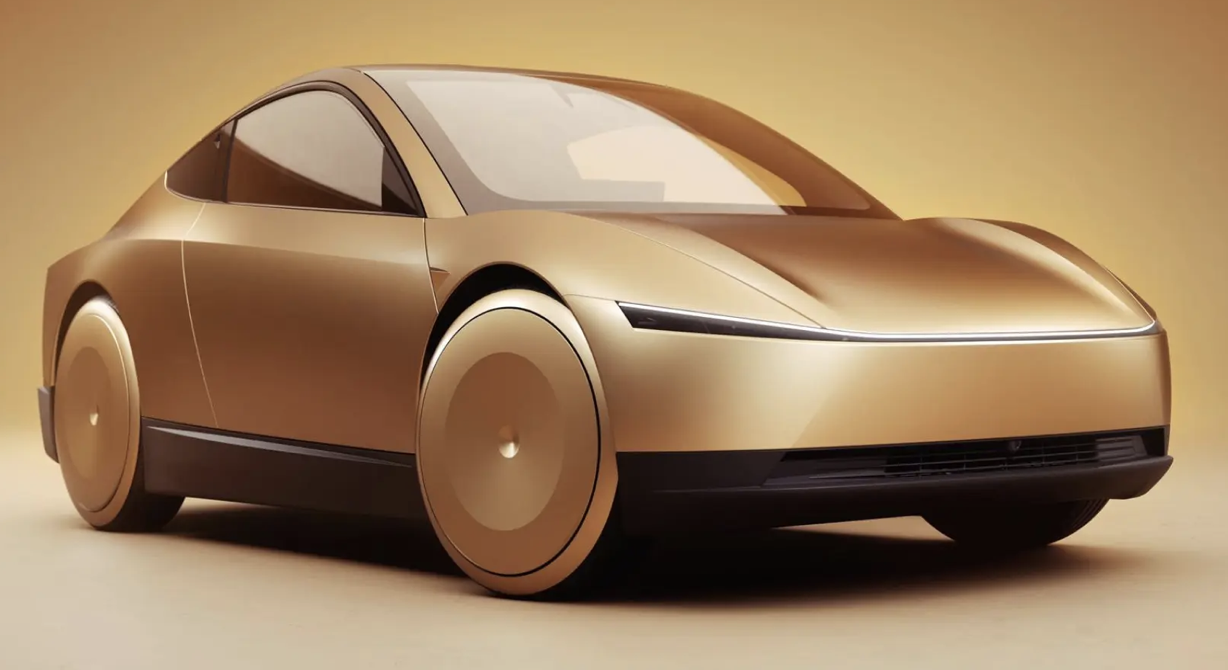
The Cybercab is an autonomous taxi set to begin production in 2026.
-
Its cost per kilometer is significantly lower than that of traditional public transport.
-
The absence of a steering wheel and pedals redefines the user experience.
-
Musk asserts that autonomous taxis are safer than conventional vehicles.
Get to Know the Future: Stay informed about Tesla's innovations and their impact on urban mobility.
Leverage the Technology: If you live in Miami, consider mobility apps that will allow you to use these vehicles.
Be Part of the Change: Reflect on how automation can enhance your daily life.
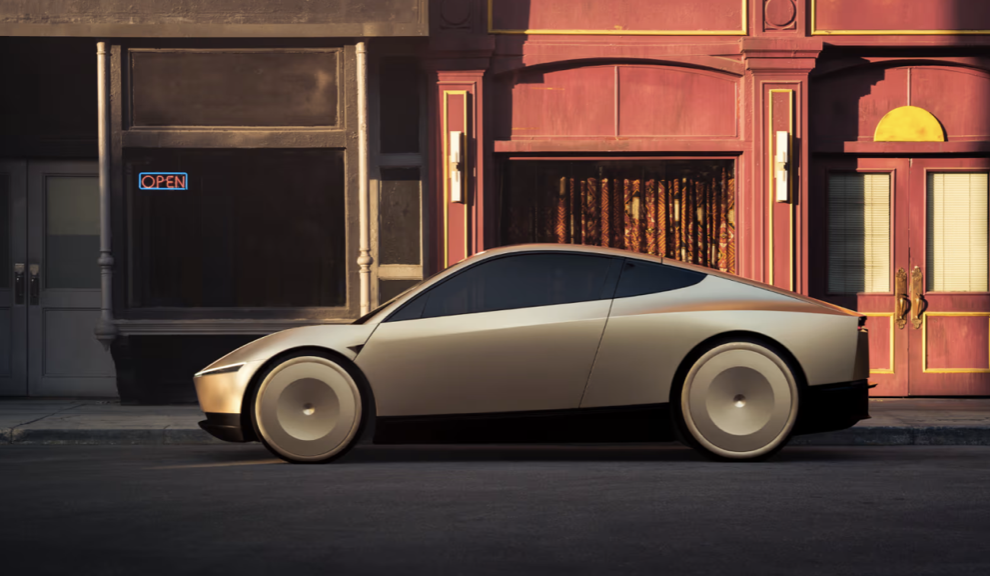
Following the presentation, Tesla made 50 self-driving vehicles available to the public, including Cybercabs and the cars already marketed by Tesla, such as the Model 3 and Model Y, so that users could experience “what cities will look like in the future.”
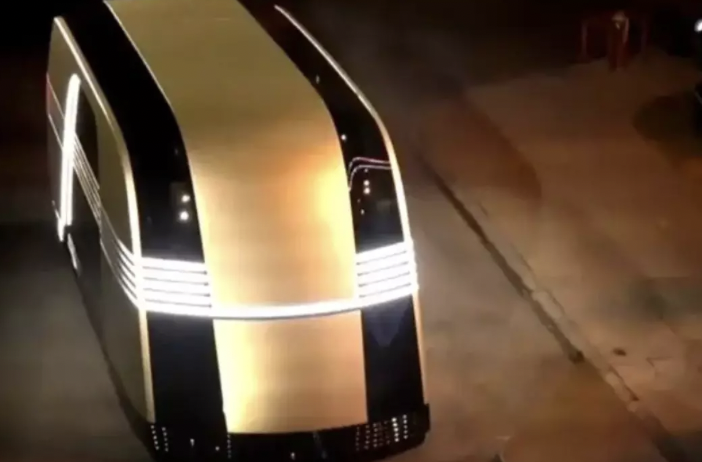
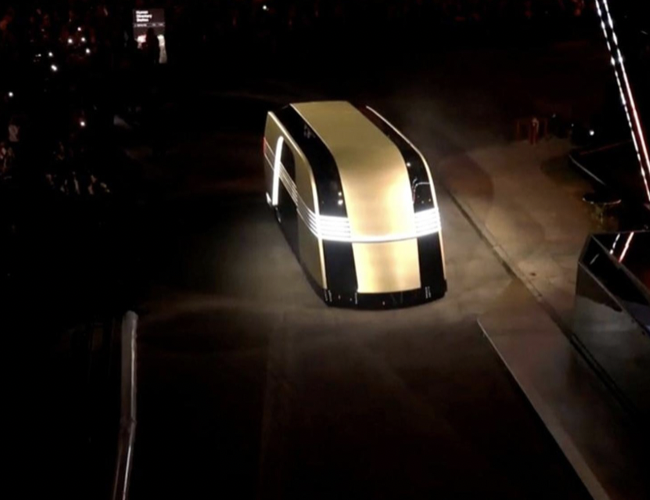
During the event, Tesla also showcased a prototype of an autonomous bus capable of transporting 20 people, as well as Optimus, the robot that Musk claims will be available for sale in the near future with a price between $20,000 and $30,000 per unit.
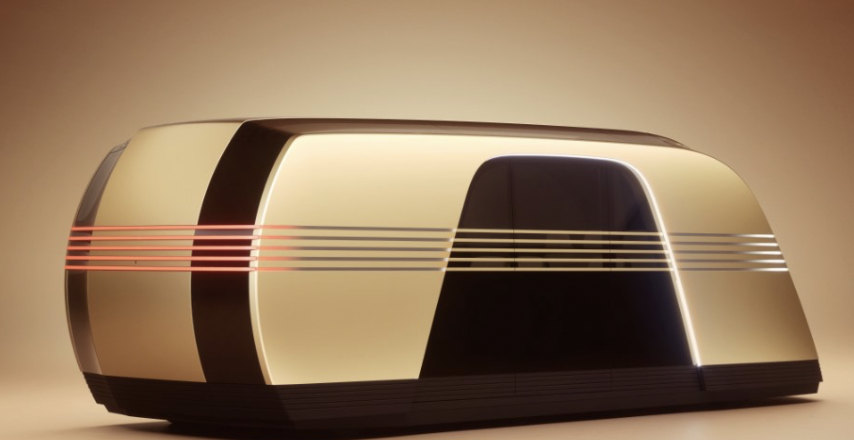
He also stated that the company will begin building the fully autonomous Cybercab in 2026 at a price below $30,000 and presented a robovan capable of transporting 20 people around the city, something that, according to him, will reshape cities “by turning parking lots into parks.”
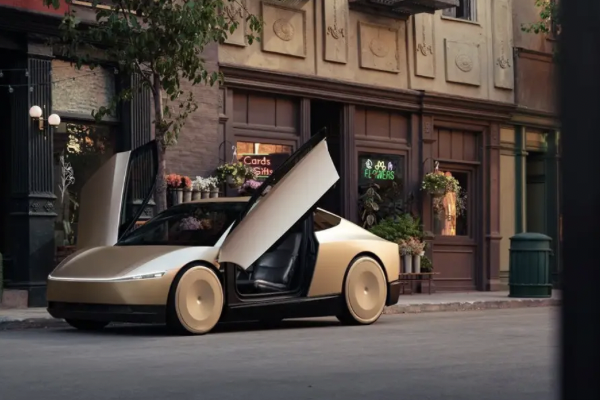
1. A Glimpse at the Cybercab
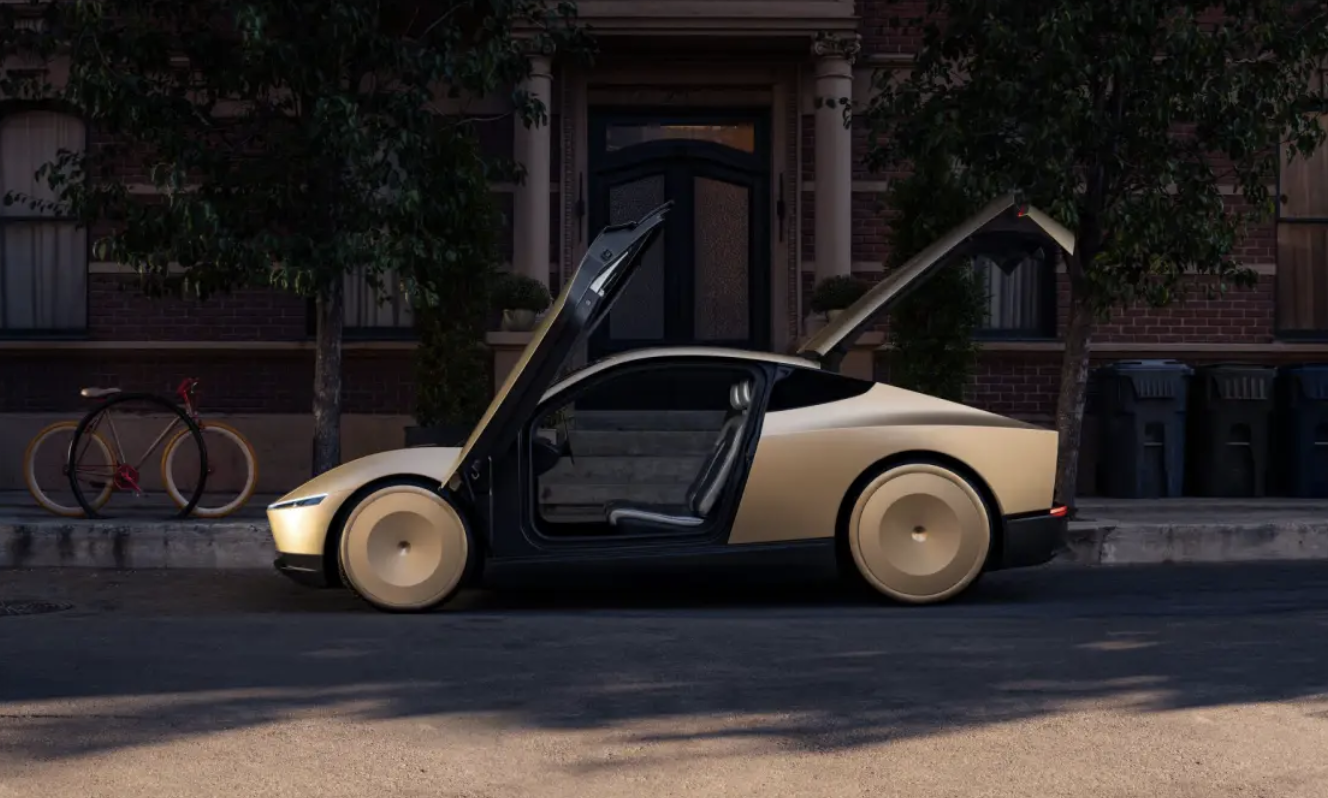
The unveiling of the Cybercab at the ‘We Robot’ event in Los Angeles, where Musk arrived as a passenger in one of these vehicles, marks a turning point in automotive history. With a design reminiscent of Tesla's sleek coupes, the Cybercab stands out not only for its futuristic aesthetics but also for its advanced technology. With no steering wheel or pedals, this vehicle is designed to operate entirely autonomously, eliminating the need for a human driver.

IG: @infonegociosmiami
2. Savings and Efficiency in Transport
One of the most surprising aspects of the Cybercab is its cost per kilometer, which is just 20 cents. This price is one-fifth of what a public bus ride would cost, potentially leading to a drastic change in how users perceive urban transport. Furthermore, the promise of traveling up to 1.6 million kilometers without the need for human intervention suggests unprecedented durability and efficiency.
3. Innovations that Make a Difference
Tesla has been at the forefront of autonomous driving technology, and the Cybercab is no exception. Equipped with advanced artificial intelligence, this vehicle is designed to learn and adapt to its environment. The idea is that each trip contributes to collective learning that enhances safety and service efficiency. According to Musk, these taxis could be up to ten times safer than a human driver, a compelling argument for those still skeptical about automation.
4. More than a Taxi: Musk's Vision
The Cybercab not only addresses the need for more accessible and affordable transport but also has the potential to reduce urban congestion. By eliminating the need for parking and allowing vehicles to operate continuously, Musk hopes this system will contribute to smoother traffic flow in cities. Additionally, the arrival of the Cybercab could stimulate the creation of new mobility apps that optimize the use of these vehicles.
5. The Future of Mobility in Miami and Latin America
Miami, with its high population density and complicated traffic, is a fertile ground for the implementation of Cybercab. The city has already been a pioneer in the adoption of emerging technologies, and the arrival of autonomous taxis could be the next natural step in its evolution. This change would not only benefit local residents but could also attract tourists interested in experiencing this new form of mobility.
Conclusions
Tesla's Cybercab represents more than a technological advancement; it is an invitation to rethink how we move in our cities. Its affordable cost, enhanced safety, and potential to alleviate traffic are strong arguments that could convince many people to adopt this new form of transportation. As we enter this new era of mobility, it is crucial for citizens to stay informed and open to the opportunities that technology offers to improve our quality of life.

-
Infonegocios RED: 4.5 million Anglophone Latinos reading business news daily.
- Sign Up for Free: Register and receive our newsletter by simply leaving your email and name here.
-
Contacts: juan.maqueda@onefullagency.com or marcelo.maurizio@onefullagency.com
