Why is F1 a case study for Quantum Marketing?
Crossing the finish line of Quantum Marketing or Crossing Marketing. (Doing everything necessary to transform and delight the market, whether it's a bakery, a motorcycle agency, a hotel, or a food company).
-
Enjoy this video of this incredible mega event-experience.
https://www.instagram.com/reel/DGOy60bByRi/?utm_source=ig_web_copy_link&igsh=MzRlODBiNWFlZA==
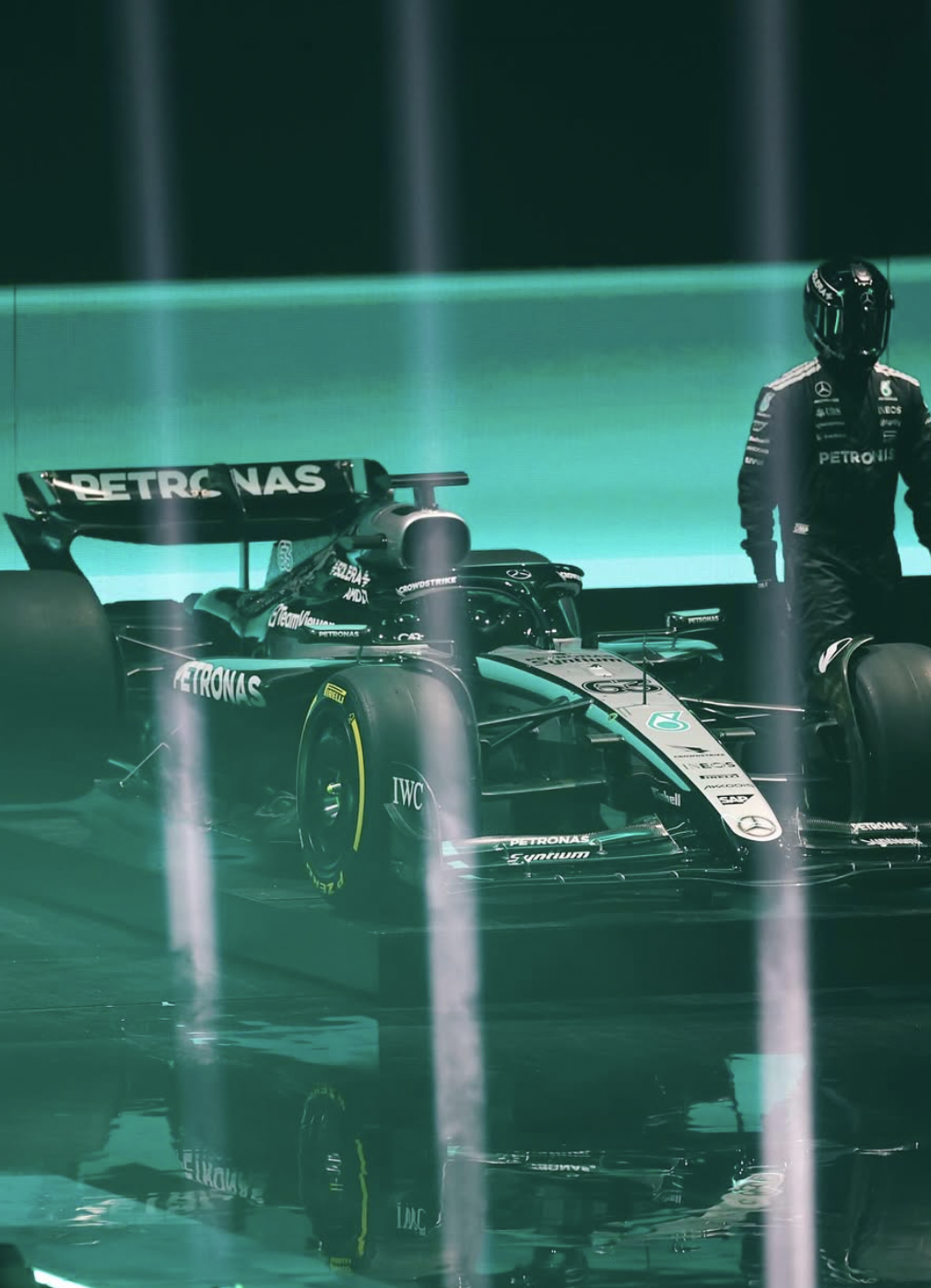
Analysis: How F1 Personifies the New Forces of Marketing
-
Phygitality: Blurring the Lines between Physical and Digital
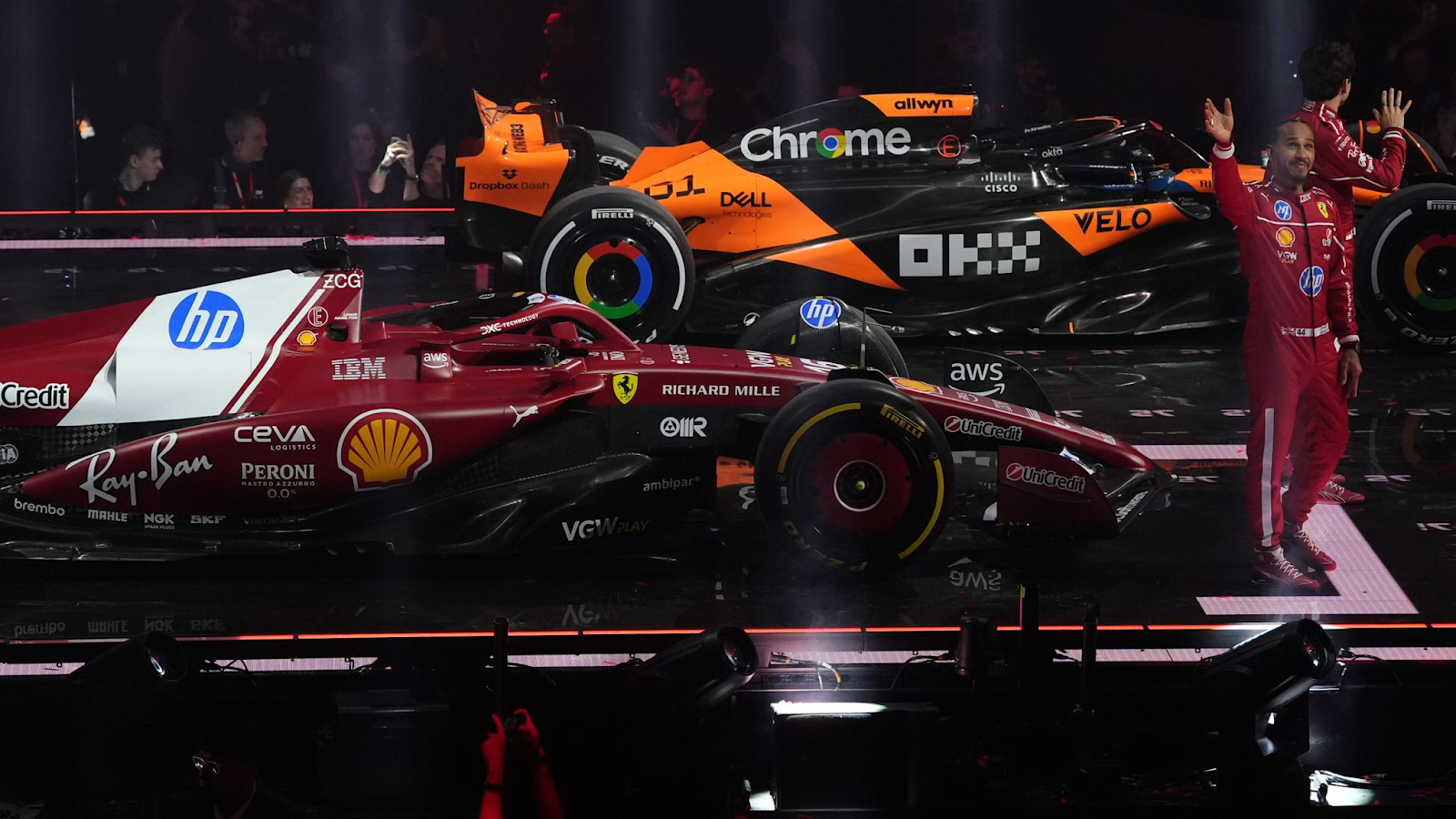
F1 has masterfully fused the physical and digital, creating an omnichannel experience that transcends traditional barriers. The event in London, with its global live broadcast, allowed fans worldwide to experience the excitement as if they were present. Additionally, social media interaction and the growing presence of exclusive content on digital platforms expand the experience beyond the circuit.


Follow us on: IG: @infonegociosmiami (Follow us)
2. Creating Unique Value: Beyond the Roar of the Engines
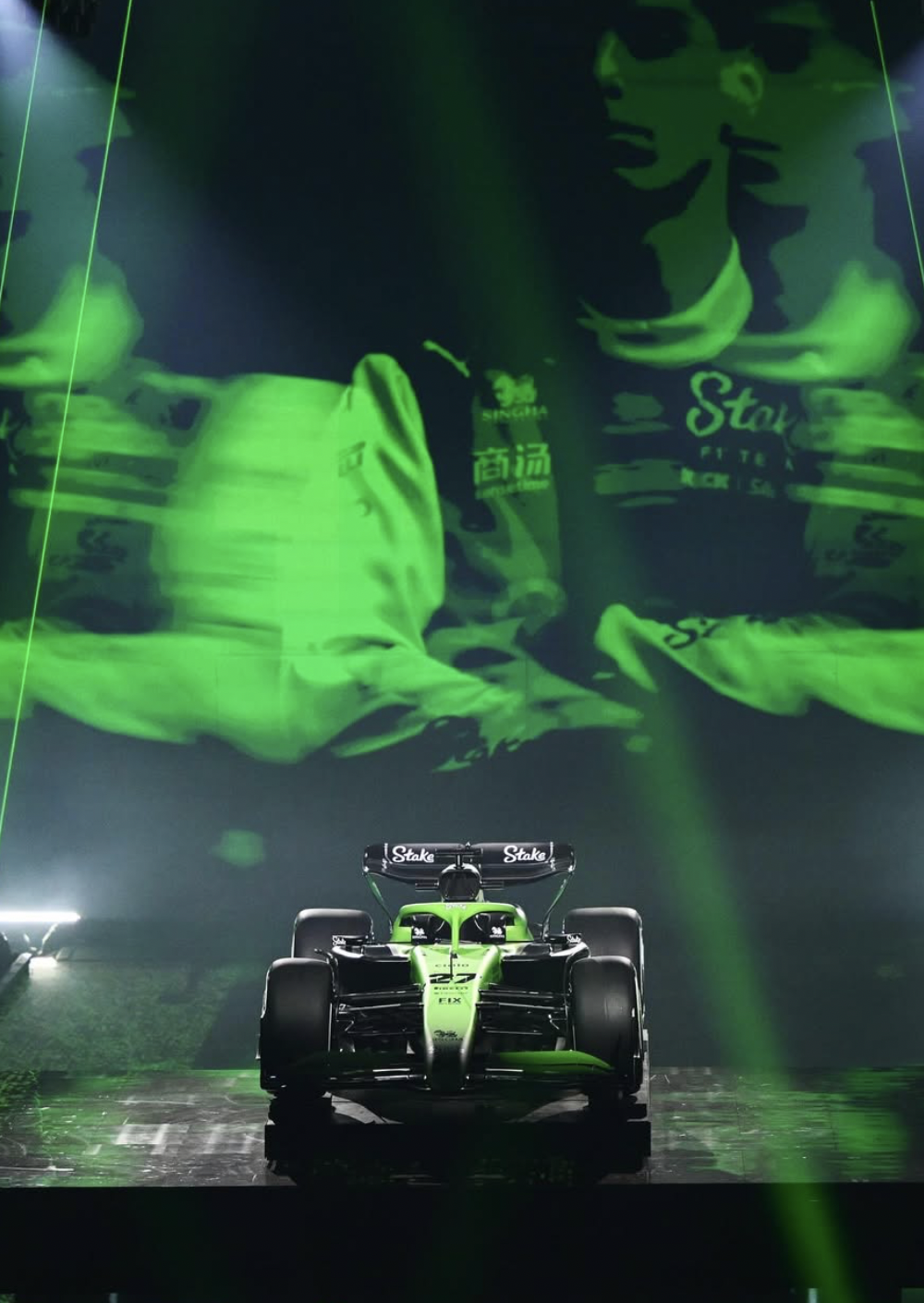
F1 has understood that, in a world saturated with options, the key lies in offering something unique and irresistible. It's no longer just about racing, but a multisensory experience that combines sports, technology, glamour, and entertainment. This differentiated value proposition attracts a broader audience and generates unprecedented engagement.

-
Generating Experiences and Emotions: Leaving a Lasting Impression
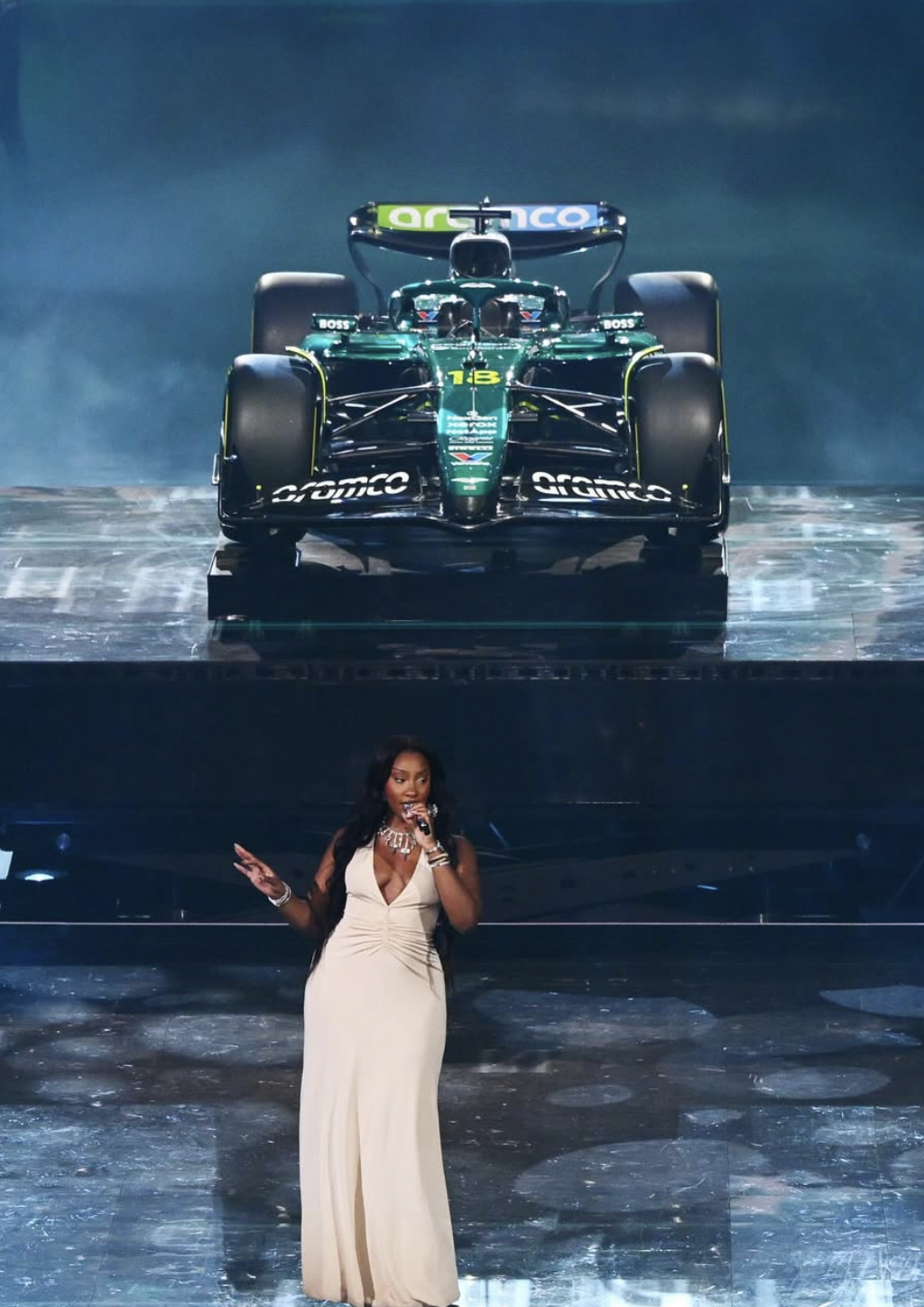
F1 has deciphered the code to transform passive spectators into passionate fans. Events like the one in London, social media activations, and closeness to drivers through exclusive content generate memorable experiences that strengthen the emotional bond with the brand.
-
Expansion of Categories and Multiproducts: A Multifaceted Track
F1 has surpassed the traditional limits of motorsport, becoming a platform for fashion, music, tourism, and much more. This strategic expansion allows it to generate new revenue streams, attract sponsors from diverse sectors, and consolidate its position as a cultural reference.

-
Head of Culture: Brand Culture as a Compass
F1 has built a solid and coherent brand identity, reflected in every point of contact. From the aesthetics of its cars and events to the language used in its communications, F1 transmits an image of innovation, exclusivity, and passion. This coherence is key to generating trust and loyalty in an increasingly demanding market.
Why do other companies hesitate to take the starting line towards Crossing Marketing?
-
Despite the evident benefits, many companies show reluctance to adopt this disruptive approach. The reasons are varied:
-
Resistance to change: Abandoning traditional models can generate uncertainty and fear of failure.
-
Lack of strategic vision: Implementing a "phygital" approach requires an integral and long-term vision, which is often not present.
-
Organizational barriers: Digital transformation implies a profound cultural change, which not all companies are willing to face.
What should you do first?
-
First, rehire teams, integral talents in multiple human, technical, and marketing disciplines.
-
Second, empower departments of head of culture and experienced leaders in creating cultural value and expanding businesses.
-
Third, understand that we are in the era of giving, giving, giving, to win, win, win, and then give, give, give again...
-
This implies changing the way you understand and see all commercial activity, updating it (whether it's a micro-pyme or a macro-industry) to an activity of generating experiences, solutions, and truly useful and experienced value in multiple ways.
It implies having a realistic vision that today, you have to be and do the best possible everything, and for that, you will likely need to co-create, associate, and make a quantum leap in all activity, constantly.

Subscribe to Infonegocios Miami:
https://infonegocios.miami/suscribite-al-newsletter
Contact Infonegocios MIAMI:
juan.maqueda@onefullagency.com
marcelo.maurizio@onefullagency.com