
Summary and tips
Florida's demographic growth in 2024 and 2025 is a multi-faceted phenomenon that brings both opportunities and challenges. Migration, natural decline, and economic shifts are just a few of the factors shaping the state’s future. It’s essential for every Floridian to engage in the conversation about how we can build a more inclusive and sustainable state for all.
Key points:
-
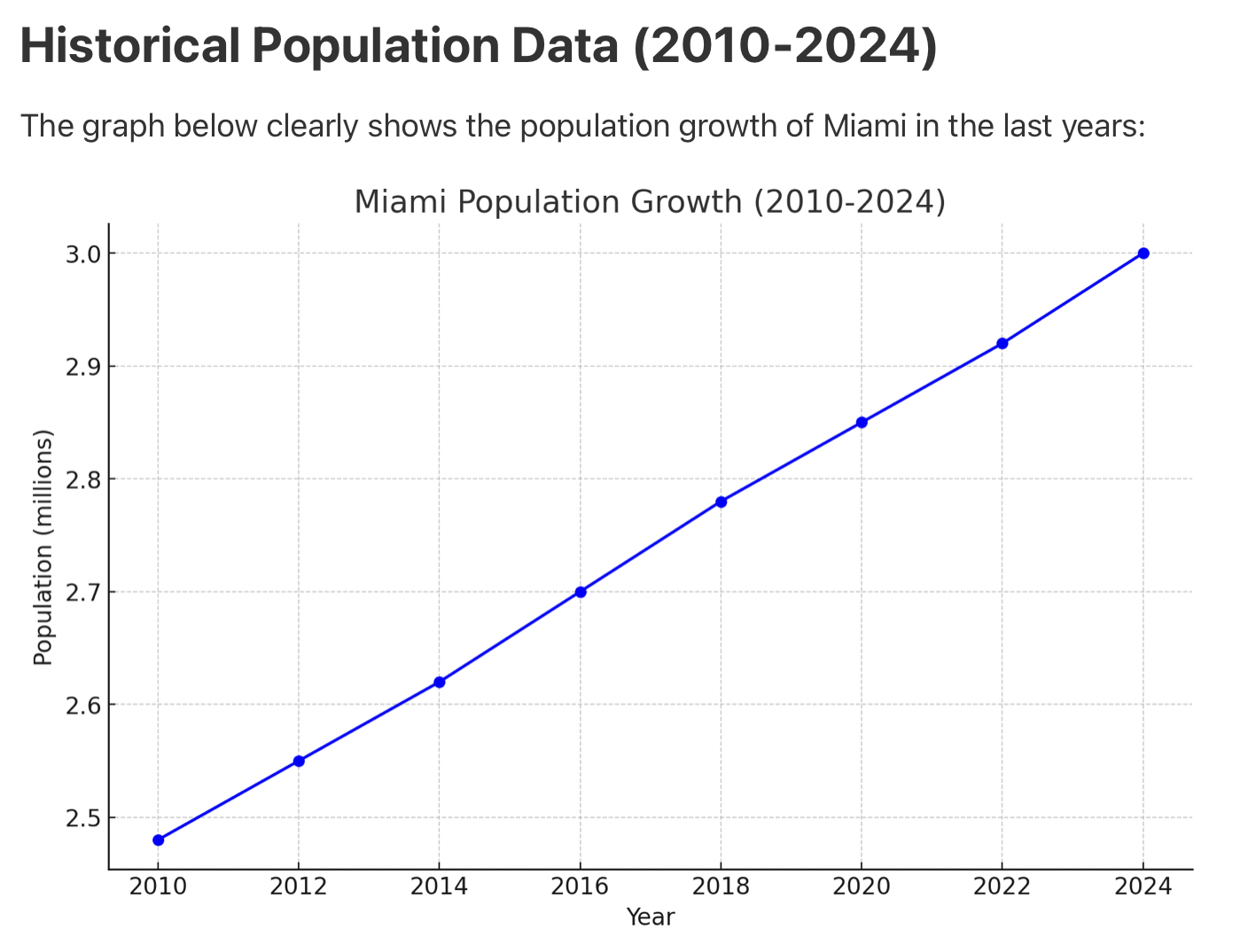
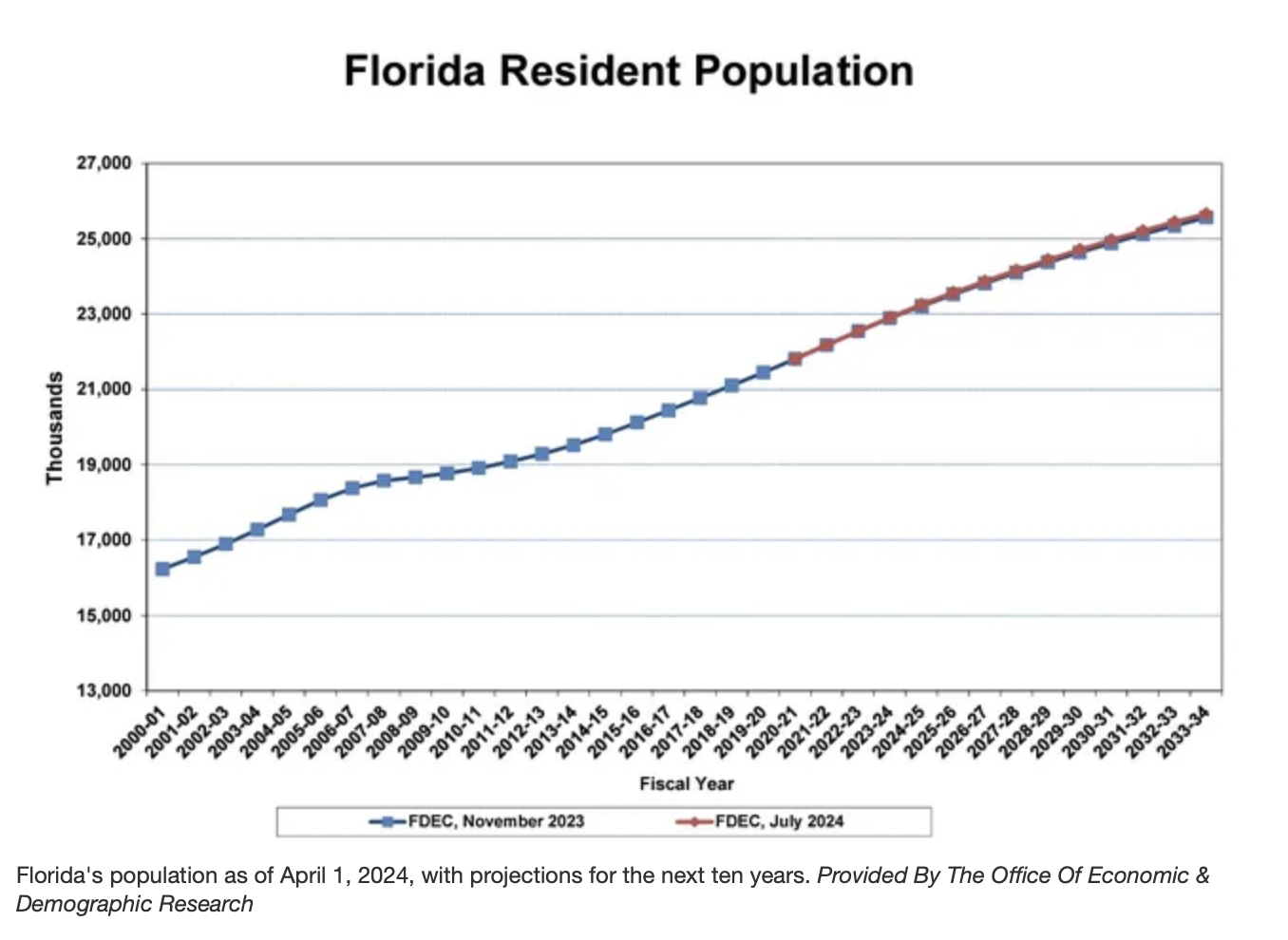
Florida will reach 23.3 million residents in 2024, with a projected growth rate of 1.8% for 2025.
-
International migration and population increases in the Southern U.S. are key driving factors.
Highlighted tips:
-
Stay informed about demographic trends in your area.
-
Get involved in community initiatives to promote integration of new residents.
-
Leverage business opportunities that arise from the population increase.
Florida 2025 : Demographic Growth on the Rise
The Context
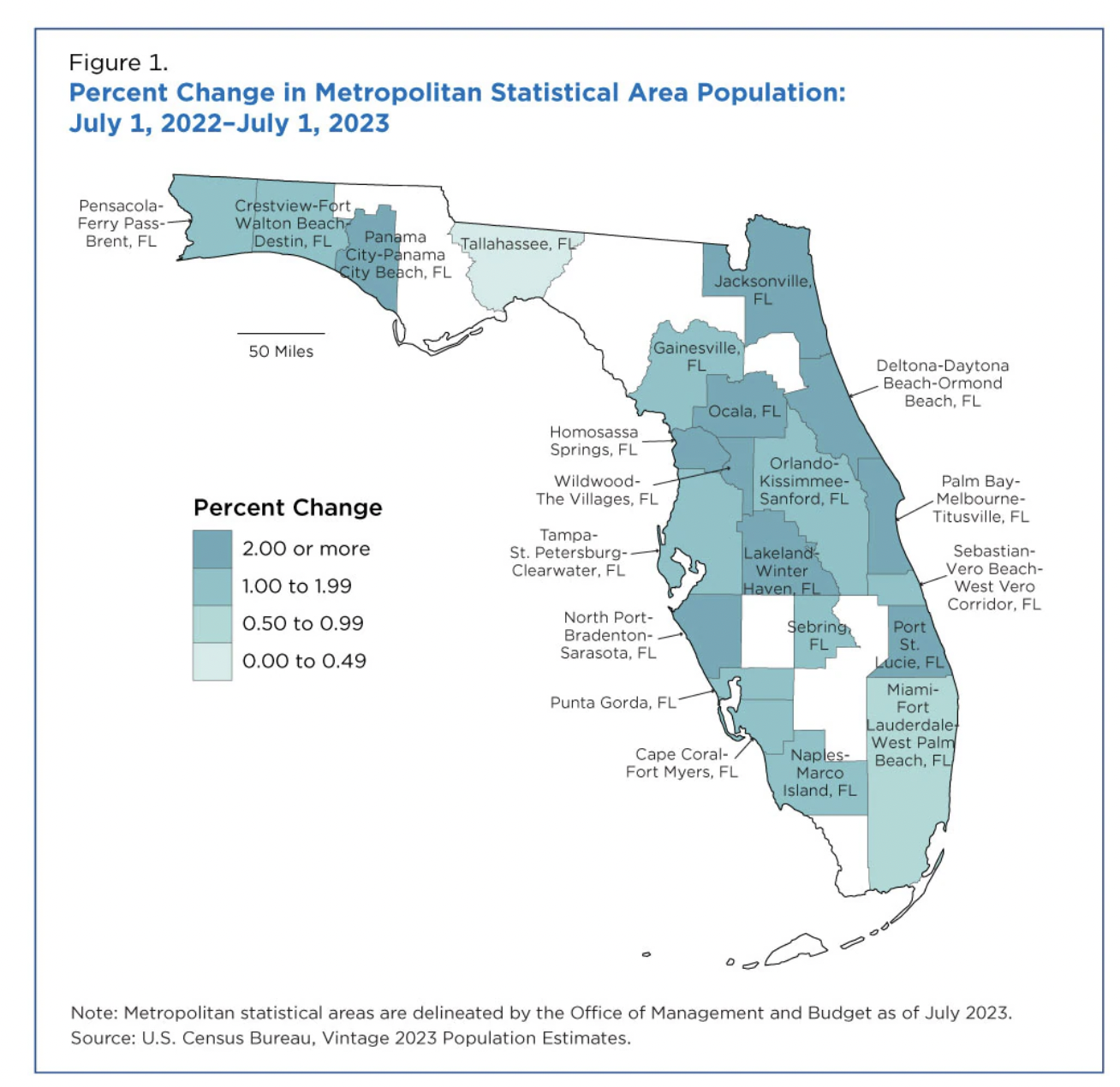
"Florida has experienced faster growth than nearly any other state in the nation." According to data from the U.S. Census Bureau, the estimated population of Florida hit 23,372,215 as of July 1, 2024, marking an increase of 467,347 people from the previous year. This growth, which outpaces Texas, is largely driven by international migration.


-
IG: @infonegociosmiami
International Migration: A Catalyst for Change
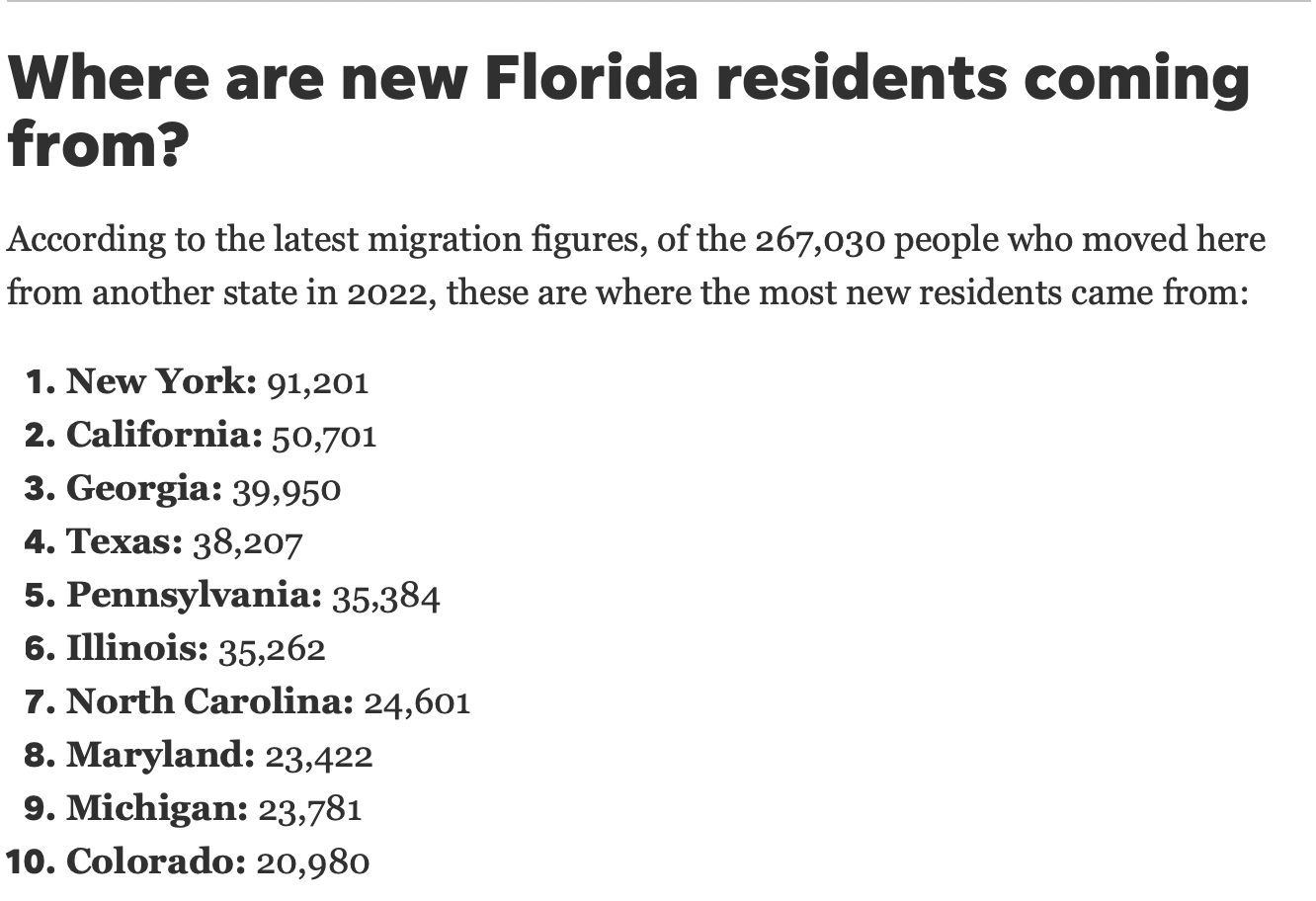
"Net international migration was the critical demographic component driving the growth of the resident population." Florida, alongside California and Texas, significantly benefits from international migration, adding 411,322 individuals in the last year alone. This trend not only enriches cultural diversity but also strengthens the state’s economy.
Growth Rate in the South
"The South added more people between July 1, 2023, and July 1, 2024, than all other regions combined." With nearly 1.8 million new residents, the South solidifies its status as a magnet for newcomers. This raises questions about infrastructure, education, and healthcare in a region already facing challenges in these areas.
Natural Increase and Its Implications
Despite the remarkable growth, Florida is one of 17 states experiencing more deaths than births, resulting in a "natural decrease" of 7,321 people. "Natural increase is expected to remain negative throughout the forecast horizon," warns the Census Bureau. This highlights the urgent need for public policies addressing healthcare and well-being in the region.
Future Projections
State projections suggest that Florida could reach up to 25.7 million residents by 2034. This growth not only signifies an increase in population but also a shift in the social and economic dynamics of the state. "Adding a city slightly smaller than Orlando each year" is one way to conceptualize this growth.
Frequently Asked Questions (FAQs)
Why is Florida growing so rapidly?
Florida's growth is driven by international and internal migration, which has outpaced birth rates.
What can be done to prepare for this growth?
It's vital for citizens to engage in community initiatives and stay informed about demographic and economic trends in their area.
How does this growth impact the local economy?
An increasing population can create business and job opportunities, but it may also put pressure on existing infrastructure.

-
Subscribe for free to receive the most strategic, agile, and valuable insights at: https://infonegocios.miami/suscribite-al-newsletter

Infonegocios NETWORK: 4.5 million Anglo-Latinos united by a passion for business.
Contact Infonegocios MIAMI:
juan.maqueda@onefullagency.com or marcelo.maurizio@onefullagency.com