From an argentine kitchen to Miami nonstop: the incredible story of the vegan alfajor that made its mark in the us market

(By Belén Gandolfo Screpante) At the age of 19, Lucía Mariño embarked on a journey that took her from her kitchen in Berazategui to the city of Miami. This 27-year-old set out on a mission to create Argentina's first vegan alfajor, a challenge that, at first, seemed almost impossible.

Her story began when, at the age of 12, she chose a vegan lifestyle out of personal conviction. However, at that time, plant-based products were practically nonexistent in Argentina, and her diet was limited to just a few options.

She wondered why she couldn't create a vegan alfajor, an iconic product in Argentina but without any animal-derived ingredients. With this idea in mind, she started experimenting in her kitchen, making vegan cakes, empanadas, and pies that were tasted and approved by family and friends.

However, the road to success was not easy. Back then, ten years ago, veganism was a little-known term, and health food stores were not familiar with these products. Lucía worked hard to raise awareness about the importance of having vegan options and took the time to explain her proposal, but she didn't get the interest she had hoped for.

But Lucía didn't give up. She decided to transform a classic Argentine product, the alfajor, into its vegan version. That's how "Un Rincón Vegano" (A Vegan Corner) was born, a name that reflected her tireless search for a space for her products on the shelves.
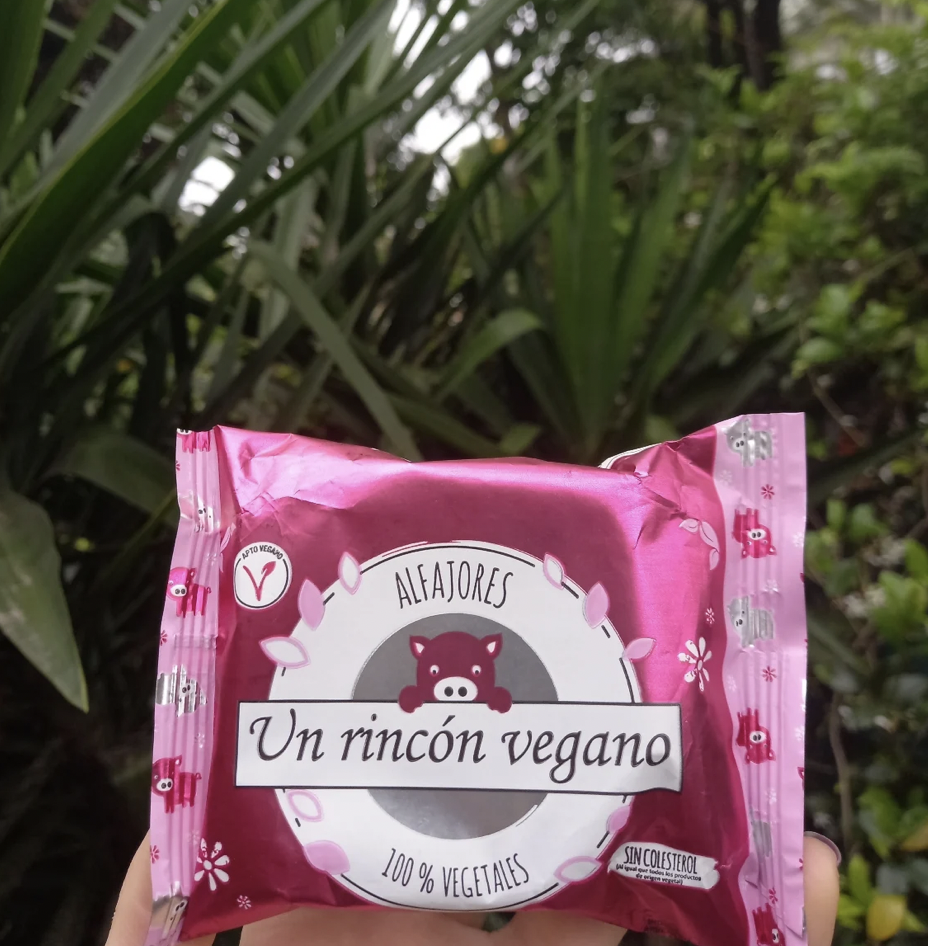
The twist of fate came suddenly and unexpectedly. The initial indifference turned into enthusiasm, and Lucía began working tirelessly with her parents and her boyfriend to meet the growing demand. "The alfajor started to appear in more places, demand escalated, and it became part of people's lives," she says with a satisfied smile.

Lucía's alfajores are 100% vegan, without eggs, dairy, soy, trans fats, or cholesterol. Her focus is on offering the same traditional flavors but with ingredients that don't come from animals.

Over the years, Un Rincón Vegano expanded from local stores in Berazategui to the city of La Plata and finally to Buenos Aires. Word of mouth played an essential role in its growth.

However, like any entrepreneur in Argentina, Lucía has faced economic challenges, especially during times of crisis. "It's all uphill, and every time there's an economic crisis or the dollar goes up, it's a headache," she admits. Despite the difficulties, she has never stopped investing in her country.

Vegan Alfajores in the US

After two years of research, paperwork, and approvals, Un Rincón Vegano has just completed its first export to the United States. "I have meetings with distributors to see which chains we can place the product in because here they don't work as much with health food stores but with big chains. And that's more challenging," explains Mariño from Miami.
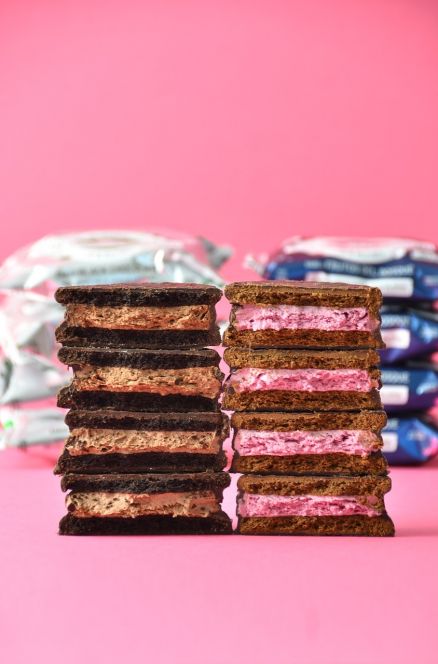
The first shipment to the US market consisted of two pallets of alfajores. Now, she comments, she wants to add machinery to simplify production and increase volume. "We're not closing ourselves off to exporting to other countries, like Chile or Uruguay. We've had conversations with Peru already. What we want most is to be able to increase production," she emphasizes.

¿Te perdiste de leer esto? Las 10 notas más leídas que todo ejecutivo, inversionista y trendsetter se devoró en 2025

(Por J. Romanazzi y M. Maurizio) En 2025, en el corazón del ecosistema de negocios más dinámico de las Américas, estas diez notas de InfoNegocios Miami no solo generaron miles de lecturas; se convirtieron en artefactos culturales, en puntos de referencia en las conversaciones de alto nivel, desde los boardrooms de Brickell hasta las terrazas de Wynwood, desde Madrid, hasta Buenos Aires.  Estas notas cambiaron la visión porque tienen algo más que solo “la noticia”.

(Artículo de alto contenido estratégico: Lectura 3 minutos)

El Head de Cultura, el rol absolutamente clave hoy en las empresas tops de USA (que aún en Latinoamérica no se ha implementado)

(Por Juan Maqueda, Marcelo Maurizio y Estely Rotmistrovsky, desde Miami) En la actualidad, el Head de Cultura (también conocido como Chief Culture Officer o Director de Cultura o el Co-Ceo) es un puesto cada vez más relevante en las empresas, tanto en línea como fuera de línea. En esta nota te contamos sobre casos concretos de éxito de este rol en USA, Europa y América Latina.

(Tiempo de lectura estratégica y de alto valor: 4 minutos)

Inter Miami y su plan maestro: cómo Giovani Lo Celso se convierte en la pieza clave del triángulo argentino para conquistar anglolatina

(Por Cánepa-Otero-Maquea-Maurizio) La inminente llegada de Giovani Lo Celso no es una simple contratación: es la consolidación de un ecosistema futbolístico argentino en suelo norteamericano, el golpe maestro que convierte a Miami en la extensión oficial de la Scaloneta y la jugada que redefinirá el balance de poder en la MLS para la próxima década.

(Tiempo de lectura: 4 minutos para ilusionarse)

Ole Miss creó el relato perfecto del “Fast Friday” al Fiesta Bowl (por qué Miami es el último capítulo de una revolución)

(Por Ortega) El field goal de 47 yardas de Lucas Carneiro que venció a Georgia no fue un golpe de suerte. Fue la culminación de un proceso diseñado para prosperar en el caos, la validación de una hipótesis arriesgada: que un equipo puede perder a su entrenador estrella un mes antes del playoff, mantener a un staff dividido entre dos programas, y aún así ejecutar bajo presión extrema.

(Tiempo de lectura: 4 minutos para ilusionarse)

Empieza este 2026 haciendo lo que ya los Gurús de las top brands hacen

(Por Otero-Maurizio) "El marketing del futuro no se vende; se vive. Y las marcas que creen espacios para vivir, ganarán." Las tendencias 2026 no son meras predicciones, sino síntomas de una transformación profunda en la psicología del consumidor, la economía de la atención y la arquitectura de valor de las marcas. 

(Contenido de alto valor: 3 minutos)