Distinguished guests:
1. King Felipe VI of Spain: Representing the Spanish monarchy, he brings his prestige and support to the ceremony.
2. Javier Milei, President of Argentina: With his sympathy towards Bukele and conservative approach, he brings a unique perspective to the gathering.
3. Daniel Noboa, President of Ecuador: Strengthening ties between Latin American countries, his presence is crucial for regional cooperation.
4. Alejandro Mayorkas, Secretary of Homeland Security of the United States: Leading the U.S. delegation, he underscores the importance of security in the region.
5. Santiago Peña, President of Paraguay: His participation highlights solidarity among Latin American nations.
6. Rodrigo Chávez, President of Costa Rica: Representing his country, he provides his insights on regional challenges.
7. Xiomara Castro, President of Honduras: Her presence emphasizes the importance of cooperation among neighboring nations.
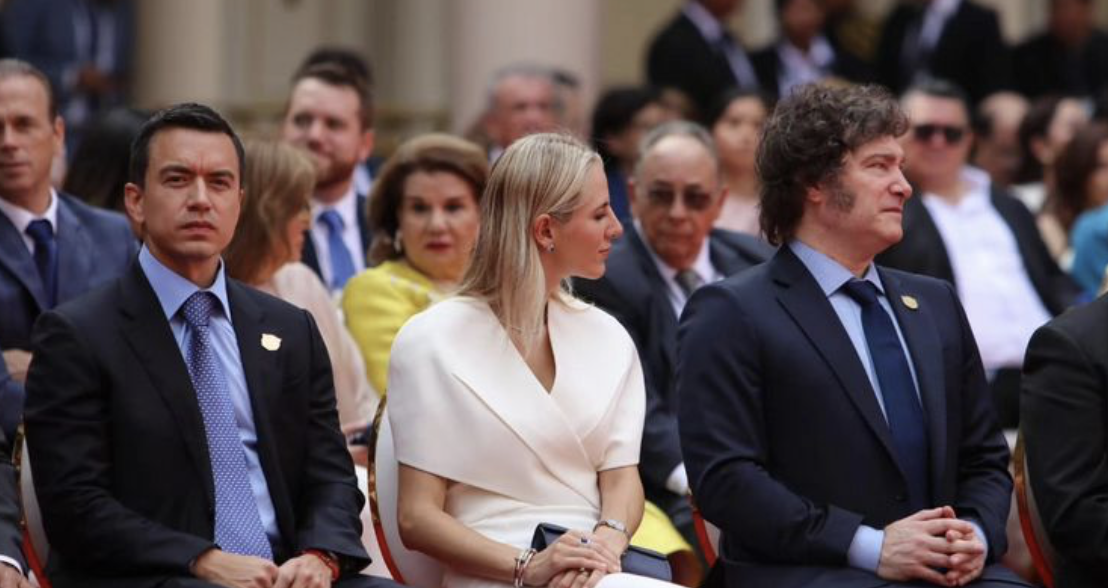
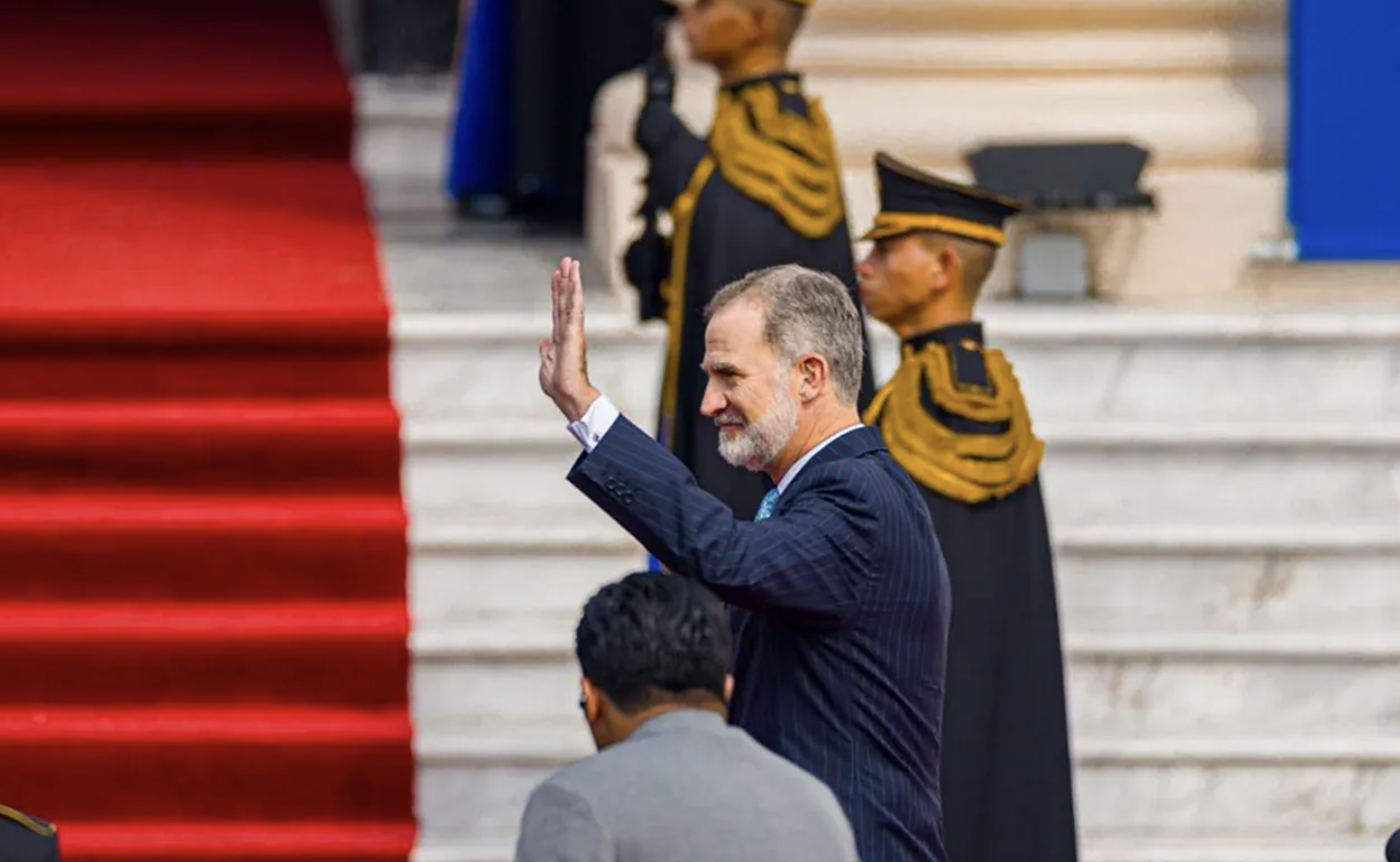
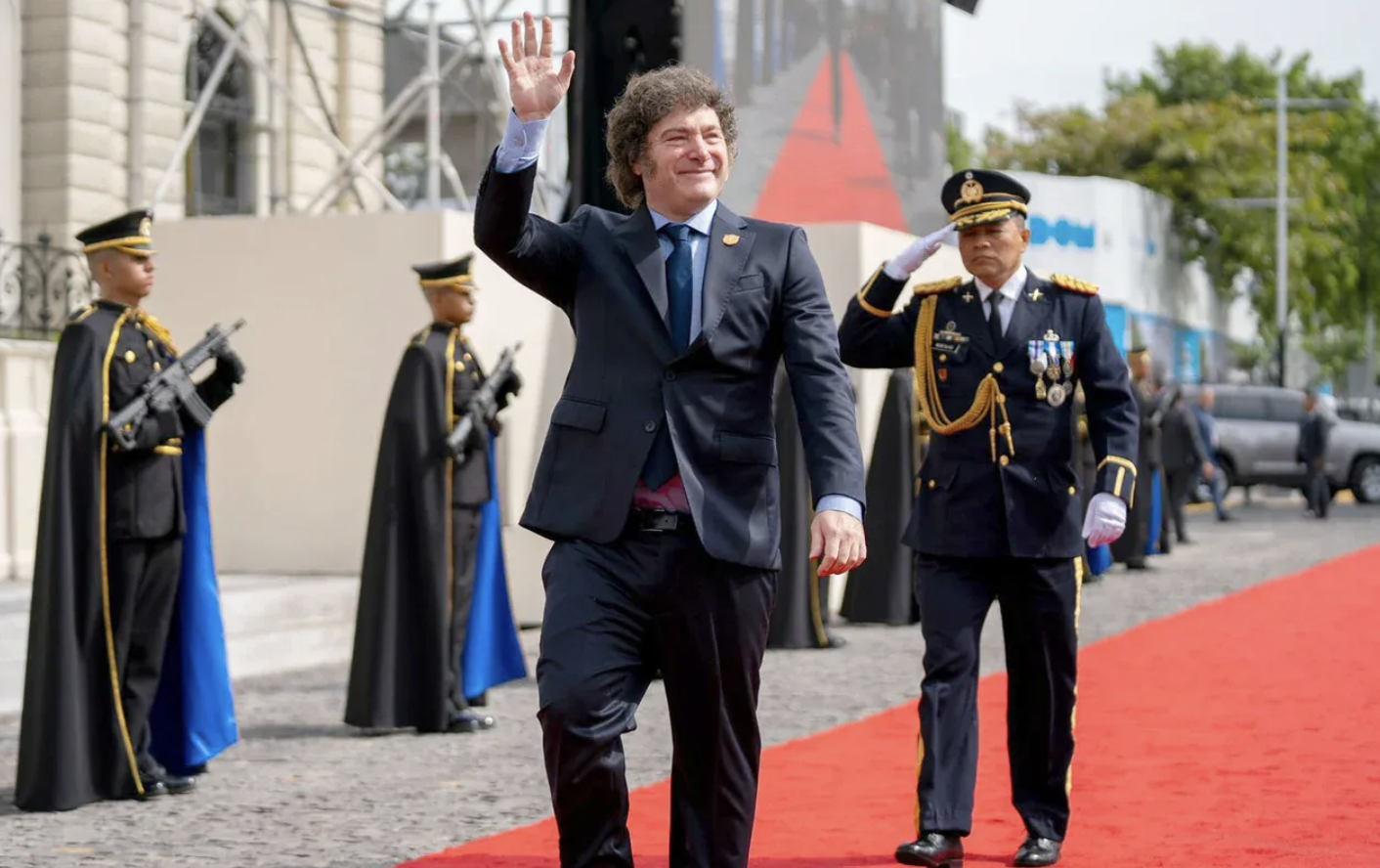
These international leaders, with diverse political views, came together in a gesture of support and collaboration at a crucial moment for El Salvador and the region. The diversity of perspectives and approaches present at this event underscores the complexity of global politics and the importance of cooperation between countries.
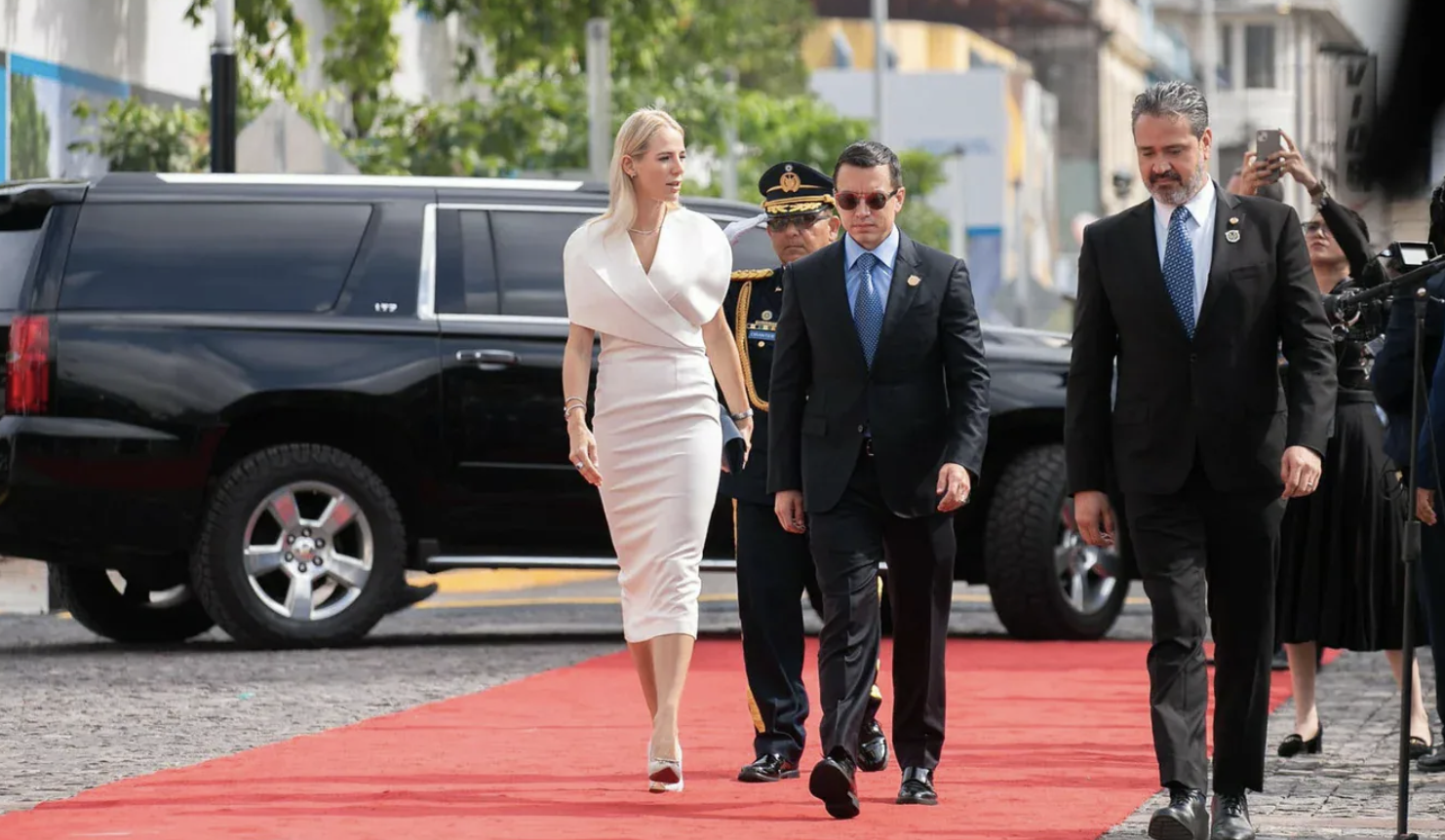
-
Bukele's reelection is particularly significant due to his overwhelming electoral victory, obtaining a historic 85% of the votes and strong popular support. His direct style and "iron-fist" policies against gangs have garnered both praise and criticism, highlighting the complexity of his leadership amidst security challenges in the region.
The presence of leaders with diverse political views, such as Javier Milei, underscores the richness of perspectives and the complexity of global politics. Furthermore, criticisms from human rights organizations like Human Rights Watch and Amnesty International raise ethical and legal challenges in the fight against crime in El Salvador.
-
Bukele claims to have rid the country of the "cancer" of gangs, declaring "war" on them and building a mega prison: since March 2022, El Salvador has been under a state of emergency that has left 80,000 detainees without judicial order.

El Salvador has been mired in poverty, injustice, chaos, lack of protection, and corruption for decades. This has been and is commonplace, whether liked or not, in many governments in Central and South America, where socialist policies have even led to a deviation from the ethics of the parties themselves. The unsustainability today of statism and biased discourses has been fertile ground for narco states, corruption ingrained in ideological militancies, and above all the drastic and undeniable bureaucracy, the corrupt corporations that arise in the midst of unchecked statism.
-
This undeniable reality, stemming from a lack of self-criticism, controls, clear indicators, and false or dogmatic results, has only one consequence: the subjugation of peoples or their deception, both paths have only generated poverty and backwardness throughout Latin America, one resisted, the other militated.
Nayib Bukele's inauguration in El Salvador not only marks a milestone in the country's history but also reflects the political and social dynamics at play on an international level.

Here is a summary of the five key points from Nayib Bukele's speech:
1. Security and fight against gangs: Bukele highlighted the success of his security policy, stating that they managed to reduce homicides by 97%, making El Salvador the safest country in the hemisphere. He emphasized that this war against gangs prevented many deaths and transformed a situation that had lasted for over half a century.
"Without the success of the war against gangs, many of those who see us today would be dead."
2. Criticisms of the opposition and defense of his legitimacy: Bukele criticized the opposition for defending a democracy that, according to him, only left unpunished murders. He highlighted his electoral support and the presence of international representatives at his inauguration, stating that he has been recognized by 100% of the world's countries.
"The opposition continues to defend a democracy that only left us with murdered individuals."
3. Economy and challenges ahead: Bukele announced that his government will focus on improving El Salvador's economy in the next five years. He acknowledged the country's economic problems, such as low growth, high debt, and dependence on remittances. He stated that difficult measures will be necessary to heal the economy.
"In this new treatment to heal the economy, perhaps we will also have to take bitter medicine."
4. Requirements for change: Bukele mentioned that improving the economy will require God's guidance, the government's
tireless work, and the unconditional support of the people. He urged Salvadorans to abandon a mentality of failure and defend government decisions without hesitation.
"The people must defend decisions made with sword and shield, without wavering."
5. Paradigm shift: Bukele emphasized that they are not only changing a country, but a paradigm. He stressed the importance of setting an example for all of Latin America and mentioned the presence of leaders from other countries at his inauguration as a sign of interest in his governance model.
"We are not just changing a country, we are changing a paradigm."
These points summarize the highlights of Nayib Bukele's speech at his inauguration for a second term as President of El Salvador.
#InternationalLeadership #InfonegociosMiami #NayibBukele
IG: @infonegociosmiami

IG: @infonegociosmiami
-
Sign up for free, now, here.