Coca-Cola’s Entry into This Segment Intensifies Competitive Dynamics
As Clayton Christensen predicts in The Innovator’s Dilemma, when market leaders adopt disruptive innovations, they accelerate the overall market transformation.
Innovation Cascade Effect
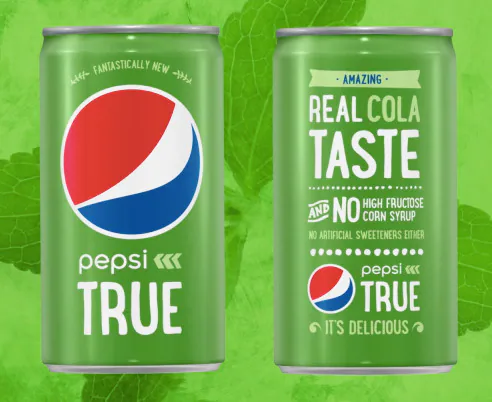
Coca-Cola’s decision will trigger an innovation cascade across the beverage industry. Dr Pepper Snapple Group, Monster Energy, and Red Bull are already evaluating lines with natural sugar. According to Beverage Industry Magazine, 67% of sector companies plan to launch “natural sugar” versions within the next 18 months.
The Soft Power of Sugar
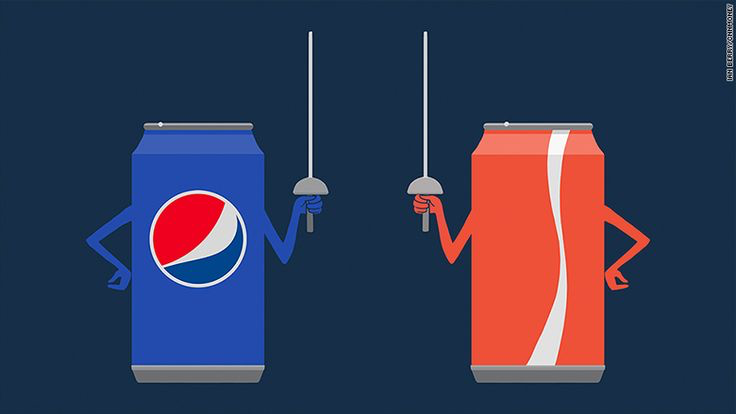
Coca-Cola’s move goes beyond business—it becomes a tool of geopolitical soft power. As Joseph Nye explains in Soft Power: The Means to Success in World Politics, American corporate decisions influence global policies when they involve international supply chains.
Cane sugar will require massive imports from Brazil (the world’s largest producer with 40 million tons annually), India, Thailand, and Mexico. This dependency fosters new strategic trade alliances and redefines diplomatic relations in a context where Trump emphasizes “America First” but still needs global ingredients.

Impact on Emerging Markets
For Latin America, U.S. demand for cane sugar presents a huge economic opportunity. Brazil could boost exports to the U.S. by 30%, adding $1.2 billion in foreign exchange. Mexico, with the USMCA trade agreement, has logistical advantages for supplying the U.S. West Coast.
Colombia and Guatemala, traditional producers, are considering agricultural expansion to meet anticipated demand spikes. As Michael Porter explains in The Competitive Advantage of Nations, commodity booms can catalyze industrial upgrades in developed countries when strategically leveraged.
Why Cane Sugar “Tastes Better”
-
The Psychology of the Premium Ingredient
Why do consumers perceive flavor differences between cane sugar and corn syrup? According to neuroscience studies from the University of California Davis, cane sugar activates the nucleus accumbens (the brain’s reward center) more intensely due to its more complex molecular profile.
High fructose corn syrup is metabolized solely in the liver, whereas cane sugar (sucrose) is processed in multiple organs, creating longer-lasting, more satisfying taste sensations. This neurological difference explains why 78% of consumers prefer drinks with natural sugar in blind taste tests, per data from the Monell Chemical Senses Center.
-
The Placebo Effect of “Natural”
Daniel Kahneman discusses in Thinking, Fast and Slow how expectations shape sensory perceptions. The label “cane sugar” activates positive cognitive biases associated with “natural,” “traditional,” and “premium,” amplifying the actual taste experience.
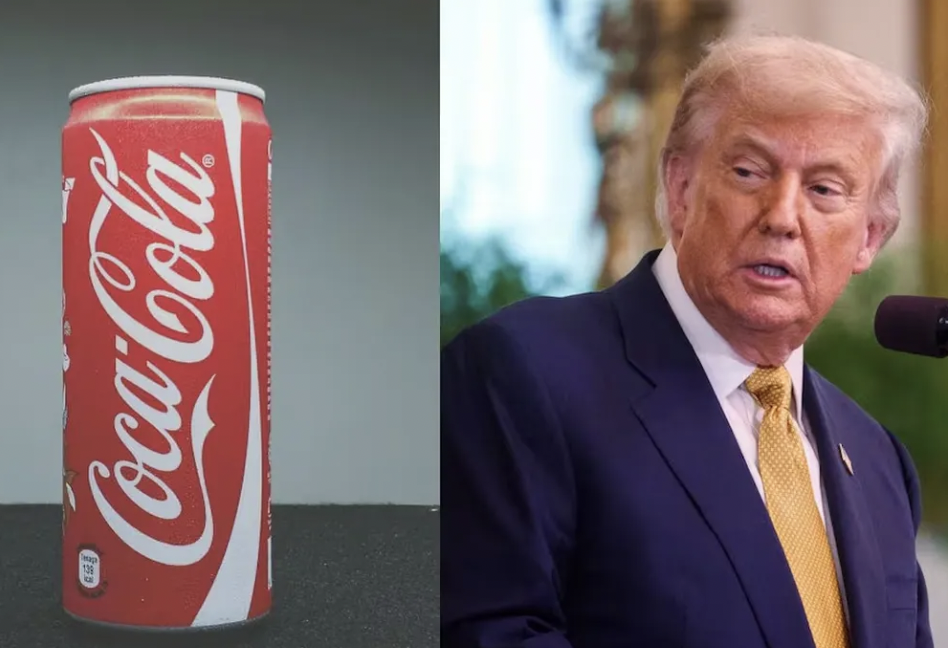
Coca-Cola leverages this “psychological advantage,” positioning its new line as a return to “authentic American taste”—a narrative that resonates especially with nostalgic consumers and the health-conscious segment willing to pay a “premium for perceived authenticity.”