The dictatorship of Maduro and the illegal kidnapping of foreigners, in addition to more than 1,900 Venezuelans, serves as a shield against the people and the world

(By Molina and Otero) Maduro knows he must hand over the government he lost in elections, and he knows that beyond the possibility of international capture and the crimes committed over more than two decades of totalitarianism and dictatorship (Chávez-Maduro), he faces the reality that even the most stubborn and fanatical can no longer deny both his disastrous management and his cruel crimes. The political climate in Venezuela is becoming increasingly bleak. The situation has become unsustainable, with over 1,900 illegally detained prisoners, including citizens from Argentina, the United States, and Spain. Nicolás Maduro's dictatorship not only threatens the internal stability of the country but also uses these citizens as bargaining chips in a troubling power game. Facing a possible collapse similar to that of Bashar Al Assad's regime in Syria, Maduro has opted for the kidnapping of tourists from various nationalities to ensure his own survival. This article sheds light on this humanitarian and political crisis unfolding in the heart of Latin America.


Summary and Tips

The situation in Venezuela is a humanitarian crisis demanding urgent attention. Maduro's dictatorship, by illegally detaining foreign citizens, not only undermines human rights but also jeopardizes regional stability. The international community must act in a coordinated and decisive manner to secure the release of these detainees and pressure the regime to cease its abusive practices. The history of Venezuela is a tragedy that could repeat itself if immediate action is not taken.

Key Points:


  • Over 1,900 political prisoners in Venezuela, including citizens of various nationalities.


  • Maduro uses kidnapping as a negotiation strategy to secure his exit from the country.


  • The international community, including the United States and Argentina, faces challenges in securing the release of detainees.


  • Brazil, Mexico, and Colombia are not being clear or transparent in this situation and continue to support Venezuela's dictatorship, aiming to disguise the horrors of Maduro's socialism and the impact of their political alliance with him. The three governments are trying to defend the indefensible, which is grave for democracy, justice, and the freedom of peoples on the continent.


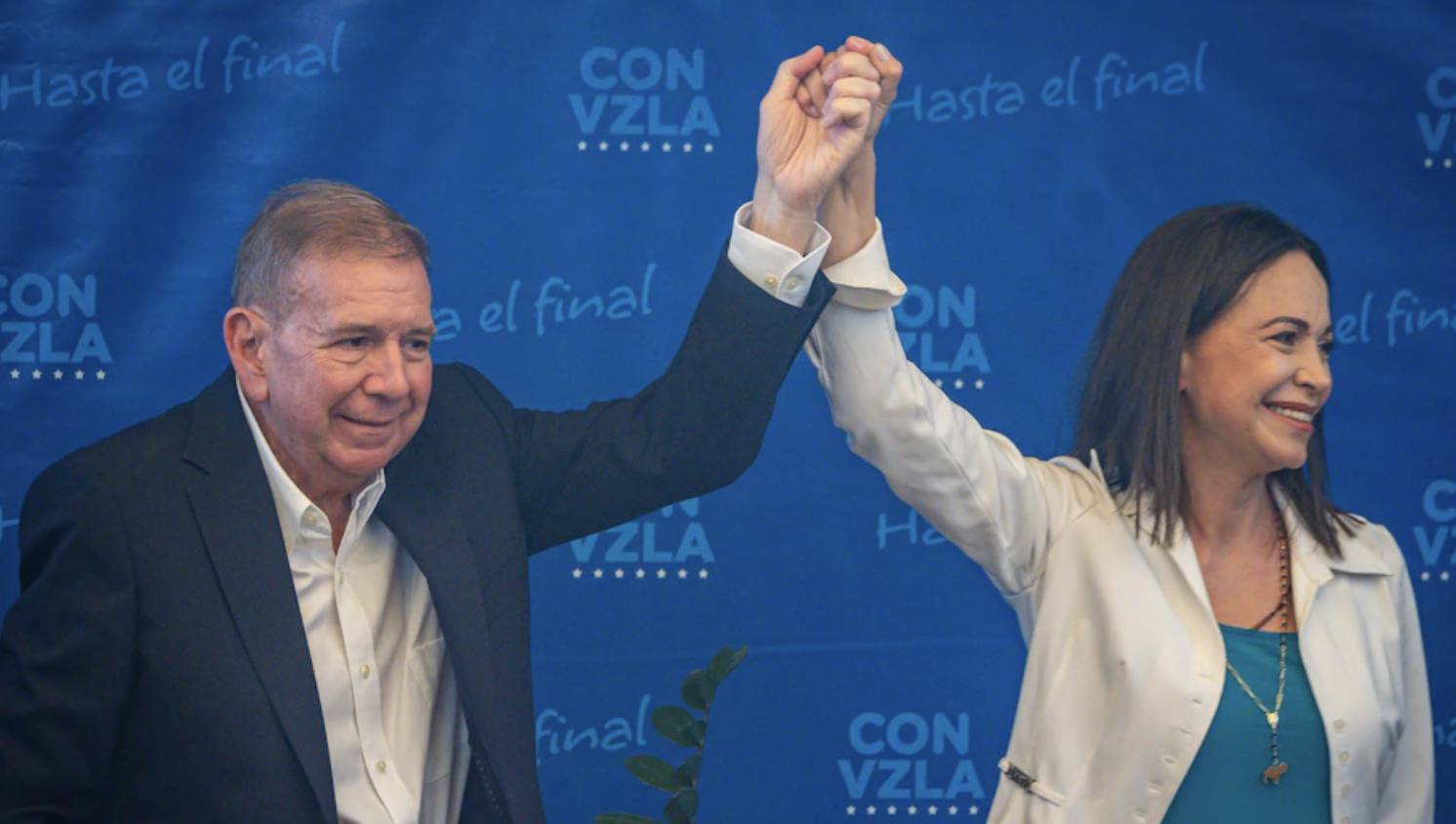
  • Edmundo Gonzalez is internationally recognized as the elected president, with over 70% of the vote, and is set to assume office on January 10.
 

IG: @infonegociosmiami


Maduro's Kidnapping Strategy

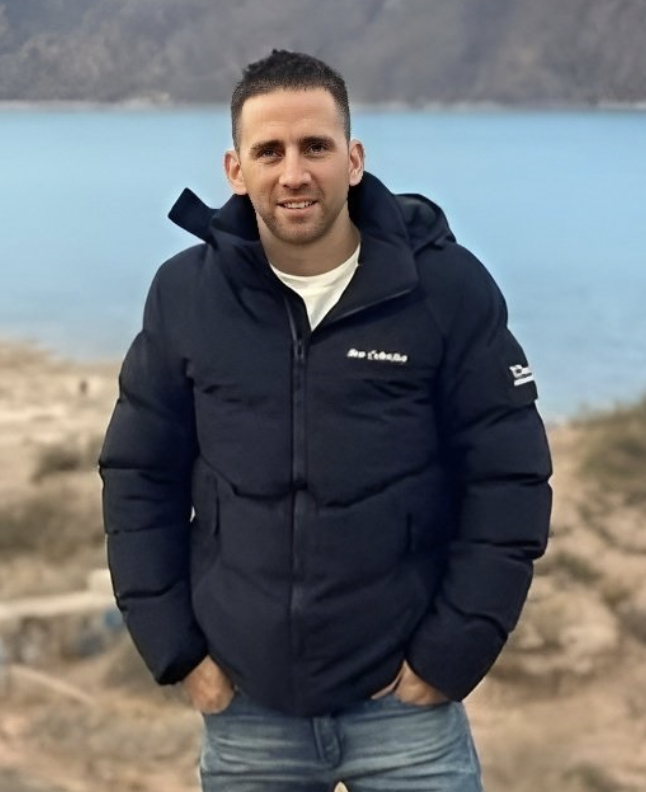
"The Caribbean dictatorship has illegally detained tourists of various nationalities to offer their freedom in exchange for safe passage to an allied country." This is the modus operandi of Maduro's regime, which has captured citizens from Argentina, Bolivia, Colombia, Ecuador, Spain, the United States, Peru, and Uruguay. The desperation of the families, such as the wife of Argentine gendarme Agustín Nahuel Gallo, who was kidnapped while visiting his partner, resonates deeply: “All we want is for him to return to his family.”


Political Context and Social Tension

Maduro's fear of repeating Al Assad's history is palpable. With an imminent inauguration scheduled for January 10, 2025, "there is already strong political tension regarding the possible reaction of Venezuelan society." The capture of foreign citizens becomes a desperate tactic to maintain control as protests intensify over the electoral fraud that benefited Maduro in the July 28 elections.

Using Prisoners as Leverage for Negotiation

The regime has previously utilized prisoner exchanges as a negotiation strategy. "A notable case is the exchange of Alex Saab for ten American citizens." Such maneuvers could be repeated if Maduro's political stability is threatened, using the kidnapped individuals as leverage to secure his exit from Caracas to Cuba or Russia, strategic allies.



The testimonies of detainees' families are heartbreaking. "A confidential report from the Argentine government describes the nationality and number of foreign hostages in the hands of the dictatorship." The anguish of not knowing the whereabouts of their loved ones, such as in the case of Fabián Buglione, a missing Uruguayan citizen, is a constant that affects multiple families.

Frequently Asked Questions (FAQs)

Why does Maduro kidnap foreign citizens?

Maduro uses kidnapping as a strategy of extortion and negotiation to ensure his own political survival.

Which countries are involved in the release of the detainees?

The United States, Argentina, and other Latin American countries have attempted to negotiate the release of their kidnapped citizens.

How can I help in this crisis?

You can educate yourself, share news about the situation in Venezuela, and support organizations that work for the release of the kidnapped individuals.

The situation in Venezuela is complex and multifaceted, and every voice counts in the fight for justice and freedom.


Infonegocios NETWORK: 4.5 million Anglo-Latinos united by a passion for business.

Subscribe for free to receive the most strategic, agile, and valuable insights at: https://infonegocios.miami/suscribite-al-newsletter

Contact Infonegocios MIAMI:
juan.maqueda@onefullagency.com or marcelo.maurizio@onefullagency.com

American Airlines invierte US$ 1.000 millones que revolucionará el Aeropuerto Internacional de Miami (hasta el infinito y más allá)

(Por Taylor, con Maqueda, edición Maurizio) En una jugada que promete transformar el panorama de las aerolíneas y los viajes internacionales en Estados Unidos, American Airlines ha anunciado una inversión de USD $1,000 millones destinada a la ampliación de la terminal D del Aeropuerto Internacional de Miami (MIA). 

(Lectura de valor, 4 minutos de lectura, material idea para compartir)

American Airlines le da otro vuelo a MIA (Miami Internacional Airport)

(Por Taylor, edición Maurizio) La aerolínea ha anunciado una inversión monumental de USD $1,000 millones para la ampliación de la terminal D en el Aeropuerto Internacional de Miami (MIA), un proyecto previsto para iniciar en 2027 que promete transformar radicalmente la experiencia del viajero.

(Lectura de valor, 4 minutos de lectura, material idea para compartir)

El mundo analiza el “algoritmo Messi”: cómo Inter Miami convirtió un 0-2 en un éxito en todo sentido (el verdadero negocio es la remontada)

(Por Ortega - desde Orlando -, con Maurizio) En la MLS 2026, ganar un clásico no es solo sumar tres puntos: es dominar la conversación. Y eso fue exactamente lo que hizo Inter Miami en Orlando: pasó de un 0-2 en media hora a un 4-2 que reescribe el Clásico de Florida y, sobre todo, deja una señal estratégica para toda la liga

(Lectura de valor, 4 minutos de lectura, material idea para compartir)

Netflix anuncia al mundo que se cae la compra de Warner (y quizás la operación de crossing media más importante de la historia de los medios)

(Redacción Miami) El comunicado oficial de Netflix: “Creemos que habríamos sido grandes administradores de las icónicas marcas de Warner Bros. y que nuestro acuerdo habría hecho crecer la industria del entretenimiento, al mismo tiempo que preservaría y crearía más empleos de producción en Estados Unidos”.

(Lectura de valor, 4 minutos de lectura, material idea para compartir)

El código del Ormuz, la apuesta detrás del barril de crudo a US$ 100

(Por Mauvecin, Maurizio y Taylor) Cuando los titulares gritan sobre el estrecho de Ormuz, la mayoría piensa en un mapa, barcos y un cuello de botella. Lo que solo el 0.5% de las mentes estratégicas procesa es que estamos ante el mayor juego de póquer geopolítico desde la Crisis de los Misiles de Cuba, pero con crudo, drones y algoritmos financieros como fichas. 

(Lectura de valor, 4 minutos de lectura, material idea para compartir)

Superstar 2.0: Adidas Originals reescribe la cultura streetwear con una hiper campaña global que trasciende el fútbol (Miami queda fascinada)

(Por Maurizio y Maqueda) Campaña cinematográfica dirigida por Thibaut Grevet y protagonizada por figuras globales de música, moda y deporte: Samuel L. Jackson (narrador), Kendall Jenner, Jennie de BLACKPINK, Lamine Yamal, Baby Keem, James Harden, Tyshawn Jones y Olivia Dean.

(Lectura de valor, 4 minutos de lectura, material idea para compartir)

El futuro del branding en la era de la hiper saturación: McDonald's Nueva Zelanda y un ejemplo que es escuela para todos

(Por Rodriguez Otero y Maurizio) Desde McDonald 's hasta Apple, la necesidad de innovación en branding nunca ha sido más crítica. En este entorno, es esencial que las marcas no solo se adapten, sino que también lideren con estrategias audaces y creativas. Entonces que le queda al resto del universo de marcas… solo hacer mucho más de lo que están haciendo hasta ahora y con una estrategia de ecosistema crossing. 

(Lectura de valor, 4 minutos de lectura, material idea para compartir)

Coca-Cola Argentina lanza latas Mundial 2026 que arrasan entre los hinchas y los kioscos (y contesta a Coca-Cola Brasil)

(Por Maqueda y Maurizio) A 100 días del mundial, las marcas tienen que hacer mucho más que otros mundiales, las que sean sponsor y las que no. Coca-Cola Argentina (algo así como la Coca Cola campeona del mundo), tiene una gran responsabilidad, acaba de lanzar una edición limitada de 5 latas coleccionables para conmemorar el Mundial 2026, con un diseño que fusiona el clásico rojo de la marca y grafismos en azul y blanco.

(Lectura de valor, 4 minutos de lectura, material idea para compartir)