United States and Conmebol receive harsh criticism for poor organization in the Argentina vs Colombia final, the 10 key tips that the organization must improve

(By Diego Canepa, special coverage, for the entire Infonegocios network) In a final that promised to be epic between Argentina and Colombia in the 2024 Copa America, the delay in the start of the match has uncovered a series of criticisms directed towards the organizers. The poor access control to the stadium has been the subject of strong questioning by users on social media, specialized media, and opinion leaders, who have called into question the capabilities of Conmebol and the US authorities in charge of logistics.

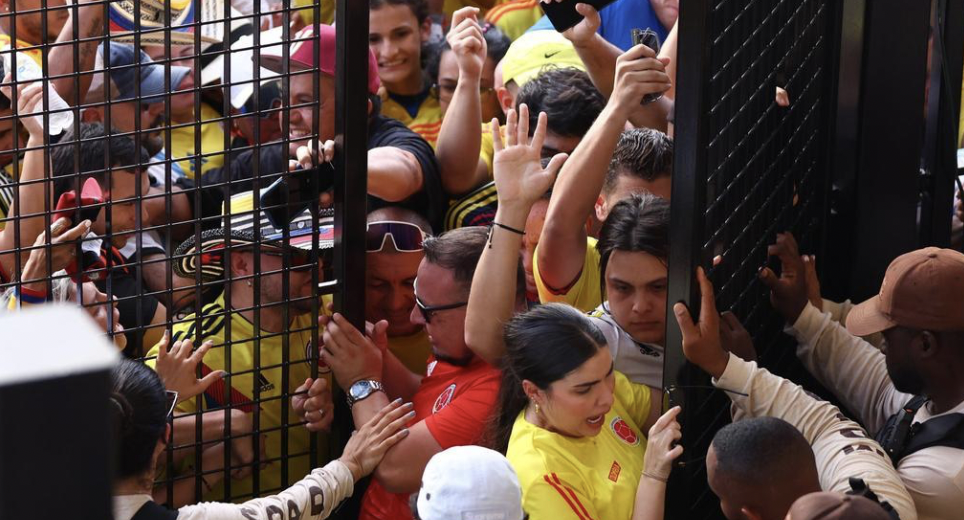
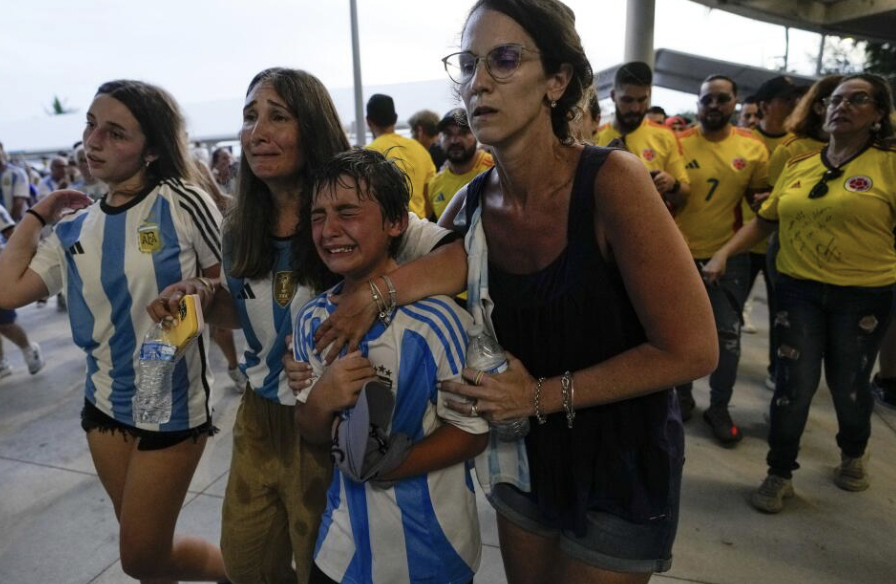
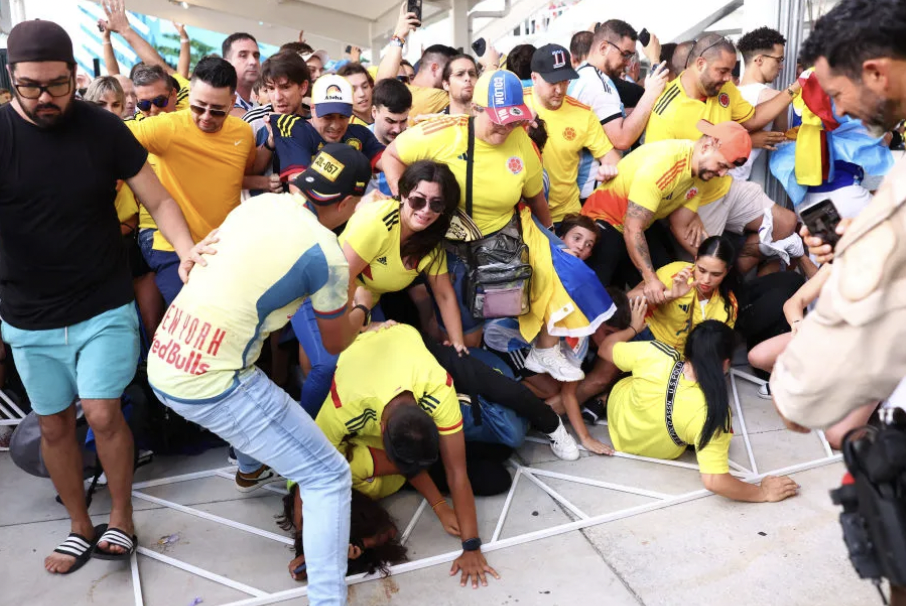
The incidents during the entry of fans to the Hard Rock Stadium, where some ticketless fans managed to force their way in, led security personnel to halt the entry of any person until resolving the situation caused by those who sneaked in. The scarce presence of local police officers to ensure security and proper access control has been heavily criticized, highlighting a lack of planning and coordination in such a large-scale event.
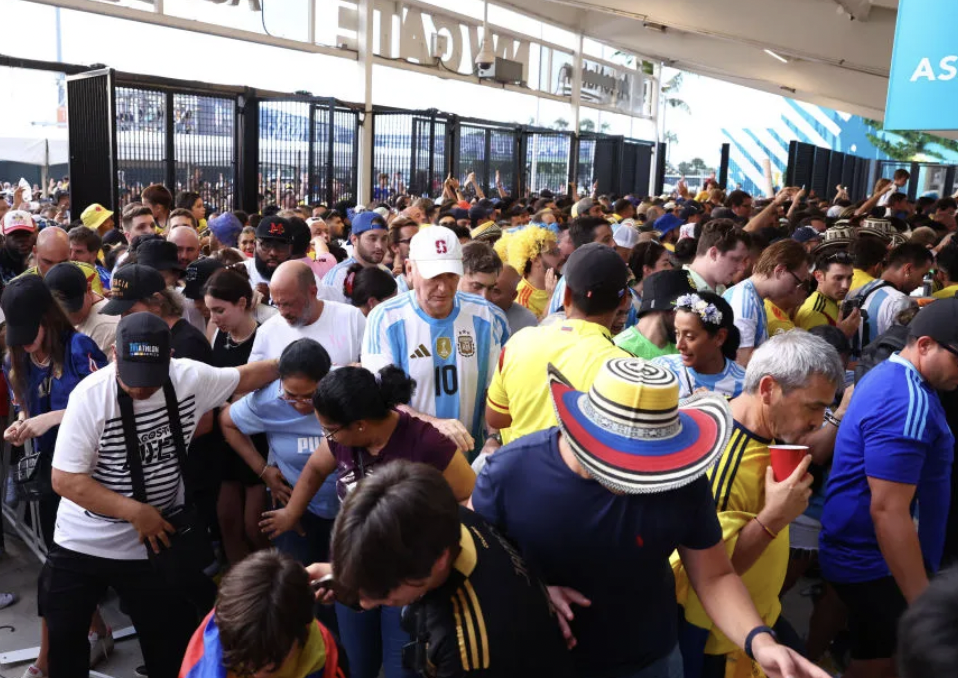
The shocking images that went viral on social media, showing people being assaulted by security personnel and others being pushed in the midst of chaos, have sparked a call for attention to the organizational deficiencies just two years before the 2026 World Cup, which will have the United States as the host country in most venues. Alejandro Domínguez, president of Conmebol, has been the target of criticism not only for what happened before the final, but also for a series of questionable decisions in the organization of the tournament, leading to demands for his resignation on social media.
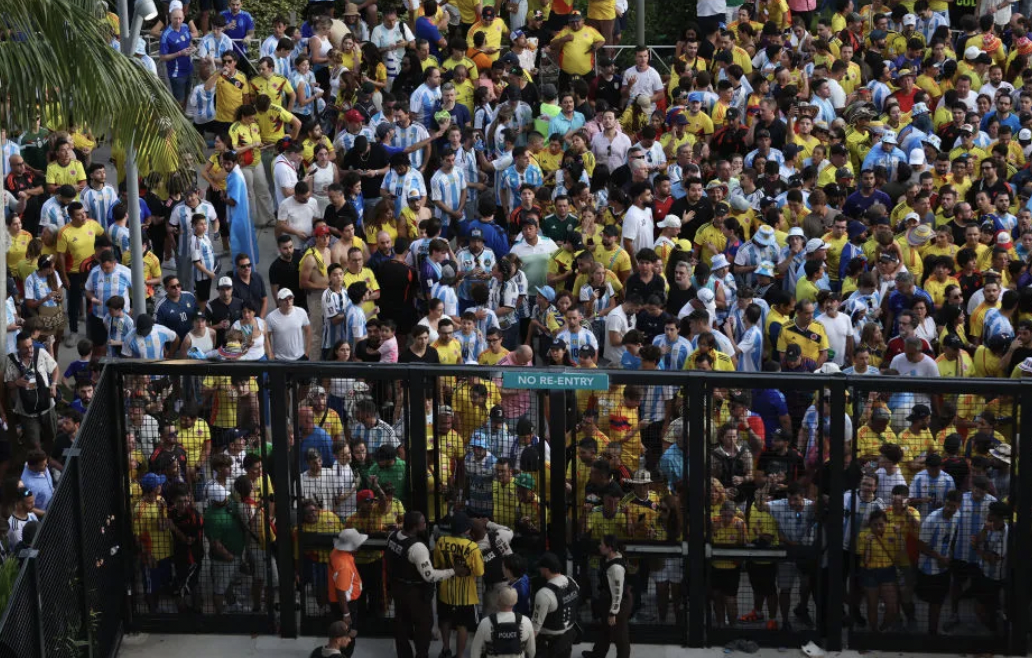
The lack of coordination and planning became even more evident minutes before the kickoff, with the stadium packed but videos circulating online showing fans with tickets left outside the venue, highlighting the poor organization of both Conmebol and the host country at a crucial moment in the competition.

Key learnings the organization should consider:

Improve access control to the stadium to prevent chaotic situations and ensure the safety of attendees.

  1. Three-level fences in three circles are essential to reduce crowds.
  2. Increase the presence of local police officers in quantity to form an effective security perimeter and prevent the entry of ticketless individuals.
  3. Strengthen coordination between security personnel and hired private security to ensure efficient access control.
  4. Implement preventive measures to avoid incidents of aggression and pushing among attendees. This also requires a much greater presence of security in high-concentration areas.


  1. Prioritize planning and logistical coordination in large-scale sporting events to avoid setbacks and unfavorable situations.
  2. Learn from the mistakes made on this occasion to improve the organization of future tournaments and sporting events.
  3. Never again leave all stadiums available only for matches, one month in advance, with natural grass.
  4. Provide all teams with equipped training facilities, available and always assisted for all teams.
  5. Understand that in football, people experience it in the streets. Require each national team's organization to have their fan zones, away from high-concentration areas, where different fan groups can mingle, but understand that incidents can occur and there should be a significant police and assistance presence for health, hydration, etc.


  1. To organize a Copa America, a Club World Cup, a World Cup, it is necessary to work with all the main actors of the national teams to coordinate well in advance and moment by moment a series of actions beyond the sporting aspect of this passion.
Diego Cánepa

@diecanepaok


El trofeo invisible pero invaluable que ganó Norris (lo que nadie te cuenta sobre ser campeón en la F1, hoy)

(Por Juan Maqueda en equipo con Mauricio, Martinez Bueno, Destefano y la comunidad Ristretter) Cuando Lando Norris levantó aquel trofeo de 5,5 kilogramos en Abu Dhabi, el mundo vio el clímax de una historia deportiva. Pero lo que realmente ocurrió ese día representa una lección magistral en branding personal, economía del entretenimiento y construcción de legado que Miami – epicentro del show business latinoamericano – debería estudiar con lupa microscópica.

(Tiempo de lectura de valor: 4 minutos)

Norris campeón mundial: ¿cómo queda el mapa global actualizado de pilotos y naciones que forjaron los 35 campeones de la F1?

(Por Juan Maqueda en equipo con Mauricio, Martinez Bueno, Destefano y la comunidad Ristretter) Detrás de cada campeón de Fórmula 1 hay dos banderas: la de su nacimiento y la de su equipo. Hoy, tras la consagración de Lando Norris, presentamos el análisis definitivo de las fuerzas geopolíticas y empresariales que dominan el deporte motor mundial.

(Tiempo de lectura de valor: 4 minutos)

Messi campeón con Inter Miami: “Estoy muy feliz" (la ciudad, todos los negocios, los medios, las marcas y anglolatina, también)

(Por Ortega desde el Chelsea Stadium, con Maqueda y Maurizio) Luego de la consagración de Inter Miami tras ganar 3-1 la final ante Vancouver Whitecaps en la MLS 2025, Lionel Messi habló con Apple TV y dejó una serie de declaraciones en las que repasó el camino del equipo, valoró el esfuerzo de la temporada y se emocionó al referirse al retiro de sus amigos Jordi Alba y Sergio Busquets.

(Tiempo de lectura de valor: 4 minutos)

Adidas despliega su arma secreta en Londres: el "Hybrid Hotel" (una muestra más de la era del ecosistema-crossing de expansión de categorías)

(Por Maurizio y Rodriguez Otero) Qué más necesitas ver para entender que todo lo que sabías de marketing y del “retorno” quedó absolutamente caduco. "Hybrid Hotel" No es un hotel. Es un manifiesto físico del regreso de la expansión de las experiencias y de categorías a niveles de universos de marca. 

(Tiempo de lectura de valor: 4 minutos)

La jugada maestra: cómo Louis Vuitton y Ana de Armas reescribieron las reglas del marketing deportivo global en Abu Dhabi

(Por Juan Maqueda en equipo con Maurizio, Martinez Bueno, Destefano y la comunidad Ristretter) No fue una casualidad. Fue un algoritmo de influencia ejecutado con precisión de cirugía nanométrica. Cuando Ana de Armas, con la elegancia de un felino y el magnetismo de una supernova, agitó la bandera a cuadros en el Gran Premio de Abu Dabi, no solo estaba marcando el final de una carrera.

(Tiempo de lectura de valor: 4 minutos)

¿El éxito total de la F1? ¿Qué nos enseña a todas las empresas y marcas hoy? (manual ágil aquí)

(Por M. Rodriguez Otero, Maqueda junto a M. Maurizio, Martinez Bueno, Destefano y la comunidad Ristretter) ¿Te preguntaste por qué algunas marcas están desarrollando mega acciones cruzadas de marketing y sólo ellas están logrando atrapar la mente y el corazón de sus consumidores? La respuesta está en algo que, en 2025, ya no es una opción: el crossing marketing, el head of cultura y las mega activaciones multisensoriales.

(Lectura ágil de alto valor estratégico: 4 minutos)