Playing quite "heated" friendlies:
The teams have been playing friendly matches against other teams from the Copa to fine-tune their strategy, try out players, and work on tactical aspects. The characteristic has been great rivalry.
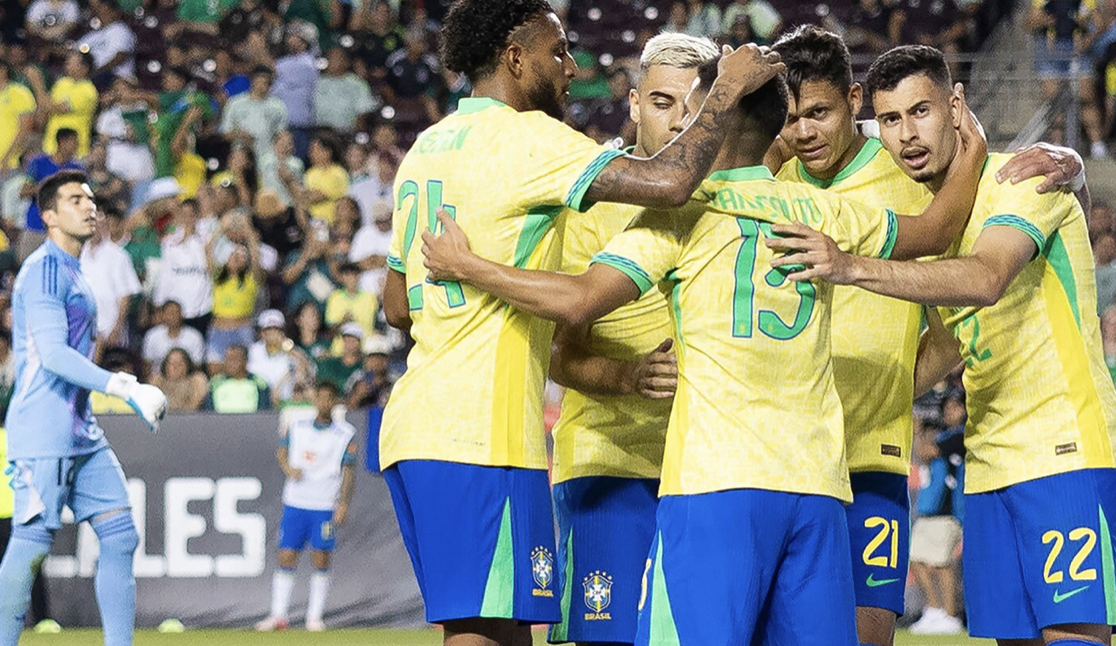
These matches allow coaches to evaluate the performance of their players and adjust their game plan before the start of the tournament.
Testing different line-ups and tactics: Coaches are using these friendly matches to test different line-ups, tactics, and game strategies. This allows them to explore options and find the best way to address the challenges they will face in the Copa America.
Evaluating young players and prospects: Some teams are giving opportunities to young players and prospects to prove their worth and earn a place in the starting lineup
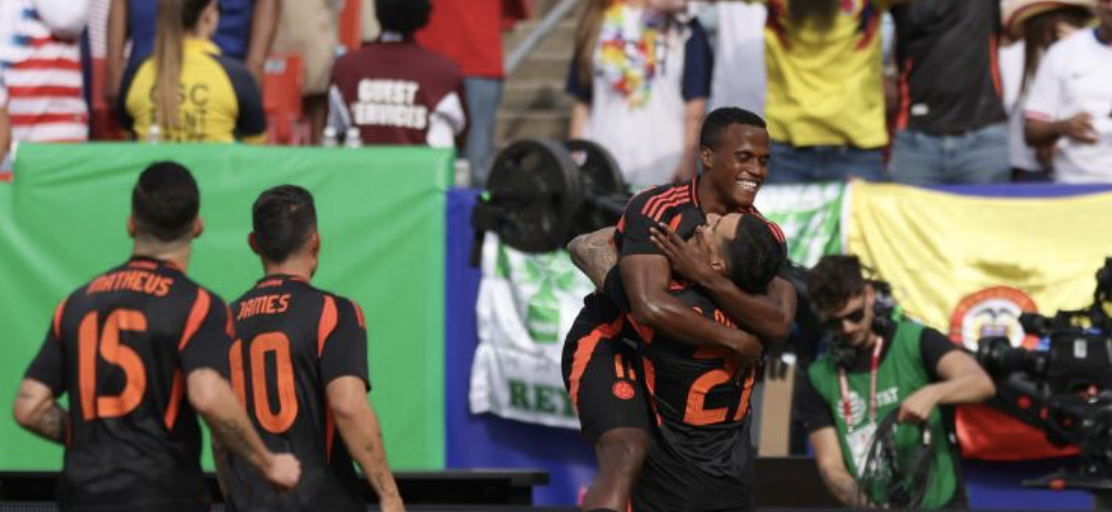
These players can bring freshness and talent to the team, so it is important for coaches to observe their performance in the preparation matches.
-
The results so far:
1. Mexico 1-0 Bolivia
- Date: May 31
- Location: Soldier Field (Chicago, United States)
- Goal: Efraín Álvarez (Mexico)
2. Costa Rica 0-0 Uruguay
- Date: May 31
- Location: Estadio Nacional de Costa Rica (San José, Costa Rica)
3. Mexico 0-4 Uruguay
- Date: June 5
- Location: Empower Field at Mile High (Denver, United States)
- Goals: Darwin Núñez (3), Facundo Pellistri (Uruguay)
4. Netherlands 4-0 Canada
- Date: June 6
- Location: Feyenoord Stadium (Rotterdam, Netherlands)
- Goals: Depay, Frimpong, Weghorst, Van Dijk (Netherlands)
5. Peru 0-0 Paraguay
- Date: June 7
- Location: Estadio Monumental (Lima, Peru)
6. United States 1-5 Colombia
- Date: June 8
- Location: FedExField (Maryland, United States)
- Goals: Arias, Santos Borré, Ríos Montoya, Carrascal, Sinisterra (Colombia); Weah (United States)
7. Mexico 2-3 Brazil
- Date: June 8
- Location: Kyle Field (Texas, United States)
- Goals: Endrick (Brazil), Ayala, Couto (own goal) (Mexico); Pereira, Martinelli (Brazil)
8. France 0-0 Canada
- Date: June 9
- Location: Estadio Matmut Atlantique (Bordeaux, France)
9. Argentina 1-0 Ecuador
- Date: June 9
- Location: Soldier Field (Chicago, United States)
- Goal: Ángel di María (Argentina)

These are the detailed results of the mentioned matches in preparation for the CONMEBOL Copa America™.

IG: @infonegociosmiam
Sign up for free, now, here.
