
Donald Trump has chosen a mega expert in hydraulic fracturing techniques as the next Secretary of Energy of the United States: Who is Chris Wright? What connections does he have with Argentina?

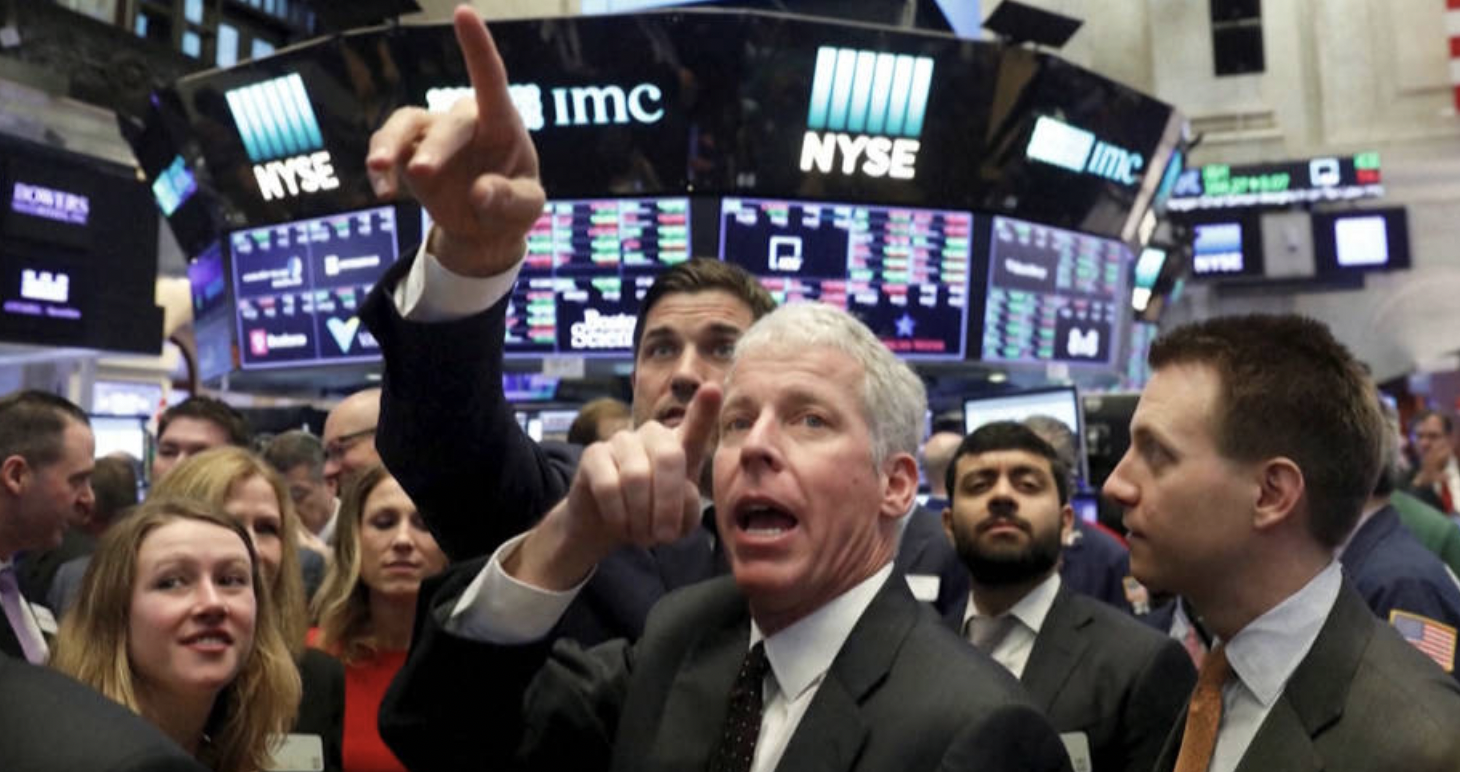
(By Mary Molina, Maurizio, and Maximiliano Mauvecin) In a decision that promises to shape the future of U.S. energy policy, President-elect Donald Trump has appointed Chris Wright as his next Secretary of Energy. Wright is a recognized expert in hydraulic fracturing techniques, commonly known as fracking, and is credited as a "pioneer" in the U.S. shale revolution, which transformed oil and gas production in the country. His appointment reflects the continuity of Trump's energy agenda. Wright has an excellent relationship with Argentina.

A successful businessman with extensive experience in the energy sector

Chris Wright has forged a remarkable career in the energy field, standing out as a leader in hydrocarbon extraction and in implementing innovative techniques for shale gas production. Over more than three decades, he has worked in various areas ranging from nuclear energy to solar and geothermal, solidifying his position as a prominent businessman in the energy sector. Trump emphasized in his announcement that Wright has been "a leading technologist and entrepreneur," highlighting his experience across multiple energy sources.

IG: @infonegociosmiami

Wright is the CEO of Liberty Energy, a Denver-based company specializing in fracking services and natural gas, employing over 5,500 people with a market capitalization of approximately $3.33 billion. Under his leadership, Liberty Energy has been recognized for its innovative technologies in the exploration and production of unconventional oil and gas, playing a key role in the energy independence of the United States.

A consistent, somewhat skeptical, and differentiating analyst on global warming

One of the most striking characteristics of Chris Wright is his somewhat skeptical stance regarding climate change. On several occasions, he has expressed doubts about the relationship between fossil fuel combustion and global warming, aligning himself with the philosophy of Trump and other political leaders who downplay the urgency of the climate crisis. "There is no climate crisis, and we are not in the middle of an energy transition," he stated in a video posted on LinkedIn, reflecting his disagreement with the prevailing narrative on climate change. Wright has argued that fossil fuels are essential for the development of nations and has criticized efforts to decarbonize the economy within overly short timeframes.

In a recent interview, he said: "Interfering with the current energy system before we have built a new energy system offers no advantage," indicating his belief in the need for a more gradual transition to new energy sources.

Connections to the mining sector in Argentina

In addition to his role in the energy sector, Wright also has ties to mining in Argentina. He is a board member of EMX Royalty Corp., a global mining royalty company that owns a gold, silver, and copper project in Salta. This project, known as Diablillos, is at the pre feasibility stage and is expected to begin commercial production in the near future.

Wright's involvement in this project underscores his influence across multiple sectors of the natural resources industry, which could have repercussions for U.S. economic policy and its trade relations with Latin America.

A consistent future for energy policy

With Chris Wright's election as Secretary of Energy, it is anticipated that the Trump administration will adopt a more aggressive approach to fossil fuel production and the expansion of fracking. Wright's appointment also coincides with a rise in the global dollar value, which could affect energy markets and the automotive industry in the country. Shares of automobile manufacturers have fallen, and demand for electric vehicles is expected to decrease significantly, which could have implications for the economy as a whole.

In conclusion, Chris Wright's election as Secretary of Energy represents a significant shift in the direction of U.S. energy policy. His skeptical approach to climate change and his experience in fracking suggest that the Trump administration will seek to further strengthen fossil fuel production.
 

  • Infonegocios RED: 4.5 million Anglophone Latinos reading business news daily.



Sign Up for Free: Register and receive our newsletter by simply leaving your email and name here.


Contacts: juan.maqueda@onefullagency.com or marcelo.maurizio@onefullagency.com


¿Te perdiste de leer esto? Las 10 notas más leídas que todo ejecutivo, inversionista y trendsetter se devoró en 2025

(Por J. Romanazzi y M. Maurizio) En 2025, en el corazón del ecosistema de negocios más dinámico de las Américas, estas diez notas de InfoNegocios Miami no solo generaron miles de lecturas; se convirtieron en artefactos culturales, en puntos de referencia en las conversaciones de alto nivel, desde los boardrooms de Brickell hasta las terrazas de Wynwood, desde Madrid, hasta Buenos Aires.  Estas notas cambiaron la visión porque tienen algo más que solo “la noticia”.

(Artículo de alto contenido estratégico: Lectura 3 minutos)

Cape San Blas: el “lujo sin cartel” del Panhandle que está redibujando el mapa turístico de Florida (y que Miami aún no explota)

(Por Vera - Maqueda) Mientras el algoritmo global insiste en los mismos nombres —Miami Beach, Key West, Orlando, incluso el corredor 30A—, en el noroeste de Florida sucede algo más sofisticado: Cape San Blas (Gulf County, cerca de Port St. Joe) se consolida como uno de los destinos más codiciados por quienes buscan belleza radical, privacidad real y naturaleza con estándares casi científicos. 

(Tiempo de lectura: 4 minutos para enamorarse)

Haulover Beach y el "nuevo lujo desnudo": cómo el nudismo en Florida se convirtió en la industria millonaria que todos quiere ver

(Por Vera, con la colaboración de Maurizio) En un estado donde el exceso es moneda corriente, la última frontera del lujo no es lo que se exhibe, sino lo que se deja de exhibir. Mientras Miami construye rascacielos más altos y yates más largos, una industria paralela —silenciosa, sofisticada y sorprendentemente rentable— crece a ritmo del 12% anual: el turismo nudista premium.

(Artículo de alto contenido estratégico: Lectura 3 minutos)

El Head de Cultura, el rol absolutamente clave hoy en las empresas tops de USA (que aún en Latinoamérica no se ha implementado)

(Por Juan Maqueda, Marcelo Maurizio y Estely Rotmistrovsky, desde Miami) En la actualidad, el Head de Cultura (también conocido como Chief Culture Officer o Director de Cultura o el Co-Ceo) es un puesto cada vez más relevante en las empresas, tanto en línea como fuera de línea. En esta nota te contamos sobre casos concretos de éxito de este rol en USA, Europa y América Latina.

(Tiempo de lectura estratégica y de alto valor: 4 minutos)

Inter Miami y su plan maestro: cómo Giovani Lo Celso se convierte en la pieza clave del triángulo argentino para conquistar anglolatina

(Por Cánepa-Otero-Maquea-Maurizio) La inminente llegada de Giovani Lo Celso no es una simple contratación: es la consolidación de un ecosistema futbolístico argentino en suelo norteamericano, el golpe maestro que convierte a Miami en la extensión oficial de la Scaloneta y la jugada que redefinirá el balance de poder en la MLS para la próxima década.

(Tiempo de lectura: 4 minutos para ilusionarse)

2026, la muerte del "No Lugar": ¿Qué es y por qué McDonald 's, KFC y todo el retail deben abandonarlo?

(Por Otero-Maqueda-Maurizio) La gran ruptura: cómo el "No Lugar", como Marc Augé moldeó este concepto que definió es sistema de crecimiento del capitalismo global y por qué su era terminó. Comprender esta transición no es una opción; es la clave “estratégica” de supervivencia en el retail y la gastronomía de 2026.

(Artículo de alto contenido estratégico: Lectura 3 minutos)