Key Points:
-
Tesla's stock rose 22% in September, driven by expectations surrounding the launch of its robotaxi and the third-quarter delivery report.
-
Wall Street analysts express skepticism about the robotaxi meeting high expectations, deeming large-scale implementation unlikely in the short term.
-
While Tesla continues to lead in electric vehicle sales, its automotive revenue growth has slowed amid increasing competition.
-
Does the Event Justify the Stock Surge?
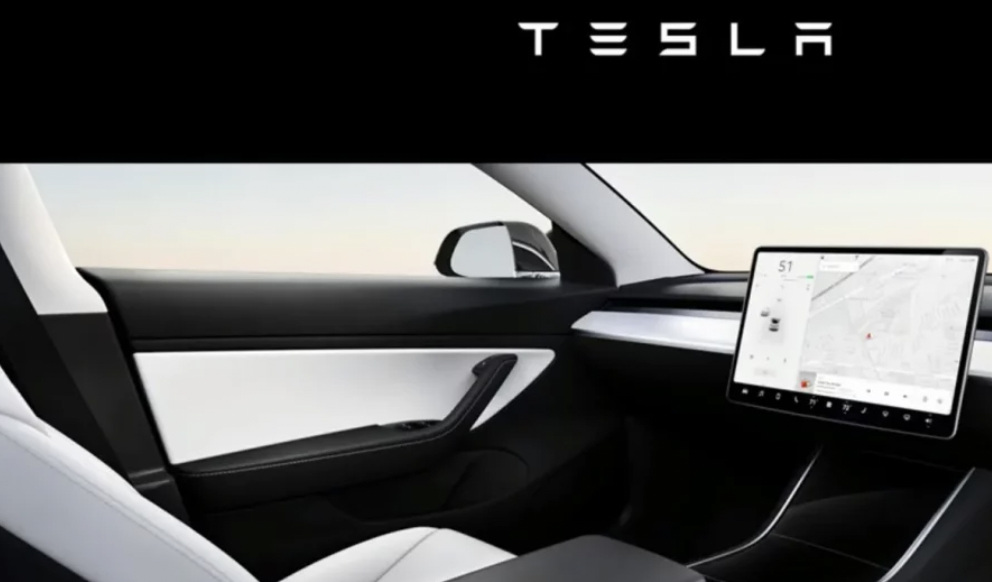
Garrett Nelson from CFRA suggests that the event is more of a spectacle than a significant milestone. Although historically optimistic about Tesla, Nelson now harbors skepticism, noting a halt in revenue and profit growth with no significant improvements on the horizon.
-
Risks and Rewards: Divided Opinions
Analysts surveyed by LSEG predict a potential 19% decline in Tesla's stock, with a price target of $210.71. Firms like Bernstein, UBS, and Guggenheim express particular pessimism, questioning the justification for Tesla's current valuation. Elon Musk's track record of unmet promises—such as full autonomy by 2018 and one million robotaxis by 2020—fuels skepticism.
-
Can Tesla Lead in Autonomy?
Bernstein rates Tesla's stock as “underperforming,” with a target price of $120, implying a 54% decline. While they believe in the eventual achievement of full autonomy, they doubt Tesla's ability to outpace competitors already advancing with Level 4 technologies. Currently, Tesla's systems operate at Level 2, requiring driver supervision.
-
Analysts' Expectations and Projections
Joseph Spak from UBS rates Tesla's stock as a “sell,” with a price target of $197. He emphasizes that widespread robotaxi implementation is unlikely in the near term, even as Tesla continues to make technological strides. Mark Delaney from Goldman Sachs acknowledges Tesla's cost advantages but suggests the need for radar technology in adverse conditions. Adam Jonas from Morgan Stanley, more optimistic, projects a target price of $310, though he questions whether the event will meet expectations.
-
The Future of Tesla: Beyond Cars?
Despite leading U.S. sales, Tesla shows signs of a slowdown in its automotive segment. In Q2, automotive revenue fell 7% year-over-year as competition intensifies. Nelson recommends a “wait and see” approach, given the high expectations and unclear medium-term growth prospects. Morgan Stanley observes the connection between Tesla and Musk's AI startup, xAI. Tesla plans to build a supercomputer named Dojo to enhance its autonomous systems. According to Jonas, “Tesla's success will hinge on its ability to develop and commercialize autonomous technologies.”
-
Will Tesla Meet Expectations?
With the “We, Robot” event looming, Tesla finds itself under the spotlight. While expectations are high, Wall Street experts are divided on whether Tesla will fulfill the promise of an autonomous future. The company has demonstrated innovative capability but has also generated skepticism due to unmet promises. Time will reveal whether the robotaxi will succeed or face further challenges.
The Future of Tesla: Challenges and Promises of Autonomous Driving
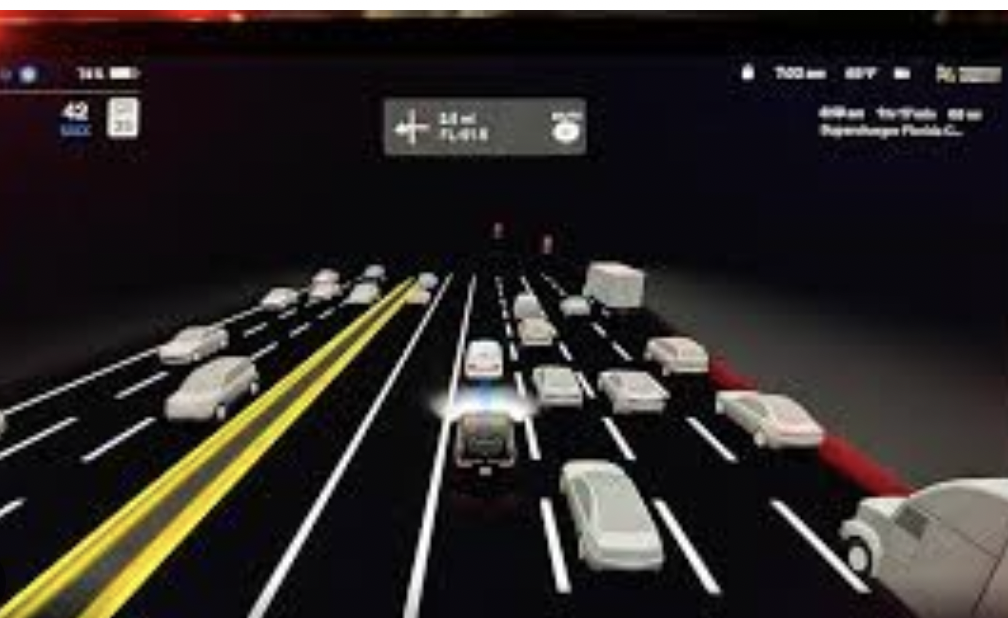
Tesla has been a leader in automotive innovation, yet it faces significant challenges in implementing its Full Self-Driving system. Below are key points and advice for investors and users interested in this technology.
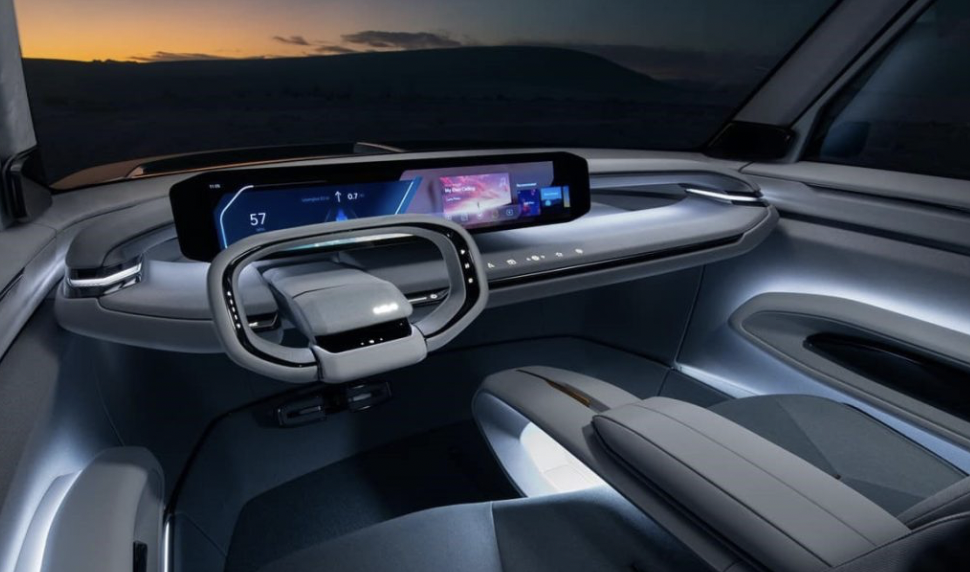
1. Fleet Management: Tesla is diving into a model akin to "Airbnb" for cars, allowing owners to rent out their autonomous vehicles. But there are some big questions about maintenance, cleaning, and insurance. Recently, Hertz sold off its Tesla fleet, highlighting operational challenges and steep repair costs.
2. FSD Safety: The safety of Tesla’s Full Self-Driving (FSD) system is under scrutiny, especially when stacked against competitors like Waymo. Frequent disconnections and a lack of clear data raise concerns about Tesla's readiness for a robotaxi service, emphasizing the need to adhere to strict safety regulations.
3. AI Investments: Massive investments are needed to push forward autonomous tech. Analysts estimate Tesla might have to throw billions into this area, which is essential for meeting market expectations and enhancing its self-driving performance.
4. Consumer Trust: Analysts like Joseph Spak and Adam Jonas stress the importance of building consumer confidence in FSD safety.
5. Capital Challenges: Spak's comparison of operating costs for a Tesla fleet highlights the need for considerable investment.
6. Performance Comparisons: Tesla must significantly improve its autonomous driving capabilities to compete with players like Waymo.
7. Market Expectations: Jonas warns about the high stakes for investors and Tesla’s obligation to deliver on its tech and business promises.
8. Regulatory Uncertainty: The unclear regulations around autonomous vehicles could delay the rollout of Tesla's FSD system.
9. Technical Challenges: Despite advancements, Tesla needs to enhance its FSD performance to stay competitive with firms like Waymo.
10. Investment Needs: The hefty costs of development in AI and autonomous technology could impact short-term profitability.

Conclusions:
Tesla stands at a crossroads between innovation and reality. The technical and financial hurdles are substantial, but overcoming them will dictate its success in the autonomous vehicle arena. Investors and consumers should stay tuned to future developments and carefully consider their involvement in this thrilling yet uncertain journey ahead.
FAQs:
-
Is it safe to use Tesla's FSD system? There are still safety concerns. Staying updated on Tesla’s security data and updates is crucial.
-
How does fleet management affect investment costs? Managing fleets can significantly raise operational costs. Evaluating these expenses is key before investing.
-
When can we expect Tesla to launch a fully autonomous robotaxi service? There’s no set date yet. Tesla is working on tech improvements but still faces regulatory and safety challenges.
Keywords: "Tesla," "autonomous driving," "Elon Musk," "fleet management," and "self-driving."
-
Infonegocios RED: 4.5 million Anglophone Latinos reading business news daily.
-
Sign Up for Free: Register and receive our newsletter by simply leaving your email and name here. (https://infonegocios.miami/suscribite-al-newsletter)

-
IG: @infonegociosmiami
