Historic unanimous decision by the Supreme Court: restored Trump to the ballot. Why?

(By Molina and Maqueda) In a historic decision, the Supreme Court unanimously restored Donald Trump to the 2024 presidential primary ballots, rejecting state attempts to ban the former Republican president over the Capitol riot. Rejecting State Attempts to Ban Him Over the Capitol Attack, the justices ruled a day before Super Tuesday primaries that states cannot invoke a post-Civil War constitutional provision to keep presidential candidates from appearing on ballots. That authority resides with Congress, the court wrote in an unsigned opinion.

Trump posted on his social media shortly after the decision: "BIG WIN FOR AMERICA!!!"

The outcome ends efforts in Colorado, Illinois, Maine, and elsewhere to kick Trump, the leading candidate for his party's nomination, off the ballot because of his attempts to overturn his 2020 election loss to Democrat Joe Biden, culminating in the January 6, 2021, attack on the Capitol.

Colorado Secretary of State Jena Griswold expressed disappointment in the court's decision, acknowledging that "Donald Trump is an eligible candidate on Colorado’s 2024 Presidential Primary."
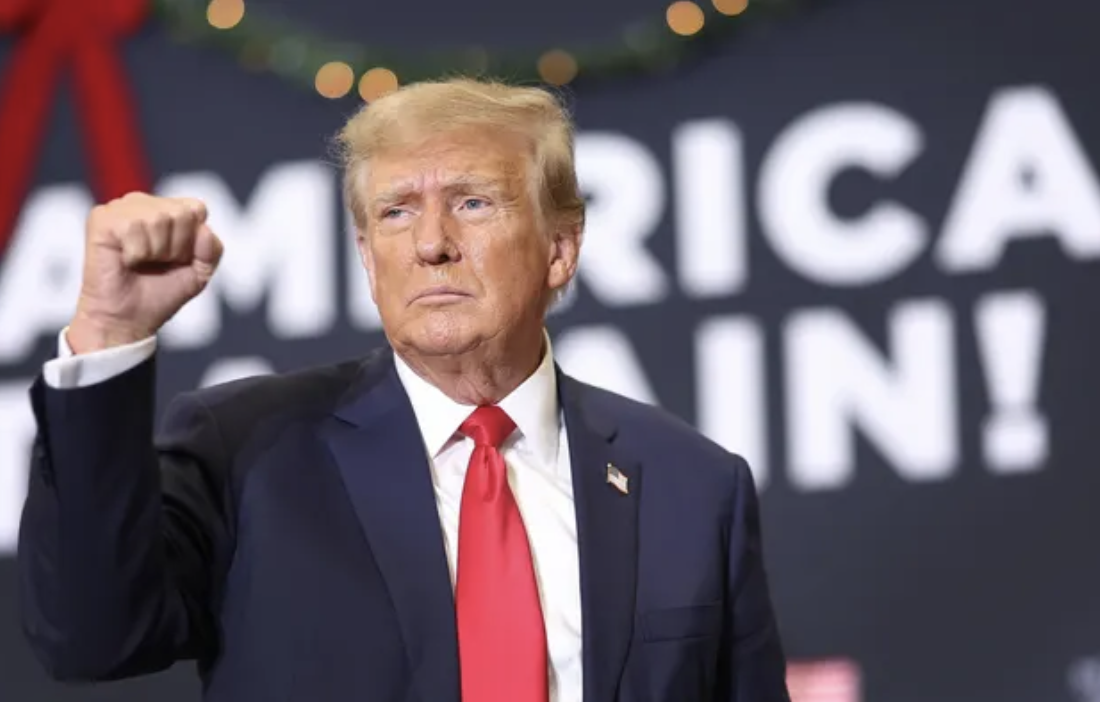
Trump's case was the first at the Supreme Court dealing with a provision of the 14th Amendment adopted after the Civil War to prevent former officeholders who "engaged in insurrection" from holding office again.

The court avoided the politically delicate issue of insurrection in its opinions on Monday, but some critics of Trump pointed to the silence on that topic as a victory of sorts because the court did not absolve him of responsibility for the Capitol riot.

Here's the key point: The justices held that states may bar candidates from state offices. "But States have no power under the Constitution to enforce Section 3 with respect to federal offices, especially the Presidency," the court wrote.

While all nine justices agreed that Trump should be on the ballot, there was strong disagreement from the court's three liberal members and a more moderate disagreement from conservative Amy Coney Barrett that their colleagues went too far in determining what Congress must do to disqualify someone from a federal office.

Justices Sonia Sotomayor, Elena Kagan, and Ketanji Brown Jackson said they agreed that allowing the Colorado decision to stand could create a "chaotic state-by-state patchwork" but disagreed with the majority's finding that disqualification for insurrection can only occur when Congress enacts legislation.

It remains to be seen whether the ruling leaves open the possibility for Congress to reject Trump's election or any other presidential candidate it deems to have violated Section 3.
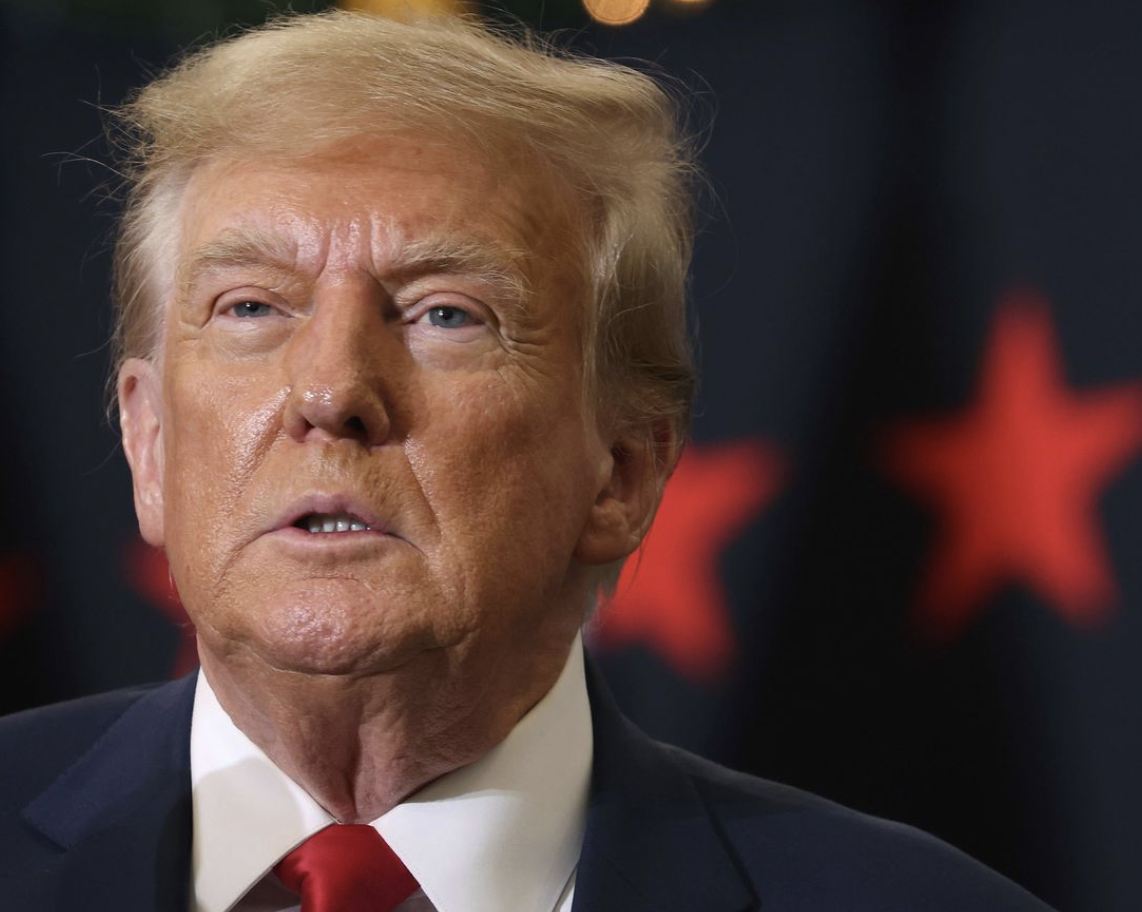
Derek Muller, a law professor at the University of Notre Dame, said "it seems not," noting that liberals complained that the majority ruling excludes any other ways for Congress to enforce the provision. Rick Hasen, a law professor at the University of California-Los Angeles, wrote that it's frustratingly unclear what the limits might be for Congress.

The arguments in February marked the first time the high court heard a case involving Section 3. The two-sentence provision, intended to prevent some Confederates from holding office again, says that those who violate oaths to support the Constitution are barred from various positions, including congressional offices or serving as presidential electors. But it does not specifically mention the presidency.

Miami se consolida como la capital global de las stablecoins (entrevista exclusiva con los fundadores de Shield, neobanco)

(Por Taylor, desde Silicon Beach y Maurizio) Mientras Wall Street observa con cautela, el corredor Miami-Latinoamérica ejecuta la disrupción financiera más significativa desde la invención de la banca electrónica. Las stablecoins dejan de ser experimento cripto para convertirse en infraestructura crítica del comercio hemisférico.

(Tiempo de lectura de alto valor: 4 minutos) (Este valioso contenido también está disponible en nuestras secciones en inglés y en portugués)

Miami Art Week 2025, la metamorfosis cultural que transformó el concepto de experiencia artística global en el mundo

(Taylor & Maurizio) Cuando el arte trasciende los museos: la semana que convierte a Miami en la capital mundial de la creatividad contemporánea, donde cruza (Crossing) todo tipo de cultura, experiencias, activaciones, phydigitalidad. Un ejemplo más que marketing, cultura, deporte, moda, show, politica, gastronomía, todo está interrelacionado.

(Tiempo de lectura de valor: 4 minutos)

MLS Cup 2025 (Inter Miami CF y Vancouver Whitecaps): ya llega la final que redefine el fútbol continental

(Por Ortega) El epicentro neurálgico del fútbol norteamericano se prepara para su catarsis más esperada: la final que trasciende las fronteras del entretenimiento deportivo. El sábado 6 de diciembre de 2025, a las 3:30 pm hora del Este, no será simplemente un partido: será la materialización de tres décadas de construcción de un ecosistema futbolístico que desafía los paradigmas establecidos del deporte global.

(Tiempo de lectura de valor: 4 minutos)

La adquisición del siglo: Netflix compra Warner Bros. y HBO (reimaginado el futuro del universo, crossing y phydigital, del entretenimiento)

(Por Maqueda, Taylor y Maurizio) Una jugada estratégica que redefine la industria, y todas las industrias, desde Hollywood, Miami, Usa, el mundo: claves técnicas, implicaciones creativas y 15 tips para entender de manera rápida la megafusión que sacude los cimientos de los medios. ¿Por qué esta adquisición es espejo de una cambio total de visión de negocios, cultura de marca y apuestas “económicas -culturales” a largo plazo. 

(Tiempo de lectura de valor: 4 minutos)