The Miami Annual Report offers a detailed and insightful view of South Florida's real estate market, providing invaluable guidance for those seeking to understand and capitalize on opportunities in this vibrant region. Here's a super concise summary for you to use, share, and debate.
Present and Future of Miami:
The future of Miami's real estate market remains promising, with solid demand and constant adaptation to the changing needs of buyers. With an evolving economic and political landscape, Miami continues to be a desired destination for investors and residents alike.
The Twist of the "Field of Dreams":
This year's Miami Report challenges the old adage of "if you build it, they will come." Instead, the data sends a clear message: buyers are still investing, so developers should build more and do it now.
Report Highlights:
-
Condo Inventory: Although condo inventory in Miami is on the rise, the market leans towards older properties. Surprisingly, 78% of active listings are condos over 40 years old, while only 5% were built in the last decade.
-
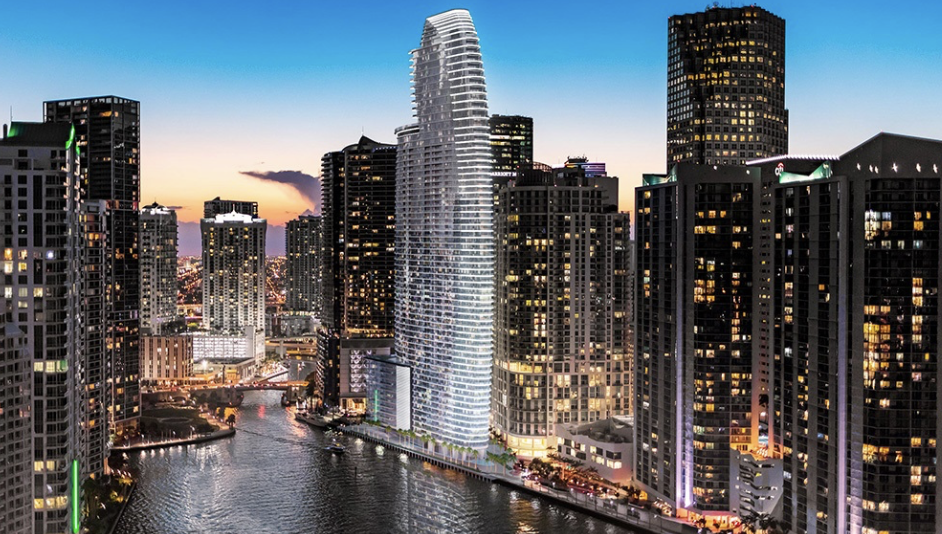
Short-Term Rentals: Buildings dedicated to short-term rentals are gaining popularity, with a third of planned condo developments aimed at this purpose.
-
Single-Family Homes: An overwhelming majority (85%) of single-family home sales fall in the $500,000 to $1.5 million price range, reflecting a solid market in this category.
-
Sunshine State Attraction: Florida remains a magnet for US companies, with a 52% increase in the number of companies committed to Miami compared to the previous year.
Key Points:
-
South American Buyers: With currency depreciation in Latin America, buyers are looking to diversify their investments in the strong US dollar. Additionally, the shift in power in the US, with Jerome Powell wielding significant influence over the economy, has impacted investment decisions.
-
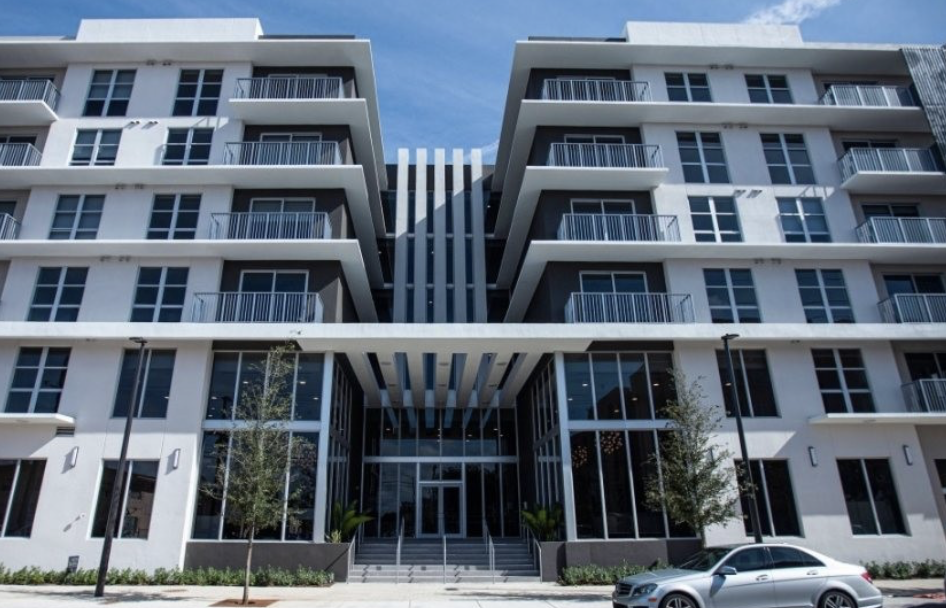
Condo Market: Despite the increase in inventory, prices of newer condos continue to rise, indicating a robust market and steady demand.
-
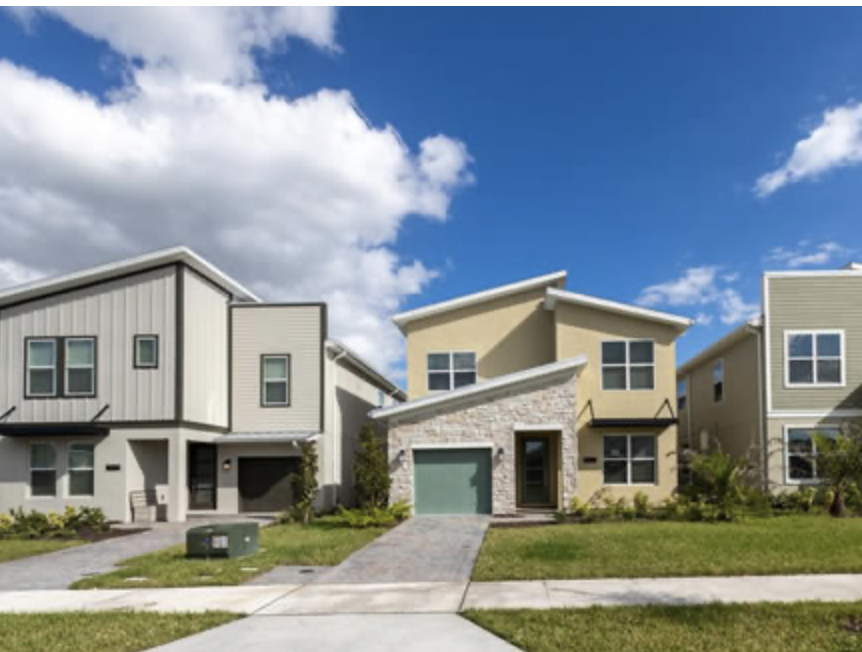
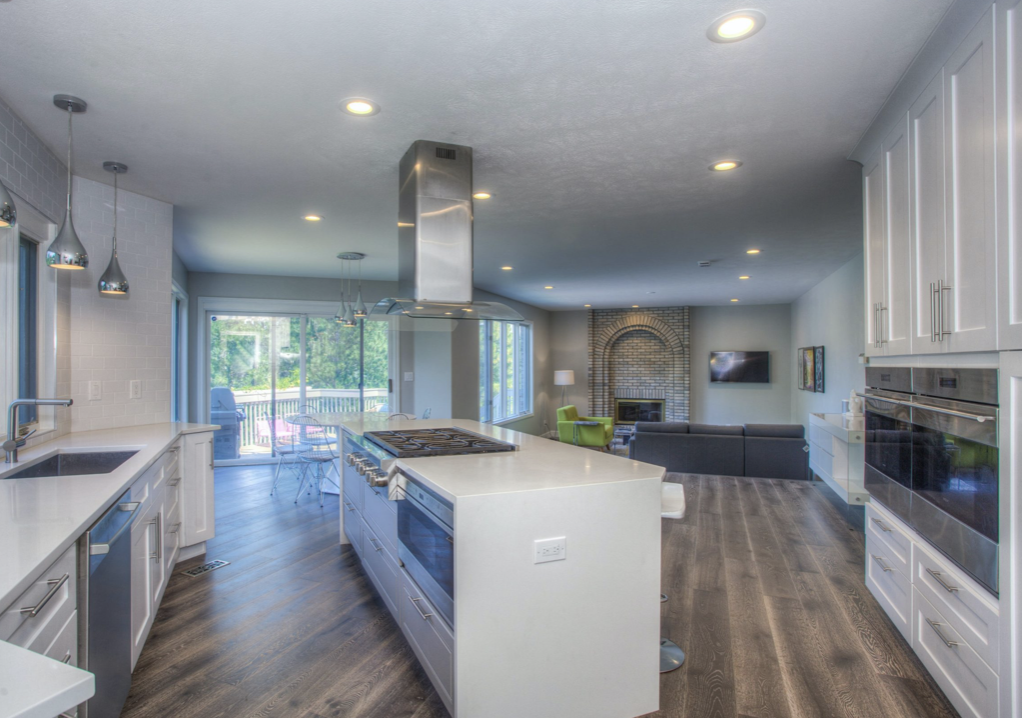
Single-Family Home Market: Single-family homes remain an attractive option for buyers, with prices and demand steadily increasing.
-
Construction and Development: There is an uptick in construction of traditional condos and short-term rentals, signaling market expansion and adaptation to buyers' new demands.
-
Luxury Market: Luxury properties, especially waterfront condos, experience steady growth in transactions and average sale prices, attracting high-net-worth investors.