
Summary and Tips
In this article, we will explore:
-
The electoral victories of Donald Trump and Kamala Harris across various states.
-
Insights into voter behavior and regional trends.
-
Key takeaways and actionable tips for understanding the implications of these results.
Tips to Remember:
-
Stay Informed: Follow reputable news sources to understand ongoing political developments.
-
Engage Locally: Participate in community discussions about local and national politics.
-
Analyze Trends: Look beyond the surface; understand the demographic shifts and their implications.
The Electoral Landscape: A Closer Look at the States
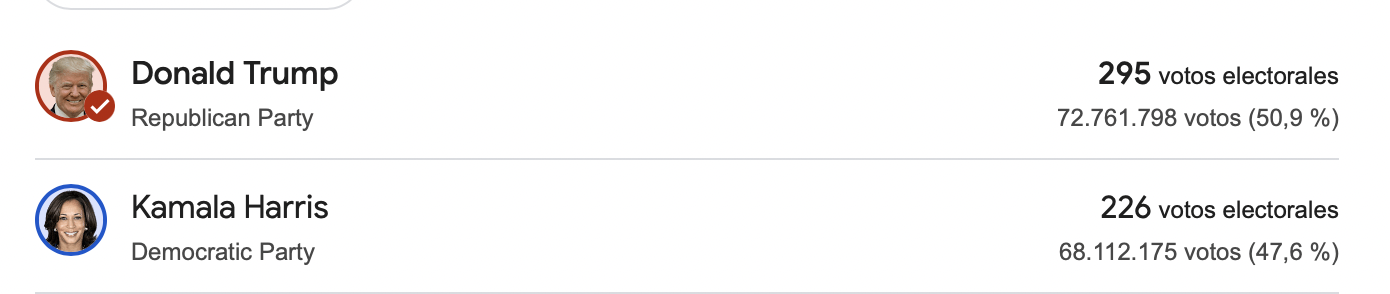
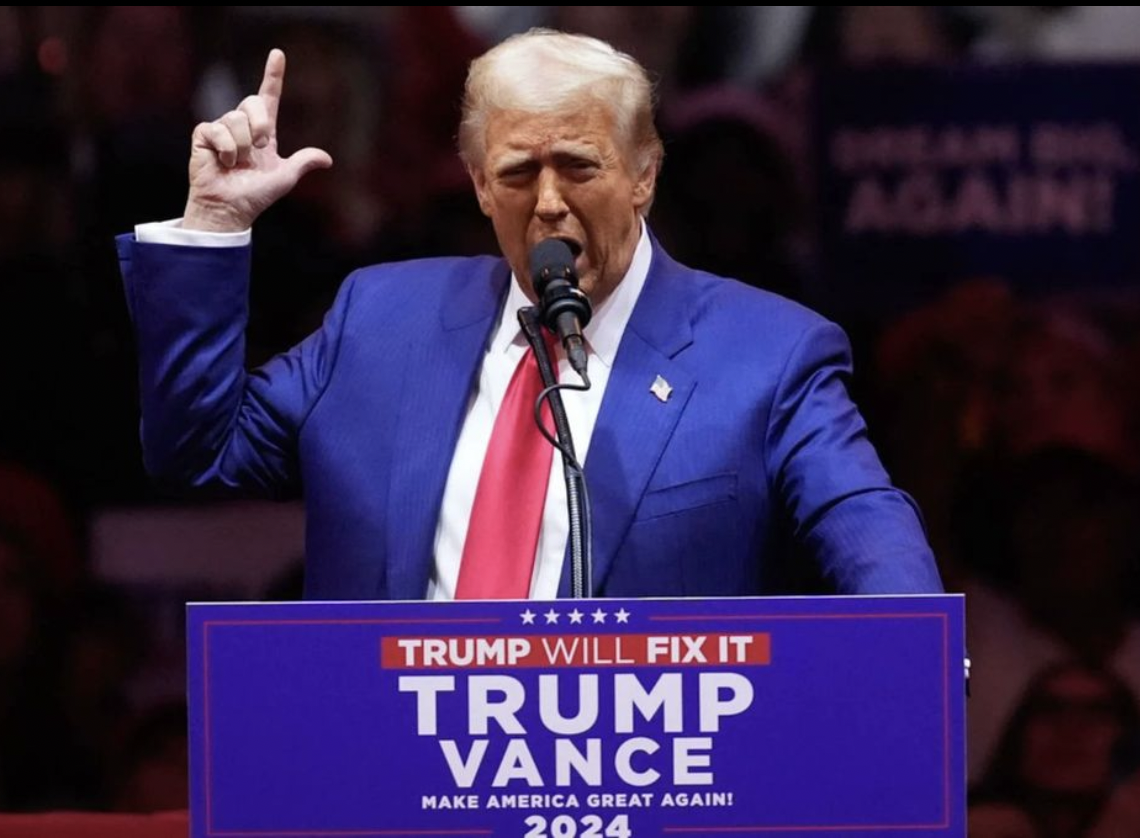
"Trump returns to the presidency after securing a majority of the states and surpassing the 270 electoral votes needed." The 2024 election results reveal a striking dominance of the Republican Party in crucial battleground states.

Key Victories for Donald Trump
Trump’s triumph was not merely a victory but a strategic assertion of influence in pivotal states such as:
-
Florida (30 electoral votes): "This state has long been a bellwether, and Trump's win here reinforces its status as a Republican stronghold."


-
Georgia (16 electoral votes): "Despite recent trends leaning Democratic, Trump's appeal resonated deeply with Georgia voters, showcasing a resurgence of conservative values."
-
Wisconsin (10 electoral votes): "A critical state for both parties, Wisconsin’s support for Trump signals a shift back to traditional Republican ideologies."
These wins highlight a broader trend of increasing support for Republican candidates in regions previously considered toss-ups.


IG: @infonegociosmiami
Donald Trump 👍
-
Michigan (15)
-
Wisconsin (10)
-
Texas (40)
-
Florida (30)
-
Pensilvania (19)
-
Ohio (17)
-
Carolina del Norte (16)
-
Georgia (16)
-
Tennessee (11)
-
Indiana (11)
-
Misuri (10)
-
Alabama (9)
-
Carolina del Sur (9)
-
Kentucky (8)
-
Luisiana (8)
-
Oklahoma (7)
-
Arkansas (6)
-
Utah (6)
-
Iowa (6)
-
Kansas (6)
-
Misisipi (6)
-
Montana (4)
-
Virginia Occidental (4)
-
Idaho (4)
-
Dakota del Norte (3)
-
Wyoming (3)
-
Dakota del Sur (3)
-
Nebraska (3 delegados)
Kamala Harris's Strongholds
Despite Trump’s victories, Kamala Harris maintained strong support in traditionally Democratic states:
-
California (54 electoral votes): "As the most populous state, California’s overwhelming support for Harris underscores its progressive values."
-
New York (28 electoral votes): "New York's urban centers continue to champion Democratic ideals, reflecting the state's cultural diversity."
-
Illinois (19 electoral votes): "Harris’s victory here emphasizes the importance of urban populations in shaping electoral outcomes."
-
California (54)
-
Nueva York (28)
-
Illinois (19)
-
Nueva Jersey (14)
-
Washington (12)
-
Massachusetts (11)
-
Minnesota (10)
-
Maryland (10)
-
Colorado (10)
-
Oregón (8)
-
Connecticut (7)
-
Nuevo México (5)
-
Hawái (4)
-
New Hampshire (4)
-
Rhode Island (4)
-
Vermont (3)
-
Delaware (3)
-
Distrito de Columbia (3)
-
Main
The dynamics of these states reveal the ongoing cultural and ideological battles within the United States.

Voter Behavior and Psychological Insights
Understanding voter behavior is crucial in deciphering electoral outcomes. "Recent studies in neuroscience and behavioral economics suggest that emotions play a pivotal role in political decision-making." Voters are often influenced by:
-
Identity Politics: "Many individuals vote in alignment with their social identities, whether that be race, ethnicity, or economic status."
-
Media Influence: "The saturation of social media has transformed political campaigns, as candidates engage with voters on platforms where they feel most comfortable."
-
Fear and Hope: "Messages that evoke strong emotions, whether fear of losing progress or hope for a better future, can significantly sway voter sentiment."

Engaging the Electorate
Political campaigns must now consider the psychological underpinnings of their audiences. "Engagement strategies that resonate emotionally are more likely to foster loyalty and drive voter turnout."
Implications for the Future
The 2024 elections serve as a crucial indicator of where American politics may be headed. "With Trump back in office, we can expect a continuation of policies that prioritize conservative values and economic growth." However, the landscape remains fraught with challenges:
-
Polarization: "The divide between red and blue states may deepen, leading to increased tensions and potential legislative gridlock."
-
Demographic Shifts: "As younger, more diverse voters become a larger part of the electorate, how parties adapt to these changes will be pivotal."
-
International Relations: "Trump's foreign policy approach may reshape the U.S.'s role on the global stage, affecting everything from trade agreements to climate change initiatives."
Conclusions
The 2024 U.S. elections have painted a complex picture of American society, revealing both the challenges and opportunities that lie ahead. "As we reflect on these outcomes, it’s essential for citizens to stay engaged and informed." The political landscape will continue to evolve, and understanding these dynamics will be critical for navigating the future.
Frequently Asked Questions (FAQs)
Q: What were the key states that Trump won in the 2024 elections?
A: Trump secured victories in states such as Florida, Texas, and Pennsylvania, which were crucial for his electoral success.
Q: How did Kamala Harris perform in the elections?
A: Harris won in traditionally Democratic states like California and Illinois, showcasing strong support in urban areas and among diverse populations.
Q: What factors influenced voter behavior in the 2024 elections?
A: Voter behavior was significantly influenced by identity politics, media narratives, and emotional appeals, which shaped how individuals connected with candidates.
Q: What does the polarization of states indicate for the future of U.S. politics?
A: The growing divide between red and blue states may lead to increased legislative challenges and social tensions, emphasizing the need for dialogue and compromise.
Q: How might Trump’s return to office affect international relations?
A: Trump’s foreign policy is likely to prioritize America-first strategies, which could alter trade agreements and diplomatic relations globally.

-
Infonegocios RED: 4.5 million Anglophone Latinos reading business news daily.
-
Sign Up for Free: Register and receive our newsletter by simply leaving your email and name here.
-
Contacts: juan.maqueda@onefullagency.com or marcelo.maurizio@onefullagency.com
