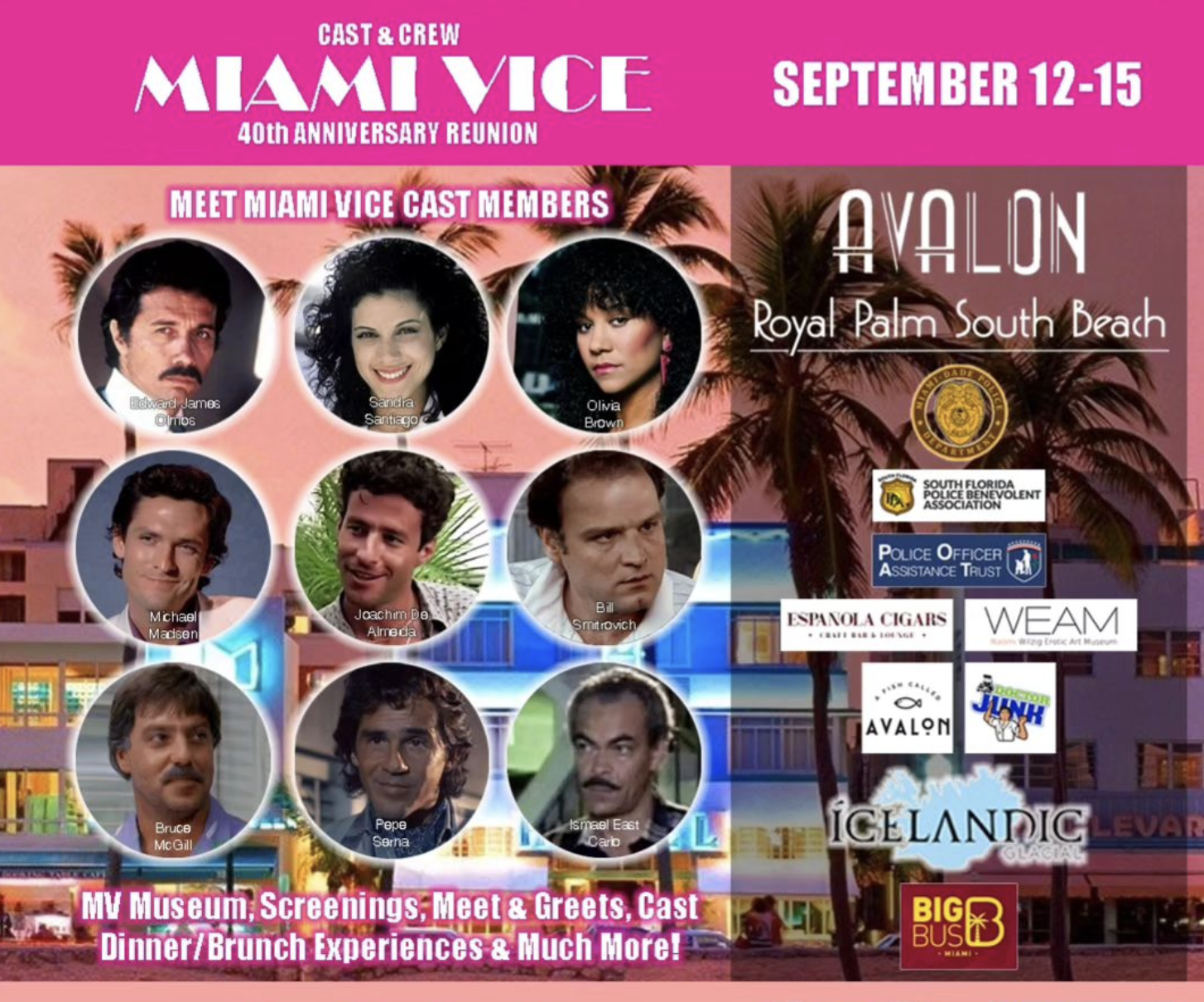
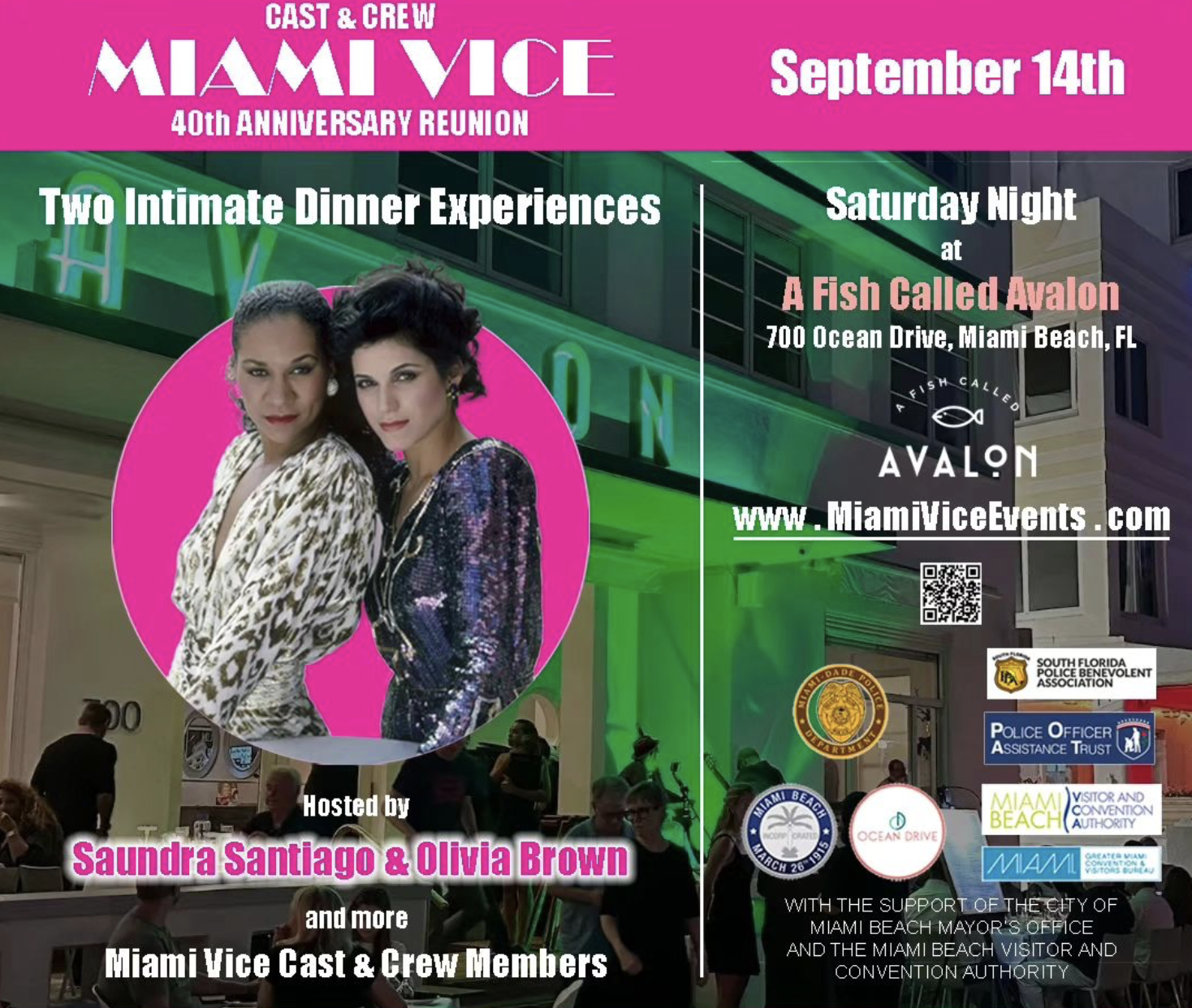
Celebrate the 40th anniversary of MIAMI VICE:
Tips IN
The white Ferrari Testarossa: A symbol of Miami Vice with a hidden story.
Stunt double: The De Tomaso Pantera transformed into a Ferrari for action scenes.
The legacy of Miami Vice: How the series and its iconic car influenced the automotive culture of the era.
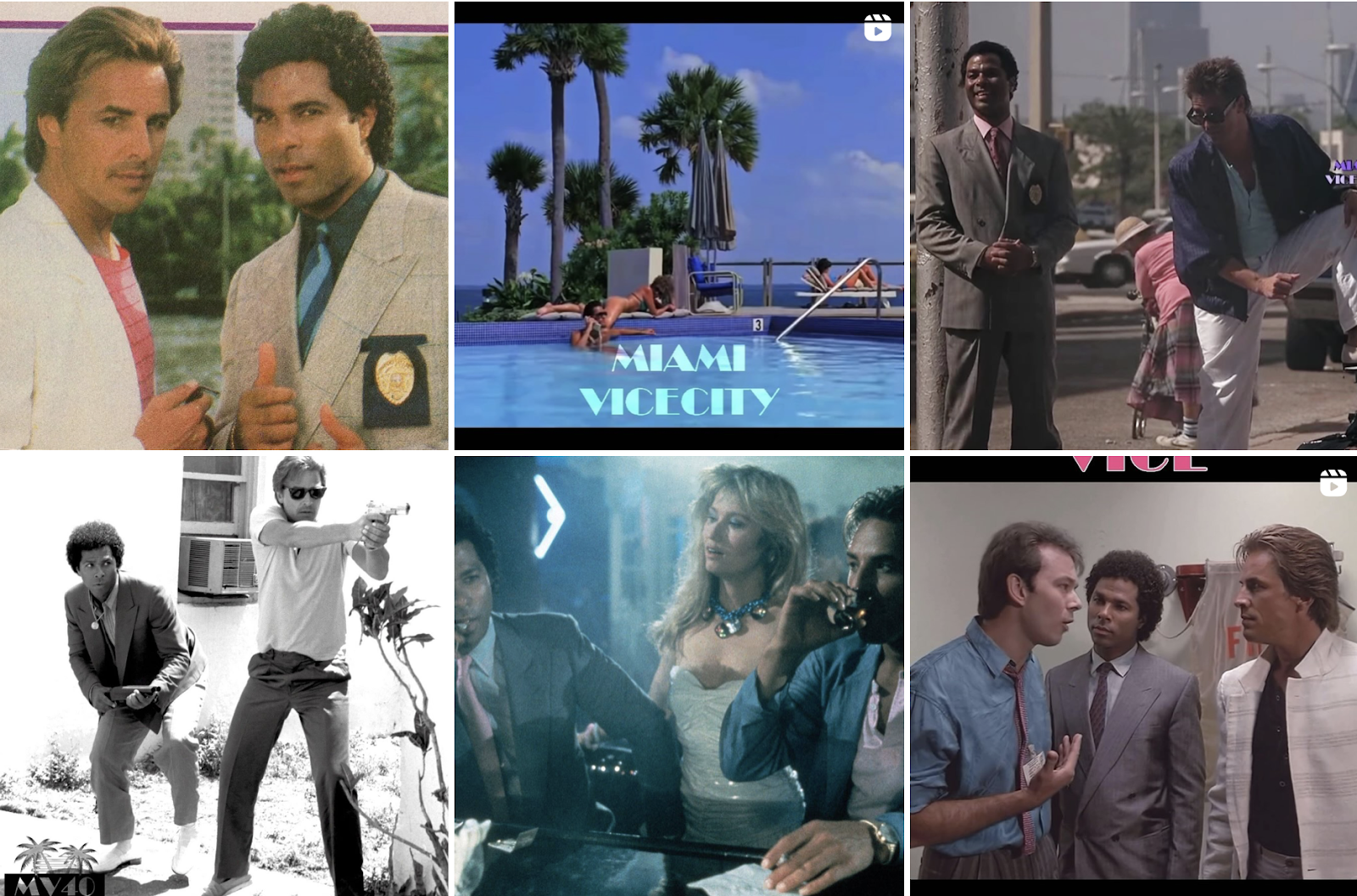
Aired from 1985 to 1990, Miami Vice (in the USA a year before its start and end) was not only a milestone in terms of storytelling and aesthetics, but it also revolutionized the way audiences perceived cars. With iconic cinematography, each episode often featured one or two music video-style segments, with each episode's director striving to leave their interpretation of the essence of Miami Vice and create a memorable clip set to some iconic theme of the moment.
-
Thus, the series enjoyed not only broadcast exposure but thousands of plays on screens in bars, studios, nightclubs, fashion, sports, car, travel shows, on radios, and of course in music broadcasts.
-
Miami Vice knew about crossing 40 years before the current boom of that strategy.
-
Check out one of the most emblematic music videos in TV and music history, and of course, of cars.
The series followed two detectives in their fight against drug trafficking, immersed in a world of luxury, music, and action. The white Ferrari Testarossa became a symbol of this lifestyle, but its story is more intricate than it appears at first glance.
The Arrival of the Testarossa
Initially, Sonny Crockett drove a modified Chevrolet Corvette C3 meant to look like a Ferrari 365 GTB/4 Daytona. This replica, while visually striking, was a shadow of what Ferrari truly represented.
Upon learning that its iconic model was being fraudulently used, Enzo Ferrari, the brand’s founder, decided to take action. In a fit of rage, he sued the creators of the series and, as a result, sent two authentic Testarossas to be used in the show. One of the first to realize this was none other than “il Commendatore,” who, furious at seeing his name associated with the replica, proceeded to sue the manufacturers of the fake. From this lawsuit emerged the arrangement that ultimately brought not one, but two examples of the then-new Testarossa to the hit series.
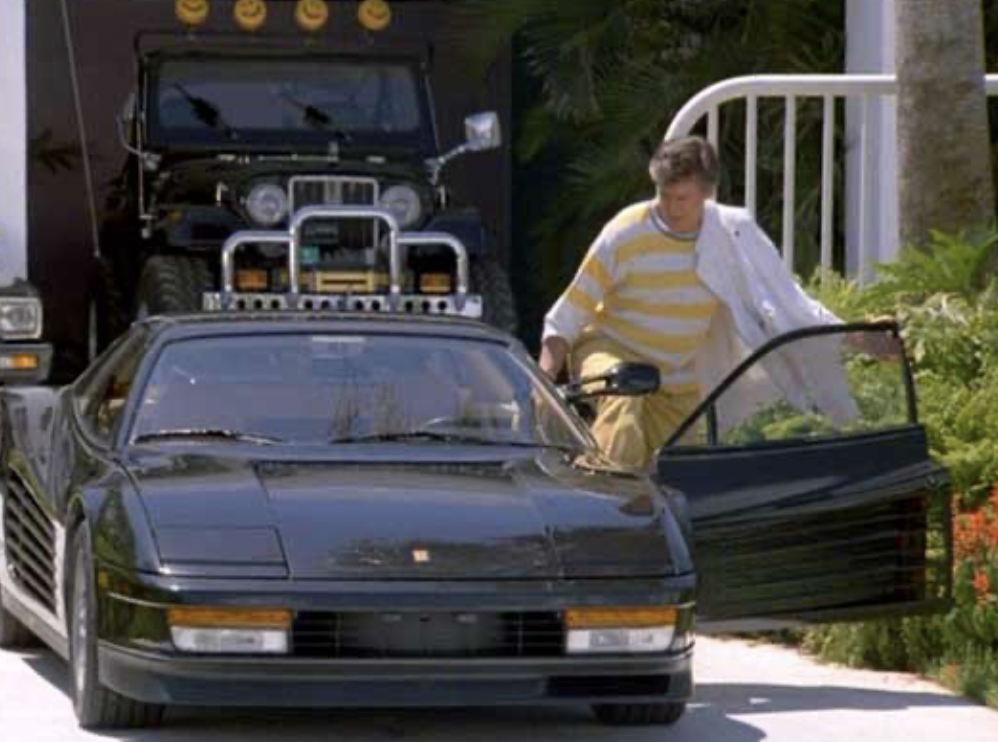
What few people know is that both Testarossa examples were not white but black, like the Corvette C3-based Daytona replica initially used. After testing them, they decided to paint them white because the sculpted black body of the Testarossa didn’t show up properly in night scenes. Therefore, the famous Testarossa from the series was actually not white but black, appearing briefly in this color in the first episode it featured.
Ferrari's decision to provide their cars was not just a brand defense act; it was also a marketing strategy. The Testarossa had already been on the market since 1984, and its appearance in such a popular series was an invaluable promotional opportunity.
The Transformation of the Stunt Double
The Miami Vice production team understood that chases and stunts required a stunt double. This is where the 1972 De Tomaso Pantera came into play. While at first glance the Pantera and Testarossa might seem similar, the differences were notable. The Testarossa is lower, wider, and has an aesthetic design that clearly distinguishes it from the Pantera.
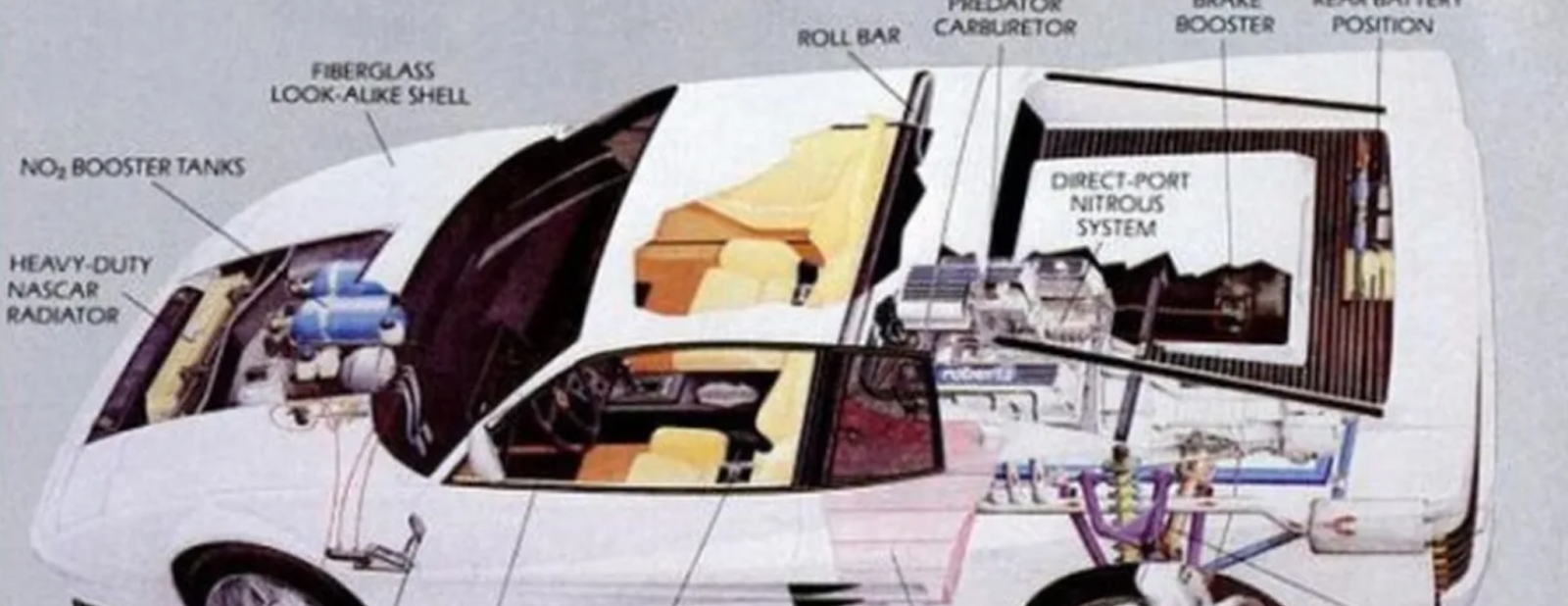
To make the transformation, the production turned to Robert Motors Co., specialists in automotive modifications. Starting with a Pantera that had 19,300 kilometers, they built a fiberglass body that mimicked the Testarossa. This decision was not only aesthetic; significant mechanical and structural adjustments were also made.
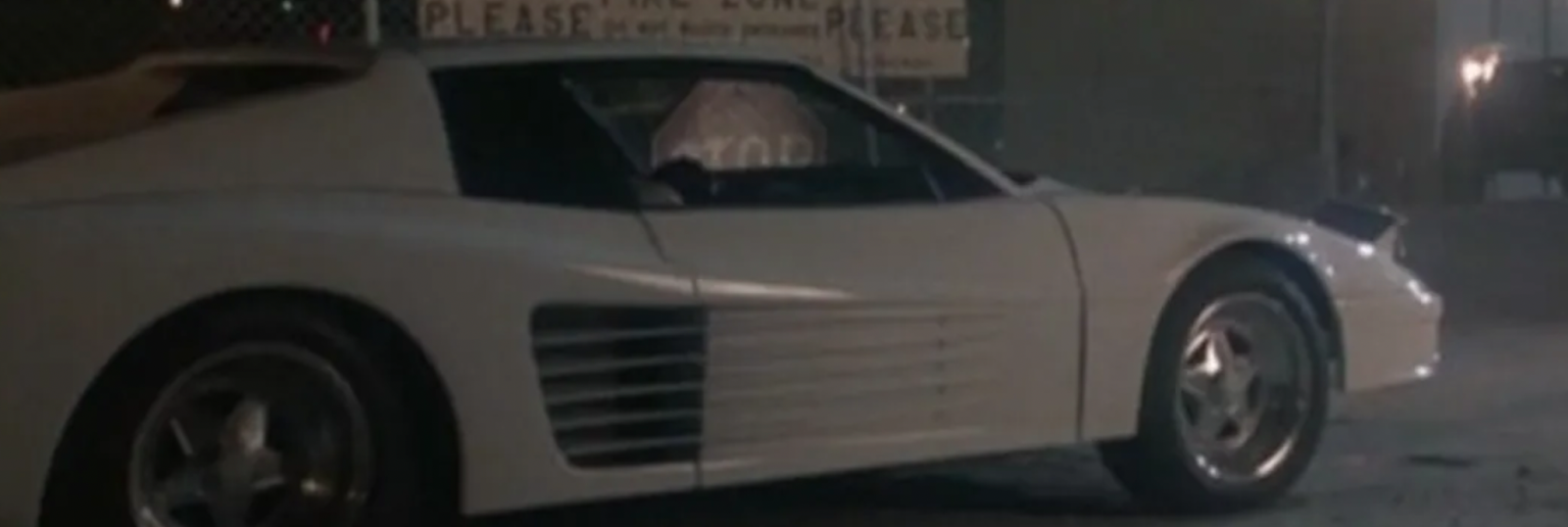
The transformation wasn’t just cosmetic, as the Pantera received a roll cage, hidden behind the seats and in the engine area.
The steering wheel was removable, and a racing fuel tank was added for greater safety. The entire front section of the body was designed as a single piece to allow easier access and simpler repairs in case of impact.
Technical and Mechanical Innovations
The original Pantera was equipped with a 351 cubic inch (5.7 liters) Cleveland V8 engine capable of generating around 300 horsepower. However, for the action scenes, it was deemed necessary to increase its power. Thus, a high-performance carburetor and a nitrous oxide system were added, providing an extra boost of up to 100 horsepower during critical moments.
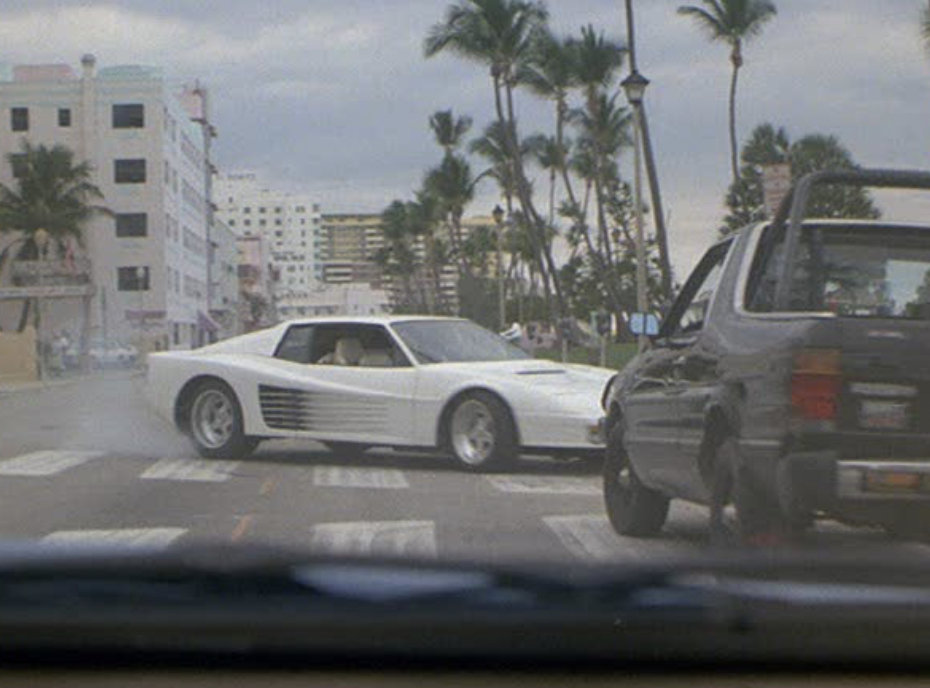
Additionally, the Pantera was modified to include a roll cage and an improved braking system, allowing for more agile handling during stunts. This attention to detail enabled the stunt double to perform high-speed maneuvers without compromising driver safety.
The Symbolism of the White Testarossa
The white Testarossa of Miami Vice became a pop culture symbol, associated not only with the series but also with an era of excess and glamour in Miami. The choice of white was strategic; it not only stood out on the vibrant streets of Miami but also symbolized an aspirational lifestyle.
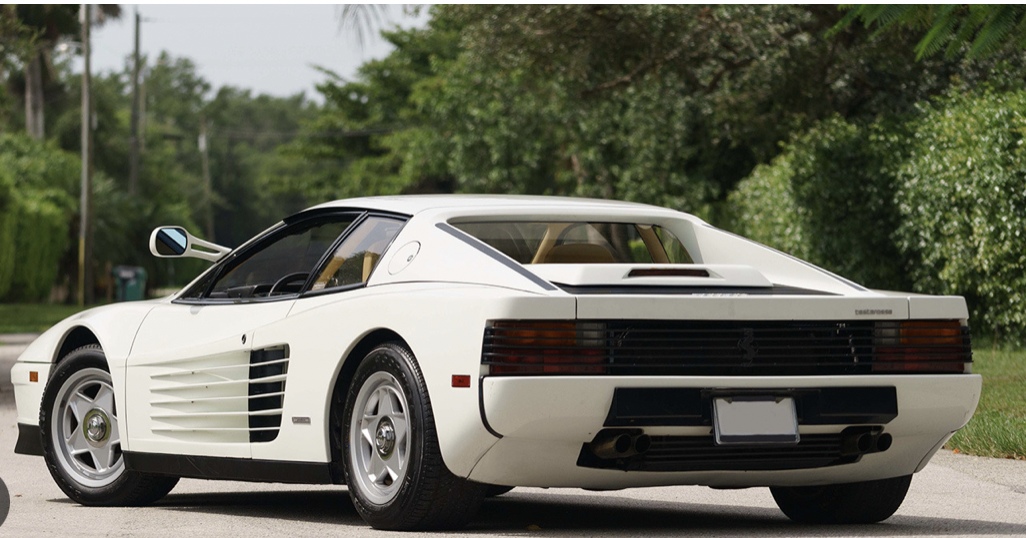
Throughout the series, the Testarossa became a character in its own right, appearing in memorable chase scenes that kept audiences on the edge of their seats.


-
Registrate sin cargo, y recibe el newsletter solo dejando tu mail y nombre aquí.
-
Sign Up for Free: Register and receive our newsletter by simply leaving your email and name here. (https://infonegocios.miami/suscribite-al-newsletter)

-
IG: @infonegociosmiami
Infonegocios RED: 4.5 Millones de anglolatinos leyendo diariamente las noticias del mundo de los negocios
Infonegocios RED: 4.5 million Anglophone Latinos reading business news daily.
Contacts: marcelo.maurizio@onefullagency.com or juan.maqueda@onefullagency.com
