United States and Conmebol receive harsh criticism for poor organization in the Argentina vs Colombia final, the 10 key tips that the organization must improve

(By Diego Canepa, special coverage, for the entire Infonegocios network) In a final that promised to be epic between Argentina and Colombia in the 2024 Copa America, the delay in the start of the match has uncovered a series of criticisms directed towards the organizers. The poor access control to the stadium has been the subject of strong questioning by users on social media, specialized media, and opinion leaders, who have called into question the capabilities of Conmebol and the US authorities in charge of logistics.

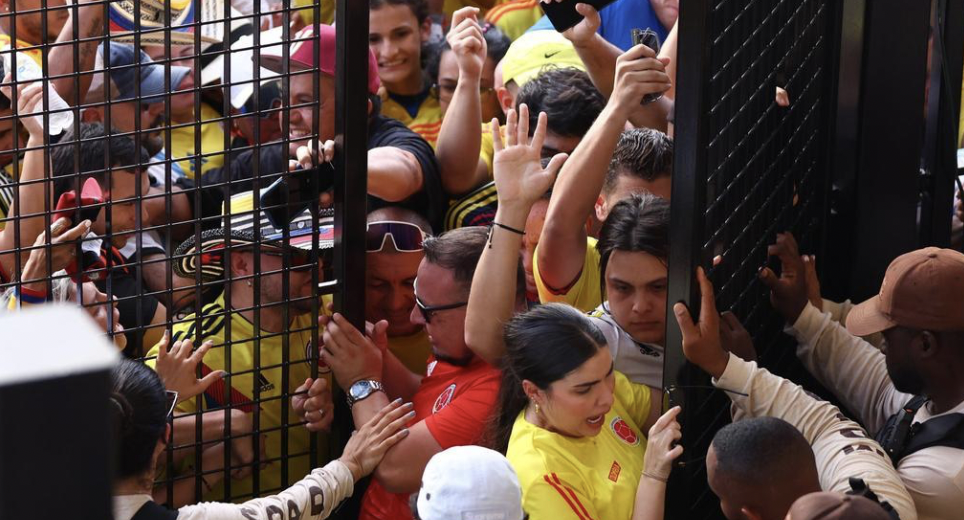
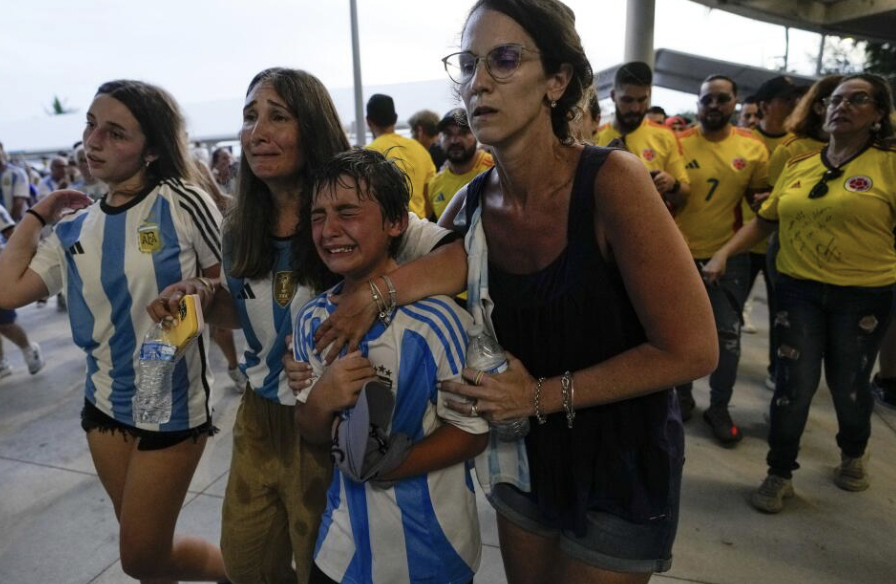
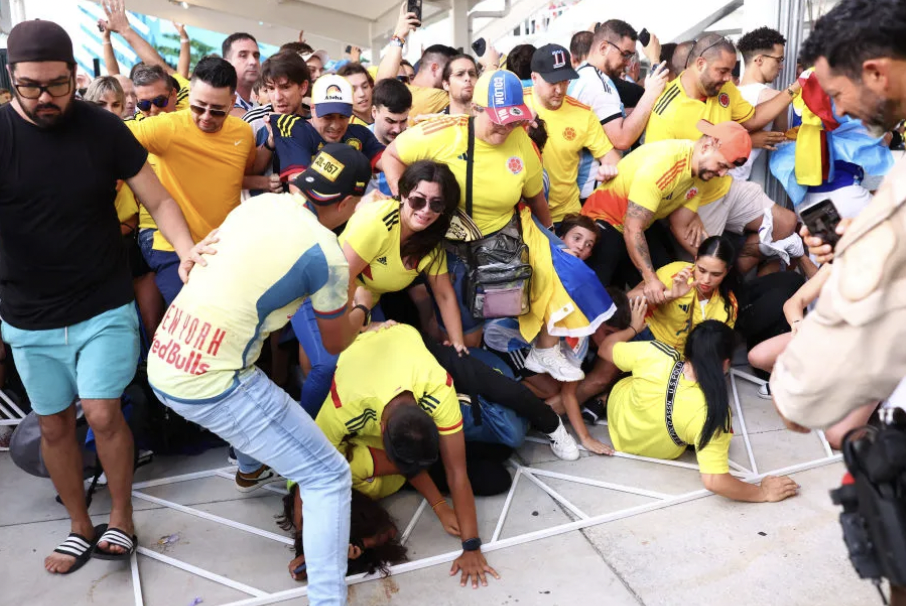
The incidents during the entry of fans to the Hard Rock Stadium, where some ticketless fans managed to force their way in, led security personnel to halt the entry of any person until resolving the situation caused by those who sneaked in. The scarce presence of local police officers to ensure security and proper access control has been heavily criticized, highlighting a lack of planning and coordination in such a large-scale event.
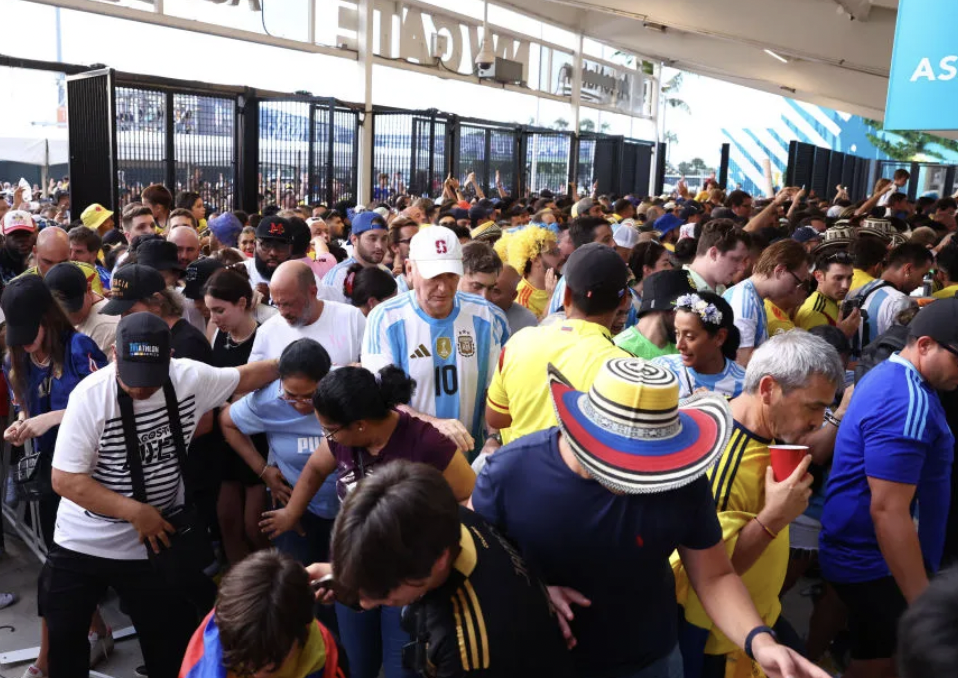
The shocking images that went viral on social media, showing people being assaulted by security personnel and others being pushed in the midst of chaos, have sparked a call for attention to the organizational deficiencies just two years before the 2026 World Cup, which will have the United States as the host country in most venues. Alejandro Domínguez, president of Conmebol, has been the target of criticism not only for what happened before the final, but also for a series of questionable decisions in the organization of the tournament, leading to demands for his resignation on social media.
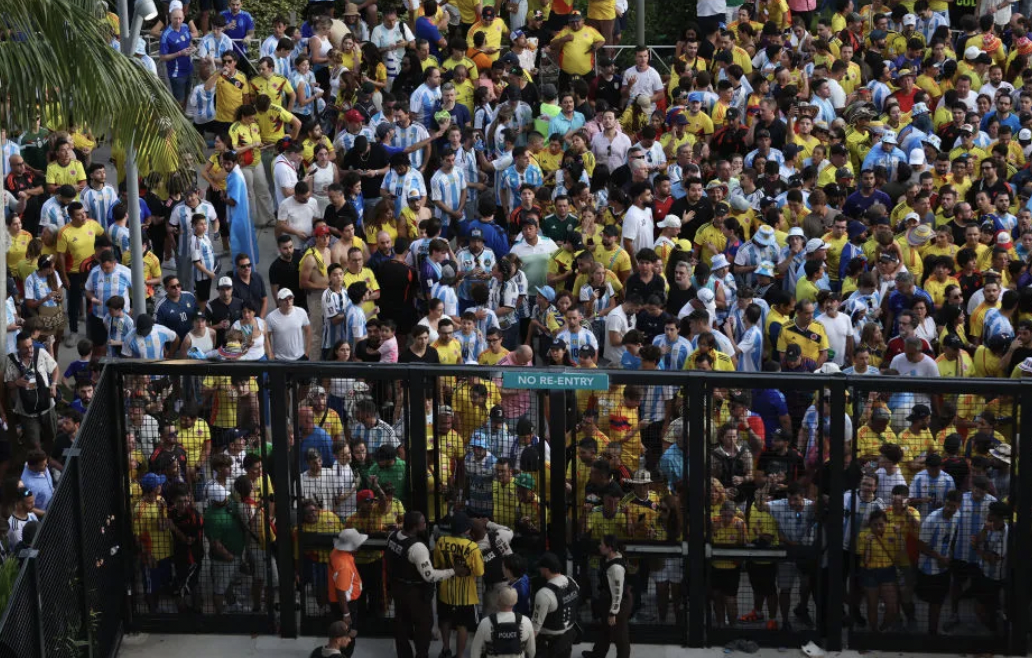
The lack of coordination and planning became even more evident minutes before the kickoff, with the stadium packed but videos circulating online showing fans with tickets left outside the venue, highlighting the poor organization of both Conmebol and the host country at a crucial moment in the competition.

Key learnings the organization should consider:

Improve access control to the stadium to prevent chaotic situations and ensure the safety of attendees.

  1. Three-level fences in three circles are essential to reduce crowds.
  2. Increase the presence of local police officers in quantity to form an effective security perimeter and prevent the entry of ticketless individuals.
  3. Strengthen coordination between security personnel and hired private security to ensure efficient access control.
  4. Implement preventive measures to avoid incidents of aggression and pushing among attendees. This also requires a much greater presence of security in high-concentration areas.


  1. Prioritize planning and logistical coordination in large-scale sporting events to avoid setbacks and unfavorable situations.
  2. Learn from the mistakes made on this occasion to improve the organization of future tournaments and sporting events.
  3. Never again leave all stadiums available only for matches, one month in advance, with natural grass.
  4. Provide all teams with equipped training facilities, available and always assisted for all teams.
  5. Understand that in football, people experience it in the streets. Require each national team's organization to have their fan zones, away from high-concentration areas, where different fan groups can mingle, but understand that incidents can occur and there should be a significant police and assistance presence for health, hydration, etc.


  1. To organize a Copa America, a Club World Cup, a World Cup, it is necessary to work with all the main actors of the national teams to coordinate well in advance and moment by moment a series of actions beyond the sporting aspect of this passion.
Diego Cánepa

@diecanepaok


Superstar 2.0: Adidas Originals reescribe la cultura streetwear con una hiper campaña global que trasciende el fútbol (Miami queda fascinada)

(Por Maurizio y Maqueda) Campaña cinematográfica dirigida por Thibaut Grevet y protagonizada por figuras globales de música, moda y deporte: Samuel L. Jackson (narrador), Kendall Jenner, Jennie de BLACKPINK, Lamine Yamal, Baby Keem, James Harden, Tyshawn Jones y Olivia Dean.

(Lectura de valor, 4 minutos de lectura, material idea para compartir)

El mundo analiza el “algoritmo Messi”: cómo Inter Miami convirtió un 0-2 en un éxito en todo sentido (el verdadero negocio es la remontada)

(Por Ortega - desde Orlando -, con Maurizio) En la MLS 2026, ganar un clásico no es solo sumar tres puntos: es dominar la conversación. Y eso fue exactamente lo que hizo Inter Miami en Orlando: pasó de un 0-2 en media hora a un 4-2 que reescribe el Clásico de Florida y, sobre todo, deja una señal estratégica para toda la liga

(Lectura de valor, 4 minutos de lectura, material idea para compartir)

La mansión del futuro: te mostramos de forma exclusiva el interior de la nueva residencia de Zuckerberg y Chan en Miami

(Por Taylor, con la colaboración de Vera y Maurizio) Te mostramos el diseño más rupturista y fusión que hayas visto. La reciente adquisición de Mark Zuckerberg y Priscilla Chan de una mansión en construcción en Indian Creek Island ha puesto a todos los ojos sobre el mercado inmobiliario de lujo en Miami. 

(Lectura de valor, 4 minutos de lectura, material idea para compartir)

F1 2026: el laboratorio estratégico que comienza en Australia, ¿Qué equipos llegan mejor?

(Por Maqueda, OneF1 y Maurizio) Este fin de semana, mientras el sol sale sobre Albert Park en Melbourne, algo mucho más profundo que una carrera de autos comienza en la Fórmula 1. El Gran Premio de Australia abre la temporada 2026 del campeonato mundial y, con él, se activa el sistema de innovación más sofisticado del deporte global.

(Lectura de valor, 4 minutos de lectura, material idea para compartir)

Expansión de categorías: la única forma de generar valor y experiencias relevantes hoy

(Por MBA- Maximiliano R. Otero, junto con M. Maurizio) En el dinámico panorama empresarial actual, la expansión de categorías y la creación de modelos de negocio diversificados son esenciales para el éxito. Marcas líderes como la Fórmula 1 y Stranger Things han entendido que el futuro del marketing va más allá de los productos individuales; se basa en la creación de un universo de experiencias que resuenan profundamente con los consumidores. 

(Lectura de alto valor estratégico, 4 minutos; ideal para compartir)

¿Qué es la revolución del Brand Stretching? Las marcas se transforman en universos-ecosistemas culturales

(Por MBA- Maximiliano R. Otero, junto con M. Maurizio) Casos emblemáticos: Lego, Ferrari, Red Bull, Adidas, Stranger Things y F1 demuestran que el crecimiento rentable se logra expandiendo horizontes de marca a través de extensiones de estilo de vida, licencias, colaboraciones estratégicas y experiencias phygital.

(Lectura de alto valor estratégico, 4 minutos; ideal para compartir)

Coca-Cola Argentina lanza latas Mundial 2026 que arrasan entre los hinchas y los kioscos (y contesta a Coca-Cola Brasil)

(Por Maqueda y Maurizio) A 100 días del mundial, las marcas tienen que hacer mucho más que otros mundiales, las que sean sponsor y las que no. Coca-Cola Argentina (algo así como la Coca Cola campeona del mundo), tiene una gran responsabilidad, acaba de lanzar una edición limitada de 5 latas coleccionables para conmemorar el Mundial 2026, con un diseño que fusiona el clásico rojo de la marca y grafismos en azul y blanco.

(Lectura de valor, 4 minutos de lectura, material idea para compartir)