
Summary and tips
-
Generation Beta, encompassing children born between 2025 and 2039, will be the first generation to live fully immersed in a world dominated by artificial intelligence (AI) and automation.
-
The arrival of Generation Beta signifies a paradigm shift in various aspects of human life. With a focus on sustainability and technological adaptation, these young individuals will be equipped to tackle challenges their predecessors couldn’t even fathom. "Adaptability, equity, and ecological awareness will be fundamental values guiding Gen Beta," concludes Dorsey, a generational researcher.
-
However, we must also critically examine the overuse of technology and prioritize the revival of reading, analog games, handwriting, physical activity, animal protein consumption, a return to nature, in-person activities, as well as a focus on human conversational skills and emotional intelligence development.
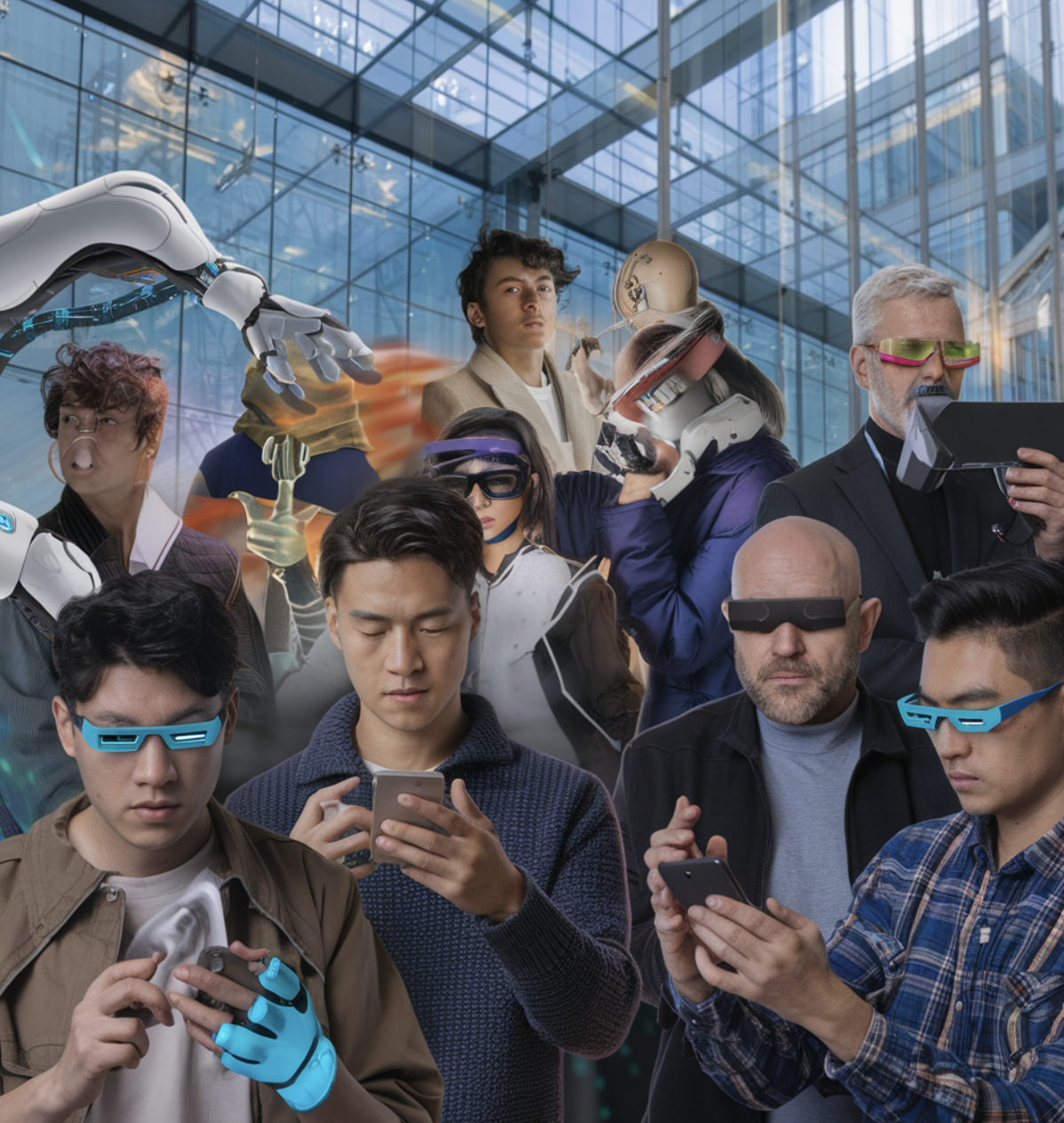
Here are some key points:
-
Demographic Growth: This generation is expected to represent between 13% and 16% of the global population.
-
Environmental Challenges: Betas will face issues like climate change and overpopulation.
-
Education and Technology: AI and virtual reality will play a crucial role in their education.



-
IG: @infonegociosmiami
Tips for Understanding Generation Beta
-
Embrace Technology: The integration of AI into daily life will be essential.
-
Encourage Creativity: Despite concerns about a lack of interpersonal skills, fostering creativity in youth is vital.
-
Ecological Awareness: Sustainability will be a key value, so promote responsible practices from an early age.
The meta-learnings we all share responsibility for include stepping away from ideological fanaticism, bias, and polarization to foster an education free from indoctrination. Emphasizing respect, critical thinking, analog activities, interconnection with nature, holistic thinking, emotional intelligence, resilience, and conversational competencies is crucial.
What is Generation Beta?
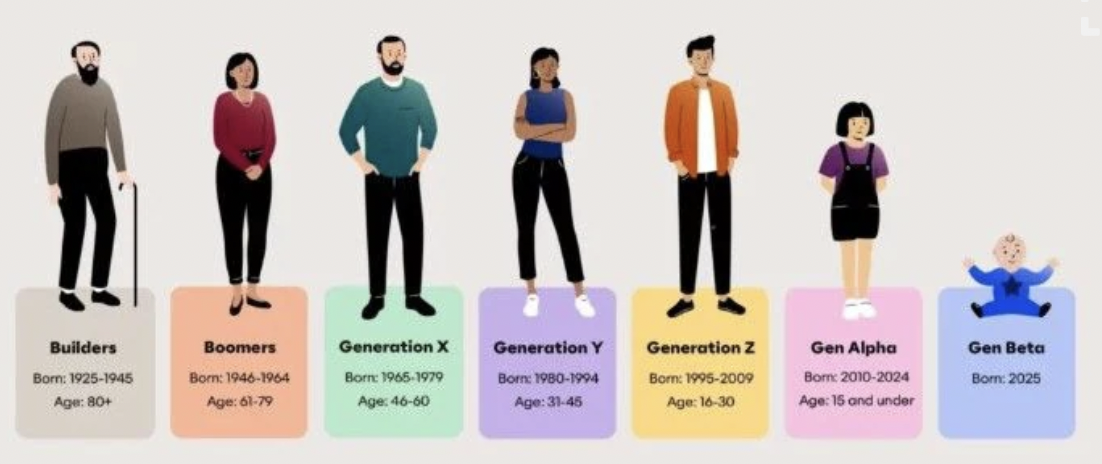
"Babies born on or after January 1, 2025, will officially be known as Generation Beta (Gen Beta)," states demographer Mark McCrindle. This generation, extending until 2039, will not only be the youngest in the world but will also grow up in an unprecedented technological context.
The First Baby Beta
The first baby of 2025, a girl born in the Czech Republic, marks the beginning of this exciting era. "The arrival of Generation Beta is significant because they will be the first to live in a world where AI and automation are part of everyday life," emphasizes McCrindle.
A Generation with Unique Challenges
"Gen Beta will face the adverse effects of global warming," experts warn. This group will not only witness the acceleration of climate change but will also inherit a world marked by sociopolitical conflicts and economic crises. How this generation responds to these challenges will be crucial for the planet's future.
Impact of Technology on Education
Education for Gen Beta will be radically different. "This generation is likely to be the first to experience automation in terms of transportation and education," comments McCrindle. AI and wearable health technologies will be integrated into their learning, transforming educational processes into something more interactive and accessible.
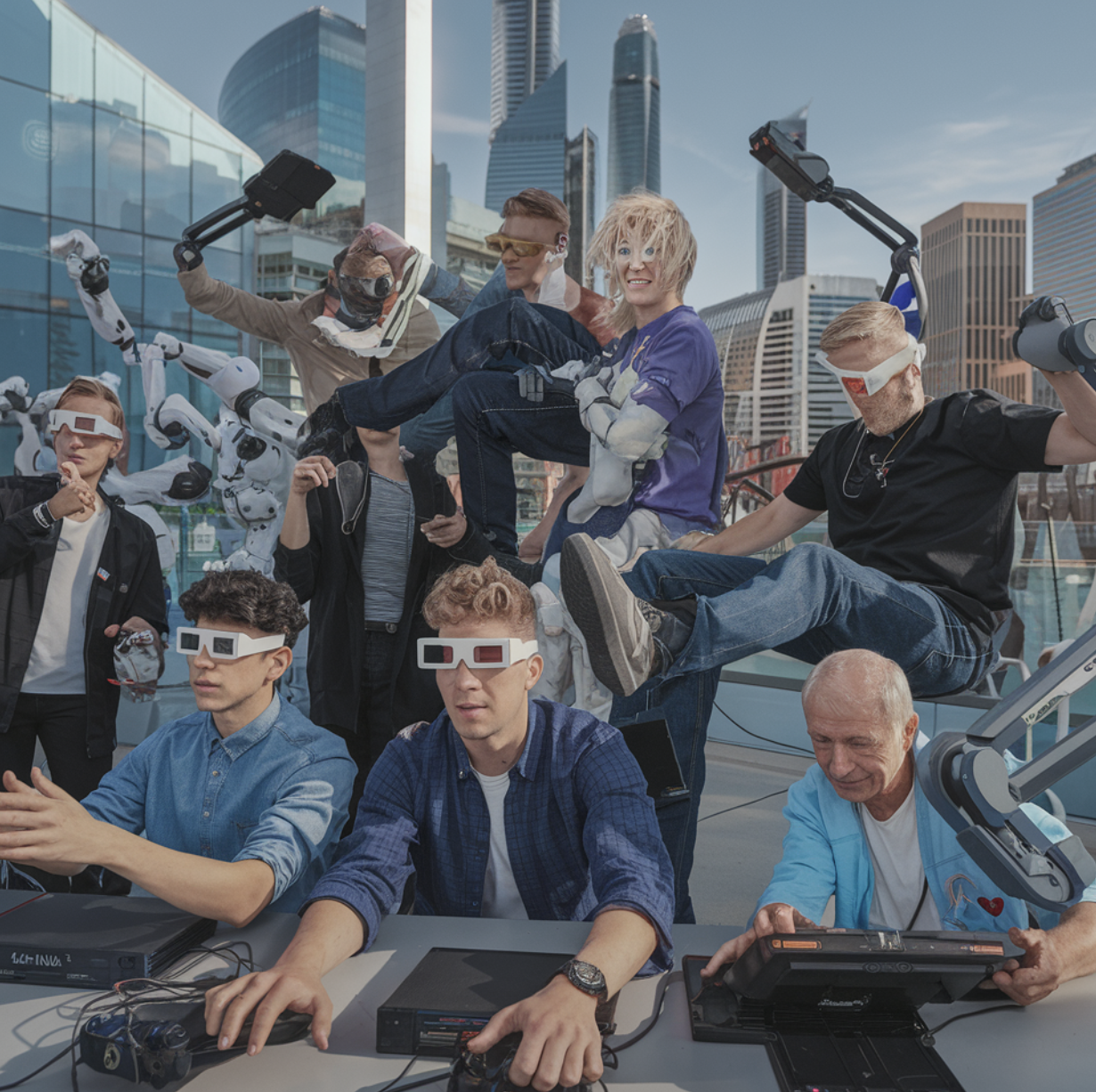
Fundamental Tips on Mistakes Made in Educating Generations Z and Alpha That We Must Learn From and Avoid in Generation Beta
-
Awareness of the Cognitive Process: Daily paper reading and handwriting activate brain areas associated with visual recognition and learning, vital for cognitive development.
-
Impact on Communication: The preference for short messages and emojis limits argumentative capacity and text structure, affecting effective communication.
-
Hybrid Approach to Education: Combining digital and manual methods in the classroom is essential for maintaining handwriting skills and enhancing comprehensive learning.
-
Specific Practice: Dedicating time to practicing handwriting is crucial not only as a technical skill but also for emotional and cognitive development.
-
Technology as an Ally: Tools like the iPad and Apple Pencil can revitalize handwriting, offering features that enhance technique through AI.
-
Fostering Patience and Focus: Handwriting promotes these skills, which are less engaged when using keyboards, supporting deeper learning.
-
Technology as an Ally: Tools like the iPad and Apple Pencil can breathe new life into handwriting, offering features that enhance technique through artificial intelligence.
-
Cultivating Patience and Focus: Handwriting promotes these skills, which take a backseat when we’re typing away on keyboards, supporting a deeper learning experience.
-
Emotional Intelligence, Face-to-Face Conversations, and Monitoring and Evaluation: It's crucial to assess the long-term impact of new digital tools on learning and handwriting. Developing emotional intelligence and conversation skills is essential. It’s absolutely enriching to evaluate and embrace mistakes as a pathway to learning.
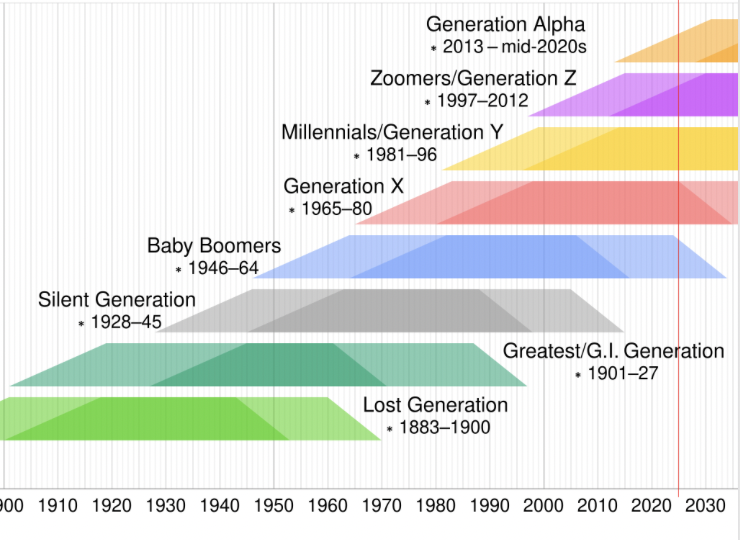
How Long Does Each Generation Last?
Generations, while not strictly defined by specific time frames, typically span about 15 to 20 years, influenced by sociopolitical changes, economic shifts, and historical events. Yet some definitions suggest they could stretch from 20 to 30 years, according to the American Marketing Association.
-
Silent Generation: 17 years (1928–1945)
-
Baby Boomers: 18 years (1946–1964)
-
Generation X: 15 years (1965–1980)
-
Millennials: 16 years (1981–1996)
-
Generation Z: 13 years (1997–2009)
-
Generation Alpha: 15 years (2010–2024)
What’s Being Said
In a post on X (formerly Twitter), McCrindle announced: "Goodbye, Gen Alpha: 2025 marks the dawn of Gen Beta," linking to an NBC News article. David Statter, founder of VirtuIRL, remarked: "Today wraps up the Gen Alpha cohort and welcomes Generation Beta—welcome to the world, little Betas!"
What’s Next?
The future of Generation Beta will hinge on global events across social, political, economic, and climate fronts. Their environment, marked by constant access to cutting-edge technology, will shape the political decisions they make to tackle the world’s challenges.

-
Subscribe for free to receive the most strategic, agile, and valuable insights at: https://infonegocios.miami/suscribite-al-newsletter

Infonegocios NETWORK: 4.5 million Anglo-Latinos united by a passion for business.
Contact Infonegocios MIAMI:
juan.maqueda@onefullagency.com or marcelo.maurizio@onefullagency.com