Summary and Tips:
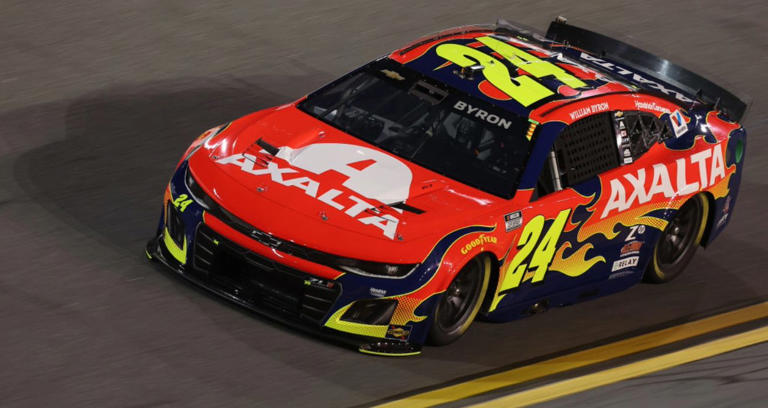
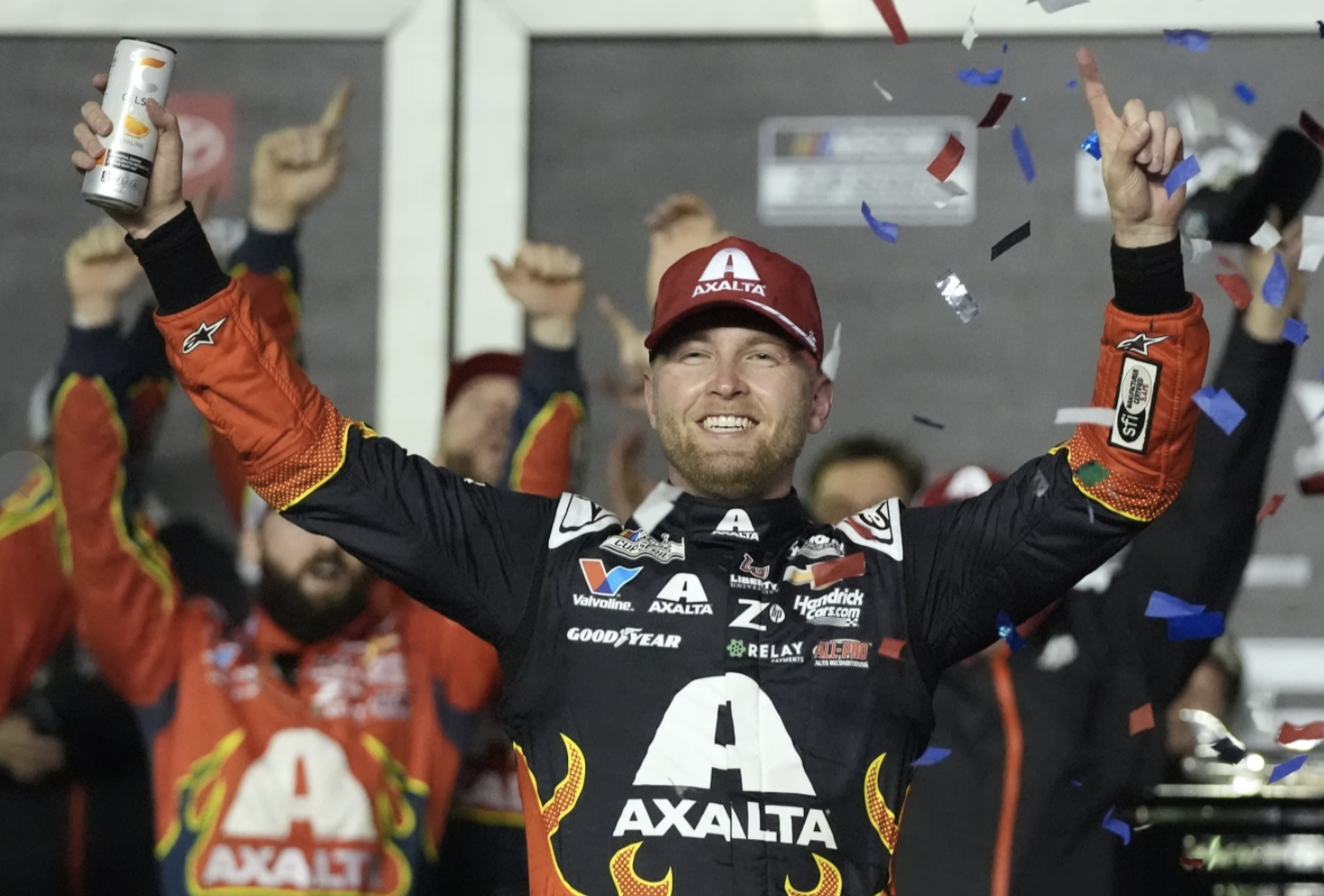
The 2025 Daytona 500 not only crowned William Byron as champion but also marked a milestone in the evolution of motorsport. The fusion of state-of-the-art technology, neuromarketing strategies, crossing marketing, phydigital experiences, and a focus on sustainability is redefining the future of this sport.
Byron's success underscores that, in the digital age, victory is the result of a perfect synergy between human talent and technological innovation.
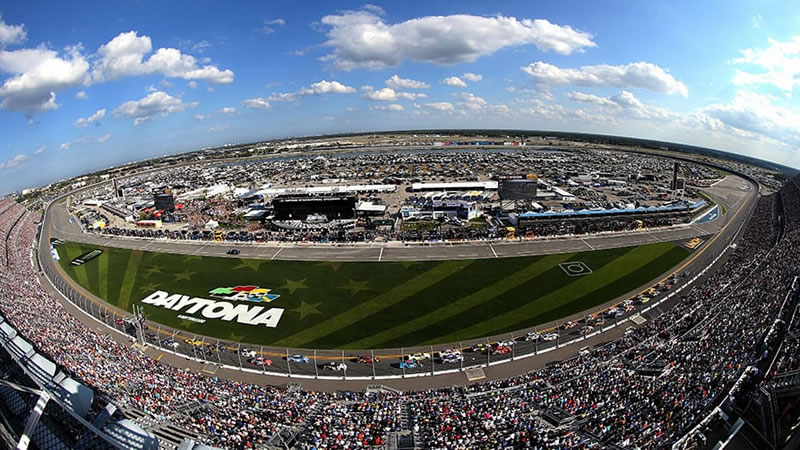
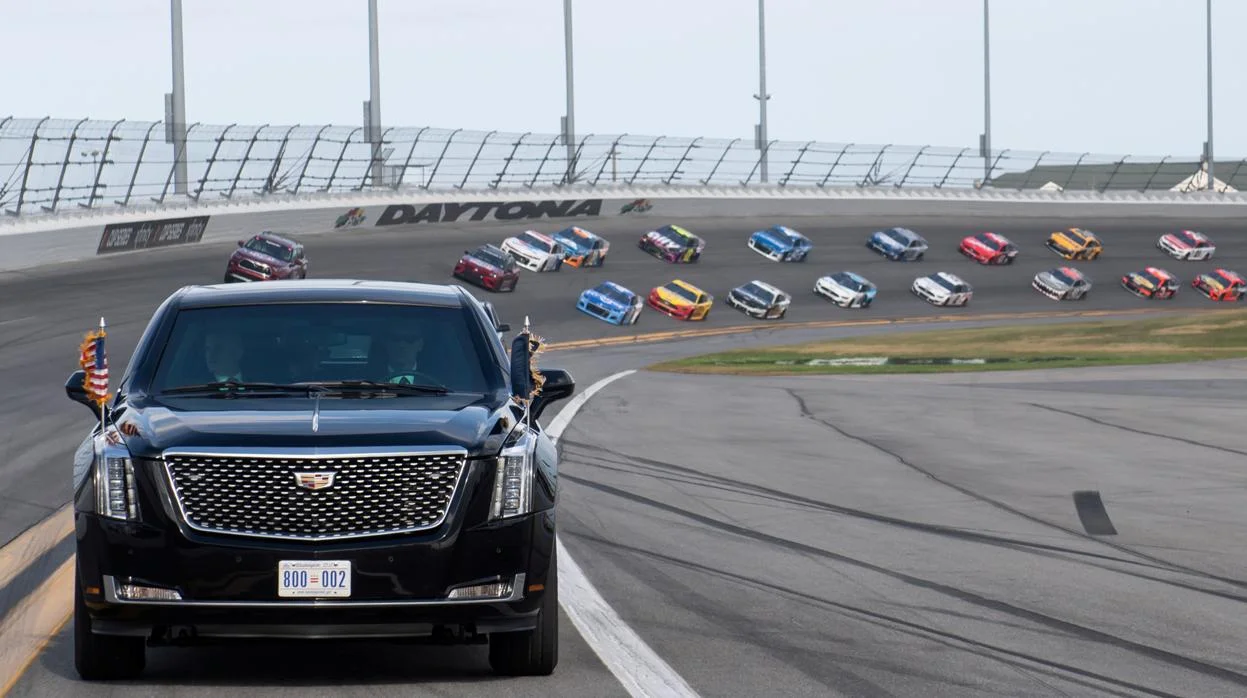
Trump Takes a Lap at Daytona 500
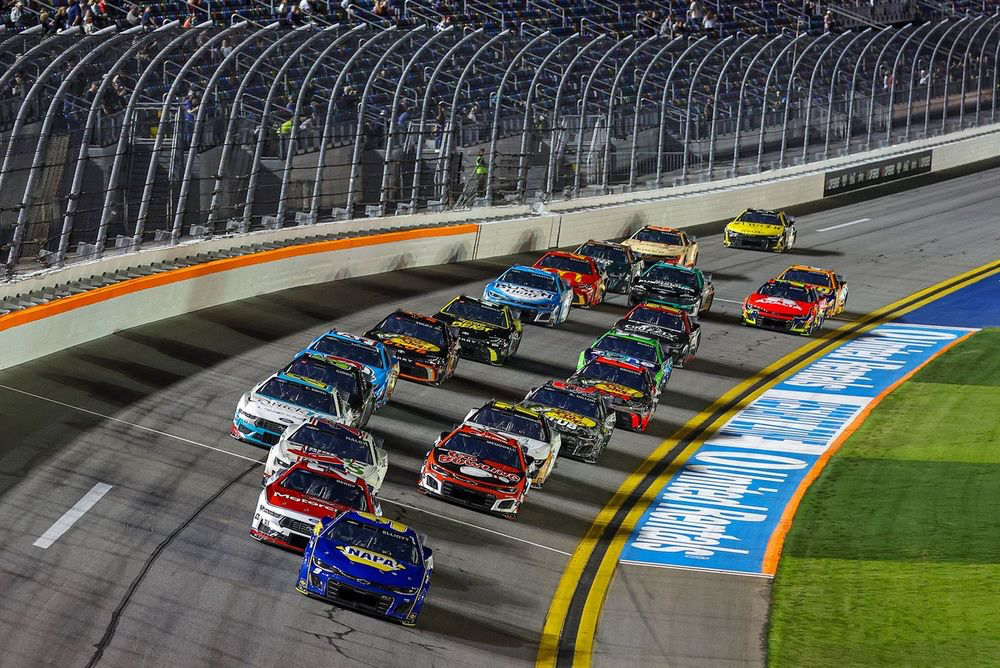
This year's race has laid the groundwork for a new era in motorsport, where fan experience, sustainability, and technology coexist in perfect harmony. The challenge moving forward will be to maintain the delicate balance between human emotion and technological efficiency that makes the Daytona 500 an unparalleled spectacle.
Byron's victory illustrates the importance of strategy over luck in modern motorsport. The use of advanced broadcasting technology increased engagement by 45% compared to last year. Neuromarketing and crossing marketing applied to the spectator experience boosted brand retention by 30%.
"There was a lot of innovation—augmented reality technology for the fan experience can triple ROI on sponsorships."
"The implementation of AI in real-time race analysis enhances strategic decision-making by 40%."
"Emotional storytelling around the drivers increases fan loyalty by 25%."


Follow us on Instagram: @infonegociosmiami
The Strategy Behind the Triumph
"Victory is not about luck, but meticulous preparation and precise execution," asserts Dr. Carlos Rodríguez, a sports psychology expert at the University of Miami. Byron demonstrated that strategic planning and adaptability are crucial in modern motorsport.
Key Data:
-
78% of critical decisions during the race were based on real-time data analysis.
-
Byron's team processed over 1 million data points per second during the race.
Technology and Innovation on the Track
"This year’s Daytona 500 was a showcase of technology applied to sports," notes María Fernández, CTO of TechRace Solutions. From advanced telemetry to real-time simulations, technology played a fundamental role.
Notable Innovations:
-
Use of AI to predict track traffic patterns, enhancing strategy by 35%.
-
Implementation of biometric sensors on drivers to optimize performance.
The Impact of Neuromarketing on Fan Experience
"Neuromarketing has revolutionized how we connect with fans," explains John Smith from NASCAR. The application of neuroscience techniques in the promotion and broadcasting of the event achieved unprecedented engagement levels.
Results:
-
50% increase in retention of information about sponsoring brands.
-
70% increase in social media interactions during the race.
Sustainability and the Future of Motorsport
"The Daytona 500 is not just a race; it's a laboratory for the sustainable future of motorsport," declares Elena Gómez, a sustainable mobility expert. The event implemented several eco-friendly initiatives that will set trends in the sector.
Highlighted Initiatives:
-
Use of synthetic fuels that reduced emissions by 60%.
-
Implementation of an energy recovery system that powered 30% of the event’s facilities.
The Human Factor in the Age of Automation
"In an increasingly automated world, the human factor remains the heart of motorsport," asserts Dr. Lucía Martínez, a sports psychologist at FIU. Byron's ability to make crucial decisions in split seconds demonstrates that intuition and human experience are irreplaceable.
Revealing Data:
-
65% of critical decisions during the race were made by the driver, not algorithms.
-
Drivers who efficiently combined technology with their instincts improved performance by 40%.
The Economic and Cultural Impact of the Daytona 500
"The Daytona 500 is more than just a race; it's a cultural and economic phenomenon," notes Dr. Alejandro Ramírez, an economist at the University of Miami. The event generated significant impacts on both local and national economies.
Impressive Figures:
-
Direct economic impact of $400 million in the Daytona Beach area.
-
Creation of 5,000 temporary jobs and 1,000 permanent positions related to the event.
The Streaming Revolution and New Consumption Models
"Streaming has radically transformed how motorsport is consumed," explains Sarah Johnson, NASCAR's director of digital content. The adoption of new broadcasting technologies has significantly broadened
the global audience.
Key Statistics:
-
80% increase in streaming viewers compared to last year.
-
60% of viewers used mobile devices to follow the race.
Frequently Asked Questions (FAQs):
How has 5G technology impacted the Daytona 500 experience?
5G technology has enabled high-quality real-time broadcasts and enhanced interactivity for fans, boosting engagement by 70%.
What sustainability measures were implemented at this year’s race?
Synthetic fuels were used, an energy recovery system was implemented, and plastic use was reduced by 90%.
How is neuromarketing applied at an event like the Daytona 500?
Neuromarketing is used to design more immersive fan experiences, optimize ad placements, and enhance the race narrative to maximize emotional impact.
What is the future of artificial intelligence in motorsport?
AI is expected to play an increasingly significant role in race strategy, vehicle design, and personalizing the viewer experience.

Subscribe to Infonegocios Miami:
https://infonegocios.miami/suscribite-al-newsletter
Contact Infonegocios MIAMI:
juan.maqueda@onefullagency.com
marcelo.maurizio@onefullagency.com