
Important:
And in Portuguese in the "Miami em português" section.
Summary and Tips:
This article examines Time’s recognition of Donald Trump, its political implications, and how his figure has evolved over the years. Below are some key points and tips to better understand this phenomenon:
The Story of Trump: A reminder of how power can be both ephemeral and enduring. As voters continue to seek leaders who resonate with their concerns, Trump's case prompts us to consider what true leadership means in a constantly changing world.
Historic Comeback: Trump has been named Person of the Year for the second time, an honor achieved by very few.
Shift in Politics: His return to power signifies a major political realignment in the U.S.
Key Strategies: "Leveraging voter frustration" has been crucial to his campaign.


IG: @infonegociosmiami
The Impact of the Designation
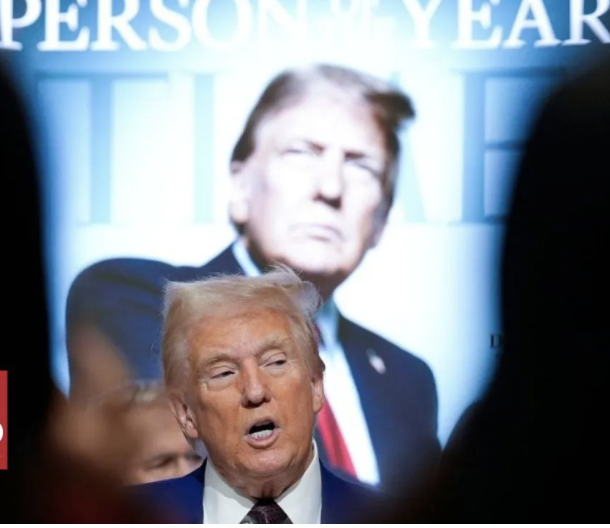
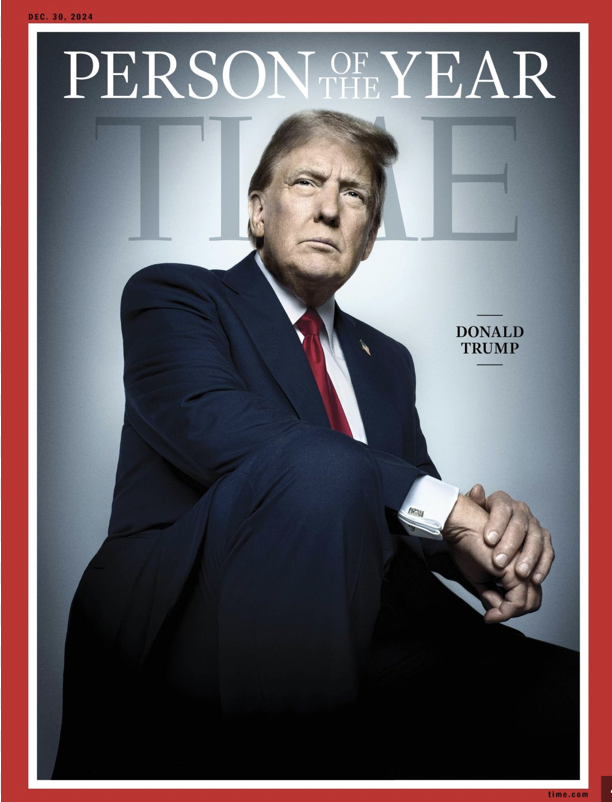
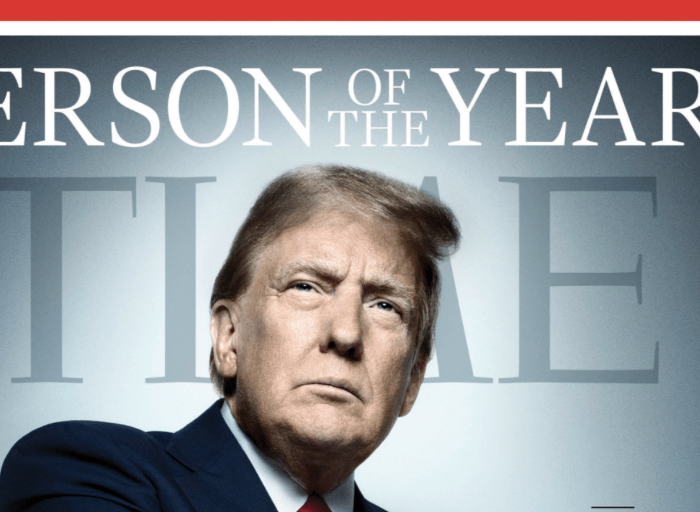
"Time annually selects the figure who has most shaped the headlines and the course of the world, for better or for worse." This year, the magazine highlighted Trump for "leading a comeback of historic proportions" and for "remodeling the U.S. presidency." This recognition is not just a title; it reflects how his influence has recalibrated the current political landscape.
An Unprecedented Comeback
"Since he began campaigning for the presidency in 2015, perhaps no individual has played a more significant role in changing the course of politics and history than Trump." His ability to connect with diverse segments of the population, from African American voters to suburban women, is a testament to his adaptability and resonance with the electorate.
Relevant Data
Ethnic Support: Trump garnered the highest percentage of African American voters for a Republican since Gerald Ford.
Latino Vote: He achieved historic levels of Latino support, surpassing his predecessors.
The Trump Era: A Paradigmatic Shift
"Today, we are witnessing a resurgence of liberal ideas and growing distrust in the institutions that defined the last century." This statement encapsulates the current sentiment of many voters who feel disconnected from traditional power structures. Trump has skillfully capitalized on this distrust, transforming it into electoral support.
A Stormy Relationship with Time
Trump’s relationship with Time has been ambivalent. "After being named Person of the Year in 2016, he described the magazine as a 'very important' publication." However, his reactions to characterizations of his presidency have often been defensive. In the past, Trump has criticized how he is portrayed in the magazine.
An Uncertain Yet Promising Future
Donald Trump’s designation as Person of the Year 2024 not only underscores his resurgence in U.S. politics but also raises questions about the future of the country. "We are on the cusp of a new political era, where liberalism (the libertarianism of Milei, the Argentine president, and Musk's ideas) and distrust in institutions dominate the landscape." This phenomenon is not exclusive to the United States; it reflects global trends that warrant analysis and respond to a significant lack of self-critique regarding leftist ideas, statism, and the denial of rampant state corruption across various countries (including severe cases like Venezuela), as well as the proliferation of a spending culture, mediocrity, and the consequent exaggeration of minority agendas lacking contextual coherence and empirical rigor.
Frequently Asked Questions (FAQs):
Why did Time choose Donald Trump as Person of the Year?
"The magazine selected him for his significant impact on politics and his ability to reshape the national discourse."
-
What does this designation imply for the political future of the U.S.?
"It indicates a potential resurgence of liberalism, libertarianism (not socialism), and a reconfiguration of electoral support toward Republicans."
What has been Trump's reaction to this recognition?
"Trump has received the news with pride, although his relationship with the magazine has been complex in the past."

-
Infonegocios NETWORK: 4.5 million Anglophones and Latinos united by a passion for business.
-
Subscribe for free to receive the most strategic, agile, and valuable insights at: https://infonegocios.miami/suscribite-al-newsletter
-
Contact Infonegocios MIAMI:
juan.maqueda@onefullagency.com or marcelo.maurizio@onefullagency.com