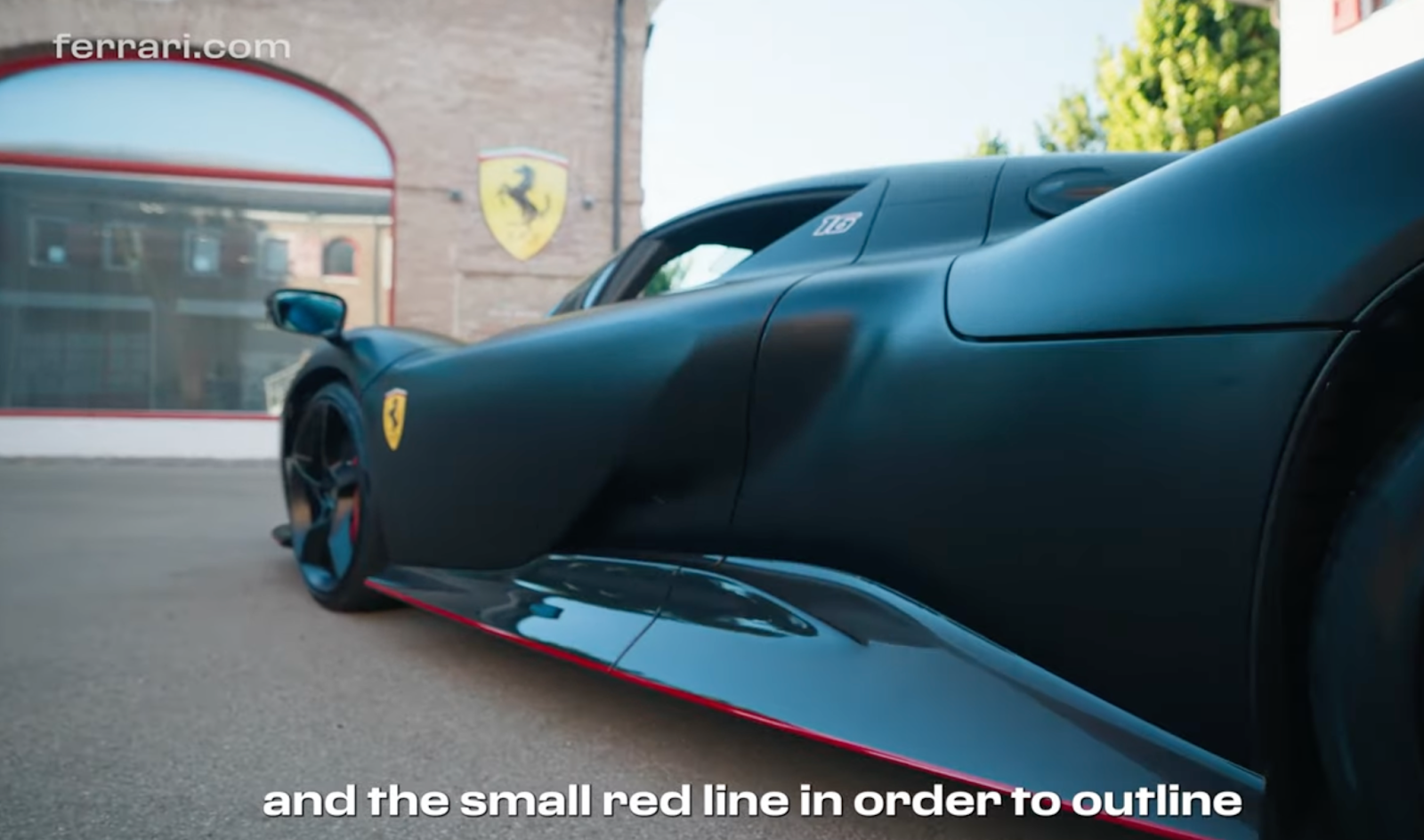
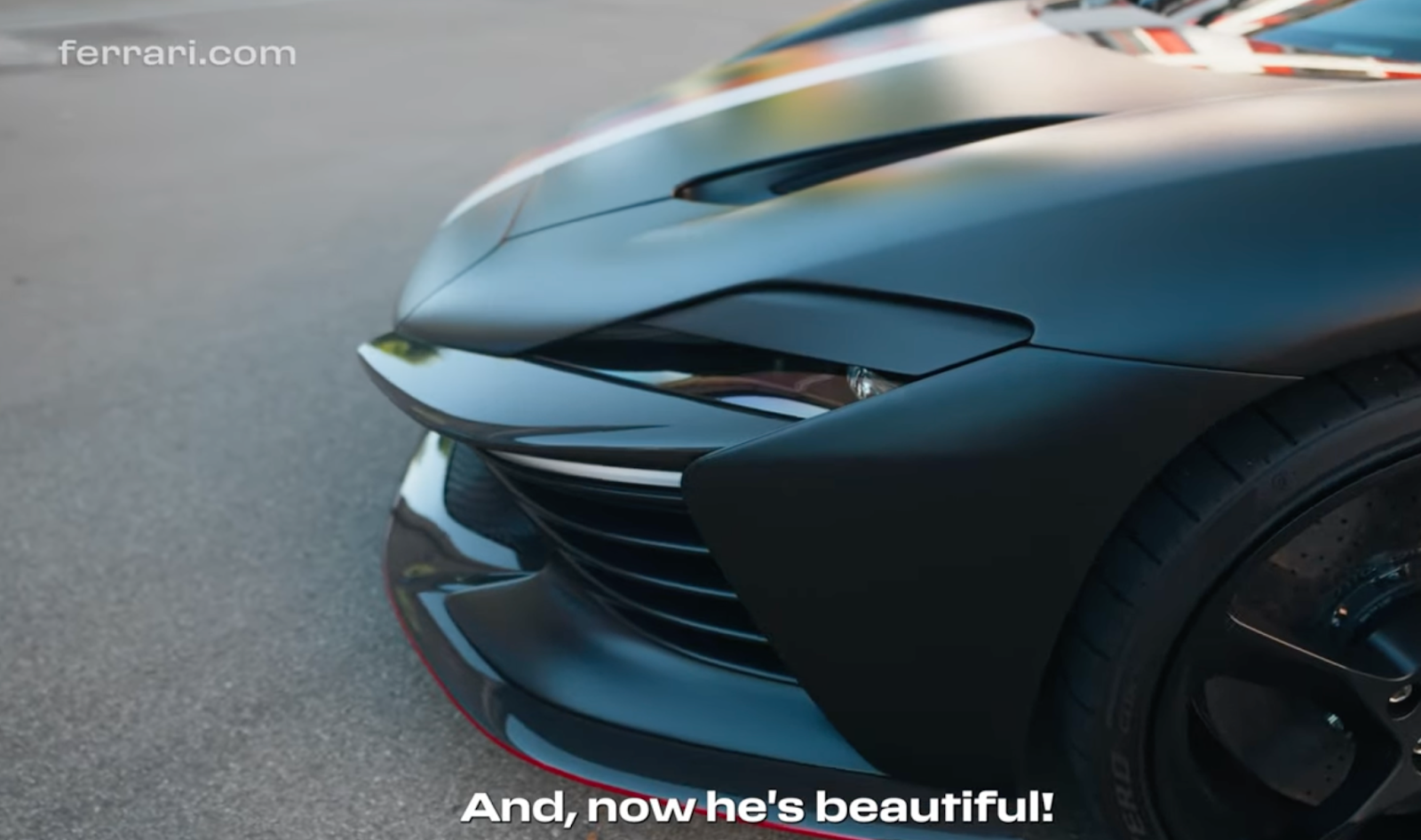
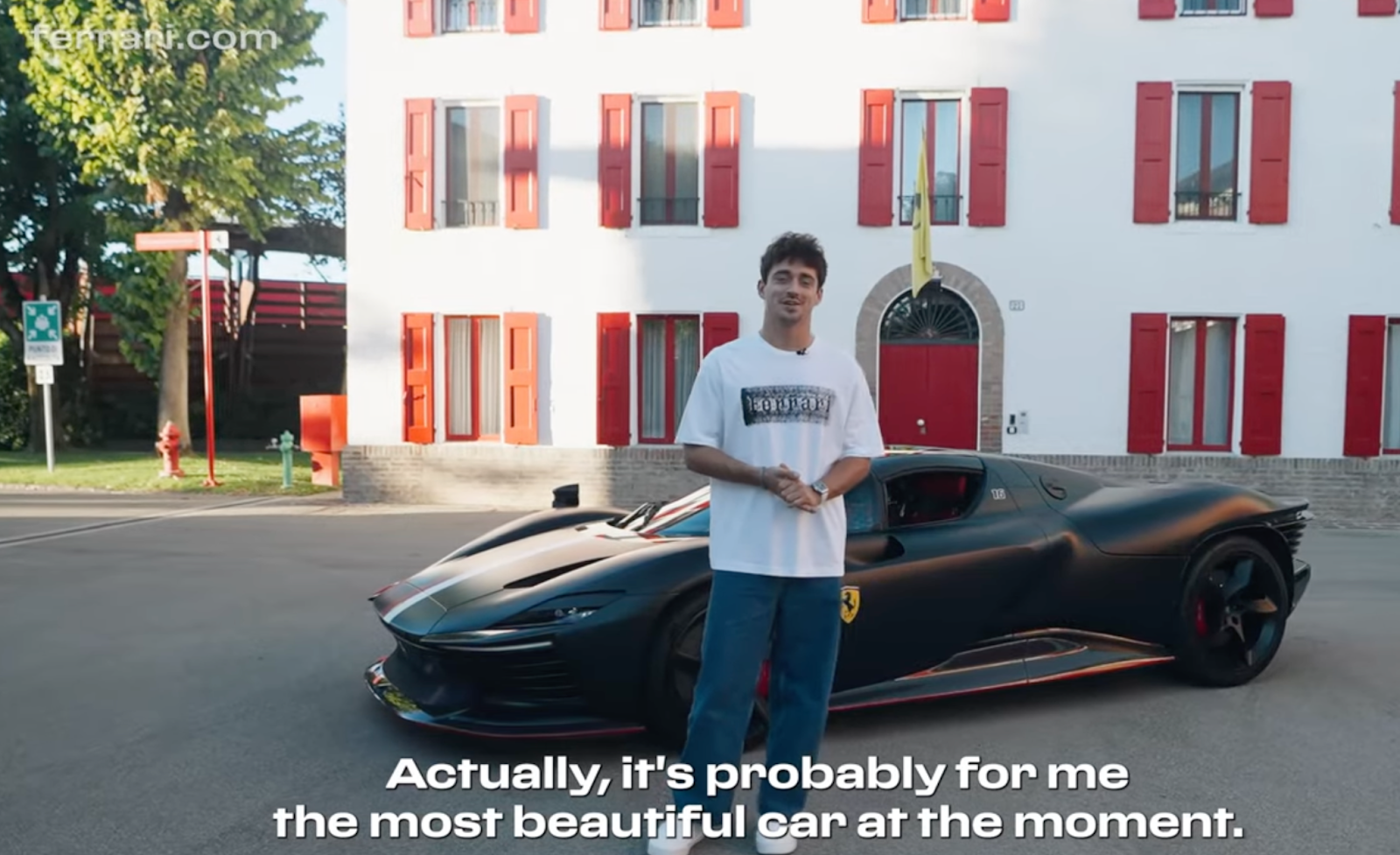
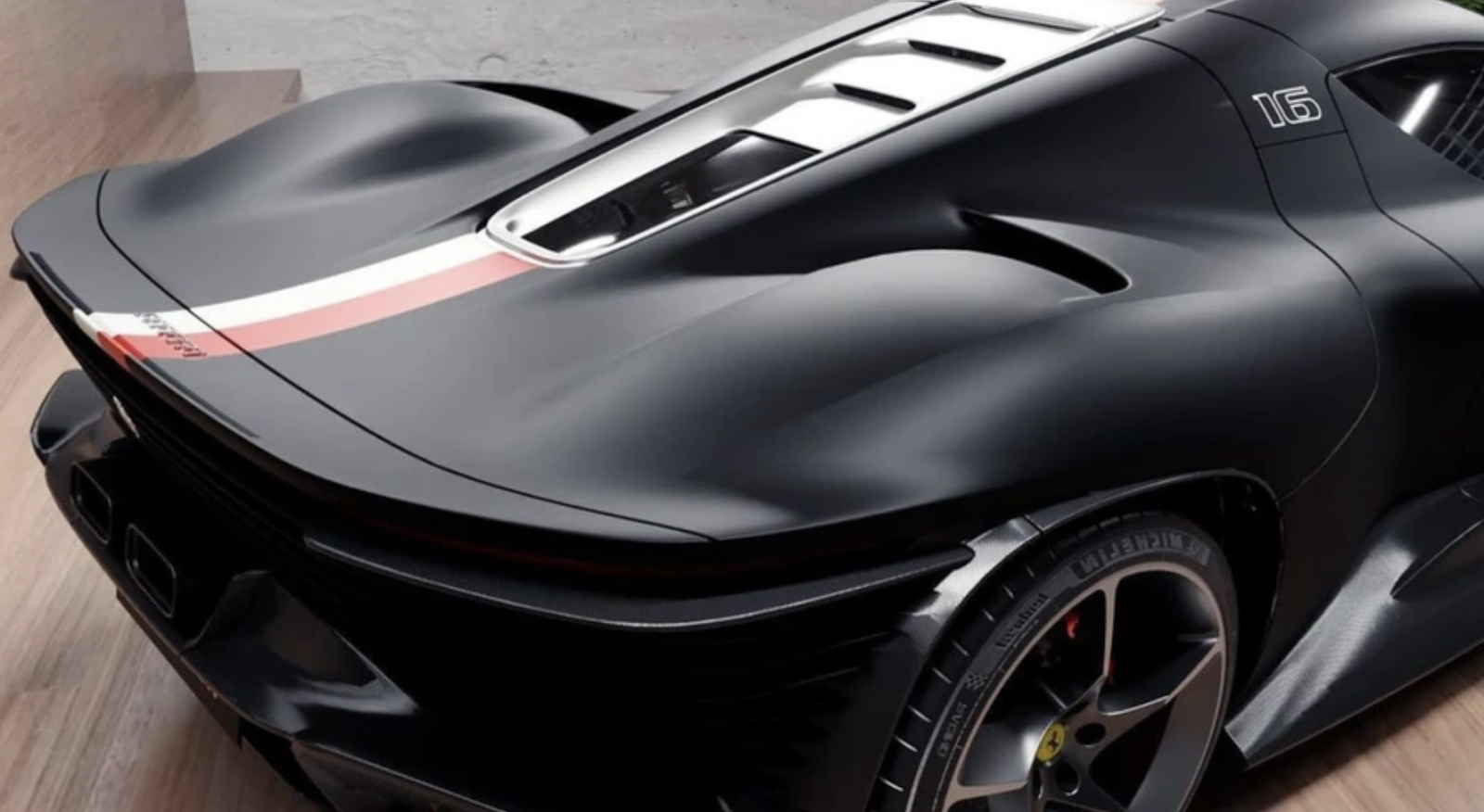
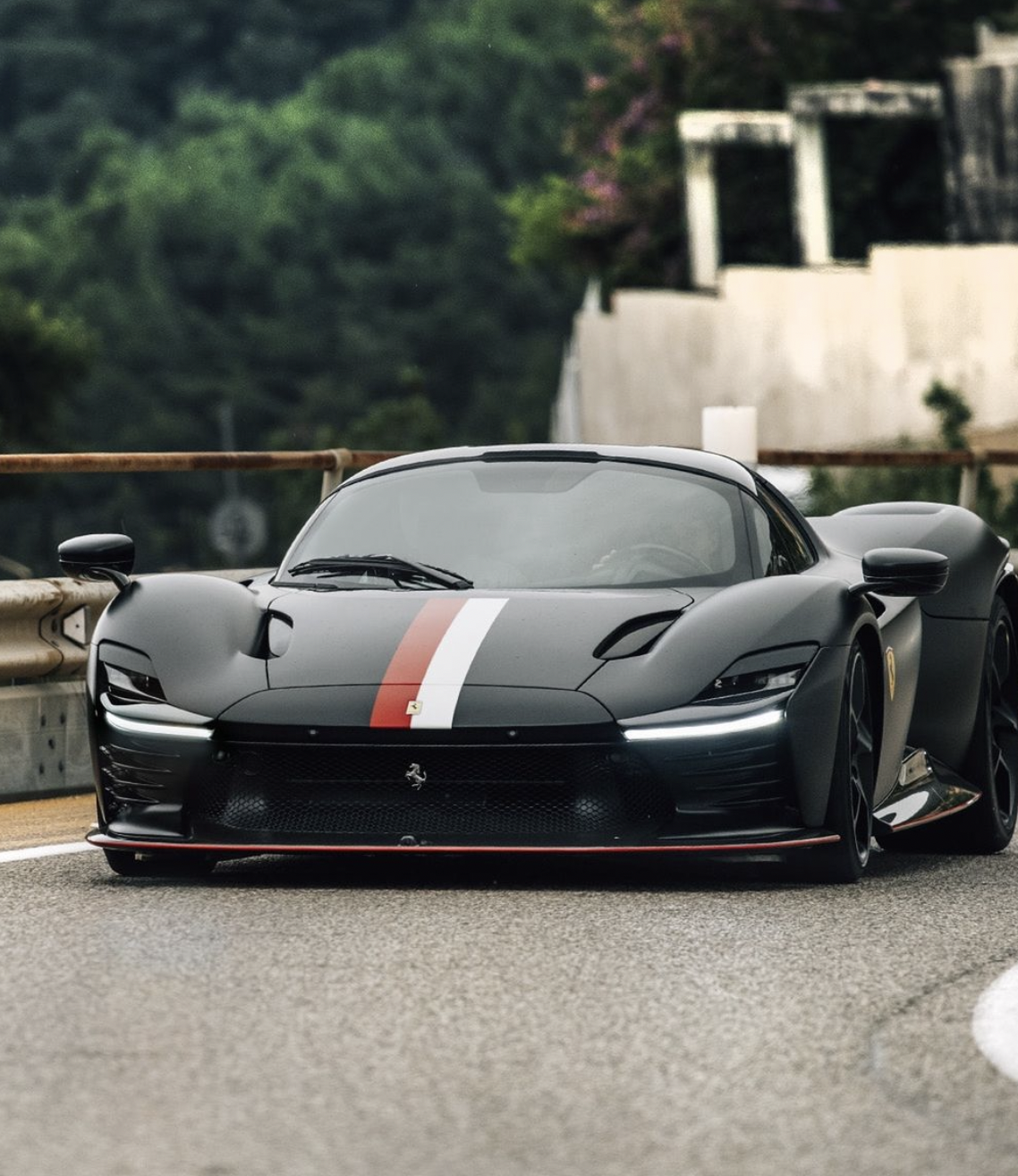
The 11 i's are: interaction, interaction, interrelation, interaction and indicators, integral, of interest and impeccability, intelligent - both artificial and human -, instantaneous and indefinite, immersive (phydigital experiences), insight-based, and interdependent (everything must be coordinated simultaneously). This video explains the “foundation” of the new management model (very focused on the vision of the Head of Culture) of the brand and crossing marketing (you can watch the video in this note). If one appreciates and observes what this opaque black car represents (almost like Batman's car, but beautiful as only a Ferrari can be), customized with Charles speaking, dressed super cool and natural, behind the house of Maranello, one understands everything. The world of motorsport is not only defined by speed and competition but also by an intricate marketing network that transforms every victory into a brand experience. In this context, Ferrari stands as a master of crossing marketing, a phenomenon that intertwines the essence of the brand with products and experiences that transcend the mere automobile.
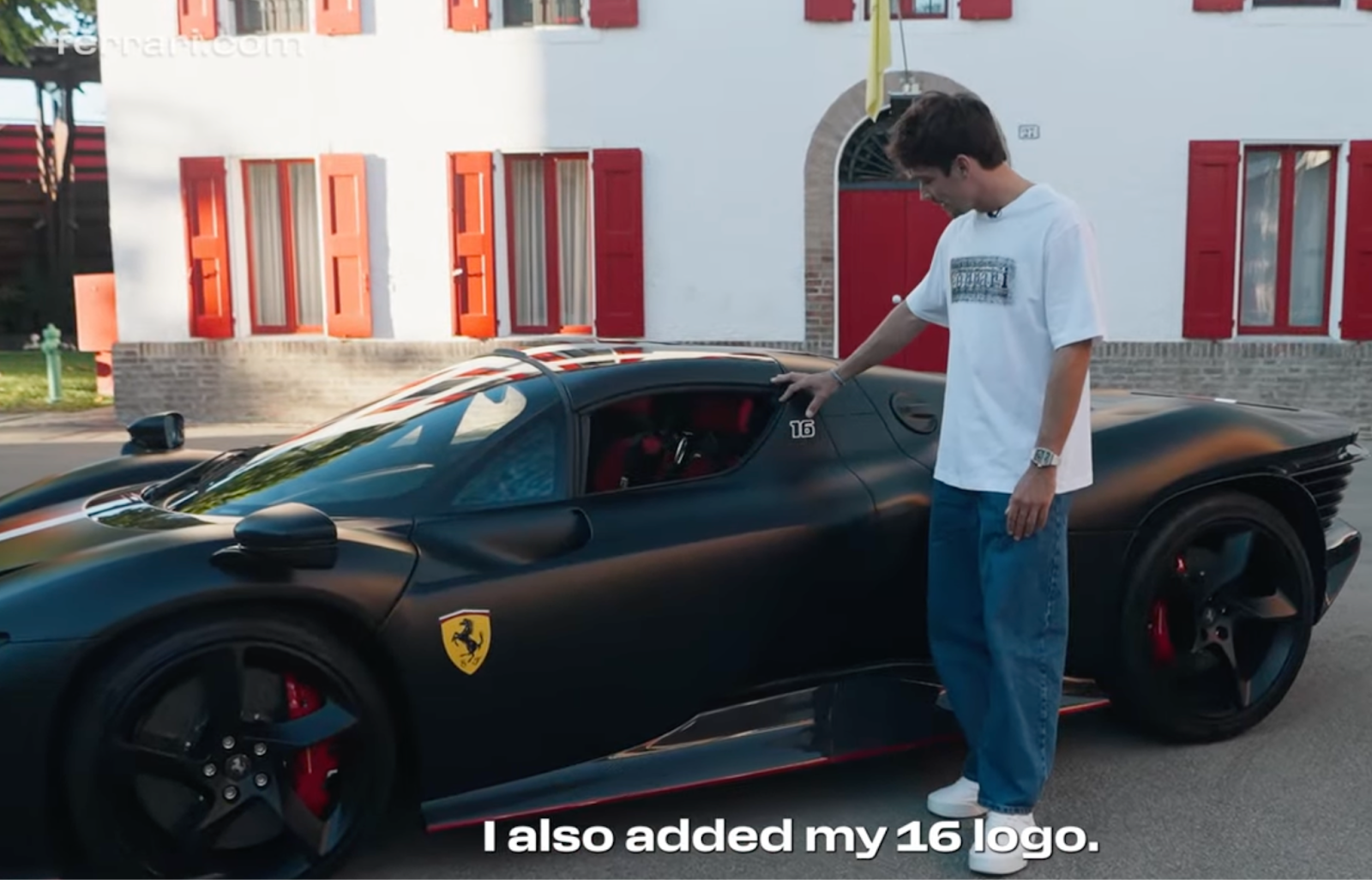
In this article, we will explore how Ferrari, in a culminating moment after Charles Leclerc's recent victory in Monza and his remarkable performance in Azerbaijan, has managed to capitalize on its image to offer a range of products that span from toys to luxury experiences.
Summary of Tips
-
Understand the Essence of the Brand: Ferrari doesn’t just sell cars; it sells a lifestyle.
-
Leverage Victories: Every triumph becomes an opportunity for marketing.
-
Product Diversification: From toys to exclusive experiences, brand extension is infinite.
-
Emotional Connection: Use neuromarketing to link emotions with the brand.
-
Personalization as Strategy: Every Ferrari is unique, enhancing the desire for ownership.
The Essence of Ferrari
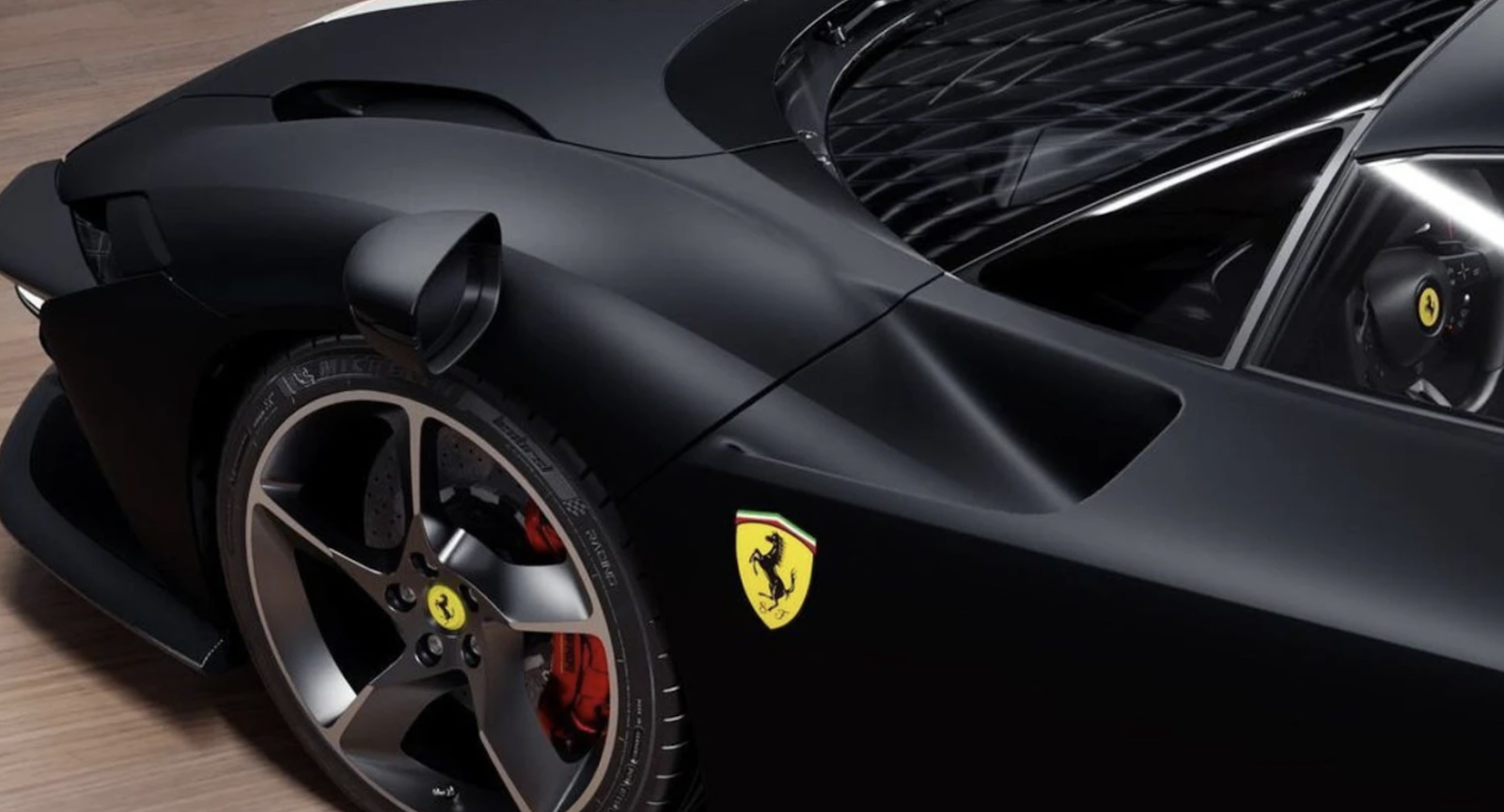
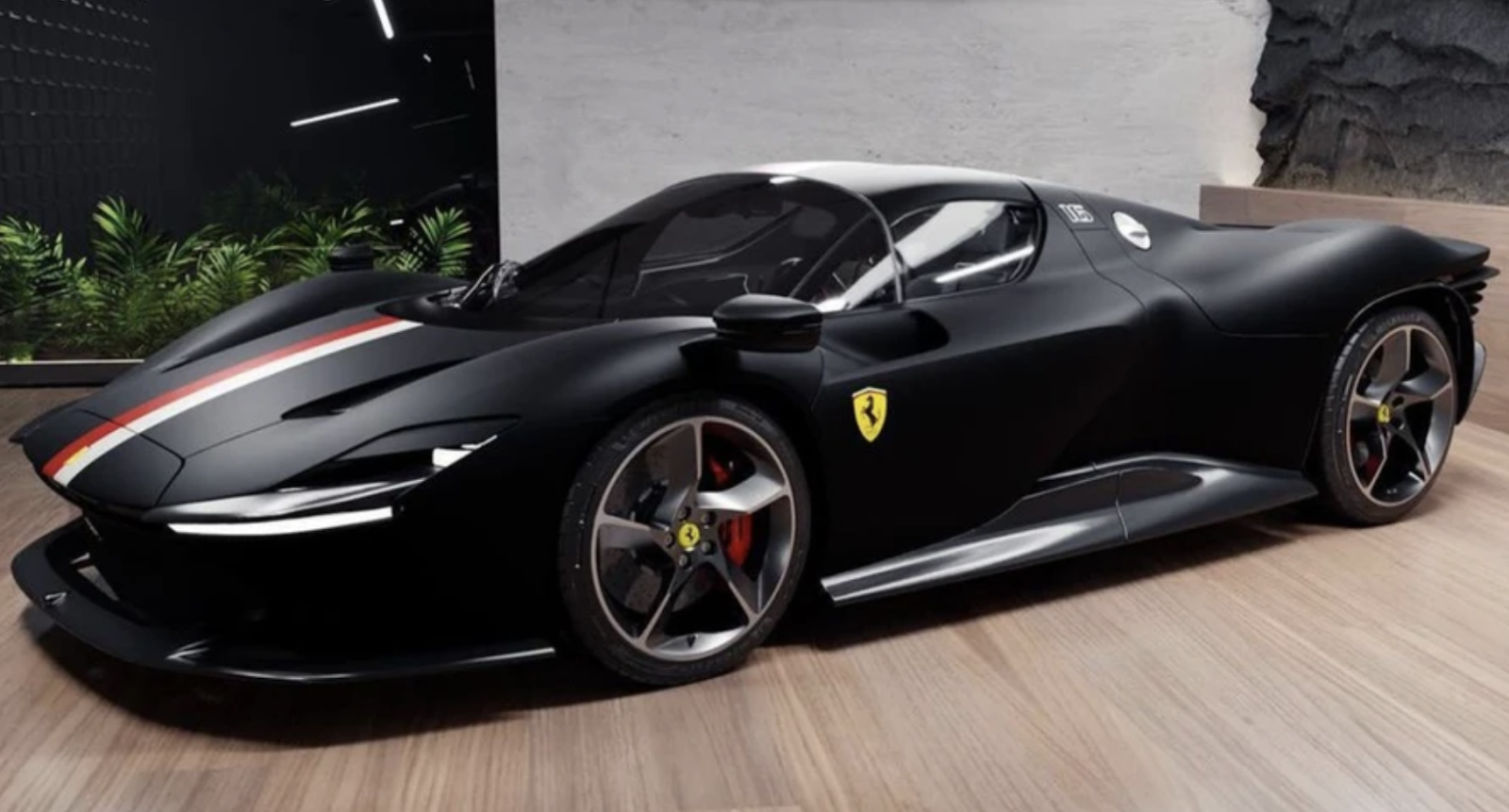
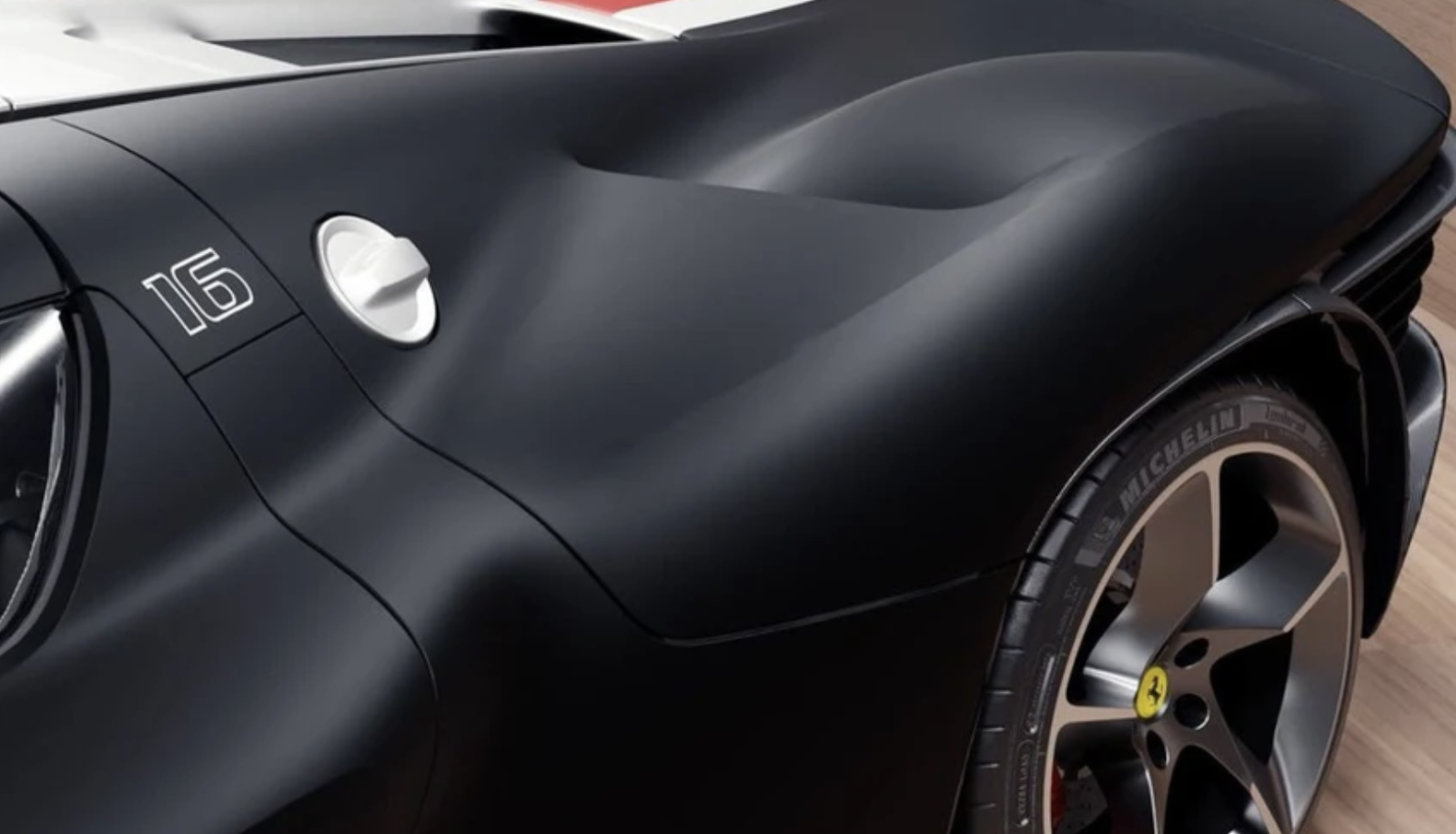
Since its founding in 1939, Ferrari has cultivated an image of exclusivity and prestige. In 2024, we celebrate not only the mystique of the brand but also the 40th anniversary of Miami Vice (and there, the car was a Ferrari, of course), a reflection of pop culture intertwined with the glamour and speed of supercars. This cultural symbiosis is key in Ferrari's marketing strategy. Monegasque Charles Leclerc, upon receiving his new Ferrari Daytona SP3, exemplifies this connection. With only 599 units of this model, each personalized, a clear understanding of how marketing can transform a car into an object of desire is manifested.
The Power of Cross-Marketing
The concept of cross-marketing is based on collaboration between different sectors to enhance a brand's reach. Ferrari has taken this strategy to a new level by partnering with products that represent the essence of its brand. From luxury sneakers to clothing and themed experiences, each product becomes a vehicle to communicate the brand's values: speed, elegance, and exclusivity.
The New Mantra of Real Brand Value:
Previously, the focus was on doing everything in the most efficient way (at the lowest possible cost) to maximize results (volume-based production scale-time limitation-copy-price-usability).
Today, it’s about doing everything necessary to create real and relevant value that achieves differential and unique results, sustainable and, above all, expandable (value development scale-timelessness-expansive creation-real experience).
Illustrative Chart of the 11 i's of the New Crossing Marketing, Based on Registered Models of Shou7! & 7hink! and the New Paradigms of the Head of Culture
11 i's of the New (7hink) Marketing Crossing
-
Interaction (and insistence): Continuous process of adjustments and improvements in the strategy based on feedback. (Insistence on improvement and continuity over time until results are achieved).
-
Interactivity: Active and bidirectional relationship between the brand and the consumer, fostering participation.
-
Interrelation: Connection between different elements of the strategy that allows for a holistic approach.
-
Intersection and indicators: Meeting points between different disciplines and platforms that enrich the brand experience, both internally and externally for self-management and constant qualitative-quantitative improvement.
-
Integral: A comprehensive approach that considers all aspects of the brand and its environment; the concept of integral design gives meaning to creation, changing the patience and measurement of indicators.
-
Of interest: Content and strategies that genuinely capture the attention and interest of the audience, always based on impeccability (the best possible and real in every concept or nothing).
-
Intelligent (Artificial and Human): Use of technology and cross-skills, human competencies to create personalized and effective experiences, combined with the insights from artificial intelligence data.
-
Instantaneous and Indefinite: Quick responses to market changes and the ability to adapt to new trends.
-
Immersive (Phydigital Experiences): Experiences that blend the physical and the digital, creating a deeper impact.
-
Insight-Based: Strategies grounded in data and analysis that reveal the true needs of the consumer.
-
Interdependent (Simultaneous Coordination Based on Essence and Culture): The need to integrate and align all actions and strategies in real-time to maximize impact.
*Strategic Management Model of MKT Crossing and 7hink!, Based on the New Management of Head of Culture.*
Practical Example: Leclerc's Strategy
Leclerc's victory in Monza was not just a sporting triumph. It was an opportunity for Ferrari to launch a product line inspired by this victory. The personalization of his Daytona SP3, with details evoking his connection to Monaco, extends to a range of products, such as toys and accessories. Each of these items is marketed not just as a product but as an extension of the Ferrari experience, emotionally connecting with fans and future customers.
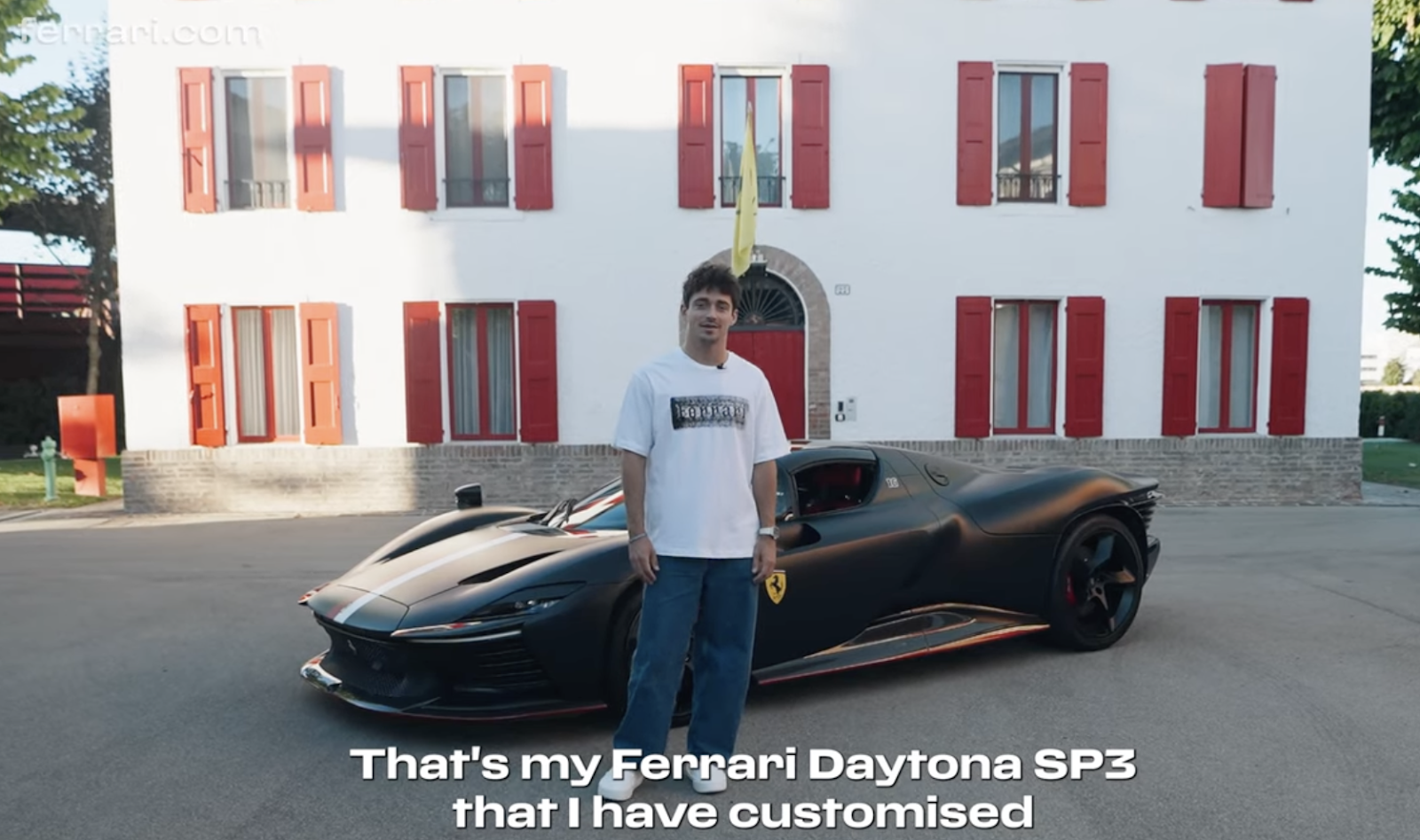
Watch the video here: Ferrari Video
Neuromarketing: Emotional Connections
Neuromarketing, a discipline that merges neuroscience with marketing, allows brands to understand how consumers think and feel. Ferrari has harnessed this knowledge to create campaigns that resonate emotionally with its audience. The image of speed and success it projects, especially in moments of victory, activates areas of the brain related to reward and emotion, increasing the desire to purchase.
Product Diversification
Diversification is key to Ferrari's strategy. It doesn’t limit itself to selling cars; the brand has expanded its offerings to a range of products that include:
Toys and Scale Models: Each victory translates into a new product line. For example, scale models of the Daytona SP3 become collector's items.
Clothing and Accessories: From t-shirts to sneakers, every item carries the essence of speed and luxury.
Exclusive Experiences: Ferrari offers experiences in its museums and theme parks, where fans can experience the brand firsthand. Additionally, it participates in bars, restaurants, and special experiences in hotels.
Brand Collaborations: Partnerships with luxury brands that share its vision of exclusivity and quality.
The Legacy of Exclusivity
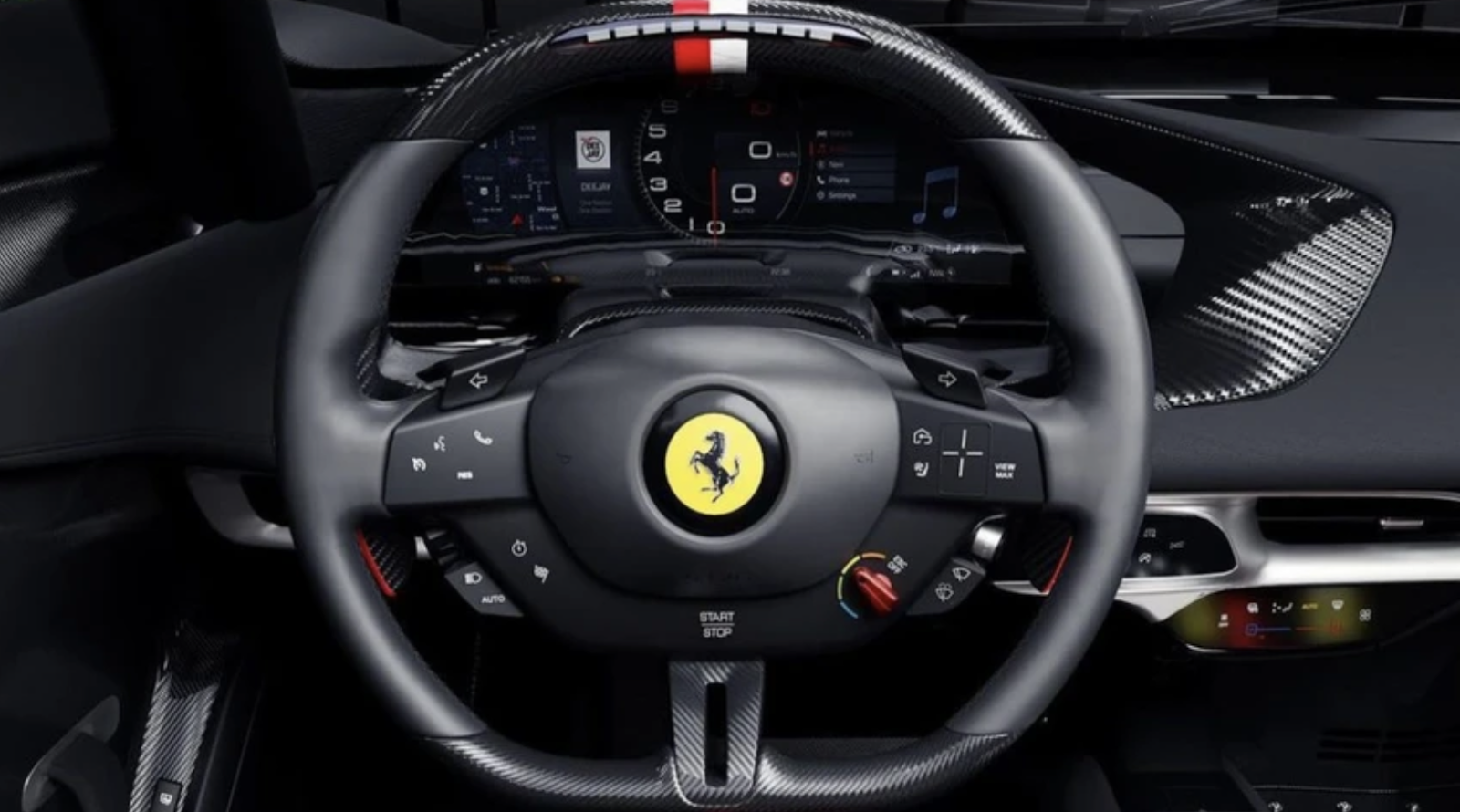
The Daytona SP3, with its design inspired by Ferrari classics, is not just a car; it’s a work of art. Every detail, from its V12 engine to Leclerc's unique personalization, reinforces the idea that owning a Ferrari is a status symbol. This exclusivity becomes a key element in the brand's marketing strategy, creating a sense of belonging among its owners.
How Does Ferrari Use Experiential Marketing to Attract Its Customers?
Ferrari doesn’t just market cars; it creates memorable experiences. Through exclusive events, such as track days where clients can drive Ferrari models, the brand emotionally connects with its fans. These experiences, combined with luxury, make customers feel part of an elite group, reinforcing their desire to acquire related products.
What Role Does Personalization Play in Ferrari’s Strategy?
Personalization is fundamental to Ferrari's value proposition. Each car can be tailored to the customer's desires, which not only increases its appeal but also makes it a unique and exclusive object. This approach not only strengthens the emotional connection with the customer but also justifies the high prices of the units, as every detail can be designed according to the buyer's personal preferences.
Why is Brand Image Important to Ferrari’s Success?
Ferrari's brand image is closely tied to quality, speed, and luxury. By associating its name with motorsport and victories, Ferrari creates a halo of prestige that translates into customer loyalty. The perception that each vehicle is an extension of a success story and exclusivity attracts an audience that seeks not just a car, but a lifestyle.
Conclusions
Ferrari's marketing strategy is a clear example of how a brand can leverage its emotional assets and brand image to diversify its offerings and connect with consumers effectively. In a world where brands struggle to stand out, Ferrari has found the formula to not only sell a car but to offer a lifestyle. With Leclerc's recent victory in Monza and his special Daytona SP3, the Italian brand not only celebrates a triumph on the track but also sets a precedent in the marketing world. By integrating neuromarketing and cross-marketing into its approach, Ferrari positions itself as a leader not just in motorsports but in creating unforgettable experiences that resonate in the minds and hearts of fans.
Sign Up for Free: Register and receive our newsletter by simply leaving your email and name here. (https://infonegocios.miami/suscribite-al-newsletter)
IG: @infonegociosmiami
Infonegocios RED: 4.5 million Anglophone Latinos reading business news daily.
Contacts: marcelo.maurizio@onefullagency.com or juan.maqueda@onefullagency.com