
The G20 Summit in Rio de Janeiro not only focuses on economic and climate challenges but also highlights the urgent need to address misinformation and hate speech. This gathering is a reminder that in a connected world, the responsibility falls on each of us to promote a healthy and safe informational environment. As citizens, we must engage and advocate for transparency and accountability in information management.
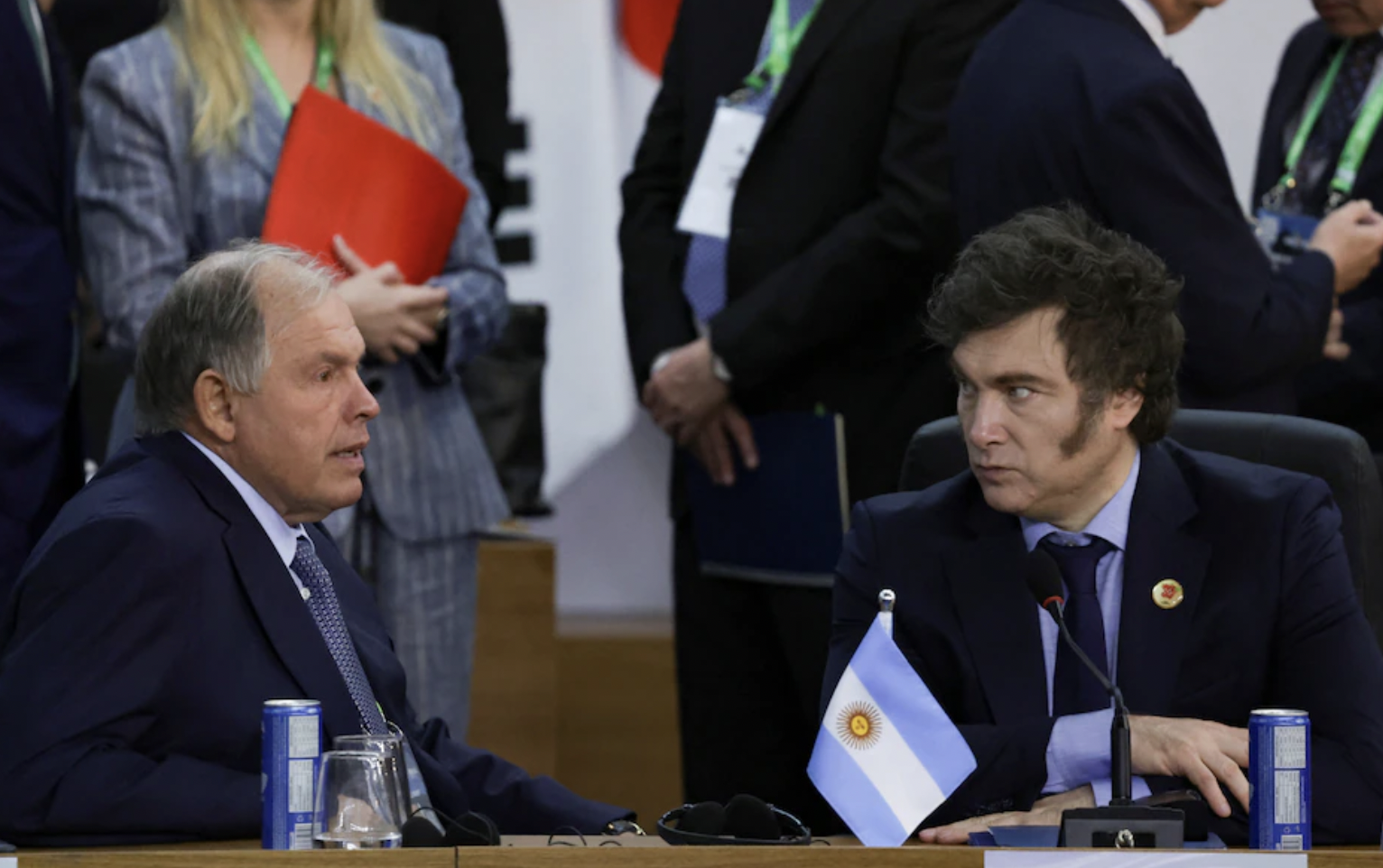
The leaders of the Group of the 20 major economies issued a joint declaration this Monday, November 18th, at the annual summit in Brazil. The document includes a "strong commitment" to fighting the climate crisis, consensus on the use of new technologies, and global economic perspectives, with discreet mentions of Gaza, Ukraine, and Lebanon.

IG: @infonegociosmiami
15 Tips to Understand the G20 Summit in Rio de Janeiro
Global Context: The G20 summit unfolds amidst international tensions over conflicts in Ukraine and Gaza, and the imminent return of Donald Trump to U.S. politics.
Main Objective: The goal is to secure $1 trillion in annual financing to help developing countries build sustainable infrastructures, such as solar power plants and irrigation systems, and to combat food insecurity.
Climate Agenda: A crucial focus is on how to finance the transition to clean energy, highlighting the importance of international cooperation in the fight against climate change.
Brazil's Leadership: President Luiz Inácio Lula da Silva has centered the agenda on the fight against hunger, emphasizing that eradicating this issue should be the legacy of the leaders present.
Moderate Expectations: It is anticipated that the final document of the summit will focus more on social issues, such as hunger eradication and climate action, rather than on strong political resolutions.
International Diplomacy: Lula has restored Brazil's non-alignment policy, seeking to protect national interests in an increasingly multipolar world.
Dialogue Challenges: Argentine negotiators have raised objections that complicate the drafting of a joint communiqué, highlighting internal divisions within the G20.

Aid Commitments: The summit includes the creation of a global alliance against hunger, with 82 countries signing the agreement, reflecting a collective commitment to food security.
Tax Proposals: Lula has proposed a 2% tax on the assets of the wealthiest, which could generate $250 billion annually to address social and environmental challenges.
International Cooperation: The Biden administration announced a $50 million contribution to the Amazon Fund, underscoring the U.S.'s commitment to environmental preservation and combating climate change.
Political Implications: Trump's arrival could change the U.S. foreign policy focus, affecting the dynamics of cooperation on crucial issues like climate and food security.
Lack of Russian Presence: The absence of President Vladimir Putin is notable, with Foreign Minister Sergey Lavrov representing Russia at the summit.
Interest in Women: Despite Argentine opposition, Brazil seeks to advance the declaration on women's empowerment, a topic that remains a priority.
Commitment to Ukraine: Biden reaffirmed U.S. support for Ukraine's sovereignty, underscoring the importance of maintaining unity in the fight against the Russian invasion.
Looking to the Future: The summit is presented as a turning point for Brazil, which seeks to consolidate its leadership in the fight against hunger and climate change on a global scale, despite political tensions.
G20 Declaration highlights concern over Gaza, Lebanon, and Ukraine.
-
Infonegocios RED: 4.5 million Anglophone Latinos reading business news daily.
-
Contacts: juan.maqueda@onefullagency.com or marcelo.maurizio@onefullagency.com
