According to a 2023 World Economic Forum report, the gender gap in leadership positions remains alarming: only 32% of global leadership roles are held by women (World Economic Forum, 2023). And it's not just about numbers; a McKinsey & Company study found that companies with greater gender diversity on their executive teams are 25% more profitable than those with less female representation (McKinsey & Company, 2020).



So, if inclusion isn't just a social justice issue but also a key factor in competitiveness and economic growth, why are some companies backpedaling?

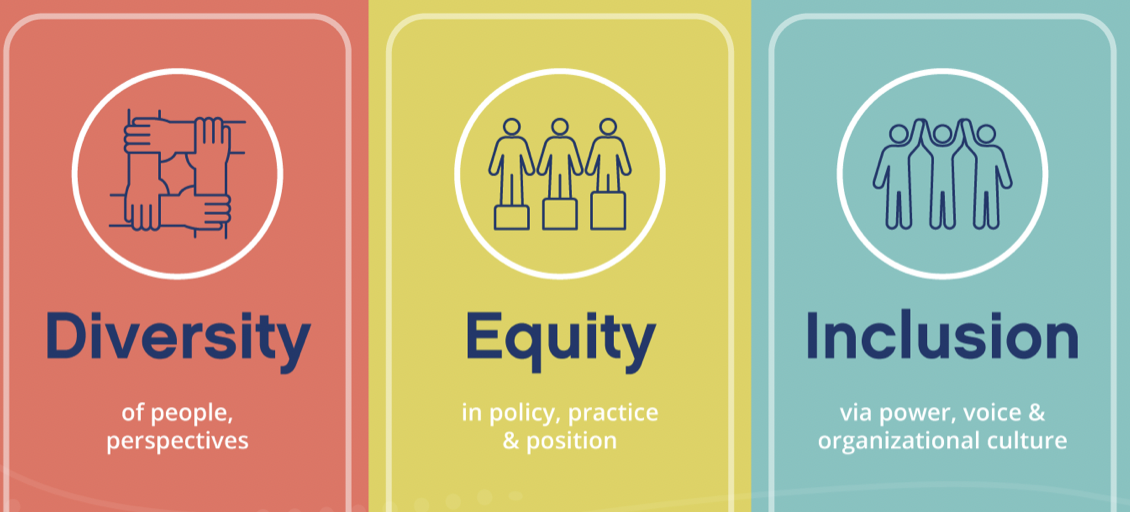
There seems to be a false dichotomy between merit and inclusion. Every time inclusion is questioned, what's really being debated is whether we believe in equal opportunity beyond lip service. The narrative pitting merit against diversity is misleading: diversity doesn't negate competence, it fuels it.
In sectors like tech, women's access remains limited. Only 28% of STEM (science, technology, engineering, and mathematics) jobs are held by women, according to UNESCO (UNESCO, 2022). This doesn't mean women aren't cut out for these roles, but that structural barriers continue to hinder their access and growth in these fields. Inclusion doesn't clash with talent; it ensures all talent has the chance to be seen and valued.

Let's look at concrete examples of how exclusion isn't just a corporate problem, but a phenomenon replicated across various spaces:
-
The Wage Gap Persists: Women earn on average 20% less than men for the same work, according to OECD data (OECD, 2023).
-
Rollback of Rights: In countries like Afghanistan, women have been banned from working in numerous industries and denied access to higher education (UN Women, 2023).
-
Bias in Artificial Intelligence: An MIT study found that AI facial recognition systems are 34% more likely to misidentify female faces than male faces, due to a database with fewer female representations (Buolamwini & Gebru, 2018).
-
Fewer Opportunities in Entrepreneurship: Only 2% of global venture capital funding goes to women-led startups, according to a PitchBook report (PitchBook, 2023).
However, inclusion can be a competitive advantage. While some companies view diversity as a mere marketing ploy, abandoning it as quickly as they adopted it, others understand that inclusion is the true engine of growth. Organizations that maintain DEI policies experience greater innovation, better talent retention, and a healthier work environment (Deloitte, 2022).
A clear example is Salesforce, which implemented a pay equity audit to ensure fair compensation, or Unilever, which pledged to have 50% of its management positions filled by women (Salesforce, 2023; Unilever, 2023). These companies aren't just leaders in diversity, but also in profitability and global recognition.
Real Change Starts at Home
Any transformation begins with personal reflection. Questioning biases, examining beliefs, and challenging structures are the foundation of change. It's not just about demanding equality in our words, but embodying it in how we educate, act, hire, and lead.
The question isn't whether inclusion deserves to exist. The real question is what kind of companies and societies do we want to build, and what are we willing to do to achieve that vision?
The future is inclusive because there's no real growth without diversity. And those who understand this today will be the leaders of tomorrow.
Sources:
-
Buolamwini, J., & Gebru, T. (2018). "Gender Shades: Intersectional Accuracy Disparities in Commercial Gender Classification". MIT Media Lab.
-
Deloitte (2022). Global Human Capital Trends Report.
-
McKinsey & Company (2020). Diversity Wins: How Inclusion Matters.
-
OECD (2023). Gender Wage Gap Report.
-
UN Women (2023). Impact of Gender Restrictions in Afghanistan.
-
PitchBook (2023). Women in Venture Capital Report.
-
Salesforce (2023). Workplace Equality at Salesforce.
-
Unilever (2023). Gender Balance in Leadership Report.
-
UNESCO (2022). Cracking the Code: Girls' and Women's Education in STEM.
-
World Economic Forum (2023). Global Gender Gap Report

Subscribe to Infonegocios Miami
https://infonegocios.miami/suscribite-al-newsletter
Contact Infonegocios Miami:
juan.maqueda@onefullagency.com
marcelo.maurizio@onefullagency.com