While Miami's summer of 2023 is special due to Messimania, where thousands of Argentinians decide to change their "climate" and come to Miami, and thousands and thousands of fans arrive to cheer for the pink jersey, all Miami residents also enjoy an extra reward: delicious mangoes blushing on the trees in gardens, streets, and shopping centers.
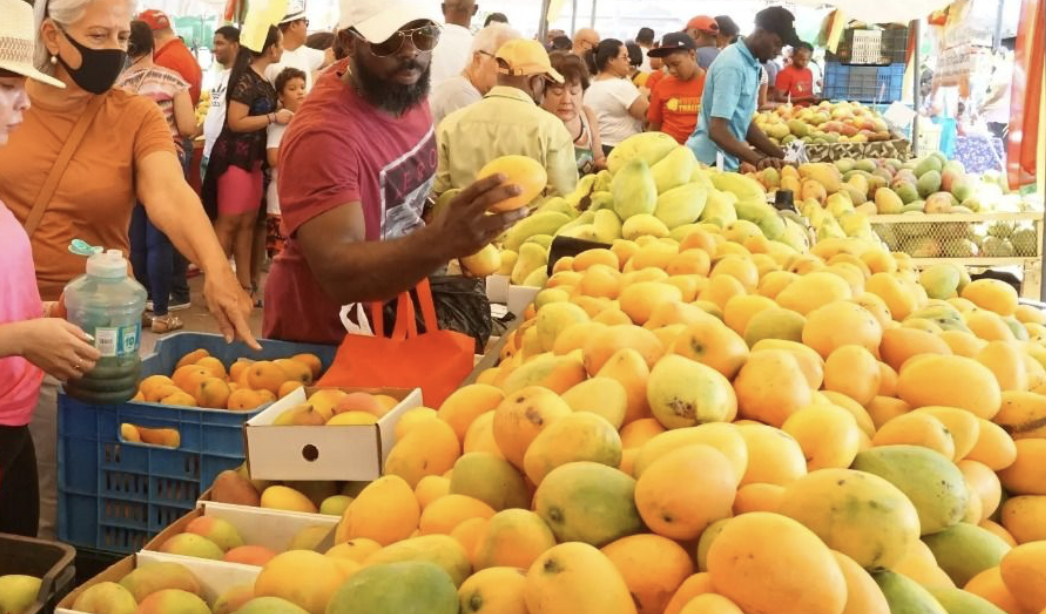
In Miami, mango is a highly appreciated fruit and is used in a variety of preparations, including ice creams, drinks or cocktails, and food recipes. Here are some ways in which mango stands out in Miami's culinary scene:
Mango ice creams: Many local ice cream shops in Miami offer mango-flavored ice creams during mango season. These ice creams are usually creamy and delicious, perfect for cooling off in the city's warm tropical climate.
Mango drinks and cocktails: Miami bartenders are known for their creativity in crafting drinks and cocktails. Mango is incorporated into various beverages to add a tropical and refreshing touch. For example, mango margaritas, mango daiquiris, mango piña coladas, and other combinations of mango with liquors and tropical flavors are common.
Mango salads: Miami restaurants often use mango in fresh salads to add a sweet and exotic flavor. It is combined with ingredients such as avocado, lettuce, cucumber, cilantro, and citrus dressings to create refreshing and flavorful dishes.
Mango ceviche: Ceviche is a popular preparation in Miami due to its proximity to the sea. Some places incorporate mango in their ceviche recipes to add a tropical touch and a sweet-and-sour note that complements the seafood flavors.
Mango sauces and chutneys: Mango is used in the preparation of sauces and chutneys that accompany seafood dishes, grilled meats, and Caribbean-inspired meals. These sauces highlight the natural mango flavor and enhance other ingredients in the dishes.
Mango desserts: In Miami's pastry scene, mango also plays a prominent role. It can be found in pies, cakes, cupcakes, and other desserts that offer a sweet and tropical experience to diners.
Additionally, various local bakeries, cafes, and restaurants also use mango in their products and menus. Some, like Zak the Baker in Miami's Wynwood neighborhood, have carried out interesting campaigns to promote the consumption of local mangoes, offering incentives like bread in exchange for mangoes contributed by customers.
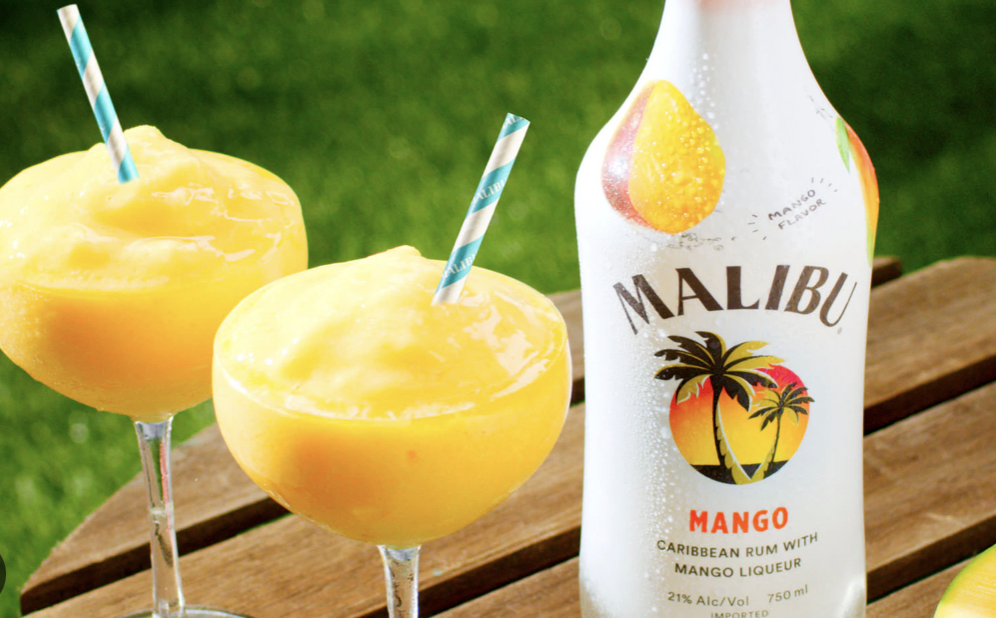
A must-try is the Malibu Mango with mango fruit blended with ice and a touch of lemon.
In general, mango is widely appreciated in Miami and has become an emblematic fruit that unites the diverse communities that make up the city. Whether in its fresh and juicy form or in various derivative products, mango is an important part of Miami's culinary identity and a delight that is fully enjoyed during the summer season.
Everyone in Miami loves mango, especially during the peak season from June to August. Sharing this beloved fruit brings people together in a relatively young and multinational city with few common traditions. Mangoes remind immigrants of the places they left behind, making them feel at home in Miami with its blend of cultures and languages.
"People from tropical countries, such as Southeast Asia, the Caribbean, or Latin America, grow up with mangoes," explained Jonathan H. Crane, a specialist in tropical fruit crops at the Tropical Research and Education Center of the University of Florida in Homestead, south of Miami. "So there is a connection with mangoes from their childhood."
Having grown up seeing mangoes in Venezuela, I didn't fully appreciate their succulence until I moved to Miami two decades ago. Since I don't have my own garden, I look for fruit that residents sell in the suburbs and keep some for my mother's mango ceviche. A friend hosts an annual mango daiquiri party, one of my favorite ways to celebrate the beginning of summer.
Mangoes began to have a presence in Miami in the mid-19th century when settlers introduced them to the region. Wealthy landowners of the time cultivated them for commercial purposes to make profits. However, immigrant workers from countries such as the Bahamas and Cuba also brought mango seeds with them, as this fruit reminded them of their homes. This emotional connection with mangoes persisted over time and has become a deeply rooted tradition in Miami's culture, especially among communities from tropical countries such as Southeast Asia, the Caribbean, and Latin America.
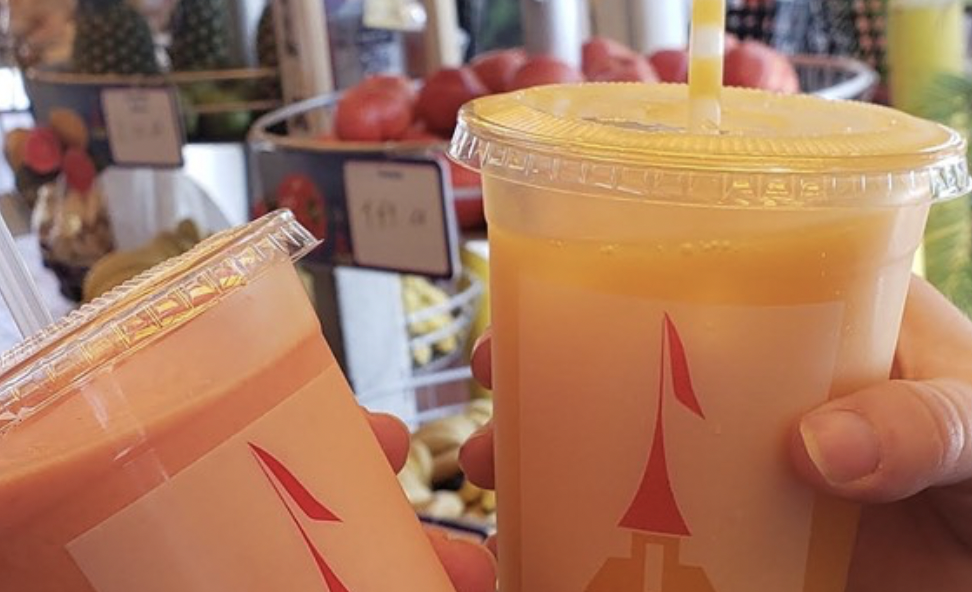
As for the juice brands that promote mango in Miami, some of the most well-known companies are Tropicana and Naked Juice. These brands offer juices and smoothies that include mango as the main ingredient or as part of tropical blends. These products are popular among locals and tourists alike, seeking tropical and exotic experiences when visiting the city.

Florida mangoes dominated the commercial market in the United States until Hurricane Andrew destroyed nearly half of the state's mango groves in 1992. International trade agreements then made mango imports from Latin America and the Caribbean cheaper, which were previously grown in Florida. Crane estimates that there are about 600 hectares left of the mango industry in Florida.
Last year, the cold weather affected the harvest, but a more typical winter and spring allowed for an abundant harvest this year, without scorching temperatures that threaten the fruit or the flowers that precede it.
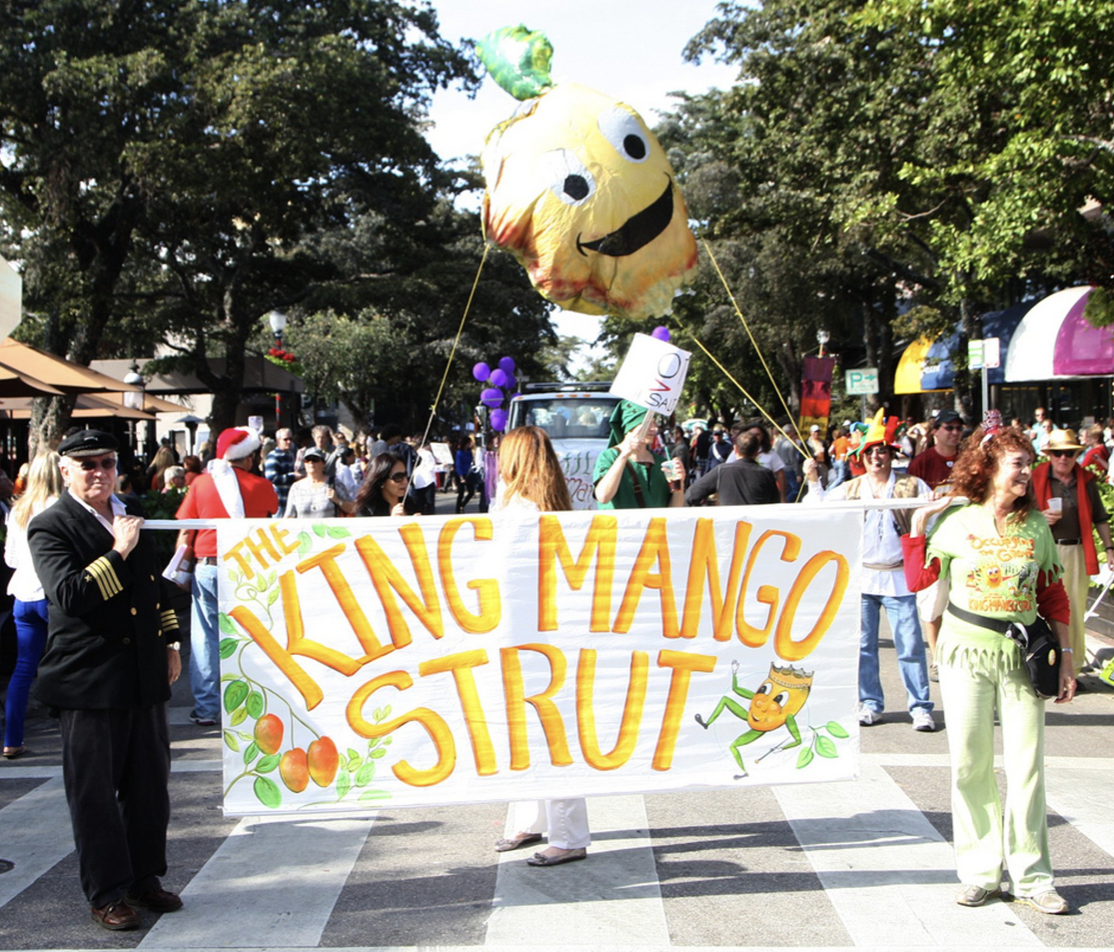
In Coral Gables, a luxurious suburb of Miami, the Fairchild Tropical Botanic Garden has 550 varieties of mango, one of the most diverse collections in the world. Bruce Greer, president of the board, helped organize an annual mango festival. On its 30th anniversary, it is expected to attract around 8,000 visitors this weekend.