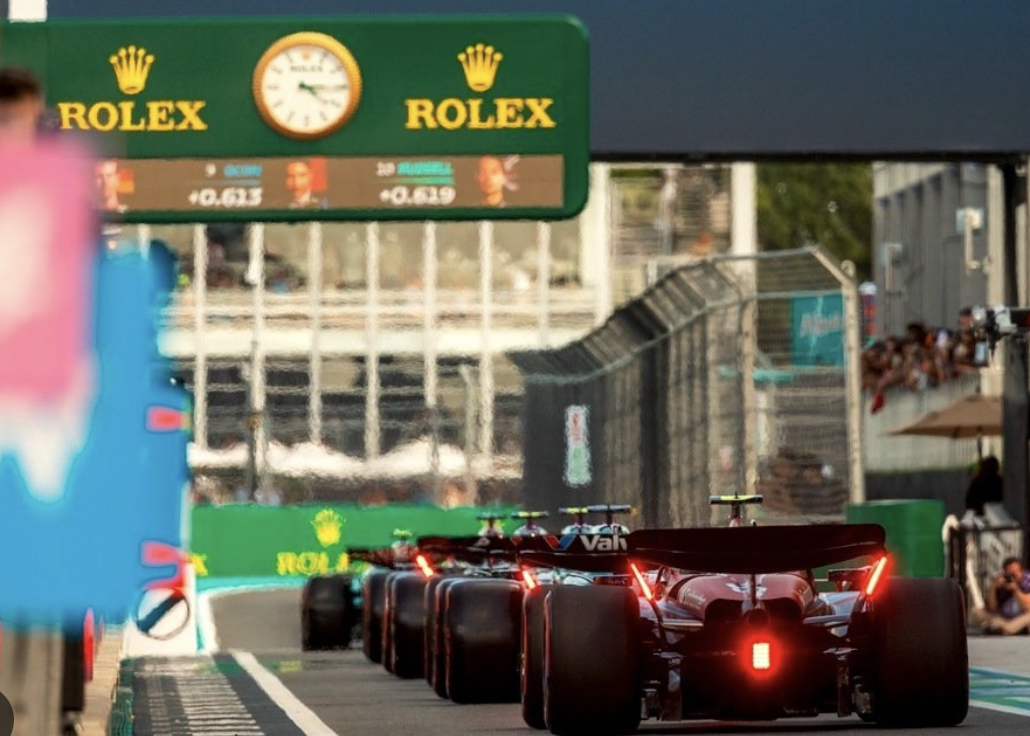
The battle for supremacy in the motorsport world is heating up as TAG Heuer, the iconic Swiss watchmaker, positions itself to challenge Rolex’s status as the official timing sponsor of Formula 1. With a potential contract that could reach $150 million annually, TAG Heuer's strategy carries significant financial implications and could redefine brand images in this elite sport. This article explores the relevance of this move in the luxury industry, TAG Heuer's historical connection to F1, and the potential repercussions for Rolex.
Key Insights:
-
TAG Heuer aims to become the official timing sponsor of Formula 1, taking on Rolex.
-
TAG Heuer's connection to F1 dates back to 1950, while Rolex has held the sponsorship since 2013.
-
The new agreement is estimated to cost LVMH $150 million annually.
Highlighted Points:
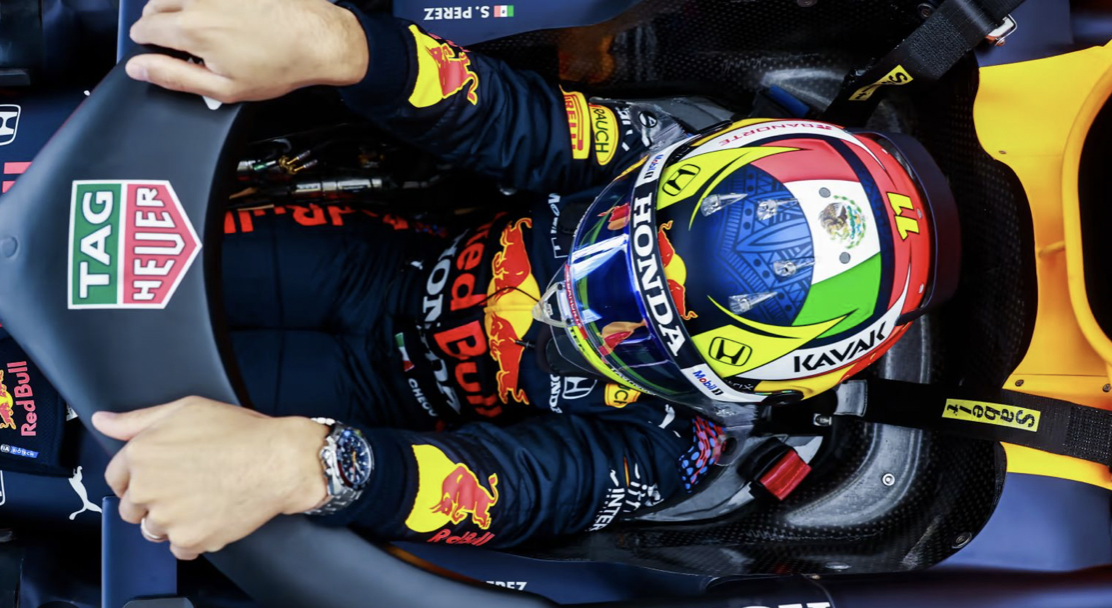
History: TAG Heuer’s relationship with F1 is rich and profound. Understanding it can deepen your appreciation for the sport.
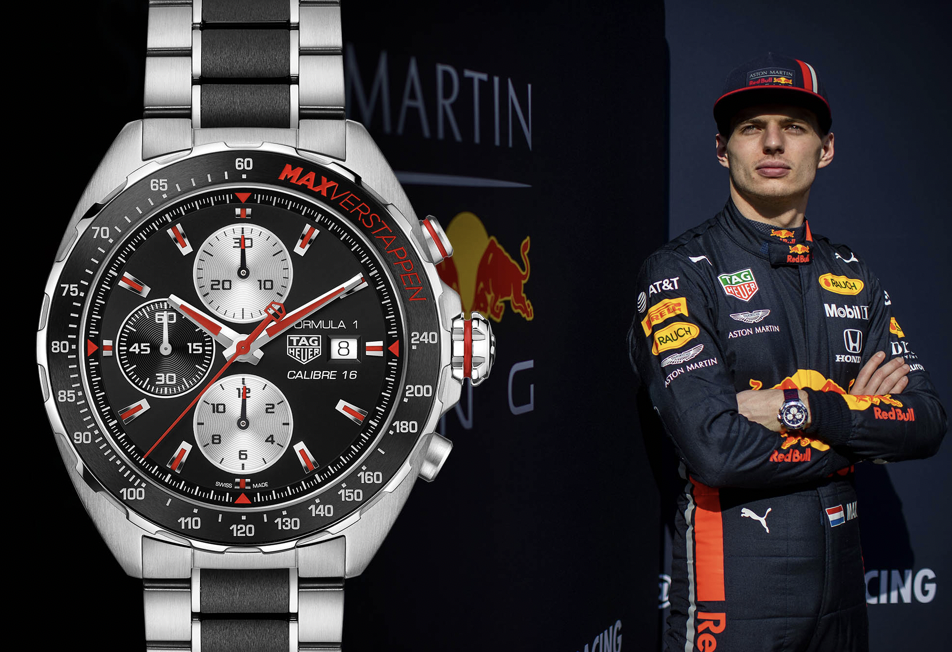
Trends: Whether in F1 or football, brands are strongly reassembling internal and external marketing and branding teams to implement real, value-driven actions.
There is a significant evolution map in sports sponsorship (also in art and entertainment), affecting brand perception and generating the demand for cross-category product-experience extensions.
Knowledge: A watch is not just an accessory; it’s a statement of style and status. The phenomenon of adding value to the consumer experience is a drastic cultural shift, serving as a natural defense against commoditization and hyper-competition. It transcends the notion that it’s not about the "what," but the "how."
The Historical Connection of TAG Heuer with Formula 1: A Legacy of Innovation
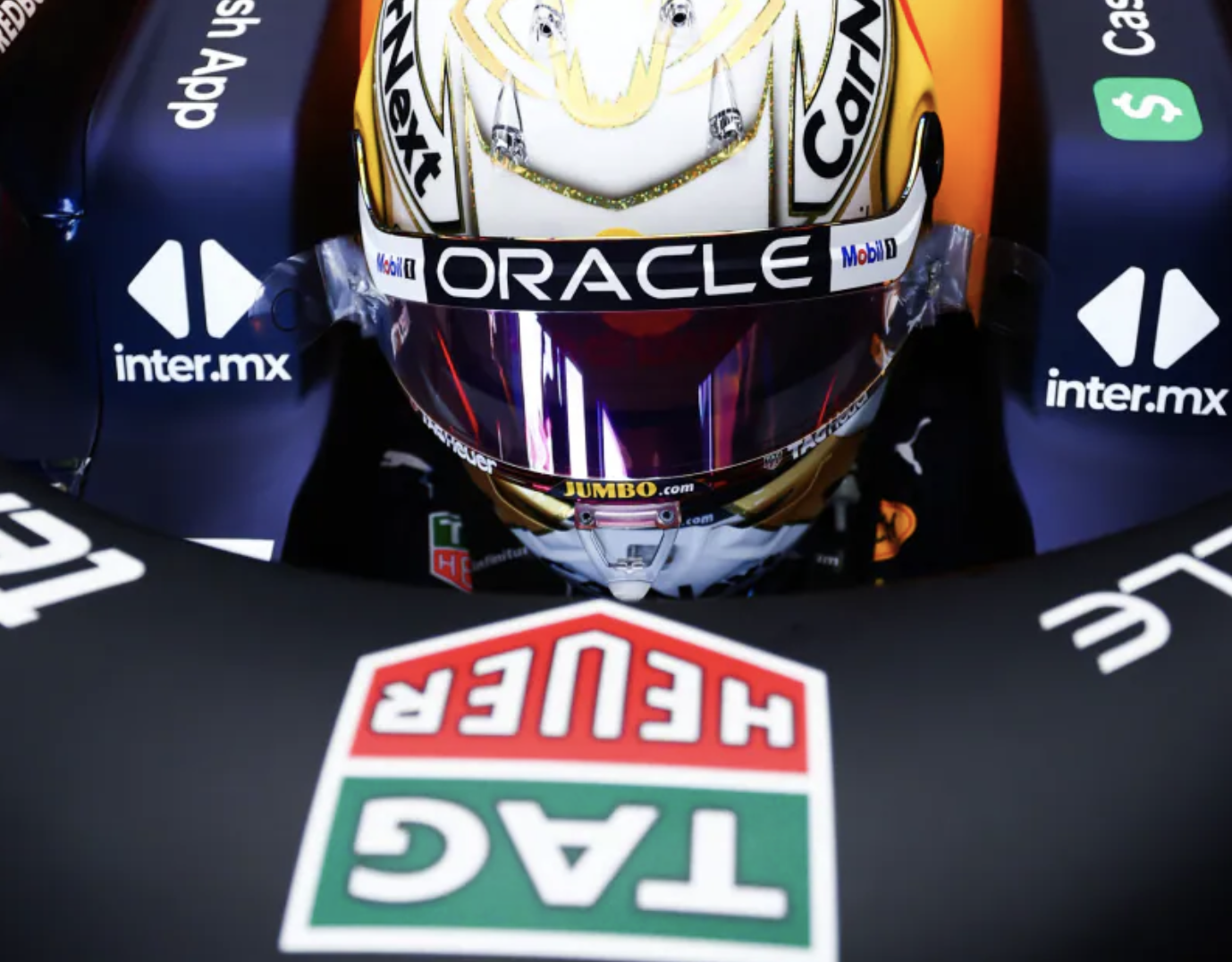
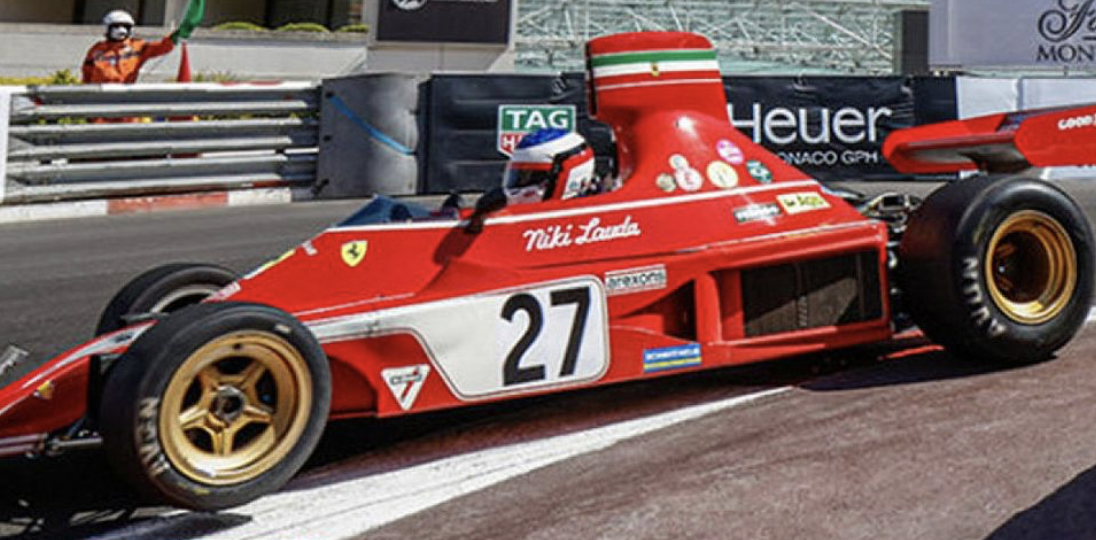
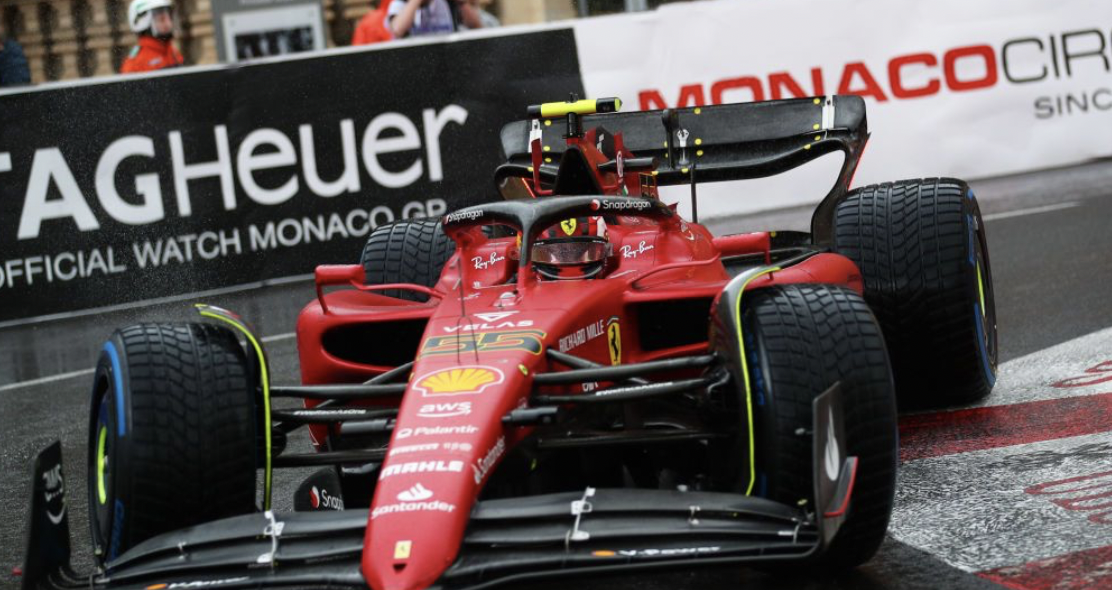
TAG Heuer is no newcomer to Formula 1. Since its first sponsorship in 1950, the brand has been intrinsically linked to the evolution of timing in the sport. In the inaugural championship race, teams used Heuer mechanical stopwatches, setting a standard for precision that endures today. This rich heritage of innovation and technical excellence has cemented TAG Heuer as a pillar in motorsport.
-
Fun Fact:
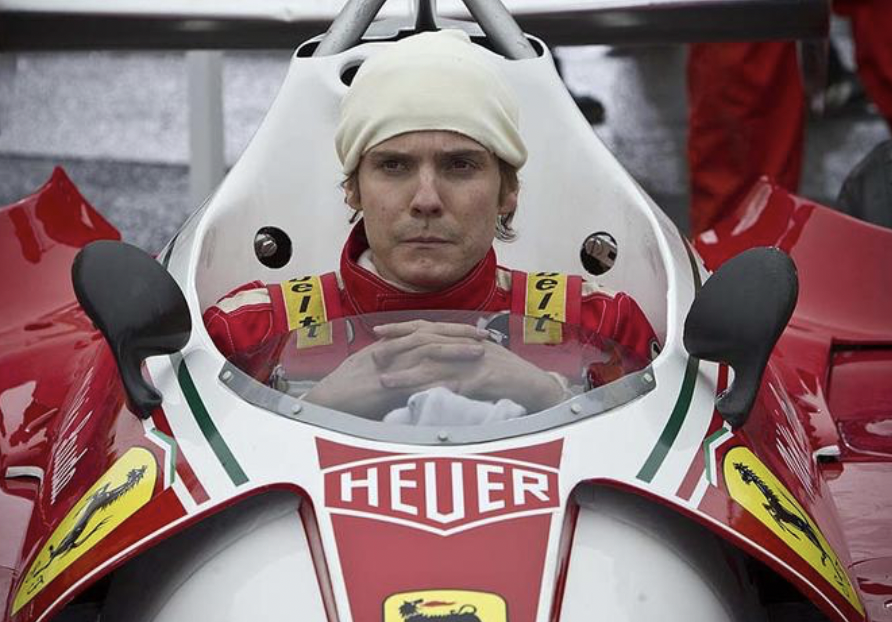
Enzo Ferrari commissioned Heuer to design a new timing system for the Cavallino Rampante in 1971. In return, the racing mogul added the watchmaker's logo to Ferrari’s F1 cars and uniforms, creating a cross-branding phenomenon.
-
The Modern Era
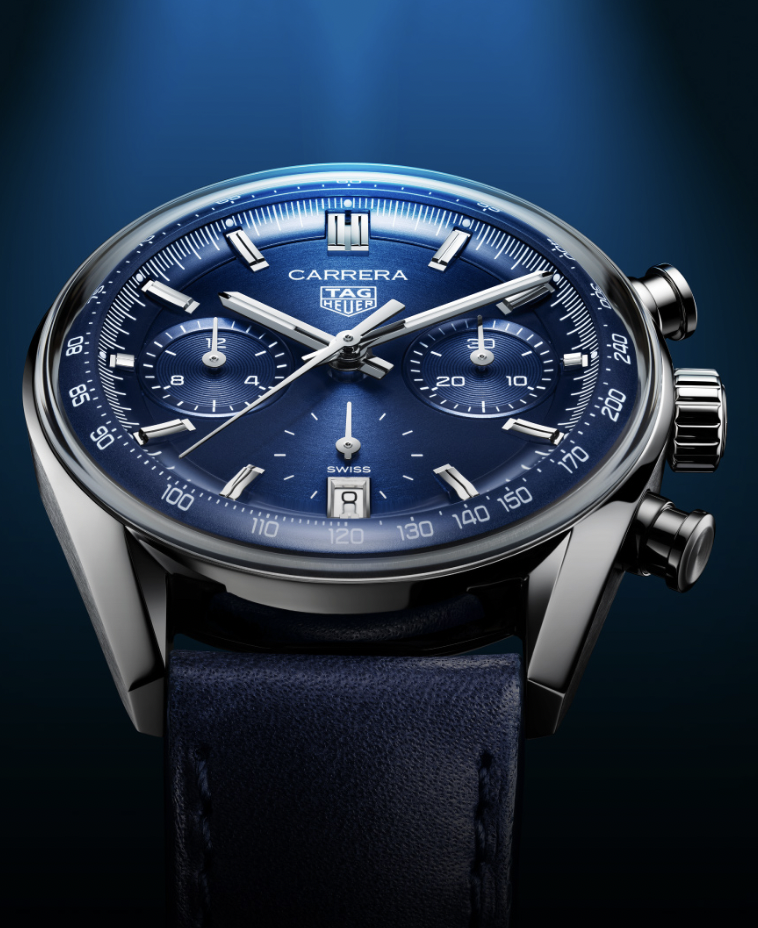
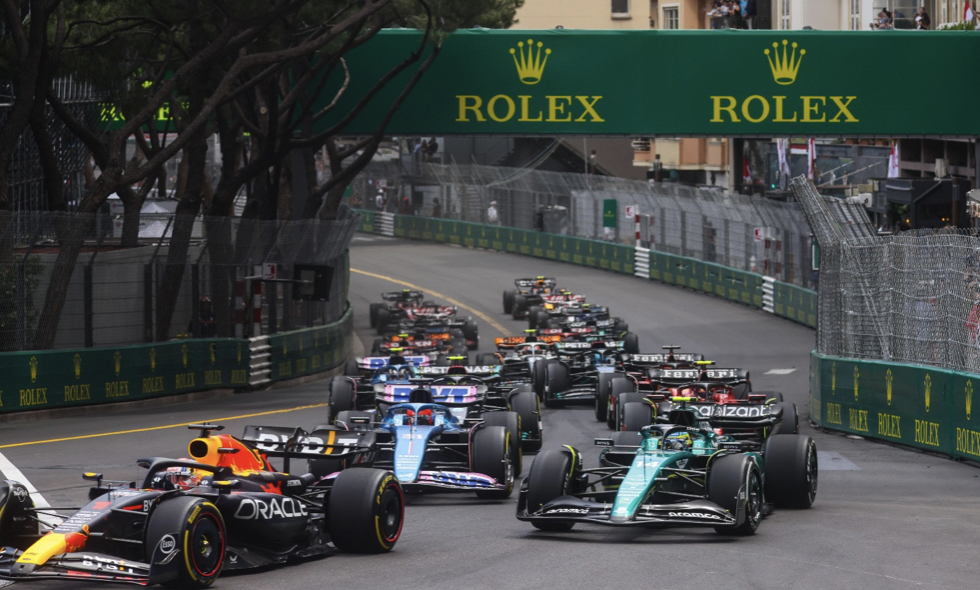
Today, TAG Heuer serves as the official timekeeper for the Oracle Red Bull Racing team, a role that allows it to maintain a strong presence on the circuit. However, with the rumored potential sponsorship deal, TAG Heuer could elevate its visibility to new heights, displacing Rolex from its dominant position. This move represents not just a business strategy but a shift in the narrative of how luxury brands engage with the sport.
Rolex: The Giant
-
Dominance and Recognition
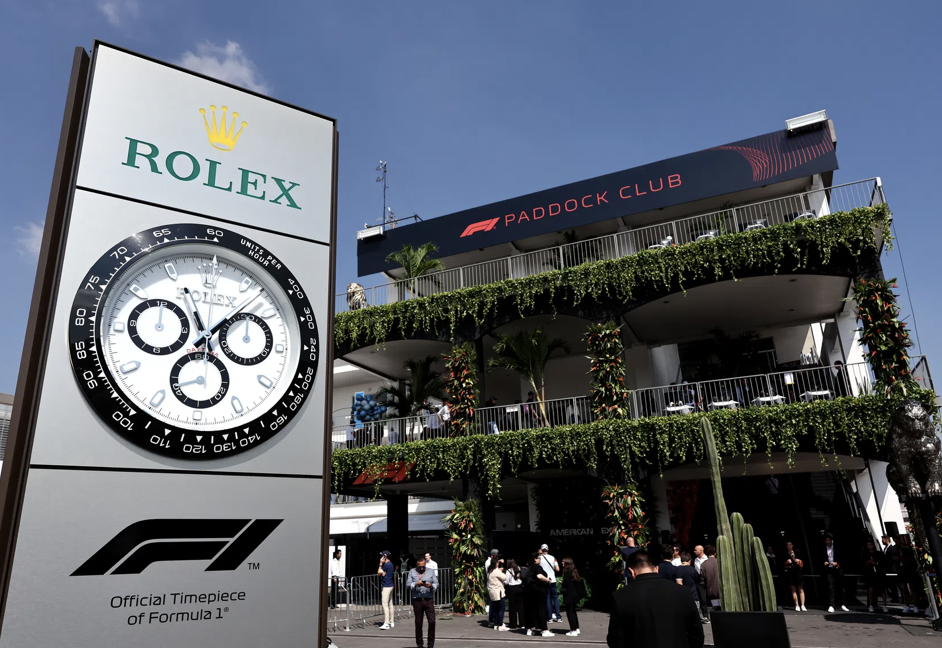
Since 2013, Rolex has been the global partner and official watch of Formula 1. Its presence at every Grand Prix, along with partnerships with motorsport legends, has reinforced its image as the benchmark watch in the sport. However, this longevity could also become a vulnerability. With TAG Heuer’s growing interest, Rolex may face a significant challenge.

-
The Crown's Response
Known as "The Crown," Rolex won’t sit idly by. With annual revenues reaching $11.5 billion, the brand has the resources to defend its status. But will it be enough? The race for pole position in Formula 1 isn’t just about financial resources; it also involves strategy, image, and emotional connections with fans.
-
A Financial Approach: Is It Worth It?
The Cost of Success
A $150 million annual contract is a considerable investment. LVMH, the conglomerate behind TAG Heuer, has annual revenues of approximately $93.5 billion, allowing it to absorb this expense without compromising its stability. However, it’s crucial for the brand to evaluate the expected return on investment (ROI) from this deal.
-
Income Comparison: TAG Heuer vs. Rolex
In the high-octane world of Formula 1, Rolex has firmly established its brand through a robust strategy and effective marketing. The burning question now is: can TAG Heuer replicate this success? History shows that emotional connections with consumers are crucial. TAG Heuer must craft a branding strategy that not only resonates with the F1 audience but also honors its legacy of innovation.
TAG Heuer, a Swiss watchmaker under the LVMH umbrella, is part of a luxury conglomerate that boasts prestigious brands across various sectors—from fashion to fine wines.
-
Acquisition and Comparison with Rolex
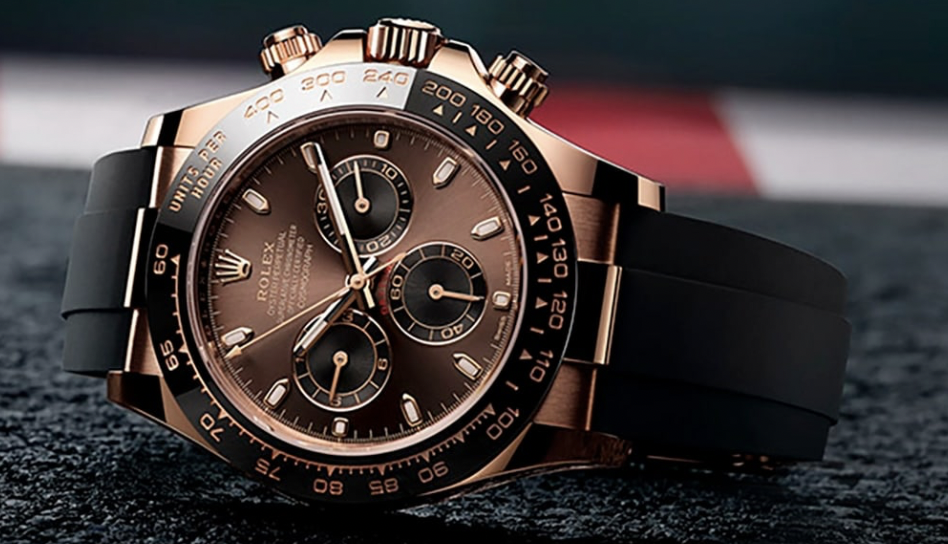
Acquired by LVMH in 1999, TAG Heuer's integration into this luxury powerhouse was a strategic move to bolster its portfolio within the watchmaking sector. In contrast, Rolex remains an independent titan, renowned for its quality and prestige, standing as one of the most recognized watch brands globally.
Market Share and Brand Value
TAG Heuer: While respected, TAG Heuer's market share pales in comparison to Rolex. Its brand value is significant, estimated around $1.5 billion, but it doesn't come close to Rolex's staggering valuation.
Rolex: With a brand value exceeding $9 billion, Rolex is considered one of the most valuable brands worldwide. Its substantial market share in the luxury watch segment positions it as a leader in sales and brand recognition.
Key Takeaways
As TAG Heuer leverages its position within LVMH to enhance its luxury market presence, Rolex continues to reign as an independent giant with unmatched brand value and market share. The prospect of TAG Heuer potentially usurping Rolex as the official sponsor of Formula 1 indicates the fluid and competitive dynamics within the luxury landscape.
While Rolex enjoys a solid partnership with F1, TAG Heuer's rich motorsport heritage provides a unique advantage that shouldn't be underestimated. TAG Heuer's strategy aims not only to capture greater market share but also to redefine brand perception in a realm where speed and precision are paramount. The race for the pole position transcends mere figures; it’s about creating emotional connections with fans, leveraging history and innovation as foundational pillars.
As we gear up for the next F1 season, it will be captivating to see how this rivalry unfolds. Will TAG Heuer solidify its position and unseat Rolex? Or will Rolex reinforce its dominance in a landscape where consumer loyalty is frequently tested?
Frequently Asked Questions (FAQs)
-
Why does TAG Heuer want to become the official F1 sponsor?
TAG Heuer aims to boost visibility and relevance in the luxury automotive sphere, capitalizing on its rich sporting heritage to attract new consumers.
-
What impact would this change have on Rolex?
Losing official sponsor status could diminish Rolex's perception as a leader in sports timing, though its strong legacy may help sustain its position.
-
What is the cost of F1 sponsorship?
The new deal could set TAG Heuer back around $150 million annually, a substantial sum reflecting F1's significance in luxury marketing.
-
What is TAG Heuer's history in F1?
TAG Heuer was the first watch manufacturer to sponsor F1 in 1950 and has historical ties to the sport, including partnerships with iconic teams like Ferrari.
-
How does this change affect the average consumer?
This sponsorship shift could sway consumer purchasing decisions, positioning TAG Heuer as a more relevant choice within the motorsport context and heightening interest in its products.
Summary Keywords:
#TAGHeuer #Rolex #F1 #Sponsoring #Branding #Value #Experience #Luxury #Formula1 #Marketing #DigitalValue
-
Infonegocios RED: 4.5 million Anglophone Latinos reading business news daily.
-
Sign Up for Free: Register and receive our newsletter by simply leaving your email and name here. (https://infonegocios.miami/suscribite-al-newsletter)

-
IG: @infonegociosmiami
