
Summary and Tips
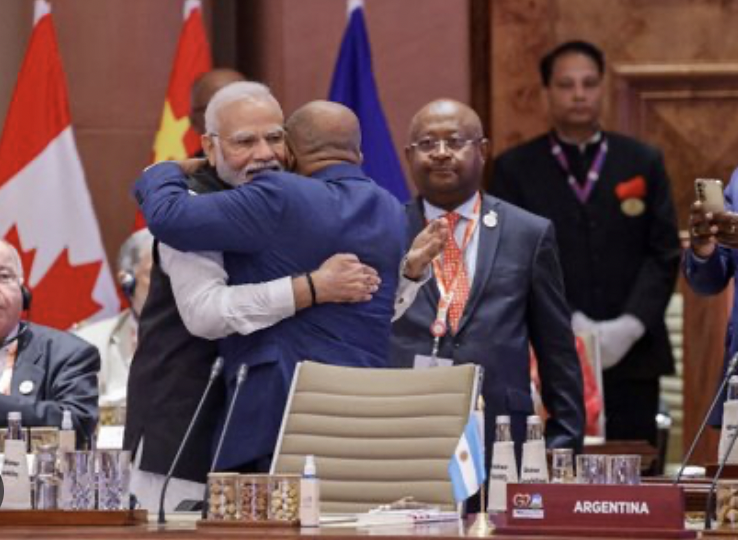
G20 leaders agreed on Monday in Brazil to a final declaration that includes only basic consensus on issues such as climate change, wars, hunger, and taxes on large fortunes. The major economies of the planet also included in the text the proposal for a "Global Alliance Against Hunger and Poverty."
Key Points:
-
The G20 declaration includes basic consensus on climate change, wars, hunger, and taxes on large fortunes.
-
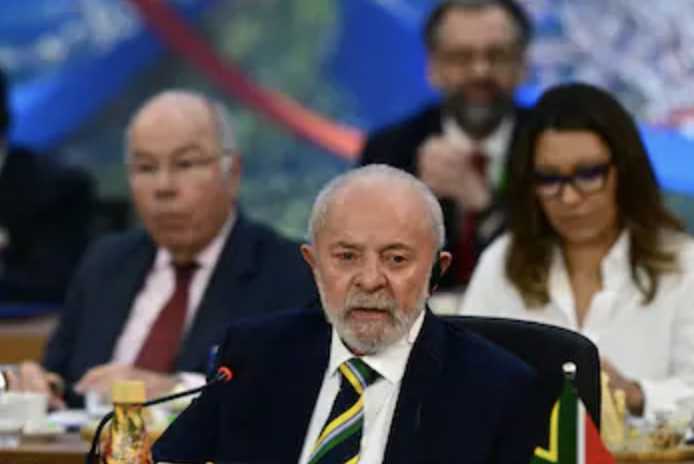
A "Global Alliance Against Hunger and Poverty" was proposed, driven by Brazilian President Luiz Inácio Lula da Silva.
-
The summit avoided clear commitments regarding climate financing and the energy transition.

IG: @infonegociosmiami
Highlighted Tips:
-
Analyze the global context: Understanding the background of these negotiations is crucial to appreciate their impact.
-
Stay informed: Closely follow the developments of COP29 and how they influence G20 decisions.
-
Engage in the conversation: Share your opinions and analyses on these topics on your social media.
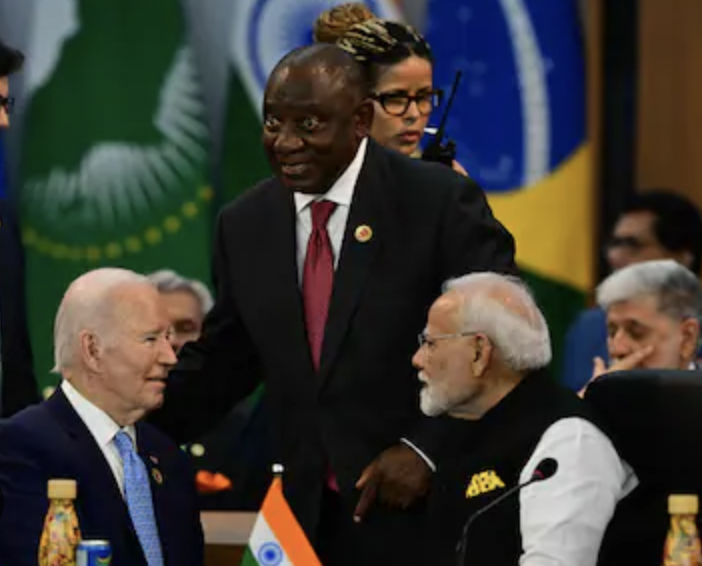
The G20 summit in Brazil has revealed both the urgency of global challenges and the limitations of the agreements reached. While steps have been taken towards international cooperation, the lack of clear commitments in critical areas such as climate change and social justice is concerning. "It is imperative that citizens and leaders around the world keep pressure on their governments to act decisively and responsibly."
-
The final reflection we should consider is how we can contribute to positive change in our communities, whether through advocating for more sustainable policies or supporting initiatives aimed at eradicating hunger and poverty.
The 4 Final Agreements.
-
"Few Climate Definitions"
Despite expectations that the G20 would drive significant progress at COP29 to be held in Baku, Azerbaijan, the group's final declaration does not provide clarity on climate financing. "The text did not specify whether developed countries should bear the full burden of assisting developing nations affected by global warming." This gap leaves many questions open about shared responsibility in a crisis that requires immediate action. Moreover, the prior commitment to gradually phase out fossil fuels was not mentioned, raising concerns about the seriousness of the group's climate commitments. "Without concrete goals, member countries seem to be evading their responsibilities in the fight against climate change."
-
"Russia Absent and Gaza 'Catastrophic'
The geopolitical situation also featured prominently on the G20 agenda. "Although the word 'war' was used in reference to Ukraine, the document avoided directly mentioning Russia." This diplomatic approach reflects the tension that persists among powers and their desire to maintain a constructive dialogue. Regarding the crisis in Gaza, the declaration expressed "deep concern over the catastrophic situation" in the region. However, "the lack of explicit condemnation of Israel and the omission of Israeli hostages raise questions about the G20's stance on humanitarian conflicts."
-
"Super-Rich on the Agenda"
A notable aspect of the summit was the focus on taxing ultra-high-net-worth individuals. "The Brazilian presidency succeeded in including a commitment to ensure that these individuals are effectively taxed, although with respect for tax sovereignty." This is an important step, but the text lacked concrete references to a global tax on the super-rich, a goal that Lula had persistently promoted.
-
"Against Hunger, Even Milei"
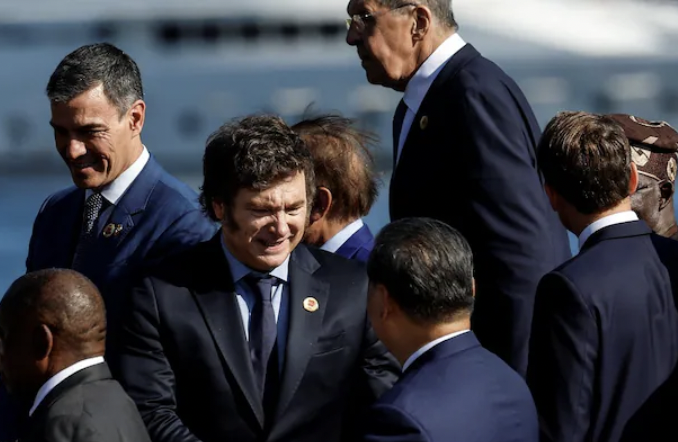
Perhaps Lula's greatest achievement at the summit was the creation of the "Global Alliance Against Hunger and Poverty." "With 82 countries adhering to this proposal, Brazil demonstrates its leadership on a crucial agenda." Despite initial reservations, Argentina, under the administration of Javier Milei, ultimately joined the initiative, underscoring the importance of international collaboration in the fight against hunger.
Infonegocios RED: 4.5 million Anglophone Latinos reading business news daily.
Sign Up for Free: Register and receive our newsletter by simply leaving your email and name here.
Contacts: juan.maqueda@onefullagency.com or marcelo.maurizio@onefullagency.com
IG: @infonegociosmiami