Important:

And in Portuguese in the Miami em Português section.
Summary and Key Tips
The FIFA World Cup 2030 will not only mark a centennial celebration but will also serve as a reminder of football's significance as a vehicle for unity and celebration in an increasingly complex global context. Get ready for an unforgettable experience where the passion for football will weave a narrative that connects millions!
World Cup 2030: To be held in Uruguay, Argentina, and Paraguay with opening matches in their capitals.
Globalization of the Event: For the first time, it will take place across three continents and six countries.
Message of Unity: Football as a vehicle for cohesion in a complex global landscape.
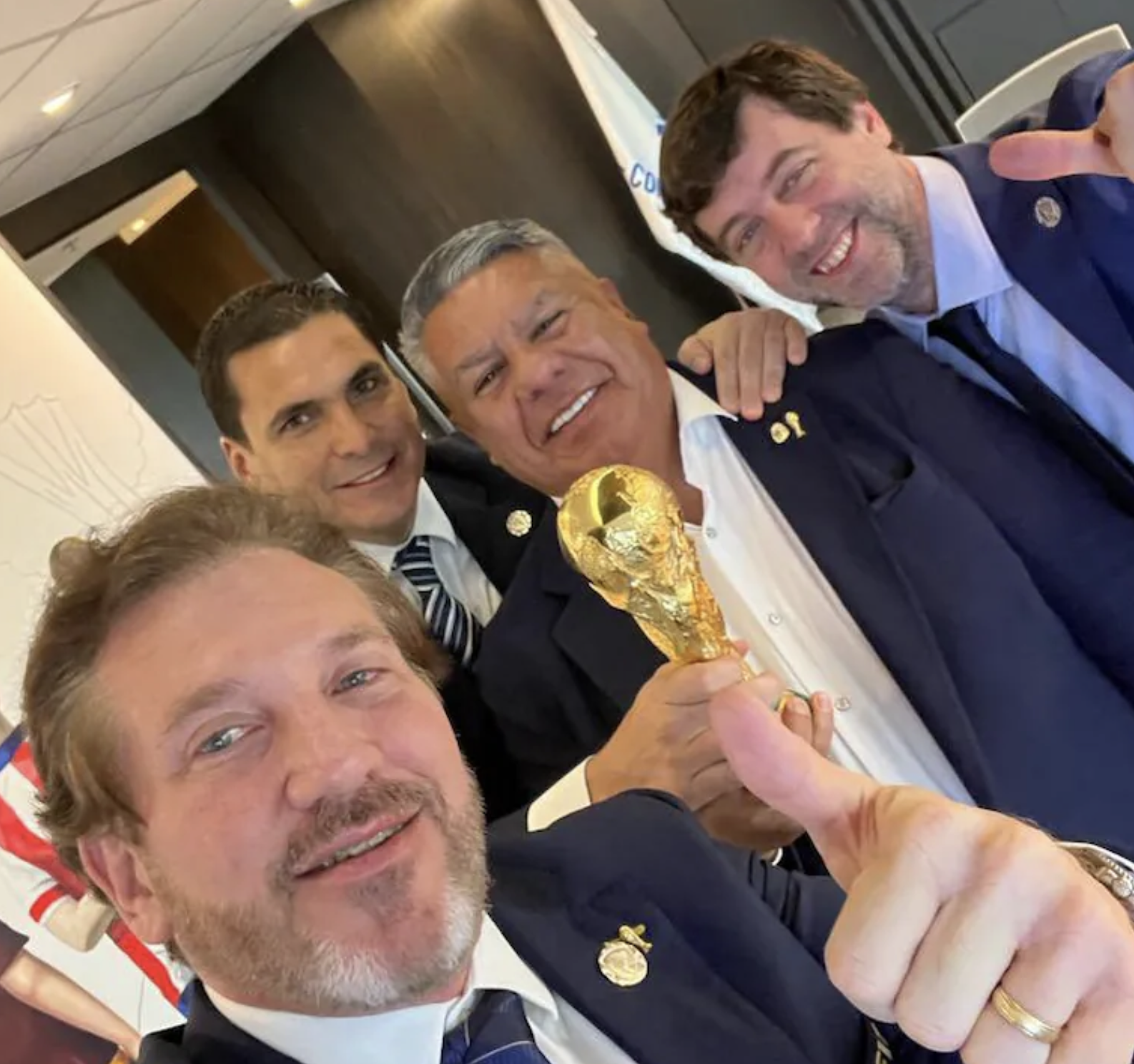
FIFA has yet to officially confirm that Spain, Morocco, and Portugal will be the main hosts of the 2030 World Cup, as voting will occur next year. However, it has been reported that the South American bid lacked the necessary backing to organize the Cup, leading officials to consider the possibility of hosting some matches in that region, which has now been realized.
Important:
Unity Through Football: The event symbolizes how sport can unite nations.
Centennial Celebration: Acknowledge the history and legacy of the first World Cup in 1930.
Active Participation: Get involved in celebrating and supporting South American teams.
IG: @infonegociosmiami
A Legacy That Transcends Borders
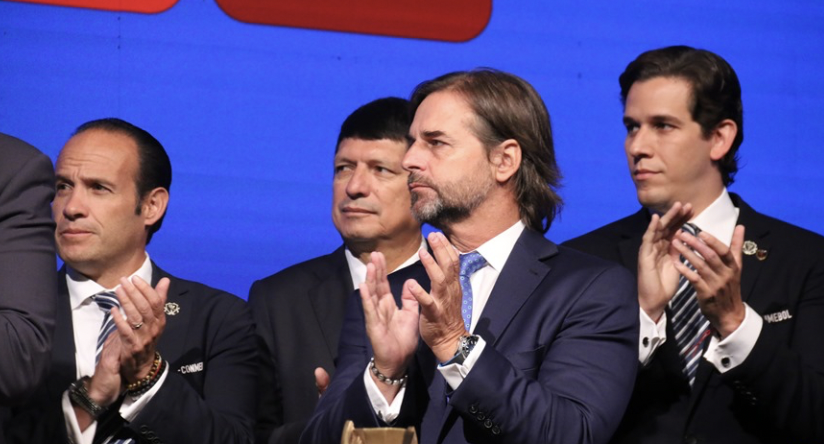
In light of this historic decision, Alejandro Domínguez, President of the South American Football Confederation (CONMEBOL), emphasized that "today we have the responsibility to make history." This commitment not only reflects the passion for football in South America but also highlights the importance of remembering those who laid the foundations of the sport on the continent. With words that resonate strongly, Domínguez stated, "Football is lived with immense passion in South America," and that "the three countries, Uruguay, Argentina, and Paraguay, are ready and capable of making this possible."
The History Begins in Montevideo
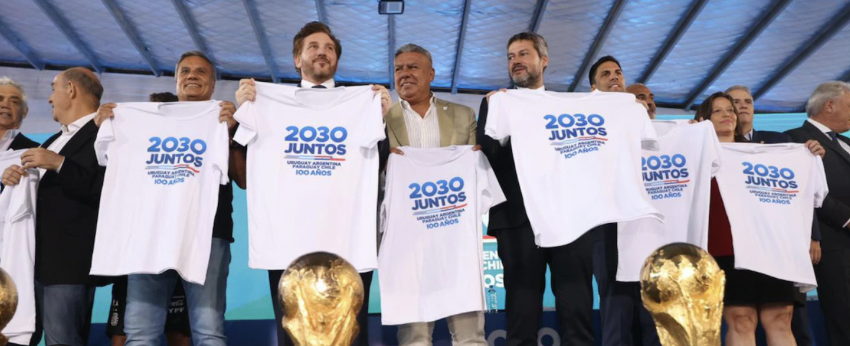
The selection of Montevideo as the host city for the inaugural match is emblematic. It is here where the history of world football began in 1930. The Uruguayan capital, along with Buenos Aires and Asunción, will be the stage where the passion and history of the tournament will be revived. This symbolism is undeniable and adds a layer of national pride for the host countries.
A Global Event
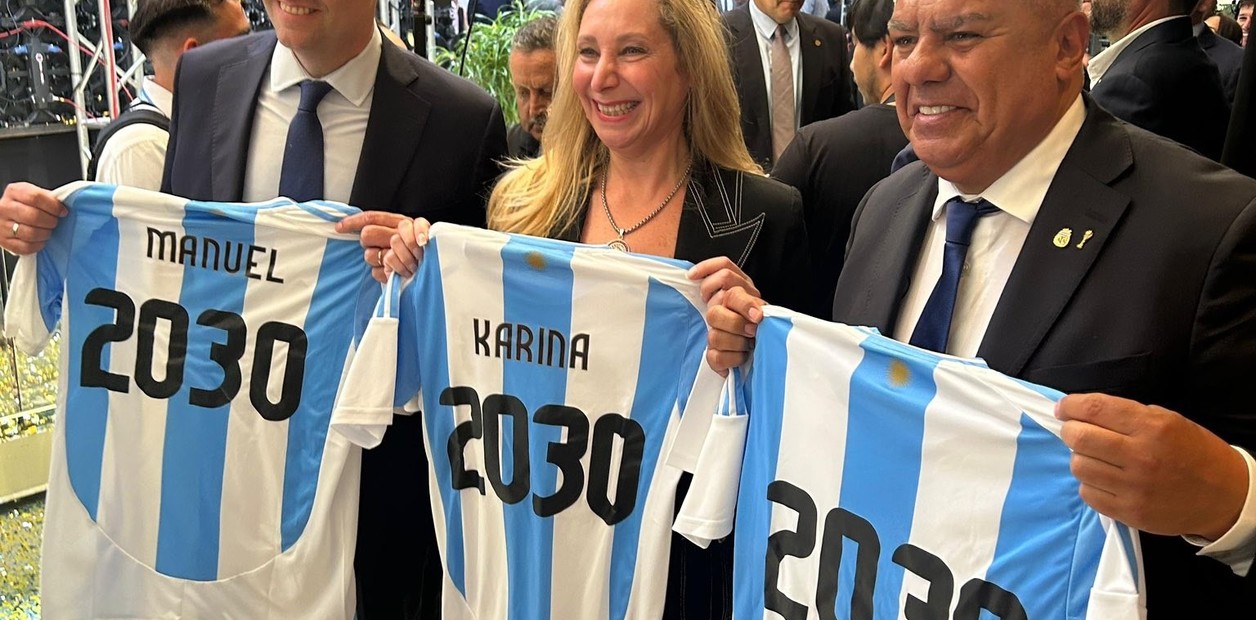
The remainder of the World Cup will extend to other European and African countries, such as Spain, Portugal, and Morocco, highlighting the growing globalization of football. This multi-continental approach will not only attract a diverse audience but will also allow various cultures to intertwine through the footballing experience.

IG: @infonegociosmiami
Final Reflections: A Call for Unity
CONMEBOL, along with other international bodies such as UEFA and CAF, has expressed gratitude to FIFA for recognizing the historical significance of this event. At a time when the world faces multiple challenges, football emerges as a powerful messenger of unity and hope. It is imperative that as sports fans, we celebrate this occasion not just as a tournament, but as a symbol of what we can achieve together.
Frequently Asked Questions (FAQs)
Why will the FIFA World Cup 2030 be held across three continents?
This approach seeks to reflect the globalization of the event, allowing more countries to participate and engage in the celebration of football.
Which countries will host the opening matches?
The opening matches will take place in Uruguay, Argentina, and Paraguay.
How will this event impact tourism in South America?
The World Cup is expected to attract millions of visitors, benefiting the local economy and promoting tourism in the region.
What message does FIFA send by choosing South America for this event?
The choice of South America reinforces the idea that football is a global unifier, capable of overcoming conflicts and divisions.
-
Infonegocios RED: 4.5 millones de anglolatinos unidos por la pasión de los negocios.
-
Suscribete sin cargo, para recibir las notas más estratégicas, agiles y de valor en: https://infonegocios.miami/suscribite-al-newsletter

-
Contacto con Infonegocios MIAMI:
juan.maqueda@onefullagency.com or marcelo.maurizio@onefullagency.com