Highlighted Learning Tips:
-
"Brands must be generous in their experiences."
-
"Explore the potential of interdisciplinary collaborations.”
-
"Maintain a focus on sustainability and social responsibility."
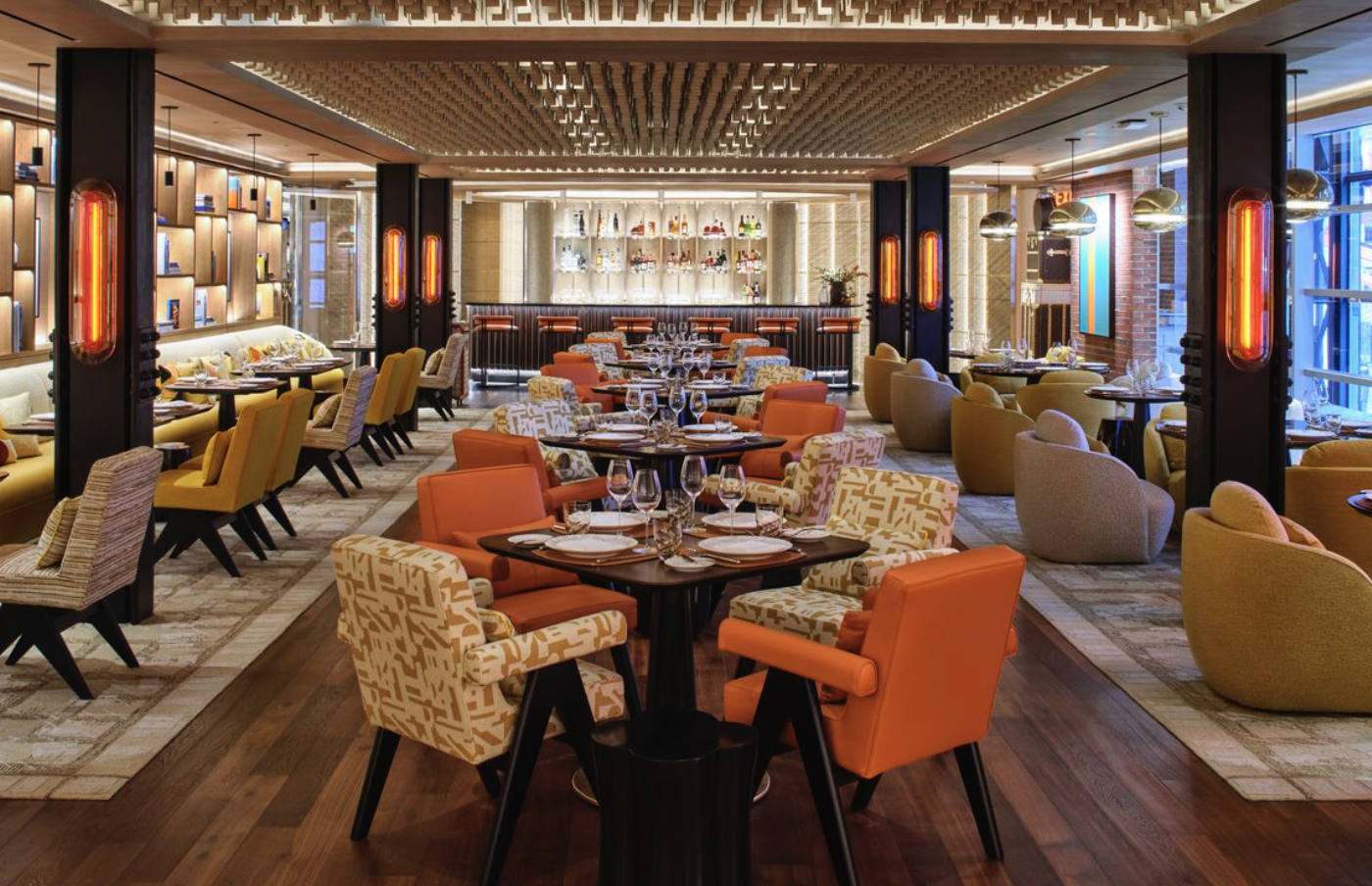
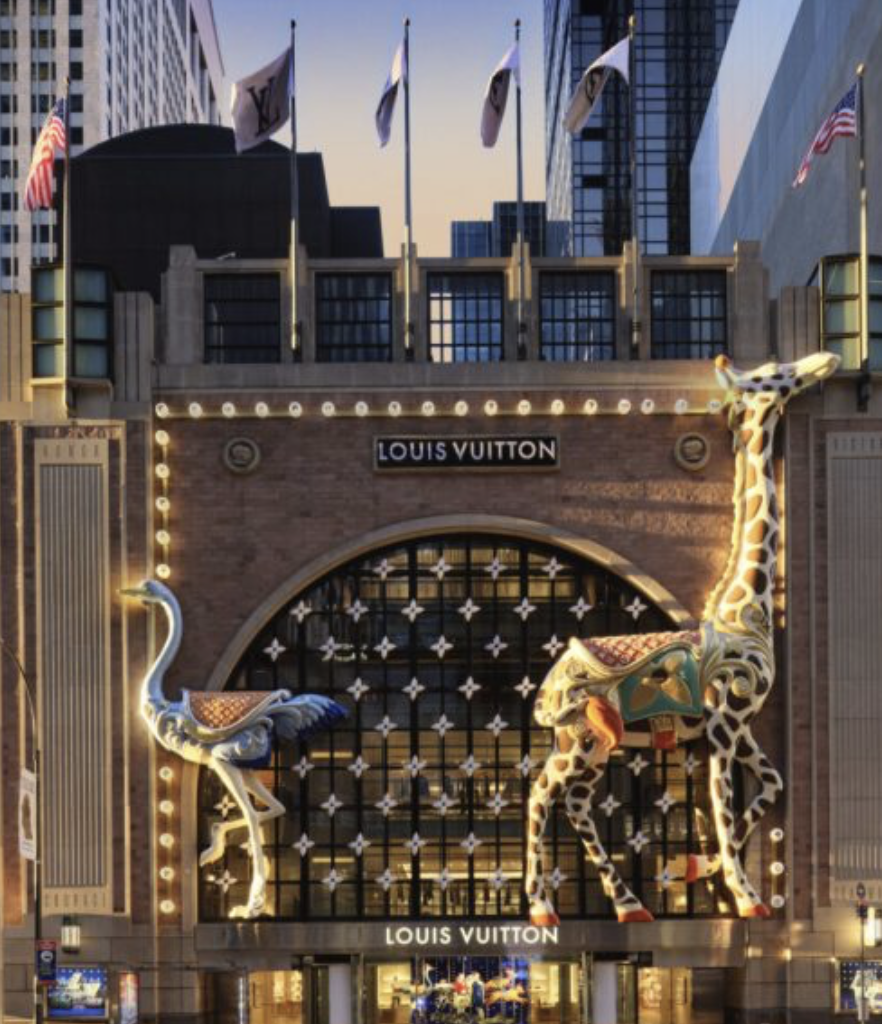
New Louis Vuitton Café Bar in NW.

IG: @infonegociosmiami
Strategic Keys for 2025 for the Global Market:
-
In the post-pandemic era, and with a return to the 90s + online, luxury brands have demonstrated that their relevance lies in their ability to adapt and evolve. "Generosity in customer experience is the new standard," and this applies not only to luxury niches but to the entire market, in order to avoid being transformed into commodities, conclude neuromarketing experts.
-
By merging, co-creating, crossing categories, and offering unique experiences, these brands not only maintain their status but also create a lasting impact on the perception of luxury.
-
Today’s brands create worlds; it’s no longer just cross-marketing, but crossing marketing. Everything a brand does must be an experience, a continually expanding journey.
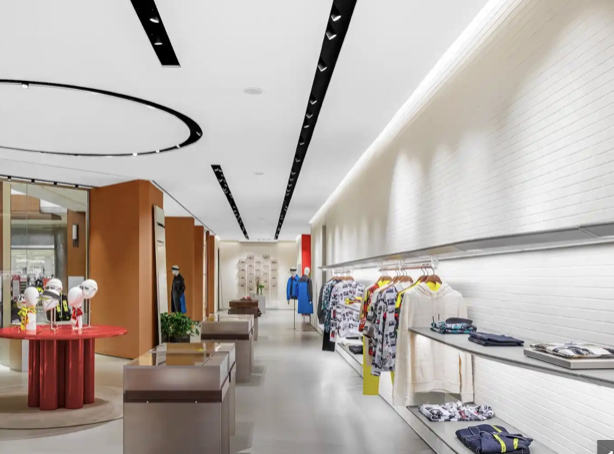
The First Lesson to Learn:
Brands today are amplified experiences beyond their products in phydigital experiences.
-
Expansion of Categories and Experiences:
Luxury brands are diversifying their portfolios by offering experiences that transcend their products. From gastronomy to art, luxury has become a multidimensional concept.
Gastronomy and Sensory Experiences:
Brands are creating synergies with gastronomy, offering unique experiences that blend luxury with haute cuisine. "By partnering with renowned chefs, luxury brands are creating exclusive events that attract connoisseurs of fine living," remarks a brand experience expert.
-
Wellness and Relaxation Spaces:
Wellness has become a priority. "Brands like Dior are venturing into the spa and hotel industry, offering relaxation experiences that reinforce their luxury image," states a trends specialist. These initiatives not only expand their reach but also create an emotional bond with consumers.
-
The Role of Sustainability in Luxury:
"Luxury consumers seek not only high-quality products but also brands that demonstrate a genuine effort to reduce their environmental impact." This is an undeniable fact today. Sustainability has become a fundamental pillar for the success of luxury brands. According to recent studies by Brand Finance, brands that implement sustainable practices see an increase in consumer loyalty. For instance, brands like Louis Vuitton have integrated strategies that promote ethical production and responsible resource usage. This not only reinforces their image but also positions them favorably among an increasingly environmentally conscious audience.
Innovation, Partnership, and Adaptability: Keys to Success:
"In a highly competitive environment, luxury brands must find the balance between preserving their legacy and embracing modern trends." The ability to innovate is vital. Brands that adapt to market changes, particularly in technology and digital platforms, manage to stay relevant. Porsche, for example, not only leads the luxury automobile market but has also pioneered the electrification of its vehicles. Its cafes offer a unique experience, alongside partnerships and co-creation with eyewear brands, sports footwear, watches, immersive experiences, museums, VIP travel, professional and semi-professional racing categories, and, of course, fashion lines, boutiques, and collaborations with toy brands.
This proactive approach not only attracts traditional consumers but also a new generation that prioritizes sustainability.

What Makes These Brands So Valuable?
The success of these brands is not solely based on the quality of their products but on their ability to forge an emotional connection with their consumers.
Can Only Large, Multinational Luxury Brands Achieve This?
Definitely not; even smaller enterprises can embody the same DNA. Marketing strategies focused on exclusivity, care, excellence, and generosity in attention, promotion, demonstration, and activation of their collections, products, and services are essential. It’s about having a broad vision and a mindset that understands that one does not just sell; one creates value to encourage purchases. The passion for ensuring that consumers love our brand allows us to create worlds rather than merely produce items.
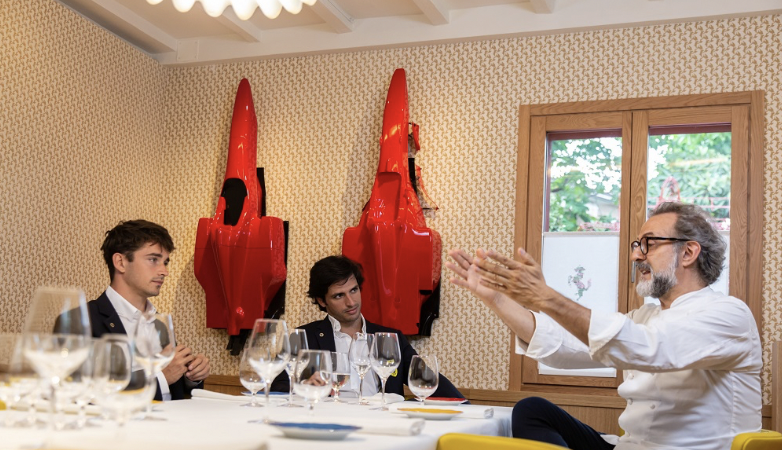
Ferrari Restaurant in Barcelona.
The Ten Most Valuable Luxury Brands in 2024
Next, we will explore the most valuable brands in the luxury sector, based on their brand value and ratings according to Brand Finance.
Porsche
Country: Germany
Brand Value: $43.117 billion
Rating: AAA
"Porsche remains the most valuable luxury brand in the world, thanks to its adaptability and commitment to electrification."
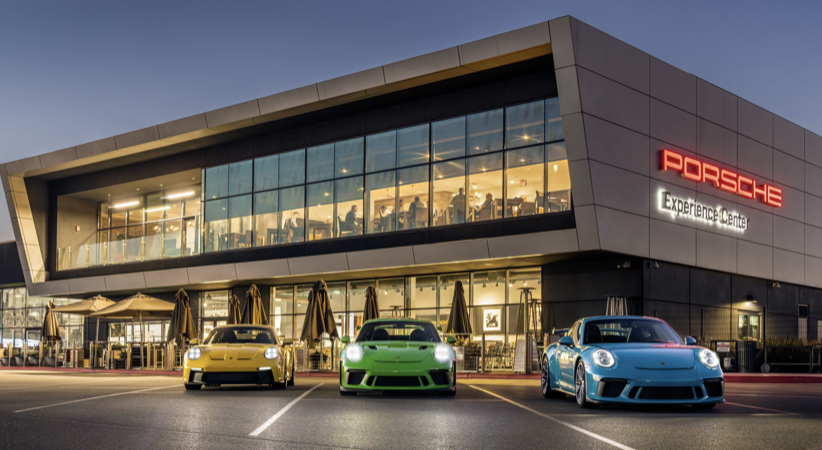
Porsche Bar in Singapore
Louis Vuitton
Country: France
Brand Value: $32.235 billion
Rating: AAA
"Louis Vuitton blends high-quality products with innovative marketing strategies, maintaining a strong brand identity."
Chanel
Country: France
Brand Value: $26.068 billion
Rating: AAA
"Chanel has successfully fused tradition with innovation, preserving its essence through iconic products."
Hermès
Country: France
Brand Value: $16.676 billion
Rating: AAA
"Hermès' meticulous craftsmanship and focus on exclusivity position it as a leader in the market."
Gucci
Country: Italy
Brand Value: $14.864 billion
Rating: AAA
"Gucci has adeptly reinvented itself, capturing the attention of new generations with its bold aesthetic."
Dior
Country: France
Brand Value: $14.653 billion
Rating: AAA
"Dior combines classic elegance with modern trends, reinforcing its commitment to sustainability."
Rolex
Country: Switzerland
Brand Value: $10.711 billion
Rating: AAA+
"Rolex is synonymous with luxury and precision, maintaining strong demand despite economic challenges."
Cartier
Country: France
Brand Value: $13.632 billion
Rating: AAA-
Ferrari
Country: Italy
Brand Value: $10.581 billion
Rating: AAA+

Tiffany & Co.
Country: United States
Brand Value: $8.528 billion
Rating: AAA
The New Horizon of Luxury: Brands Going Beyond Products in the Post-Pandemic Era
In a world that has dramatically changed post-pandemic, luxury brands have had to reinvent themselves to remain relevant. This phenomenon is not limited to fashion or automotive; brands are now exploring uncharted territories, merging categories and creating multisensory experiences that captivate consumers. In this article, we will examine how the planet's most valuable brands are expanding their influence beyond their traditional products. From the artistry of jewelry to the power of automobiles, we will discover how these brands are generating added value that transcends luxury.
-
Infonegocios RED: 4.5 million Anglophone Latinos reading business news daily.
-
Contacts: juan.maqueda@onefullagency.com or marcelo.maurizio@onefullagency.com