Recognizing Fanatic Bias and Populism: The Importance of Self-Criticism
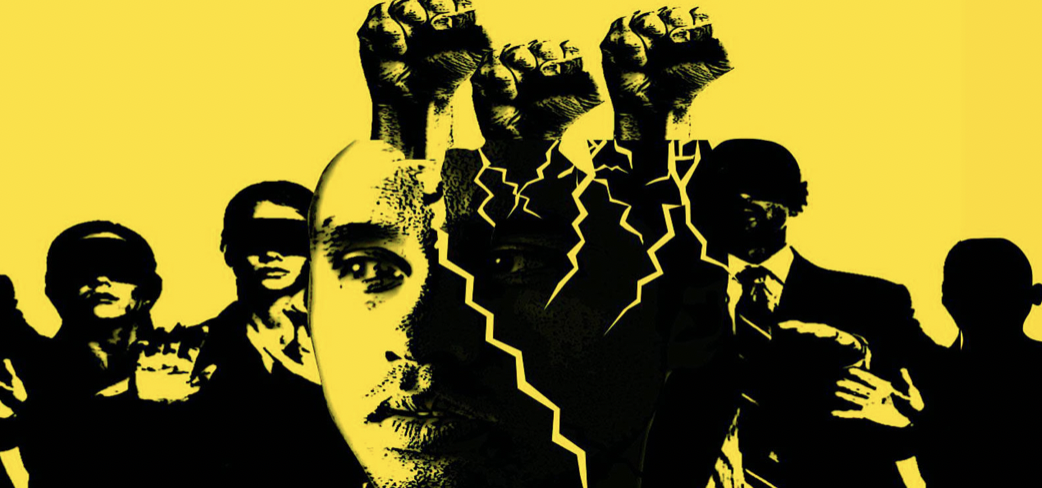
Fanatic bias is characterized by unconditional adherence to an ideology, political leader, dogma, or party, where personal opinions become inflexible and closed to any kind of debate or criticism. In the context of 21st century populism, this bias is further exacerbated, with charismatic leaders using simplistic and polarizing discourse to gain followers.
To recognize if a society, an individual, or a political party is a victim of populism, it is important to be attentive to certain indicators:
-
Polarizing discourse: Populist leaders often divide society into "us" versus "them," promoting confrontation and demonizing those who disagree with their vision.
-
Exaggerated promises: Populists tend to offer quick and simplistic solutions to complex problems, without a realistic basis or a clear plan for implementation.
-
Disregard for institutions: Populist leaders often discredit existing institutions, such as the judicial system, independent media, or oversight bodies, claiming they are corrupt or manipulated.
-
Promotion of concentration of power in the state and lack of separation of powers.
-
Personal charisma: Populists focus on their own image and use persuasive communication techniques to create a cult of personality, diverting attention from real issues.
-
Distortion of nationalism into fanaticism.
-
Inflexibility towards criticism. Lack of self-criticism.
-
Denial of reality and comparison.
-
Promotion of unconditional acceptance of any situation based on supposed causes.
-
Appeal to ideologized cultural emotions over the rationality of results.
-
Utilization of institutions as ideological instruments instead of civic impartiality.
Fanatic bias and 21st century populism represent significant challenges for our societies. It is perhaps the main scourge today where powers of all kinds use it to stagnate societies, countries, regions, and play their own game. Recognizing the signs of these trends is crucial to preserve democratic health and foster constructive dialogue.

Promoting greater civic education and fostering critical thinking are important to counteract fanatic bias and populism. Additionally, it is essential to strengthen democratic institutions and ensure transparency and accountability in politics.
As a society, we must resist the temptation to succumb to fanaticism and populism. It is fundamental to seek diverse information and perspectives, maintain respectful dialogue, and promote citizen engagement in political decision-making.
When facing the challenges of fanatic bias and populism, we must remember that building a more just and equitable society requires respect for diversity of opinions, the promotion of empathy, and the pursuit of the common good.
Populism is a problem that more and more professionals dare to address despite the ideological pressure from many powerful sectors in America. An increasing number of populism specialists, with a wide range of perspectives including sociologists, advertisers, journalists, psychologists, writers, philosophers, professionals in general, actors/actresses, and even athletes and musicians, are speaking up about societies that fall victim to populist discourse. Although it is often a taboo topic and has been heavily manipulated and distorted, there is a growing search for expanding perspectives and revealing the reality of this very current scourge.
It is imperative to generate an informed and constructive debate on this topic, which is so relevant to our societies, and invite the entire society to reconsider the "way" of engaging in activism and replace it with a much more impartial and evolved civic political activity.
We invite readers to reflect on the impact of fanatic bias and populism in our lives and join the conversation to build a more inclusive future based on mutual respect.
References:
-
De la Torre, Carlos. (2019). La era del populismo: Crónica de un desafío global.
-
Levitsky, Steven, and Ziblatt, Daniel. (2018). Cómo mueren las democracias.
-
"El retorno de lo político" by Chantal Mouffe.
-
Nun, José. (2017). El malestar en la política: Cómo enfrentar el populismo.
Here are some additional books that address the topic of populism and fanatic bias, ideal for reading and reflecting on the negative cultural learnings we have absorbed from political parties and often within our own families.
Key books on populism and fanaticism:
-
"Populism and Democracy in Latin America" by Ernesto Laclau: This book analyzes the phenomenon of populism in the Latin American context and examines its relationship with democracy.
-
"Populism in the 21st Century: A Latin American Perspective" by Carlos de la Torre and Cynthia J. Arnson: The authors explore the characteristics and manifestations of populism in the 21st century, focusing on the Latin American region.
-
"The Populist's Dilemma: Populist Claims and Leftist Politics in Comparative Perspective" by Cristóbal Rovira Kaltwasser: This book examines the dilemma faced by populist and leftist movements, analyzing how they relate to and challenge each other.
-
"Populism: A Very Short Introduction" by Cas Mudde and Cristóbal Rovira Kaltwasser: This book provides a concise introduction to populism, exploring its origins, characteristics, and manifestations in different contexts.
-
"The People vs. Democracy: Why Our Freedom Is in Danger and How to Save It" by Yascha Mounk: The author analyzes the challenges posed by populism to liberal democracy and offers possible solutions to preserve it.
-
"How Democracies Die" by Steven Levitsky and Daniel Ziblatt: Although not exclusively focused on populism, this book examines the threats facing democracies, including the rise of populist leaders.
-
Jonathan Haidt: In his book "The Righteous Mind: Why Good People are Divided by Politics and Religion," Haidt explores how our beliefs and values shape our perceptions and how ideological bias can affect our social interactions.
-
Yuval Noah Harari: Although his focus is broader, in books like "Sapiens: A Brief History of Humankind" and "21 Lessons for the 21st Century," Harari explores how our cultural identities and beliefs can influence our perspectives and how we can address ideological bias.
-
Daniel Kahneman: In his book "Thinking, Fast and Slow," Kahneman explores the thinking processes that lead us to make biased decisions and how ideological bias can influence our decision-making.
-
Cass R. Sunstein: In his book "The Republic of Suffering: Why We Need Liberals," Sunstein explores political polarization and how ideological biases can affect our ability to find common solutions.
There are many journalists in America who are contributing to expanding observation, self-criticism, and reflection in society. Here are some of them, and in the next article, we will continue to delve into this vital topic to share with our loved ones, colleagues, and neighbors.
Check out here the first part of the journalists who are universally recognized for their contribution to reality, self-criticism, and the improvement of society in America.