A Partnership that Redefines Sponsorship Rules in Formula 1 (An Ever-Expanding Realm of Phygital Marketing, Cross-Branding).
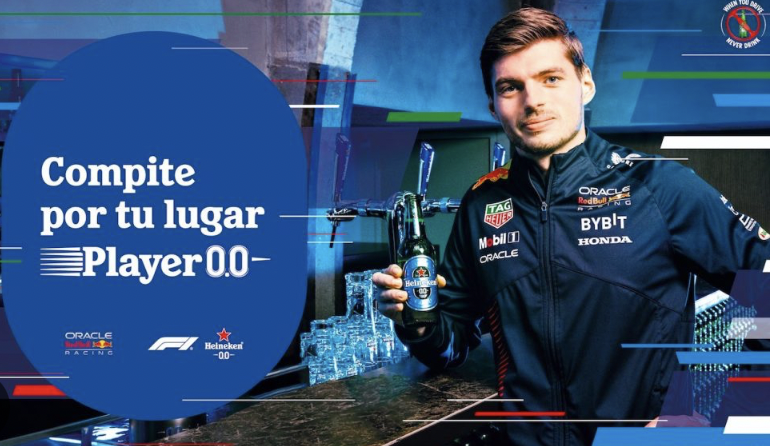
A Strategic Shift
Heineken's decision to partner with Verstappen was born from a context of fierce competition. According to Bram Westenbrink, CCO of Heineken, the shift was catalyzed by the collapse of a rival brand's agreement with Red Bull Racing. Upon learning that a competitor was in advanced discussions with Verstappen, Heineken entered a state of "strategic panic." “Typically, we only sponsor competitions like the Champions League or Formula 1,” Westenbrink remarked, acknowledging the urgency in securing an ambassador for their 0.0 brand, the non-alcoholic beer.
Verstappen has emerged as a polarizing figure within Formula 1, renowned for his aggressive on-track style and authenticity off it. The brand sought someone who not only achieved success but also embodied its values of responsibility and authenticity. “Max has always been very clear. You always know what he stands for,” Westenbrink emphasized, highlighting the significance of the driver’s image in Heineken's marketing strategy.


The Race for Sponsorship
As Heineken rushed to finalize the agreement, competition remained fierce. Speed and agility in decision-making became paramount. “We had to move extremely quickly, and typically these matters take considerable time,” Westenbrink explained. This situation not only illustrated how market pressures can expedite business decisions but also emphasized the importance of adaptability in a world where trends shift rapidly. Ultimately, the agreement materialized, though financial details remained undisclosed. Despite the lighthearted banter surrounding the initial conversation with Verstappen's manager, Raymond Vermeulen, the essence of the deal lies in the value both parties derive from this partnership. For Heineken, having an ambassador of Verstappen’s caliber represents a golden opportunity to connect with a younger, more diverse audience, particularly in a burgeoning market like non-alcoholic beer.
Formula 1 as a Global Platform
Since entering the Formula 1 arena in 2016, Heineken has demonstrated a steadfast commitment to promoting responsible alcohol consumption. The recent extension of its partnership with F1, now running until 2027, attests to the brand's ability to effectively integrate its messaging within the racing milieu.
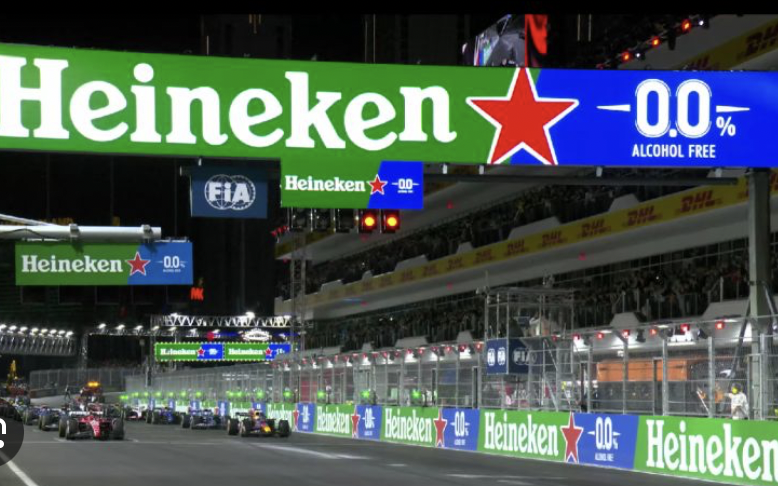
Formula 1 has served as an ideal showcase for Heineken, allowing it to engage with a global audience that values innovation and excitement. Within this context, the Las Vegas Grand Prix, scheduled for next month, presents the perfect stage to highlight these values. The race is not merely a sporting event; it is a celebration of entertainment, where the brand can convey its message of responsible consumption to a vast audience.

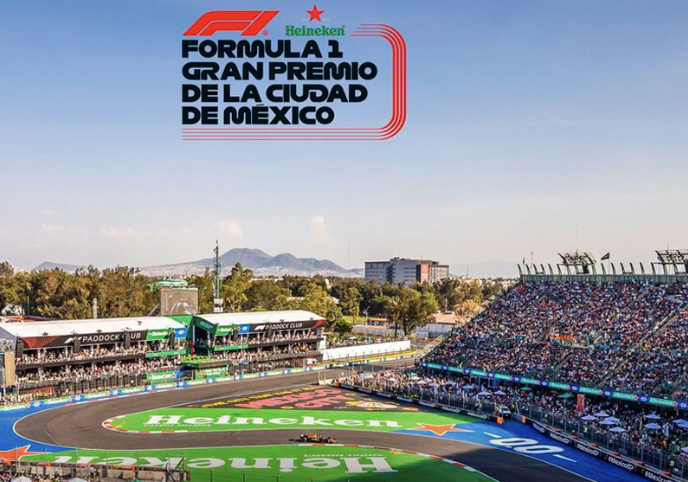
In Mexico, Heineken shone brightly at every corner of the city and the racetrack.
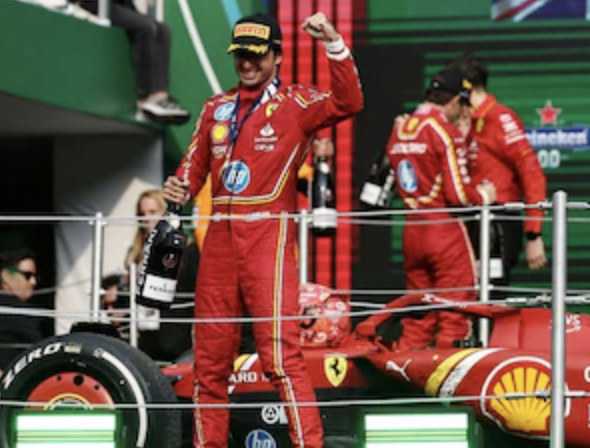
Brands need to return to much broader marketing structures than even those of the 90s; now, online channels serve as significant amplifiers, though they are no longer the sole generators. The generation of brand experiences now hinges on a complex, interconnected web of expansive actions that enhance brand experiences across diverse touchpoints and amplify products and services.
For this, it is vital, whether in a car dealership, an ice cream parlor, a shoe store, or a mega fast-food brand.
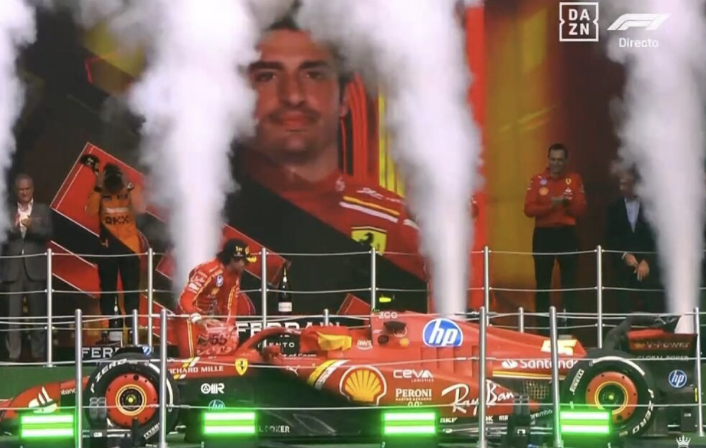
Activations and Experiences for Fans
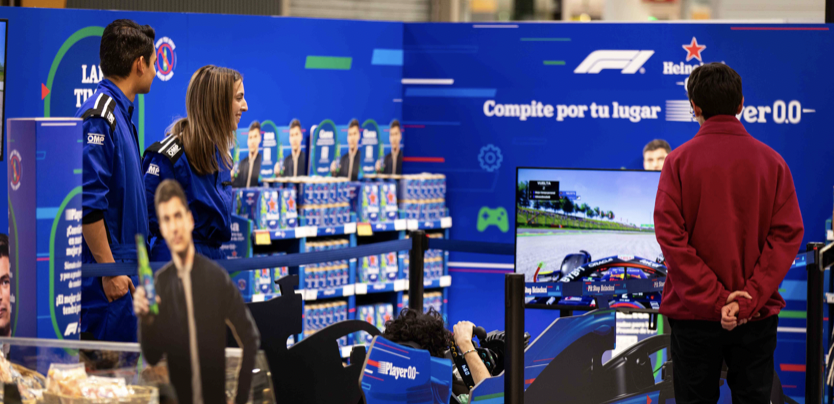
The collaboration between Heineken and F1 transcends mere sponsorship; it translates into immersive experiences for fans. From activations at the tracks to public events, the brand has been at the forefront of fan engagement. Events like the "Pit Stop Challenge" and the creation of fan zones exemplify how Heineken seeks not only to promote its brand but also to foster a community around the sport.
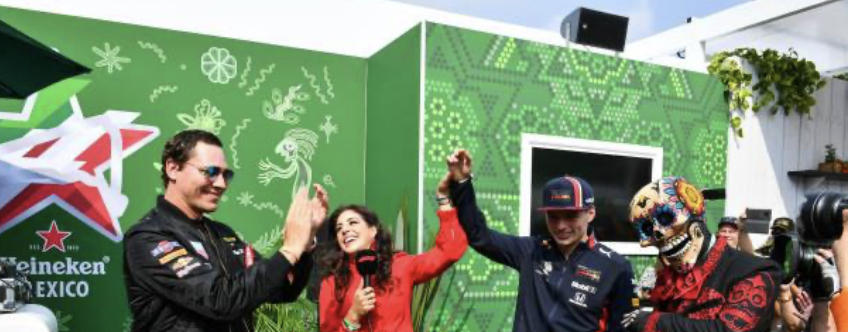

IG: @infonegociosmiami
Latinos in Florida and the USA
With the recent appointment of Martin Garrix as the global ambassador for Heineken, the brand is strategically positioning its 0.0 beer at the heart of an experience that seamlessly blends music, sports, and a message of responsibility. This strategy not only resonates with Formula 1 enthusiasts but also captivates a broader audience seeking healthy and responsible entertainment options.
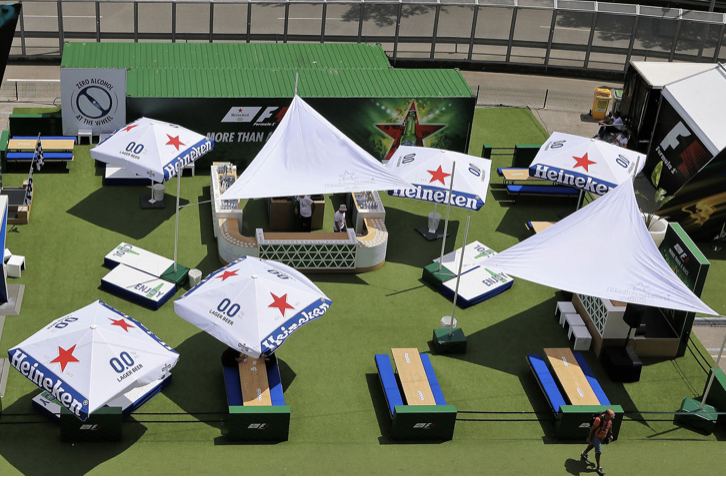
Social Responsibility in Sports
One of the most noteworthy aspects of Heineken's partnership with Formula 1 is its unwavering commitment to social responsibility. The campaign advocating against alcohol consumption serves as a remarkable synchronization—a quintessential platform for the positioning of Heineken 0.0—that further extends its reach into Arab countries.
-
Infonegocios RED: 4.5 million Anglophone Latinos reading business news daily.
-
Sign Up for Free: Register and receive our newsletter by simply leaving your email and name here.
-
Contacts: juan.maqueda@onefullagency.com or marcelo.maurizio@onefullagency.com