Latinos in the USA: Fundamental Drivers in the 2024 Economy Despite Labor Challenges. Why Prefer Florida?

(By Ortega) In a scenario where the participation of the Latino workforce in the US continues to rise, their economic influence is consolidating, despite facing significant challenges in the labor market. Despite making a significant contribution to the Gross Domestic Product (GDP) of the United States, Latinos are affected by wage disparities and unfavorable working conditions compared to other ethnic groups.

Ramiro Cavazos, President and CEO of the United States Hispanic Chamber of Commerce (USHCC), points out that despite contributing a considerable amount to the American GDP, Hispanic-owned businesses face difficulties in accessing financing, limiting their growth and exacerbating wage disparities. This lack of access to essential resources, programs, and training continues to perpetuate poor working conditions and wage discrepancies for the Latino community.
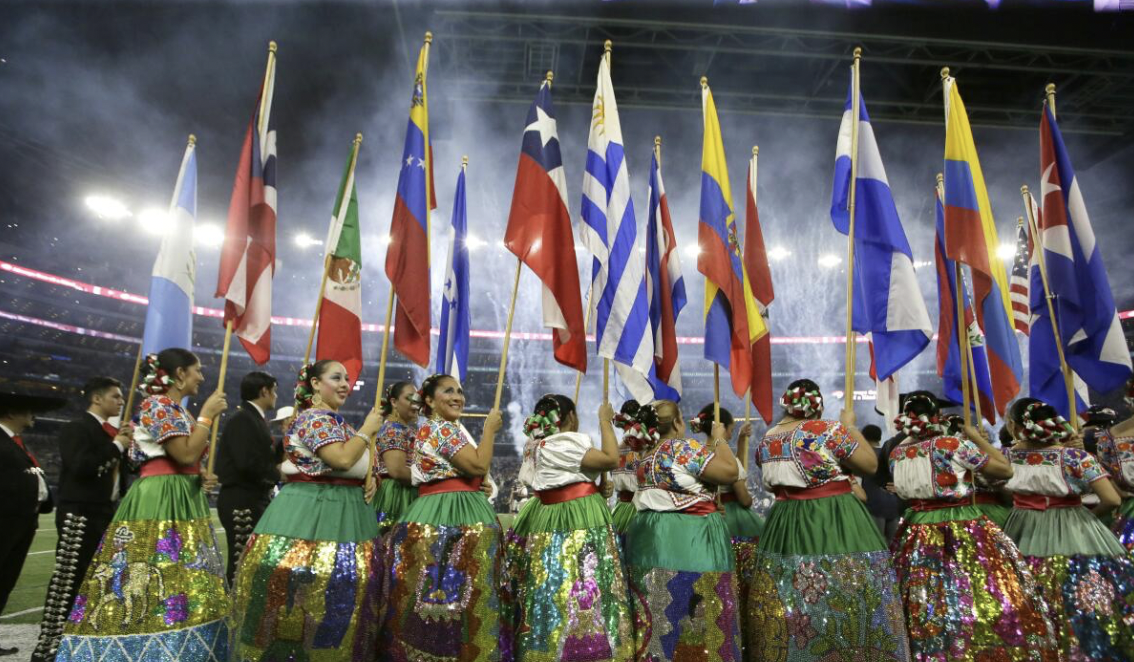



Full report on what Latinos represent in the US economy, here.
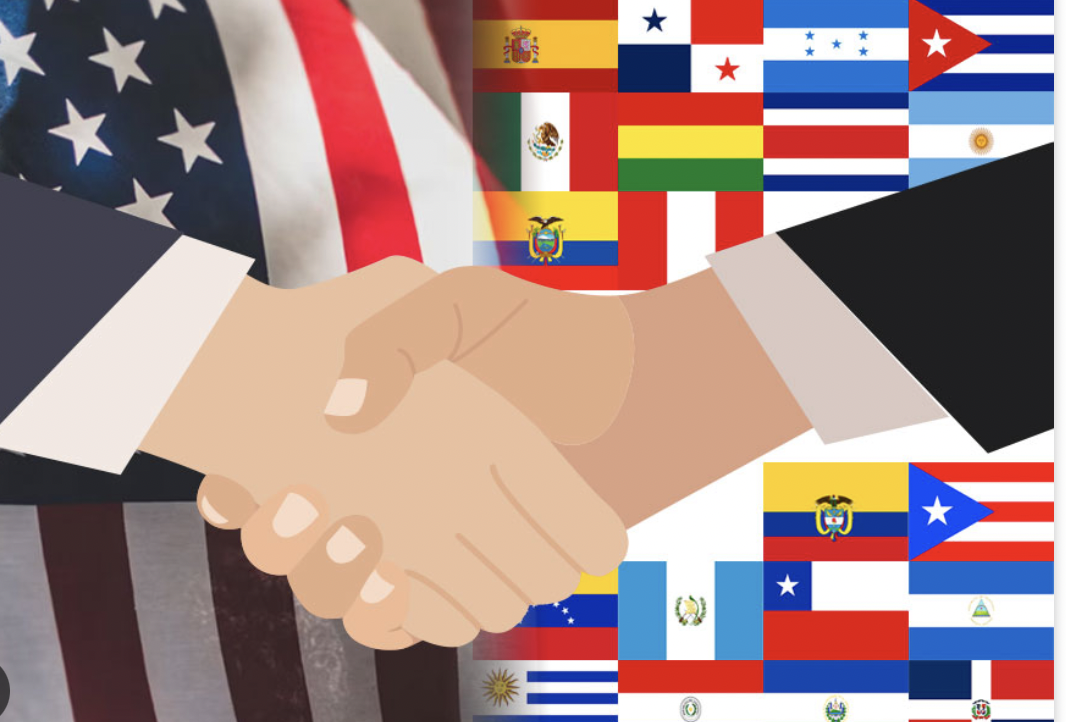
 

Why do Latinos prefer Florida?, here:

During the month of the worker, we analyze the differences that Latino workers in the USA have compared to those in Latin American countries and examine what steps administrations in Latin America should take to improve working conditions.

Despite representing a significant portion of the workforce in low-wage sectors, Latinos face challenges such as lack of overtime pay and a higher occupational mortality rate compared to other groups. The recent tragedy in which six Latino workers lost their lives in a bridge collapse in Baltimore highlights the dangerous working conditions they often face.

According to Bloomberg data:
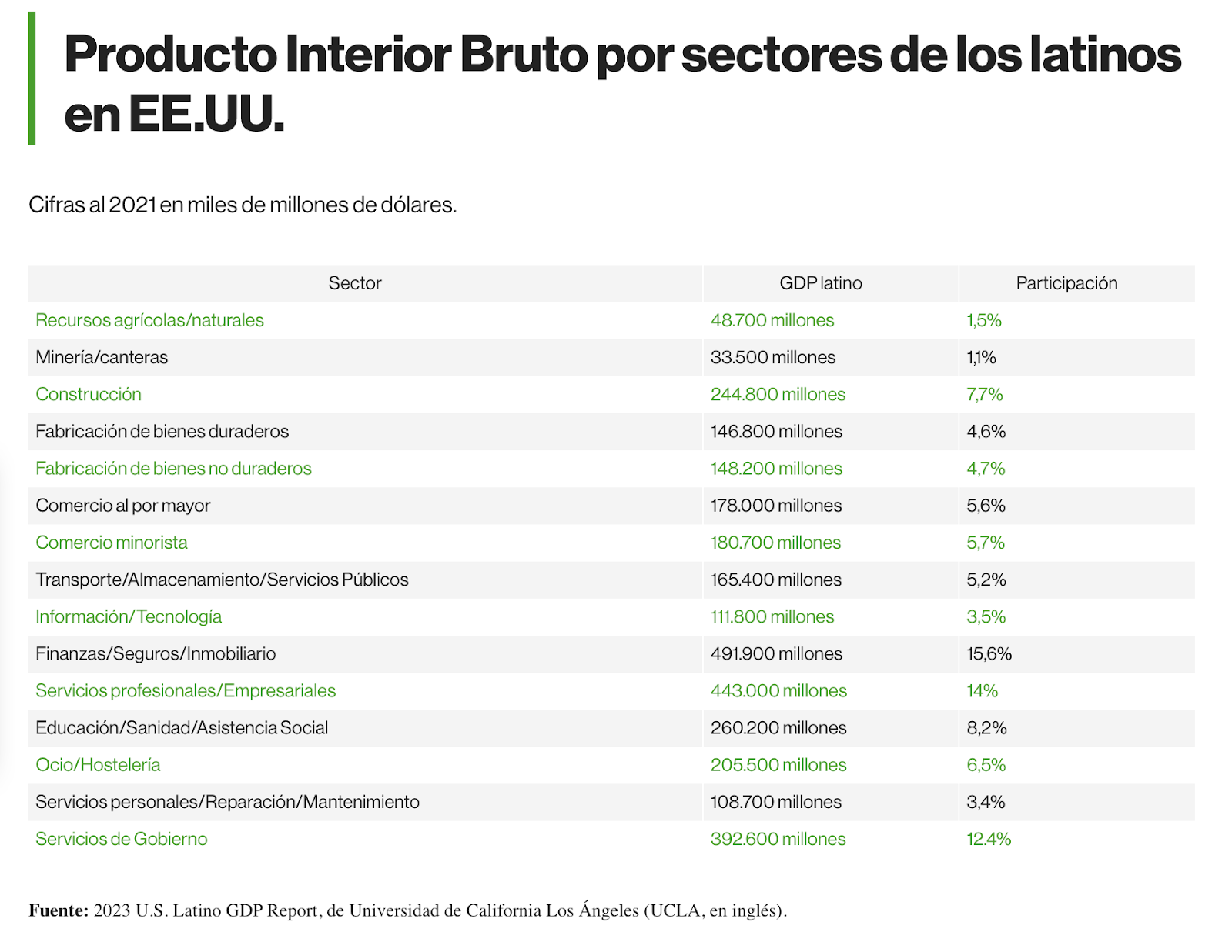


Latina workers are in a particularly vulnerable situation, facing discrimination based on both gender and ethnicity. The wage gap between non-Latino white men and Latina women is significant, with repercussions that extend beyond the economic realm. Closing this gap could have a positive impact on families, communities, and the economy as a whole.
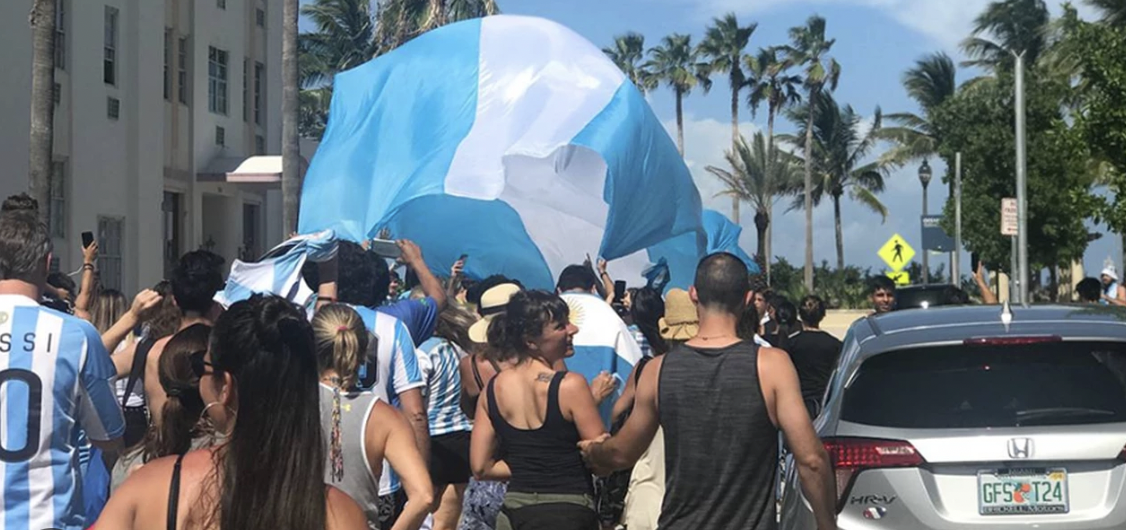

Despite the challenges, the contribution of Latinos to the American economy is undeniable. Representing a significant consumer market, Latinos in the US generate substantial annual income and account for a significant percentage of the country's real GDP growth. Their economic influence is reflected in consumption, surpassing entire economies of European countries.
As the Latino workforce continues to grow, a positive impact on economic growth and government revenues is expected in the coming years. However, to fully harness the potential of Latinos in the economy, it is necessary to address the challenges they face, ensuring equitable access to resources, training programs, and business growth opportunities.
Despite the difficulties, Latinos in the US continue to be fundamental pillars of the economy, driving growth and diversity in various sectors. Their economic contribution is vital, and their growth potential is significant, making it imperative to create a more equitable and favorable work environment for them to thrive fully.

El trofeo invisible pero invaluable que ganó Norris (lo que nadie te cuenta sobre ser campeón en la F1, hoy)

(Por Juan Maqueda en equipo con Mauricio, Martinez Bueno, Destefano y la comunidad Ristretter) Cuando Lando Norris levantó aquel trofeo de 5,5 kilogramos en Abu Dhabi, el mundo vio el clímax de una historia deportiva. Pero lo que realmente ocurrió ese día representa una lección magistral en branding personal, economía del entretenimiento y construcción de legado que Miami – epicentro del show business latinoamericano – debería estudiar con lupa microscópica.

(Tiempo de lectura de valor: 4 minutos)

Norris campeón mundial: ¿cómo queda el mapa global actualizado de pilotos y naciones que forjaron los 35 campeones de la F1?

(Por Juan Maqueda en equipo con Mauricio, Martinez Bueno, Destefano y la comunidad Ristretter) Detrás de cada campeón de Fórmula 1 hay dos banderas: la de su nacimiento y la de su equipo. Hoy, tras la consagración de Lando Norris, presentamos el análisis definitivo de las fuerzas geopolíticas y empresariales que dominan el deporte motor mundial.

(Tiempo de lectura de valor: 4 minutos)

Messi campeón con Inter Miami: “Estoy muy feliz" (la ciudad, todos los negocios, los medios, las marcas y anglolatina, también)

(Por Ortega desde el Chelsea Stadium, con Maqueda y Maurizio) Luego de la consagración de Inter Miami tras ganar 3-1 la final ante Vancouver Whitecaps en la MLS 2025, Lionel Messi habló con Apple TV y dejó una serie de declaraciones en las que repasó el camino del equipo, valoró el esfuerzo de la temporada y se emocionó al referirse al retiro de sus amigos Jordi Alba y Sergio Busquets.

(Tiempo de lectura de valor: 4 minutos)

La jugada maestra: cómo Louis Vuitton y Ana de Armas reescribieron las reglas del marketing deportivo global en Abu Dhabi

(Por Juan Maqueda en equipo con Maurizio, Martinez Bueno, Destefano y la comunidad Ristretter) No fue una casualidad. Fue un algoritmo de influencia ejecutado con precisión de cirugía nanométrica. Cuando Ana de Armas, con la elegancia de un felino y el magnetismo de una supernova, agitó la bandera a cuadros en el Gran Premio de Abu Dabi, no solo estaba marcando el final de una carrera.

(Tiempo de lectura de valor: 4 minutos)

¿El éxito total de la F1? ¿Qué nos enseña a todas las empresas y marcas hoy? (manual ágil aquí)

(Por M. Rodriguez Otero, Maqueda junto a M. Maurizio, Martinez Bueno, Destefano y la comunidad Ristretter) ¿Te preguntaste por qué algunas marcas están desarrollando mega acciones cruzadas de marketing y sólo ellas están logrando atrapar la mente y el corazón de sus consumidores? La respuesta está en algo que, en 2025, ya no es una opción: el crossing marketing, el head of cultura y las mega activaciones multisensoriales.

(Lectura ágil de alto valor estratégico: 4 minutos)

Adidas despliega su arma secreta en Londres: el "Hybrid Hotel" (una muestra más de la era del ecosistema-crossing de expansión de categorías)

(Por Maurizio y Rodriguez Otero) Qué más necesitas ver para entender que todo lo que sabías de marketing y del “retorno” quedó absolutamente caduco. "Hybrid Hotel" No es un hotel. Es un manifiesto físico del regreso de la expansión de las experiencias y de categorías a niveles de universos de marca. 

(Tiempo de lectura de valor: 4 minutos)