
Summary and tips
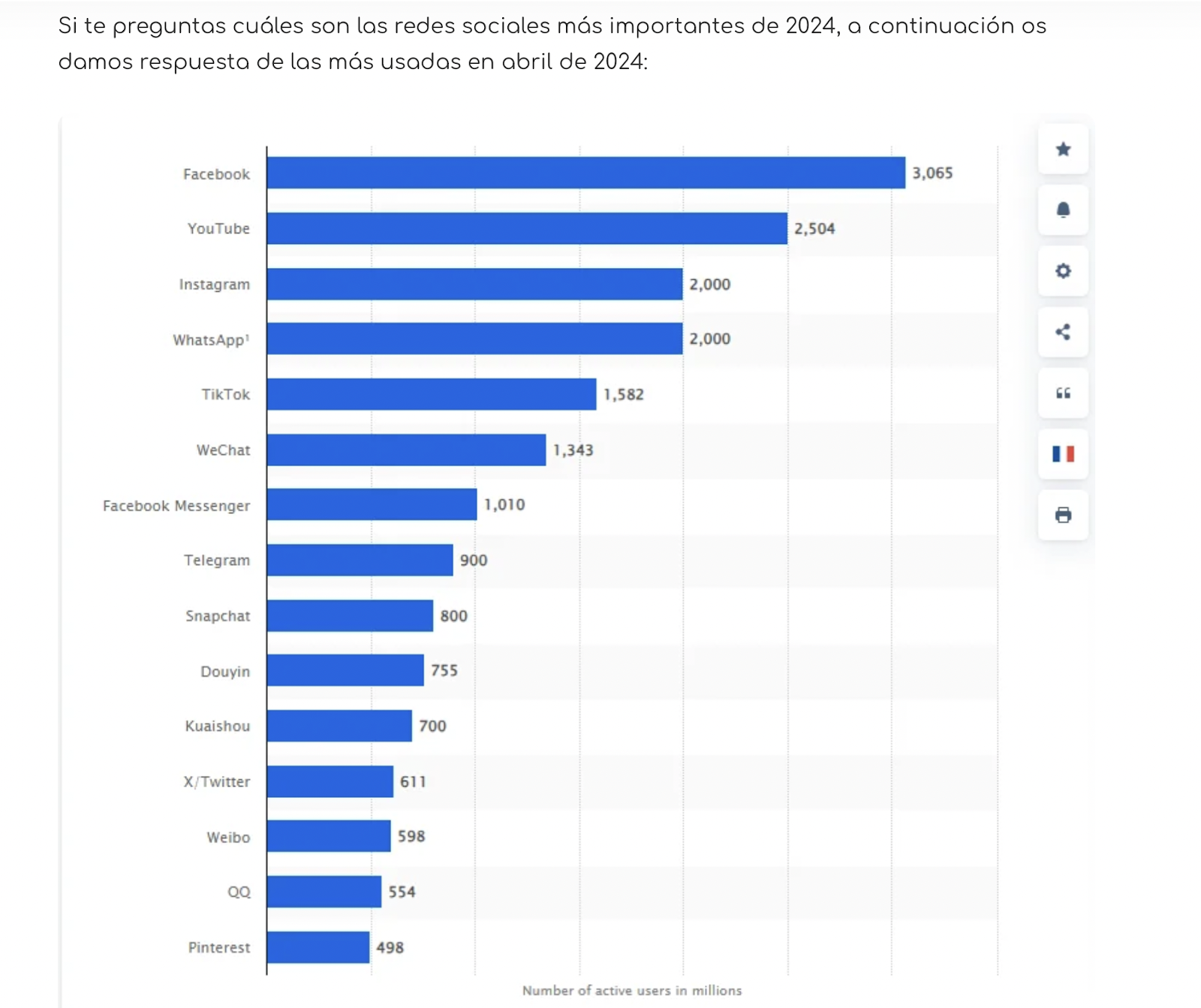
The Most popular social media platforms worldwide
"The phenomena of phubbing and nomophobia represent a call to action." Establishing boundaries and fostering a culture of face-to-face interaction is more crucial than ever. "It's each one of us—parents, educators, and community members—who must initiate this change in habits within our society."
Tech stress
Tech stress has morphed into a silent epidemic. Recent studies, like those from psychologist Sherry Turkle, author of Alone Together, have shown that constant digital connection not only affects our interpersonal relationships but also our mental health. Turkle notes: "We talk more to our devices than to the people around us." This phenomenon reveals not only a communication crisis but also deep questions about the authenticity of our interactions.
Key points:
-
Phubbing: The act of ignoring someone in your physical presence in favor of a mobile device.
-
Nomophobia: The irrational fear of being without your mobile phone.
-
Impact on interpersonal relationships and mental health.
-
Importance of education and awareness in younger generations.
Phubbing: a silent epidemic
"Phubbing not only affects the quality of our personal relationships but also deteriorates our emotional health." According to Dr. James Roberts, author of The Social Media Paradox, "excessive smartphone use can lead to increased loneliness and depression."
Illustrative example:
Picture a family dinner where everyone is glued to their phones, ignoring the conversations around them. This scenario, which plays out in homes worldwide, is a clear illustration of how phubbing has woven itself into our social fabric.
Nomophobia: The fear of disconnection
"Defined as the irrational fear of being without a phone, nomophobia affects millions." According to a study conducted by the University of Essex, "66% of teenagers feel anxious when separated from their devices." This addiction isn't just an individual issue; it's a societal challenge that impacts the productivity and well-being of an entire generation.
Relevant stats:
-
"70% of adults report that their daily lives are affected by the constant need to check their phones."
-
"The term 'nomophobia' was coined in 2010 and has since grown exponentially in our culture."
Who Benefits from Excessive Social Media Consumption?... When the internet is free, you are the product.
The need for habit change
"It’s imperative that, as a society, we respond to these challenges with concrete strategies." Education is key to promoting responsible technology use. Experts like Dr. Sherry Turkle stress that "digital interaction should not replace genuine human connections."
Recommended actions:
-
"Implement educational programs on healthy technology use in schools."
- "Encourage family activities that don’t involve devices, like outdoor walks or board games."
Frequently Asked Questions (FAQs)
-
How can I reduce phubbing in my life?
Set rules for no phone use during meals and social gatherings to encourage interaction.
-
What resources can help me understand these phenomena better?
Books like Alone Together by Sherry Turkle and The Social Media Paradox by James Roberts offer deep insights into the human-tech relationship.

Reviewing social media use
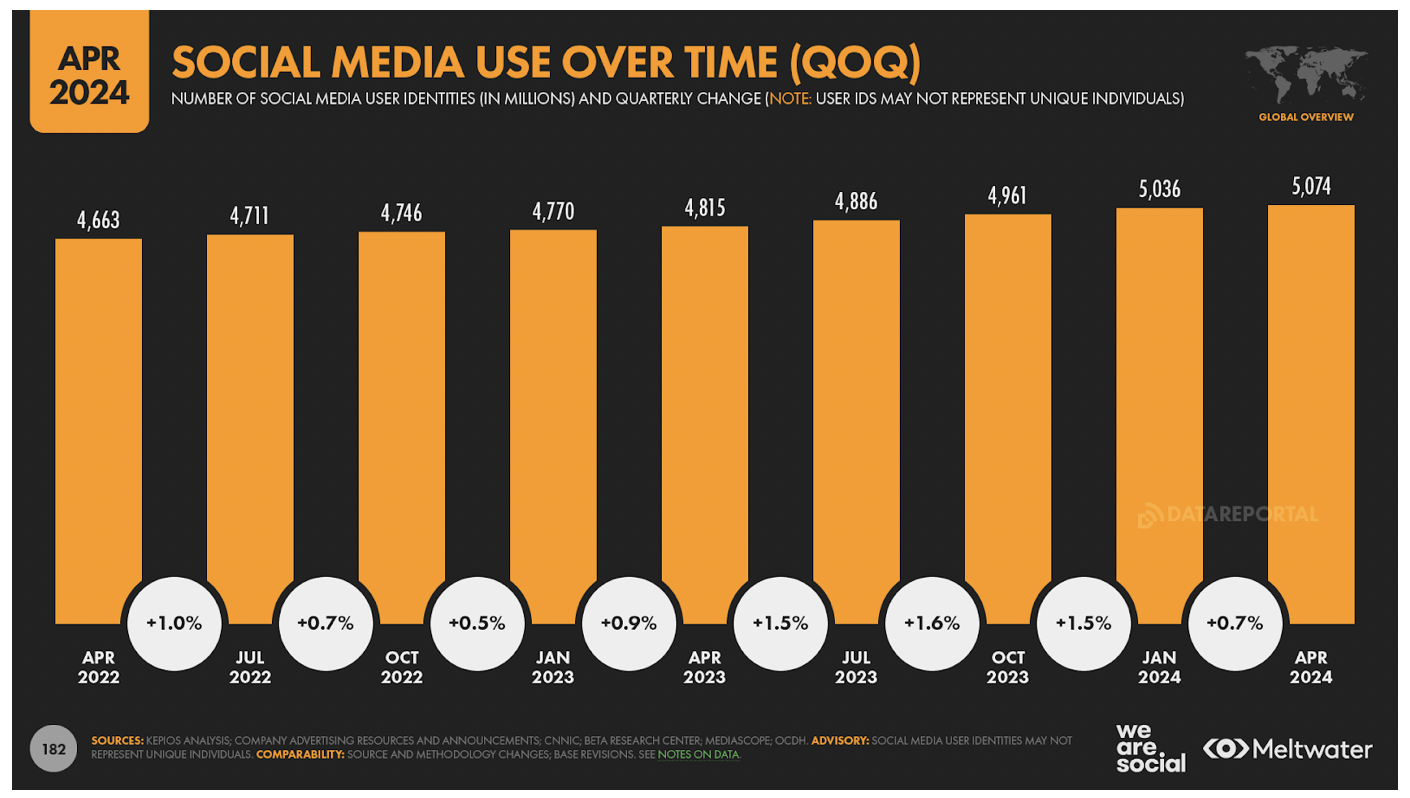
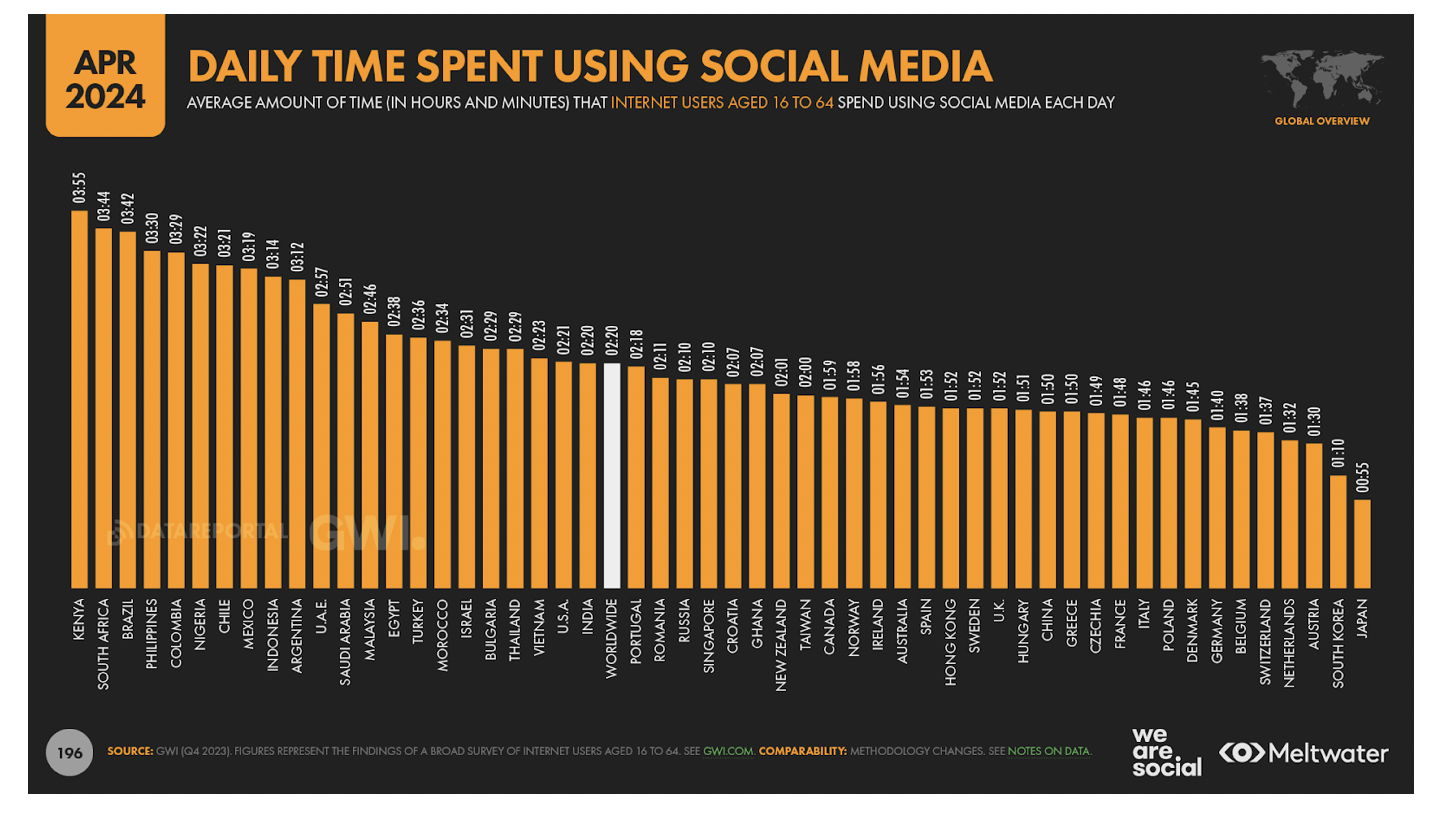
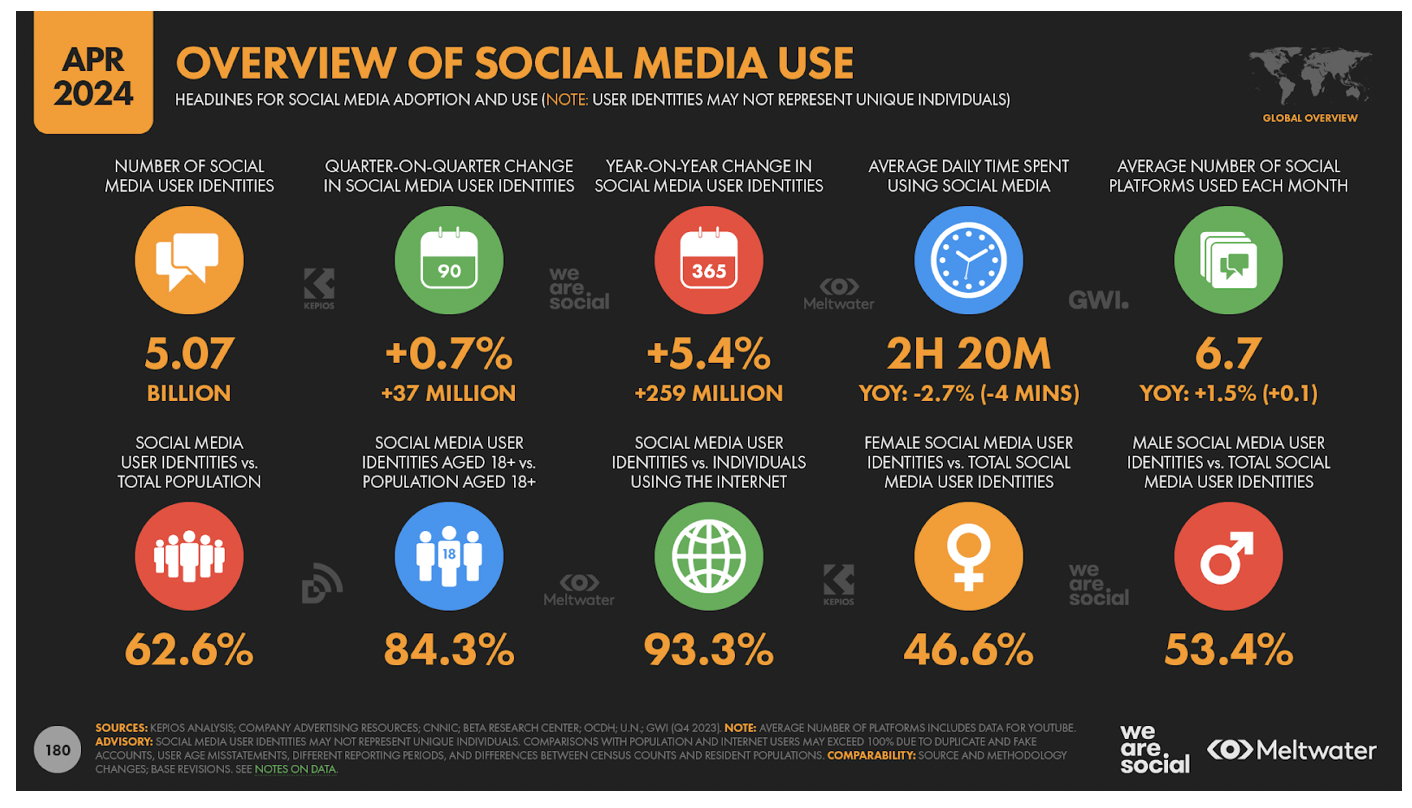
Excessive social media usage has led to rising anxiety and depression levels, especially among younger generations. Sociologist Jean Twenge, in her book iGen, argues that increased screen time correlates with a decline in adolescent happiness. Twenge emphasizes: "Teen life has changed more in the last five years than in the last 50." It’s crucial to take a moment to reflect on how these platforms shape our perception of reality and social expectations.
The Vital Importance of Returning to Analog
Amid this digital crisis, there’s a growing need to cultivate habits that prioritize mindfulness and genuine connection. Reading, handwriting, and drawing are practices that not only stimulate creativity but also nurture a sense of calm. Neuroscientist David Eagleman, in his book Incognito, explains how the act of writing by hand activates brain areas linked to memory and critical thinking. Revisiting these practices can serve as a remedy against the superficiality of digital communication.

Transformation and Mindset Shift
The year 2025 must be a year of transformation. As philosopher Zygmunt Bauman aptlypoints out, in a liquid world, "the only constant is change." This notion invites us to challenge dogmas we've accepted without scrutiny. Contemporary voices, like Yuval Noah Harari in Sapiens and 21 Lessons for the 21st Century, urge us to rethink our future in a technology-dominated world. Harari argues that "the ability to change one’s mind is one of the highest signs of intelligence."



-
IG: @infonegociosmiami
Conclusions and Call to Action
It’s imperative that, as a society, we take the digital practices we engage in seriously. We must promote a shift toward habits that prioritize authentic human connection. Reading and handwriting not only enrich our minds but also ground us in the present, pulling us away from digital noise.
In this context, culture, education, and philosophy must converge to form a united front. We need to listen to modern thinkers, educators advocating for the teaching of soft skills, and scientists warning about the consequences of indiscriminate technology use. Only through conscious effort can we forge a future where technology serves humanity, not the other way around.
Revisiting our habits isn’t just a desire; it’s a necessity. The time to act is now. As we move into the future, let’s remember that change begins with reflection and a commitment to practices that nurture our minds and hearts.

Highlighted tips:
-
"Establish tech-free moments to encourage face-to-face interaction."
-
"Educate children on responsible device usage."
-
"Incorporate games and activities that don't require screens."


-
Subscribe for free to receive the most strategic, agile, and valuable insights at: https://infonegocios.miami/suscribite-al-newsletter

Infonegocios NETWORK: 4.5 million Anglo-Latinos united by a passion for business.
Contact Infonegocios MIAMI:
juan.maqueda@onefullagency.com or marcelo.maurizio@onefullagency.com