
Key Points:
The arrival of Starlink’s satellite internet in Latin America represents an unprecedented opportunity to bridge the digital divide in the region. “Connectivity is essential for development,” experts conclude. With technology that promises to be accessible and resilient, Starlink could transform how millions connect to information and digital services.
In an increasingly interconnected world, lack of internet access poses a significant obstacle to social and economic development. “Connectivity is a fundamental human right,” assert experts in technology and development. In this context, Starlink emerges as a promising solution, especially in Latin American countries where traditional infrastructure has lagged. With the recent approval of its "Direct to Cell" program by the U.S. Federal Communications Commission (FCC), the dream of having direct satellite internet on mobile phones is closer to becoming a reality.
Summary and Tips:
Availability: Starlink is being implemented in countries like Peru and Chile, with plans to expand to other Latin nations.
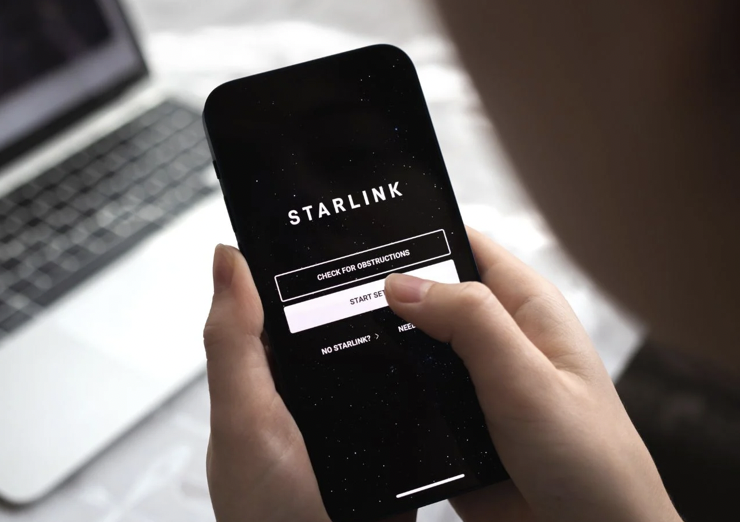
Direct to Cell Technology: This allows mobile phones to connect directly to satellites without additional hardware.
Benefits: Enhances connectivity in rural areas and during natural disasters.
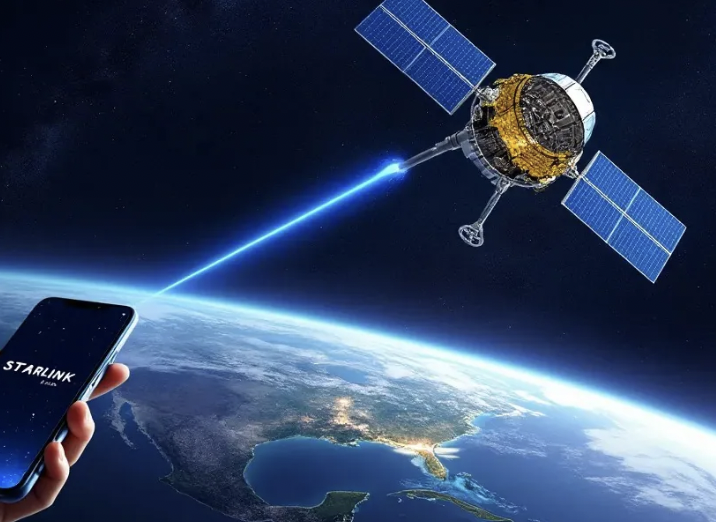
How Elon Musk's Satellite Internet Works from Mobile Phones
Starlink’s "Direct to Cell" program enables mobile phones to connect directly to low Earth orbit satellites. This innovation “eliminates the need for external antennas or additional devices,” facilitating internet access from anywhere. “The user experience will be similar to connecting to terrestrial telecom towers,” explain the company’s engineers.
Advantages Over Traditional Networks
One of the main advantages of Starlink is its ability to reach areas where conventional telecom towers cannot operate. “This includes mountainous regions, jungles, and remote areas away from urban centers,” notes a telecommunications expert. Additionally, the direct satellite connection model provides a resilient solution in the face of natural disasters, where traditional infrastructures often fail.
IG: @infonegociosmiami
Service Availability in Selected Countries
While there is no exact launch date for many countries yet, services for "Direct to Cell" are expected to begin rolling out in 2025. “The U.S., led by T-Mobile, will serve as a model for global expansion,” adds a spokesperson for Starlink. As more operators join, timelines and service costs should become clearer for consumers.
Cost of Access to the Satellite Internet Program
The prices for the "Direct to Cell" program have not yet been disclosed, but they can be inferred from current Starlink service costs. For instance, the most basic plan, known as Starlink Residential, costs $120 per month. “The implementation of this model in Latin America will depend on agreements with local operators,” warn industry analysts.
Highlighted Tips:
-
Stay informed about local Starlink partnerships to know when it will be available in your country.
-
Assess your internet needs before deciding if this service is right for you.
-
Consider scalability: The technology promises to expand to other regions, so staying updated could be key.


IG: @infonegociosmiami
Frequently Asked Questions (FAQs)
Which Latin American countries will get access to Starlink first?
Peru and Chile are at the top of the list, with plans for expansion to Argentina and other countries.
Will I need a special device to use Starlink?
No, any device compatible with 4G or 5G will be able to access the service without modifications.
What will the service cost?
Specific prices have not yet been revealed, but they are expected to be competitive in the local market.

Infonegocios NETWORK: 4.5 million Anglo-Latinos united by a passion for business.
Subscribe for free to receive the most strategic, agile, and valuable insights at: https://infonegocios.miami/suscribite-al-newsletter
Contact Infonegocios MIAMI:
juan.maqueda@onefullagency.com or marcelo.maurizio@onefullagency.com