The current social dilemma: cognitive dissonance and its impact on political manipulation

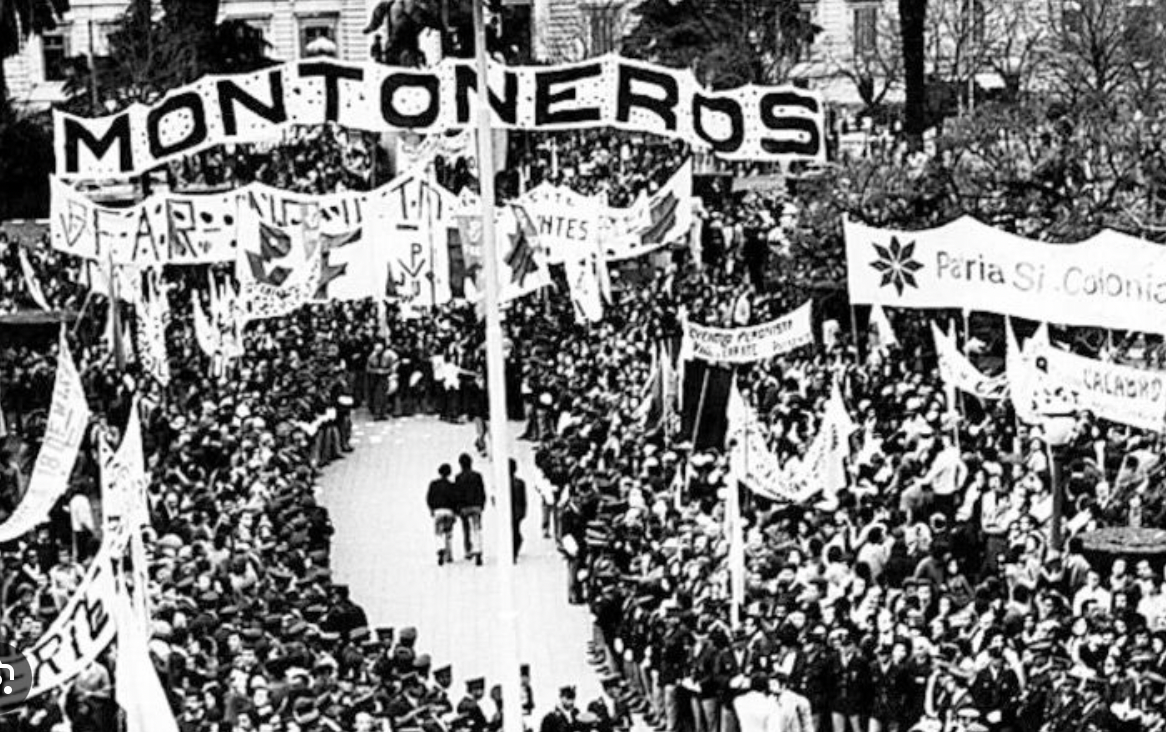
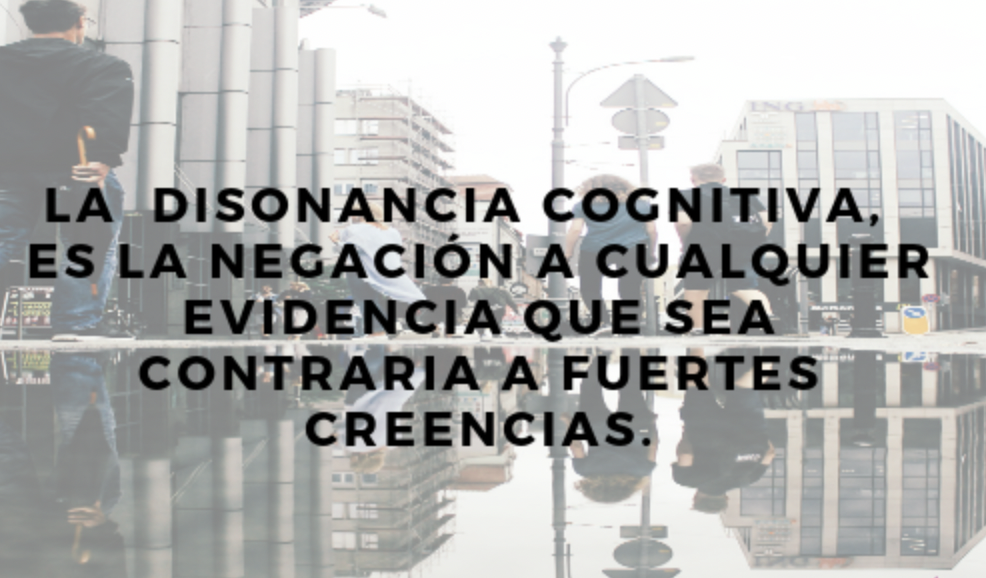
(By Maqueda and Maurizio) The Challenge of Reason in the Era of Polarization: Cognitive dissonance, a concept coined by social psychologist Leon Festinger in 1950, allows us to delve into the inexplicable terrain of our behaviors. In the political realm, this dissonance becomes an intriguing phenomenon: individuals who share a strong emotional connection with a political party, leader, ideology, or belief tend to let that loyalty do the thinking for them. They may even go to the extreme of ignoring or distorting any real evidence that challenges or questions those deeply rooted loyalties.

Aesop's Fable in Modern Politics: This phenomenon brings to mind Aesop's fable, "The Fox and the Grapes." In the story, when the fox fails to reach the grapes, it convinces itself that it didn't desire them in the first place. In politics, this kind of rationalization is common. People may reject information that contradicts their deeply held political beliefs, convincing themselves that they don't need that information or that it's false.

Navigating the Cognitive Dissonance Maze: Cognitive dissonance plunges us into a psychological labyrinth where our minds seek to harmonize contradictory ideas and maintain internal coherence. Often, this means justifying behaviors, decisions, or beliefs despite the existence of evidence to the contrary. This theory, formulated by Festinger, helps us understand how people strive to make sense of conflicting ideas and, ultimately, seek to lead consistent lives in their minds, even if reality shows they are mistaken.

Navigating Cognitive Dissonance in Politics: Cognitive dissonance is a complex phenomenon that plays a significant role in contemporary politics. Understanding how it influences our political beliefs and decisions is crucial for addressing polarization and promoting more informed and reflective political dialogue. As we explore the complexities of the human mind in the political context, we are better equipped to navigate the cognitive dissonance maze and perhaps find solutions to the political challenges of our time.

Misrepresentation and Emotions in Political Manipulation: Emotions, inherited cultural biases, suffering—these are all used to create manipulation. Often, the individuals who consider themselves the most "righteous," the so-called sensitive ones, are the first to be captivated by supposed "just causes" that subdue and distort rights, concealing reality through magical thinking. When reality is very harsh, it's very difficult to accept that one is to blame. Therefore, it's convenient to blame someone else and shift one's own problems onto them.

"Mistakes Were Made" by Elliot Aronson and Carol Tavris: To delve even deeper into the complexities of cognitive dissonance, there is no better guide than social psychologists Elliot Aronson and Carol Tavris, authors of "Mistakes Were Made (But Not by Me): Why We Justify Foolish Beliefs, Bad Decisions, and Hurtful Acts." In this essential work, the authors explore cognitive dissonance, confirmation bias, and other cognitive biases to illustrate how we justify and rationalize our behaviors. This book should be required reading for any public official or political leader seeking to understand the complexities of the human mind and how these complexities affect our political decisions and actions.
Cognitive Dissonance and Political Manipulation in America Today: Cognitive dissonance, a well-documented psychological phenomenon, has a significant impact on politics in America. As political leaders and strategists seek to influence public opinion and voting decisions, they understand and exploit this human tendency to promote their agendas. This intersects with political manipulation in the American context in various ways, from confirmation biases on social media to polarization and partisan identification.

Exploring America's Cognitive Dissonance: There is a wide range of academic articles and books that address cognitive dissonance in the context of politics. Some recommended readings include "The Political Brain: The Role of Emotion in Deciding the Fate of the Nation" by Drew Westen and "The Righteous Mind: Why Good People Are Divided by Politics and Religion" by Jonathan Haidt.

Responsibility and Evolution: The great responsibility we all have is to broaden our perspectives, examine our beliefs, and question the certainties inherited from family, educational, religious, and societal indoctrination. The only way to evolve is to develop critical thinking and to be able to review our own emotional biases. Understand that many social fears are driven by manipulation. Only constant individual and societal review of power and state administration can contribute to a fairer, freer, more prosperous, peaceful, and orderly society.

Rosemary Beach: es como ir a lo mas lindo de Europa y de Miami a la vez (en Florida)

(Por Maurizio) Este pequeño paraíso, ubicado en la pintoresca Costa del Golfo, es un verdadero refugio para aquellos que buscan una escapada idílica, combinando la serenidad de la naturaleza con un estilo de vida moderno y vibrante. En el vasto paisaje de la costa de Florida, se encuentra un rincón de ensueño que no siempre recibe la atención que merece: Rosemary Beach

(Tiempo de lectura estratégica y de alto valor: 4 minutos)

El colapso del consumo del alcohol (excepto hiper lujo o meta relevancia) está remodelando todo el marketing de bebidas

(Por Maqueda con Maurizio) Imagine una inversión que pierde casi la mitad de su valor en cinco años. No es una criptomoneda volátil ni una startup fallida. Es la industria global del alcohol, un gigante que durante siglos pareció inmune a las crisis y que hoy enfrenta una tormenta perfecta: una revolución generacional en los hábitos de consumo, guerras comerciales y una transformación farmacológica que está reescribiendo la relación humana con la intoxicación.

(Nota ágil de 3 minutos, menos de 250 palabras)

Paradoja Starbucks 2026: reestructura en EEUU y crece en MX (by Alsea) (¿por qué nadie te explica por qué?)

(Por Maqueda y Maurizio) Si quieres entender el futuro del retail, no mires las ganancias. Mira las energías contrastantes. Starbucks no tiene un problema financiero; tiene una crisis ontológica. Mientras en México florece como un ecosistema resiliente, en Estados Unidos se contrae como un organismo que olvidó su propia mitología.

(Tiempo de lectura estratégica y de alto valor: 4 minutos)

La revolución del retail temático: ¿por qué tu tienda ya no es una tienda? (Target lo acaba de demostrar en el Soho)

(Por Maurizio y Maqueda) Si crees que el retail  físico está muriendo, no has entendido nada. Lo que murió fue la transacción fría. O solo la venta de producto o servicio. Lo que nace —y Target en SoHo lo grita con cada detalle— es la tienda como universo temático, como escenario narrativo, como espacio ritual. No estamos hablando de “branding”. 

(Tiempo de lectura estratégica y de alto valor: 3 minutos)

Red Bull 2026: la escuela del Crossing Mkt, en la era de expansión de categorías y universos de marca (10 tips ágiles)

(Taylor- Maqueda-Otero-Maurizio)  2026 llega con una certeza estratégica: la expansión de categorías y universos de marca ya no es opcional, es la norma. En este contexto, Red Bull no es solo una bebida energética; es la escuela global de Crossing Marketing, aquella disciplina que cruza, mezcla y eleva marcas para generar valor real en ecosistemas tremendamente complejos.

(Tiempo de lectura estratégica y de alto valor: 4 minutos)

Estrategias de éxito para 2026: ¿sabes cuánto invierte Red Bull en crear universos temáticos y expandir sus categorías? (P-2)

(Taylor- Maqueda-Otero-Maurizio) Red Bull ha convertido lo que parecía ser una simple bebida en un ecosistema de innovación continua. En la era de la expansión de categorías y universos de marca, es la referencia de cómo convertir talento, contenidos, patrocinios y experiencias en un valor de marca sostenido y creciente. 

(Tiempo de lectura estratégica y de alto valor: 4 minutos)

Peanut Island, el bellísimo y secreto paraíso isleño de Florida que tienes que conocer

(Por Maqueda y Vera) Peanut Island es mucho más que una simple isla; es un refugio natural que invita a explorar, descubrir y disfrutar de la magia de la naturaleza en su estado más puro. Con sus aguas cristalinas, paisajes impresionantes y actividades emocionantes, este paraíso isleño en el Canal Intracostero es un destino que cautiva los sentidos y alimenta el alma de quienes lo visita

(Tiempo de lectura de alto valor: 3 minutos)