Summary and Tips
The last race of the 2024 Formula 1 season in Abu Dhabi is more than just a sporting event; it’s the climax of a season filled with surprises, excitement, and rivalries. With the Constructors’ title on the line between McLaren and Ferrari, alongside the fight for the runner-up position involving some of the world’s best drivers, this Grand Prix promises to be an unforgettable spectacle. F1 fans won’t want to miss a second of this thrilling contest that will determine who claims glory in this memorable season.
The Current State of the Competition
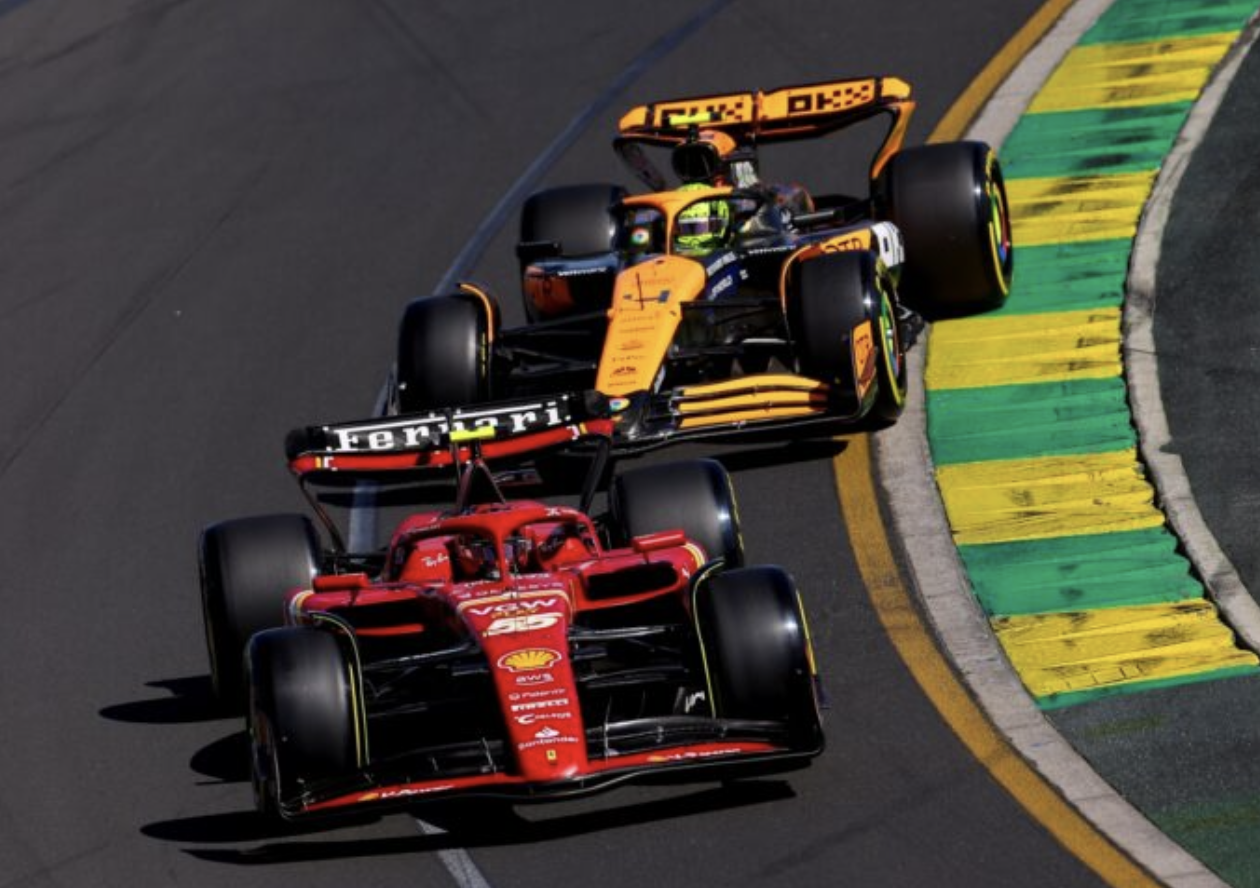
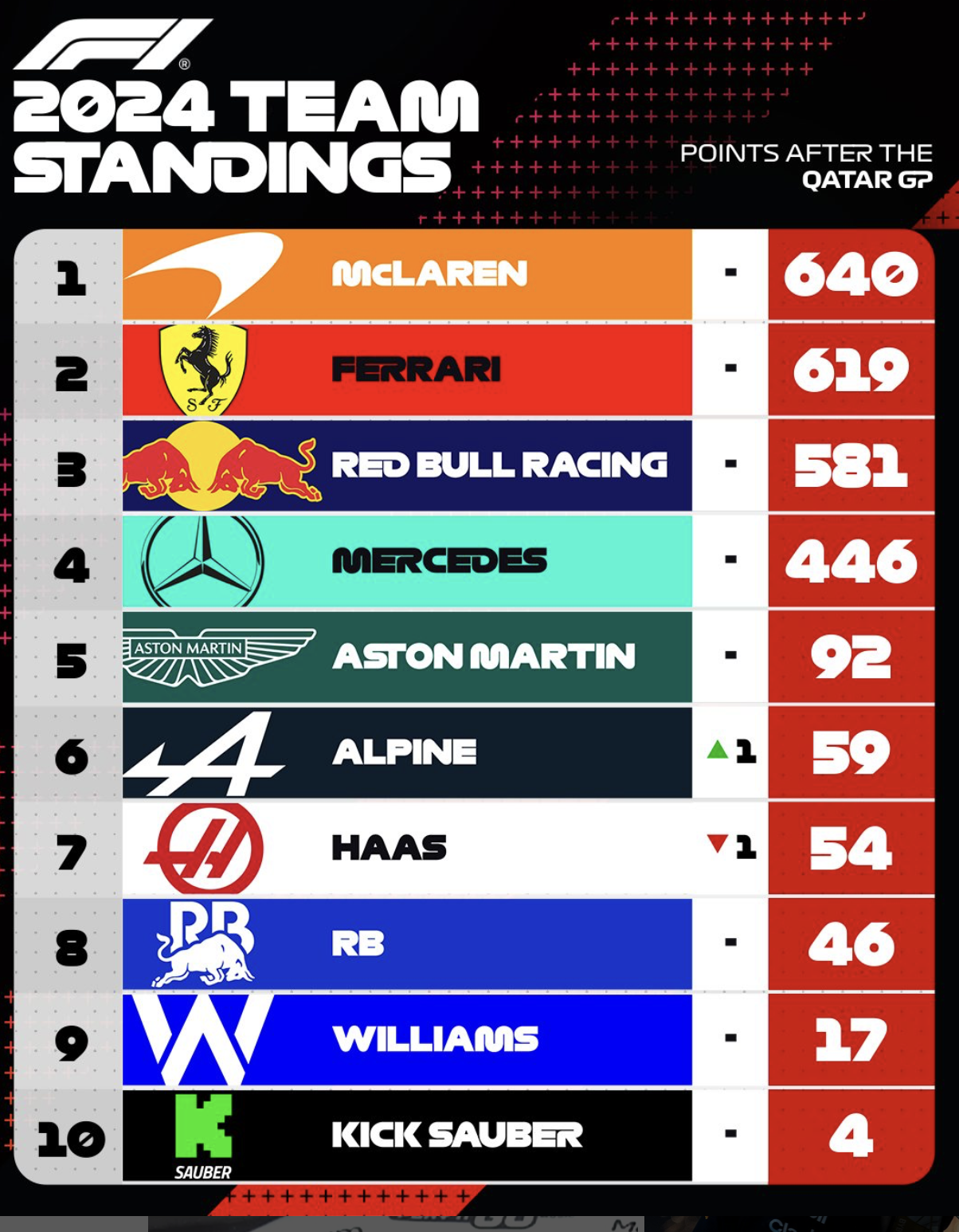
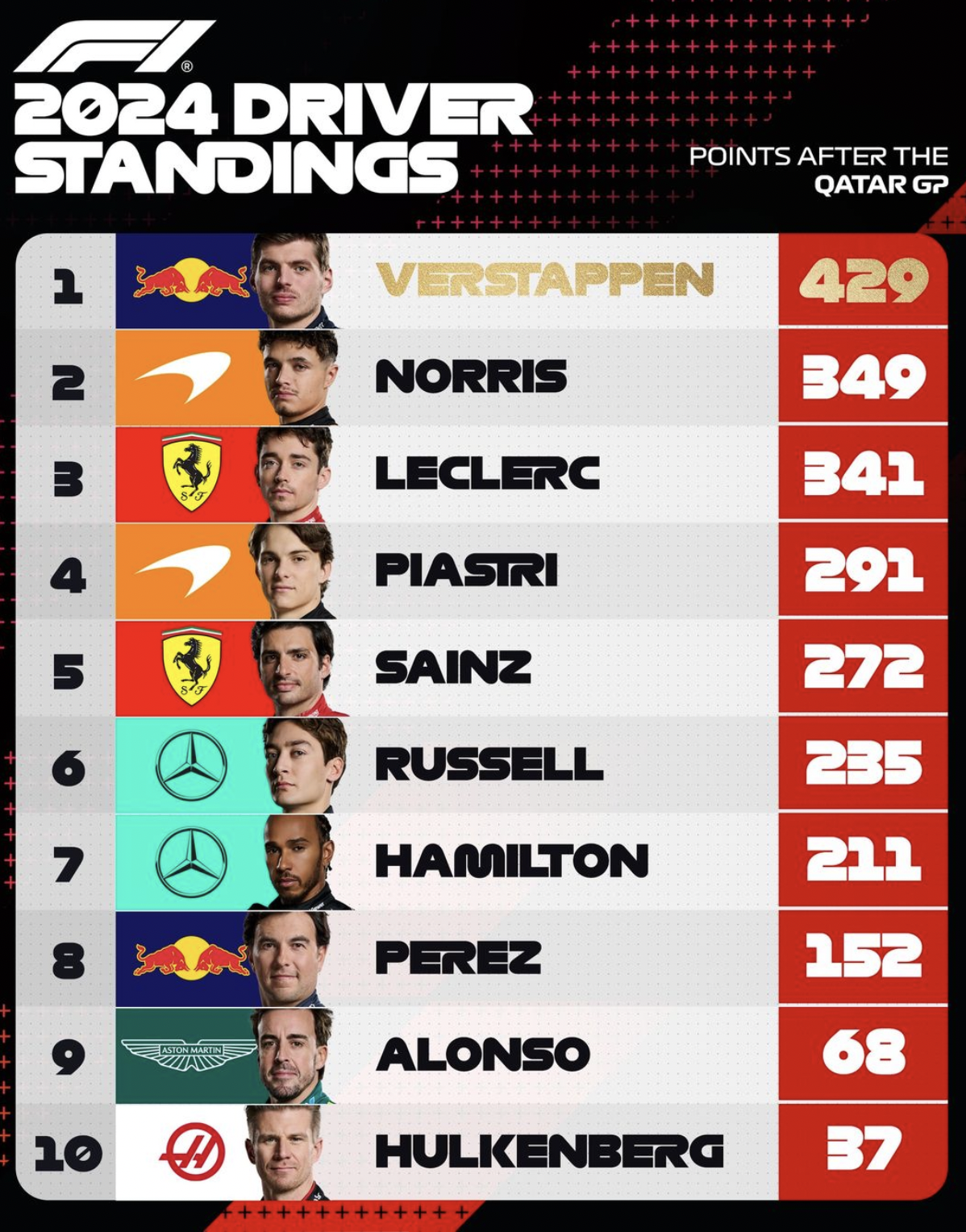
The 2024 season has been a rollercoaster ride, but the battle for the Constructors’ title has escalated significantly. McLaren leads the standings with 640 points, closely followed by Ferrari with 619. Red Bull, despite Verstappen’s individual success, finds itself at a disadvantage with 581 points. This scenario creates an electrifying atmosphere where every point matters, and every race can shift the narrative of the season.
The Importance of Abu Dhabi
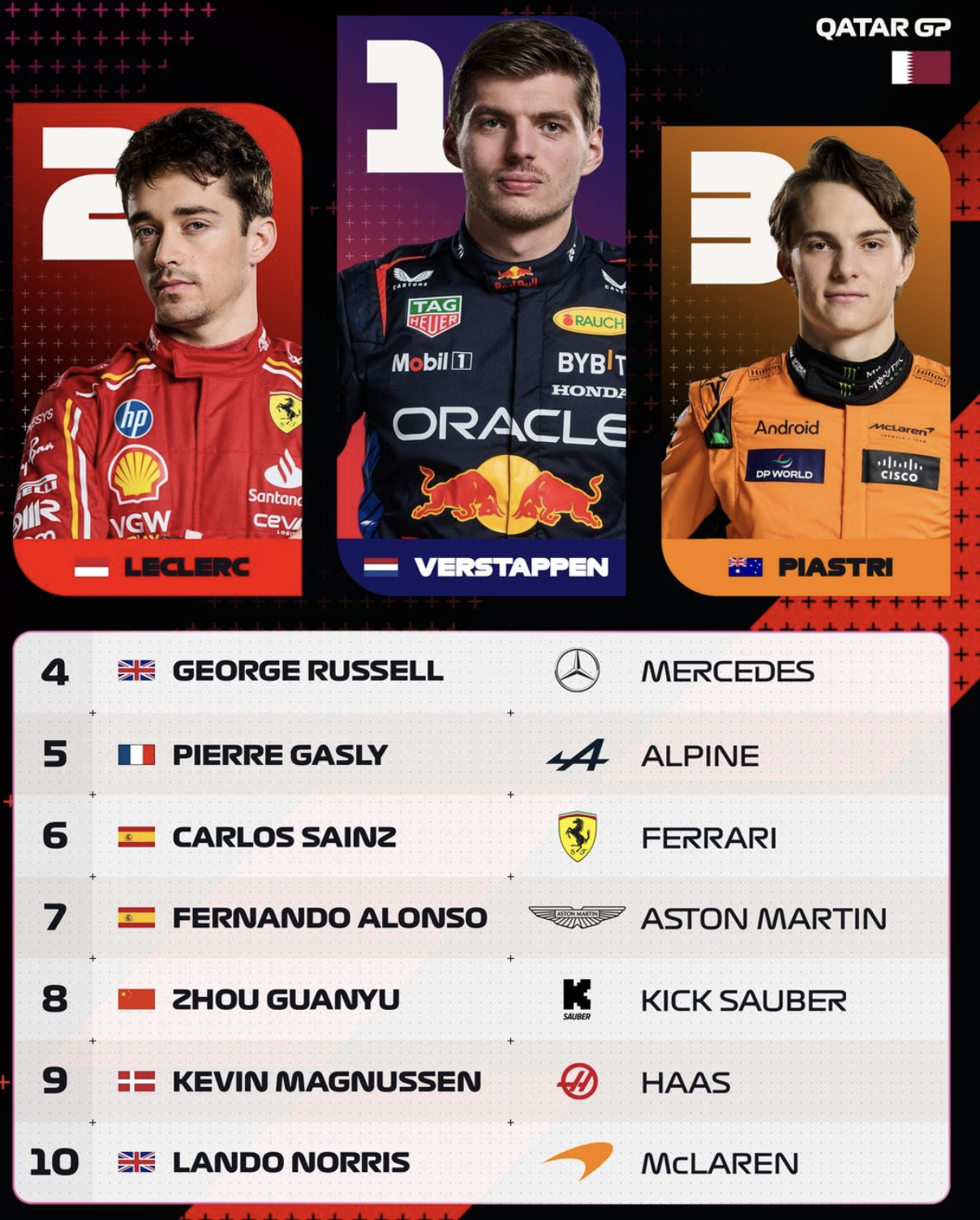
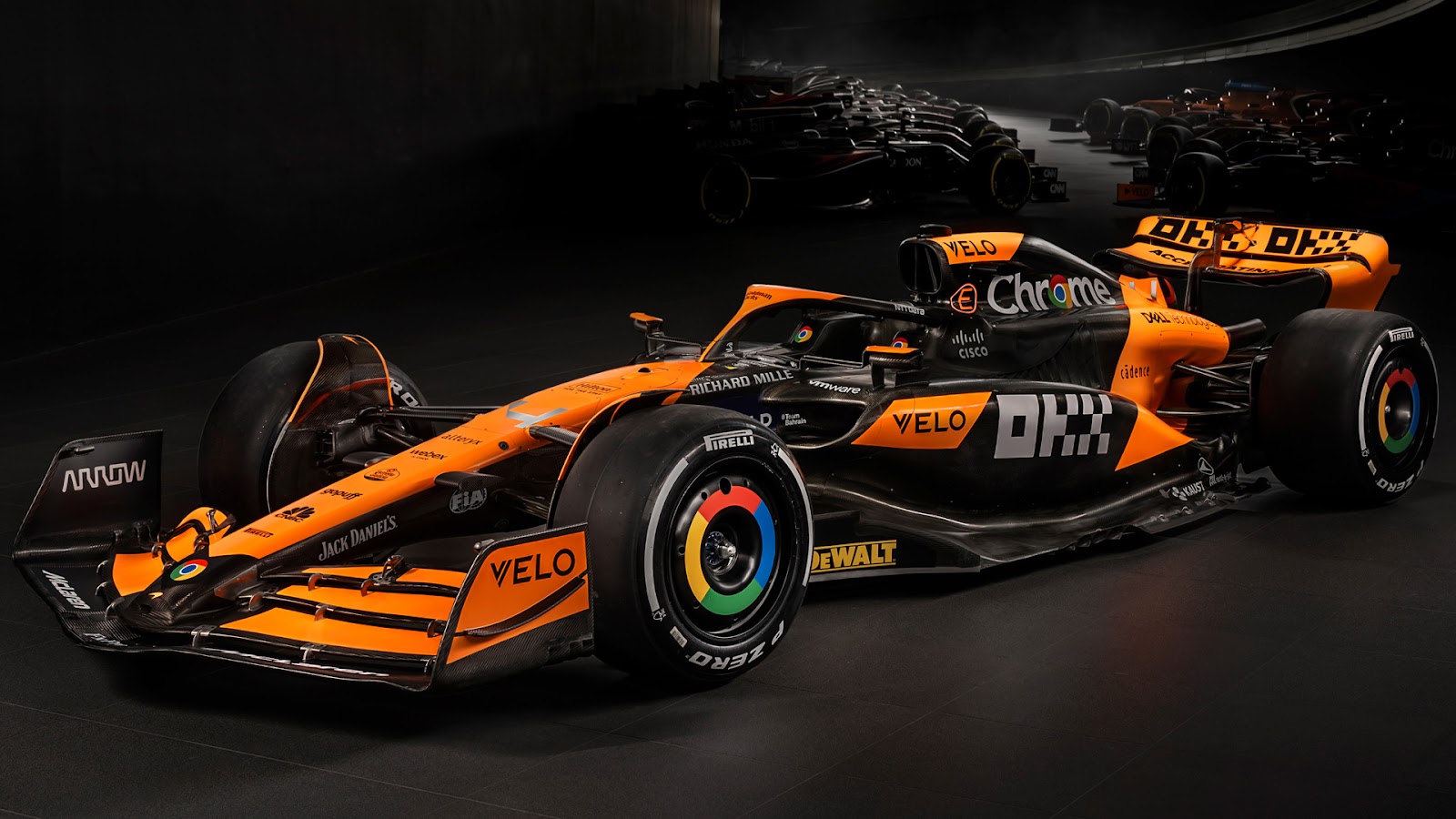
The Abu Dhabi Grand Prix is not just another race; it’s the stage where the immediate future of these two teams will be decided. McLaren has shown it has the most competitive car since the Miami Grand Prix, maintaining consistent performance. However, recent mistakes by drivers like Lando Norris and Oscar Piastri have raised questions about their ability to handle pressure during critical moments.
Drivers in the Fight
As the battle for the Constructors’ Championship heats up, a fierce struggle for the runner-up position also unfolds among three drivers: Lando Norris, Charles Leclerc, and Oscar Piastri. This triangular competition adds an extra layer of excitement, as each of them seeks to solidify their legacy while helping their team reach the pinnacle.
The History of Constructors Who Have Won in F1
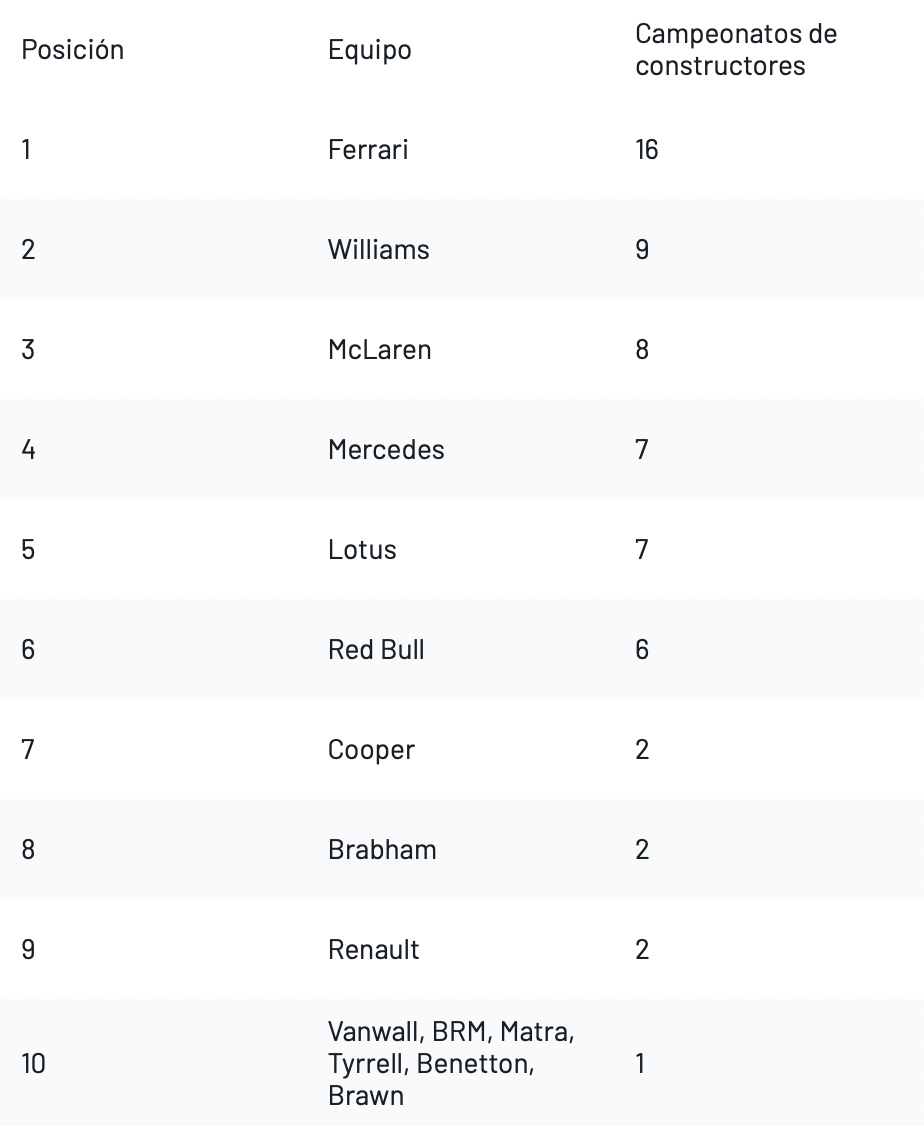
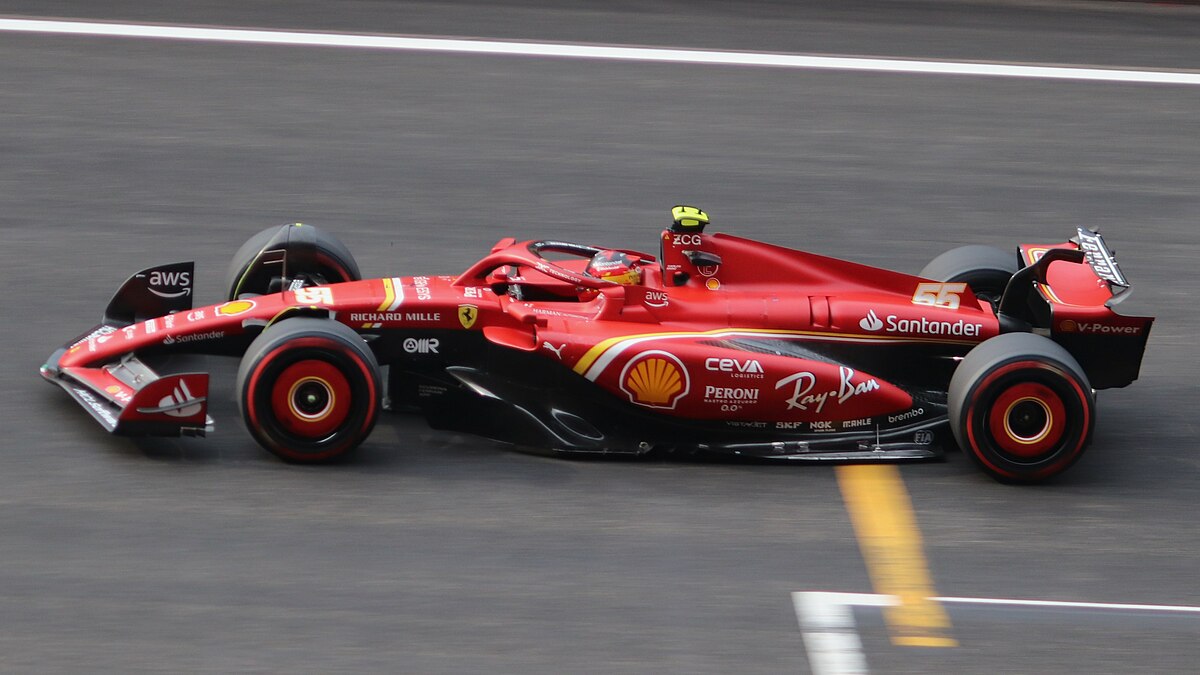
The Formula 1 Constructors’ World Championship, established in 1958, awards the most successful constructor of the season based on points accumulated in the Grands Prix. Ferrari is the most decorated team, boasting 16 Constructors' titles and 15 Drivers' championships. Following closely are Williams, with 9 Constructors' titles and 7 Drivers' championships; and McLaren, which has secured 8 Constructors' titles and 12 Drivers' championships.
Throughout its history, only 15 constructors have won the championship, and on 11 occasions, the Constructors' champion did not coincide with the Drivers' champion in the same season. Championship rules have changed, allowing all drivers from a constructor to accumulate points since 1979, which has influenced team strategies and performance.
Ferrari, with its rich legacy of victories, claimed its first title in 1961, while Williams dominated in the 80s and 90s. McLaren experienced its golden era between 1988 and 1991, marked by memorable rivalries among its drivers. Despite its initial success, McLaren has struggled to reclaim top positions in recent decades, while Ferrari has been unable to break the dominance of teams like Red Bull and Mercedes in recent years.

IG: @infonegociosmiami
Historical Winners Table of F1 up to and including 2023.