KAMALA: "These dictators and autocrats are encouraging you to be president again!"
TRUMP: "Putin supported you last week."
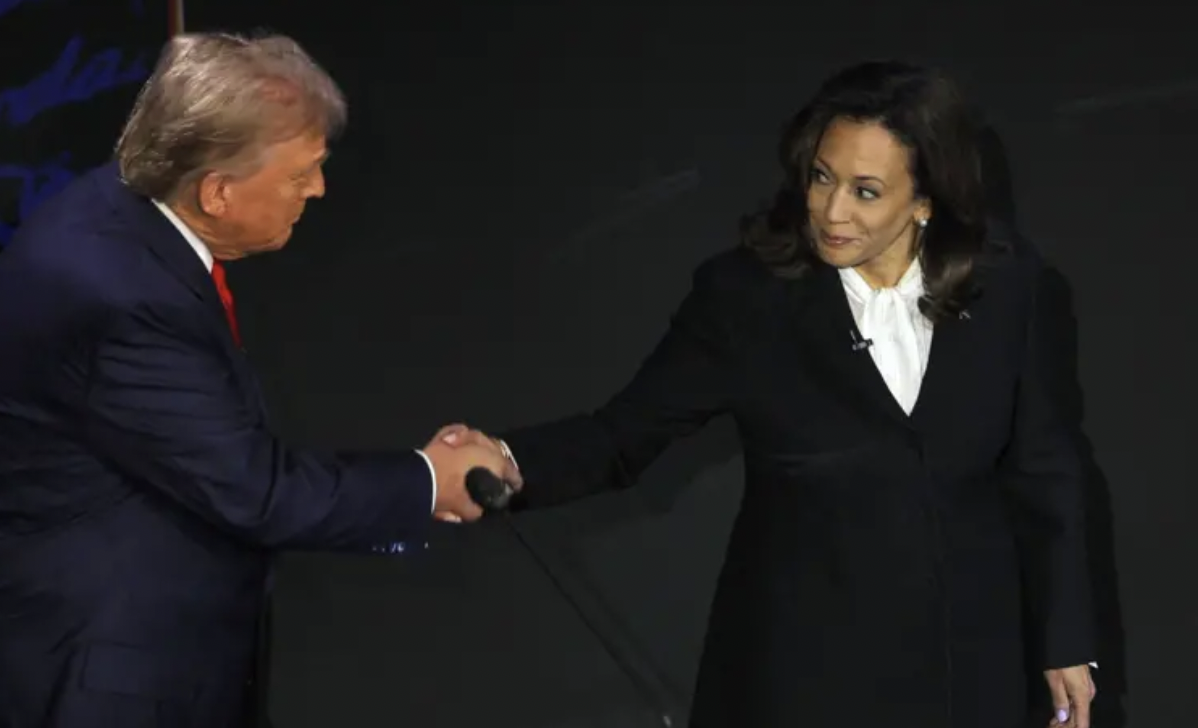
Key Summary:
1 Economy: The predominant concern for Americans, where Trump accuses Biden and Harris of disastrous management.
2 Immigration: Latinos feel more represented by Trump than by Harris, despite media pressure.
3. Abortion: Trump's stance contrasts with Harris’s proposals, generating backlash among certain sectors, yet both Latino migrants and others worldwide advocate for the protection of unborn lives.
4. International Politics: Latinos, drawing from experiences of similar crises, exhibit skepticism towards the leftist agendas proposed by Harris, who is judged harshly for her international policy management, a crucial aspect for the United States.
-
There exists immense pressure from media outlets, particularly segments of the press, which, rather than influencing migrants, reinforce the notion that the horrors in their home countries stem from state ideologies or socialist movements.
Even Democratic voters for local positions prefer Trump for the presidency.
Latinos in the U.S., along with the majority of migrants, harbor skepticism towards pro-Harris media, both national and international; every victimization narrative or leftist agenda discourse triggers an allergic reaction among migrants.
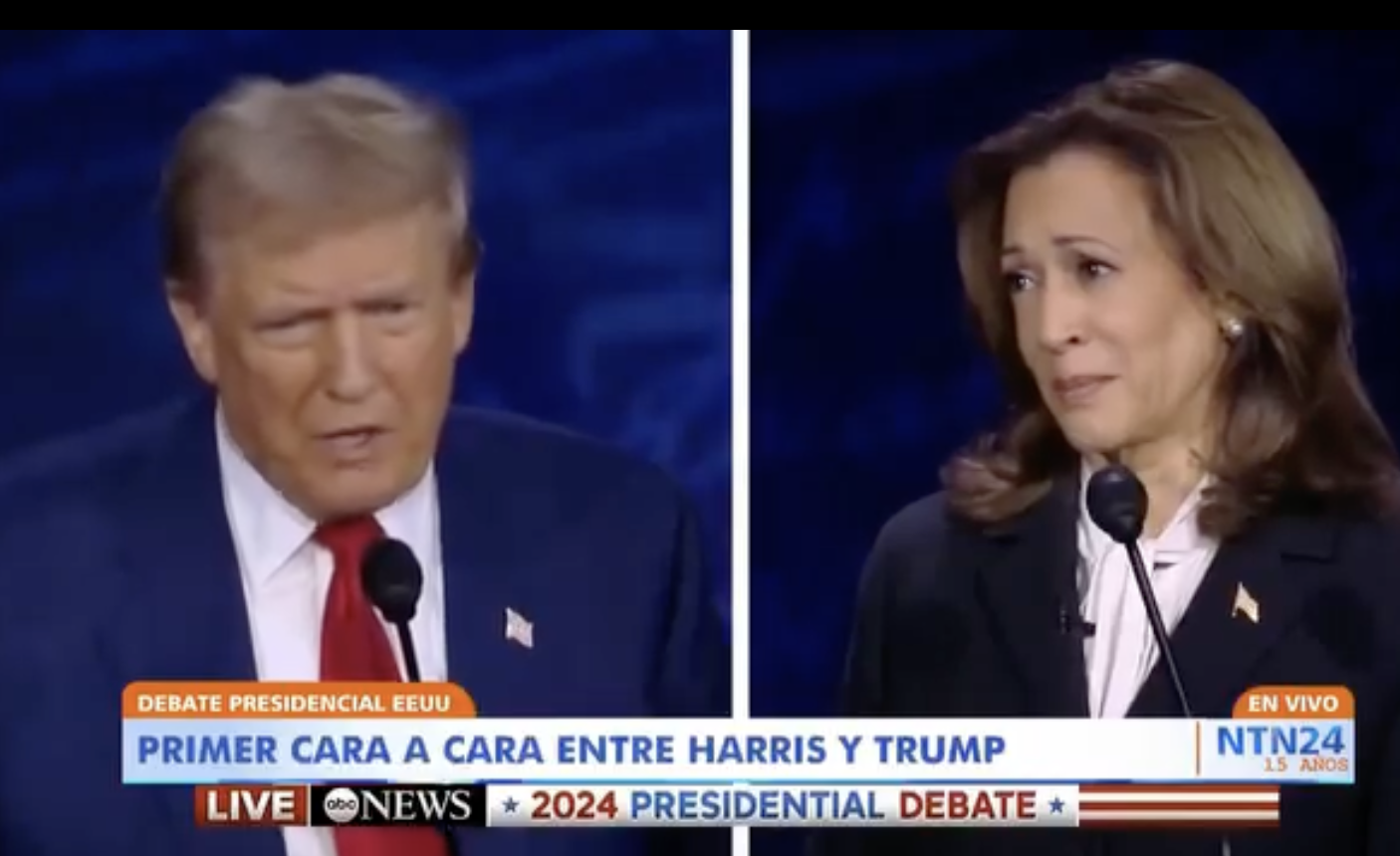
The Question:
Will the people of the United States be able to reevaluate certain inherent biases and leverage the lived experiences of migrants regarding supposedly inclusive or popular policies that have precipitated economic chaos and pervasive corruption in their countries of origin?
The Context of the Debate
The presidential debate between Donald Trump and Kamala Harris, held in Philadelphia on September 10, 2024, highlighted significant differences between the two candidates. The economy emerged as the central theme, and the opening question, "Is the economy better than it was four years ago?", left Harris in a defensive position. Her response, predominantly focused on attacking Trump rather than addressing the issue, prompted many Latinos to question her capacity to grasp their realities. Conversely, Trump seized the opportunity to characterize the current economic situation as "disastrous," reinforcing his image before an electorate that prioritizes economic stability above all else. This approach resonates particularly within Latino communities that have felt the repercussions of ineffective economic policies in their countries of origin.
Immigration: A Sensitive Topic
Immigration policy represents another critical juncture where Latinos find greater alignment with Trump. During the debate, Harris sought to distance herself from Biden's management, attributing blame to Trump for not supporting a bipartisan bill that could have addressed the border crisis. However, this narrative failed to resonate with an electorate that has intimately experienced the realities of migration. In Florida, where a significant portion of the population is of Latino descent, the discontent towards Harris is palpable. Many migrants, regardless of their origins, share the concerns of Latinos regarding illegal immigration and the absence of effective solutions. This emotional connection translates into overwhelming support for Trump, who presents himself as a robust candidate on immigration issues, despite the polarization his rhetoric engenders.
Abortion: A Controversial Matter
The discourse surrounding reproductive rights also emerged as a pivotal battleground. Trump, asserting that he does not endorse a federal abortion ban, endeavored to position himself as a moderate candidate. However, his insistence that states should determine the issue, coupled with references to exceptions in cases of rape or incest, may not suffice to assuage the concerns of Latino voters, who often hold more conservative views on this subject. Harris, on the other hand, denounced Trump's position as "immoral" and vowed to codify the right to abortion if elected president. Nonetheless, her rhetoric has often been perceived as disconnected from the realities faced by Latino families, who prioritize life and familial stability over political agendas.
The expressions of discontent towards Harris were notably reflected in the Latino audience's reception, with the term "Tamala" and "communist" frequently surfacing in discussions across communities.

-
Migrants in the U.S. are increasingly concerned that the majority of non-Latino media outlets hastily declared Harris the debate's winner, a narrative that is unlikely to influence voter behavior.
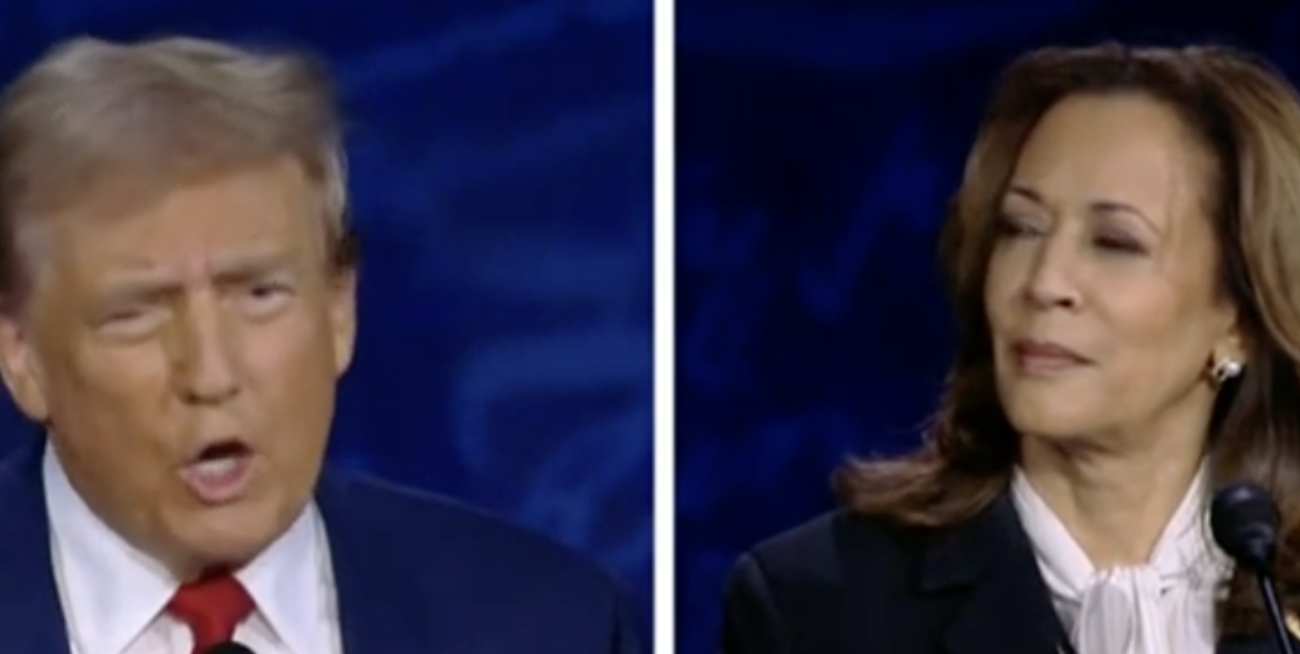
Trump: "The Taliban were killing our soldiers. I told Abdul, the Taliban leader, not to do it anymore. You’re going to have problems. And he said, 'Why are you sending me a picture of my house?' I told him, 'You’re going to have to resolve that.' And for 18 months, they didn’t kill anyone."
International Politics: A Critical Lens
International politics, particularly in relation to Russia's invasion of Ukraine and the conflict in Gaza, sparked fervent exchanges between the two candidates. Trump asserted that if Harris were to win, "in two years, Israel will not exist," a statement that resonated with an electorate keenly interested in foreign policy and national security.
Trump: "If Kamala Harris wins the presidency, this country will have no chance; we will become VENEZUELA ON STEROIDS."

-
Latinos, many of whom have lived through political and economic crises in their homelands, are increasingly aware of the importance of selecting a leader who comprehends the complexities of international relations. Harris's rhetoric, often perceived as ideological and disconnected from reality, could prove detrimental in an electorate seeking stability and security.
In conclusion, the considerable shift in Latino support towards Trump post-debate underscores a critical moment in the political landscape. As the electoral process unfolds, understanding the nuanced perspectives of Latino voters will be essential for both candidates. The implications of this trend may well shape the future of U.S. politics, especially in pivotal battleground states where Latino communities wield significant influence.


-
Registrate sin cargo, y recibe el newsletter solo dejando tu mail y nombre aquí.
-
Sign Up for Free: Register and receive our newsletter by simply leaving your email and name here. (https://infonegocios.miami/suscribite-al-newsletter)

-
IG: @infonegociosmiami
Infonegocios RED: 4.5 Millones de anglolatinos leyendo diariamente las noticias del mundo de los negocios
Infonegocios RED: 4.5 million Anglophone Latinos reading business news daily.
Contacts: marcelo.maurizio@onefullagency.com or juan.maqueda@onefullagency.com