1964: When Ferrari Competed in Blue and White in F1, Miami was the Chosen Venue for the Tribute (We Tell You the Whole Story of the "North American Racing Team")

(By Maurizio and Maqueda) This note is literally "collectible." The 1964 Formula 1 season witnessed a singular event that added a touch of drama and color to the category: Ferrari competed in blue and white. This unexpected turn in the color palette of the legendary Italian racing team occurred as a result of a disagreement between Enzo Ferrari and the sports authorities of the time.

The discontent arose because Ferrari did not have the required number of racing cars to compete in other categories, leading the International Automobile Federation (FIA) and the Automobile Club of Italy (ACI) to not homologate the brand's 250 LM model. Faced with this situation, Enzo Ferrari, in an act of defiance, vowed never to compete again with the brand's characteristic red color.
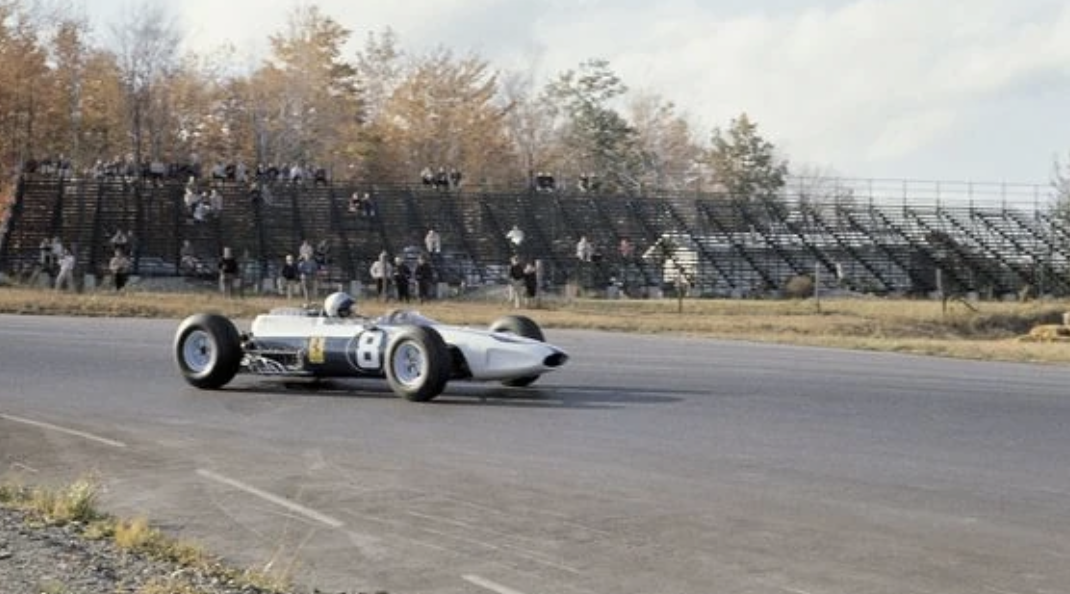
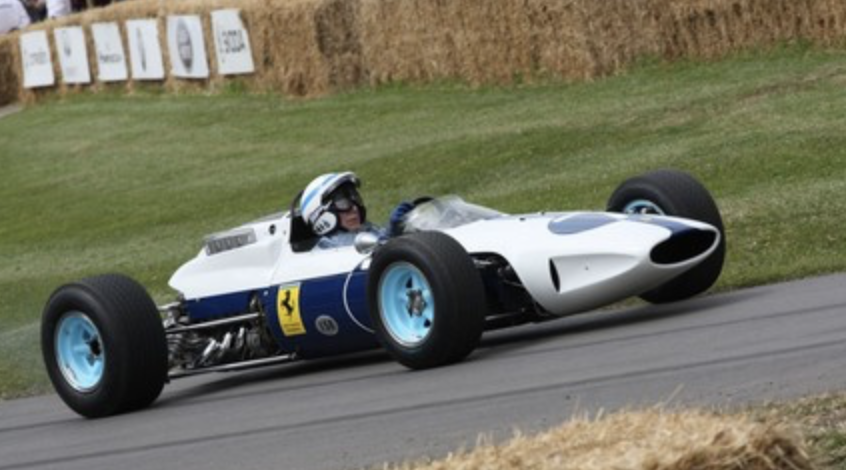
With only two races remaining in the F1 season, Ferrari decided to compete under the name of the "North American Racing Team" (NART) and presented a car painted in blue and white colors. This radical change in the appearance of Ferrari's iconic single-seaters did not go unnoticed and added an element of intrigue and excitement to the championship.
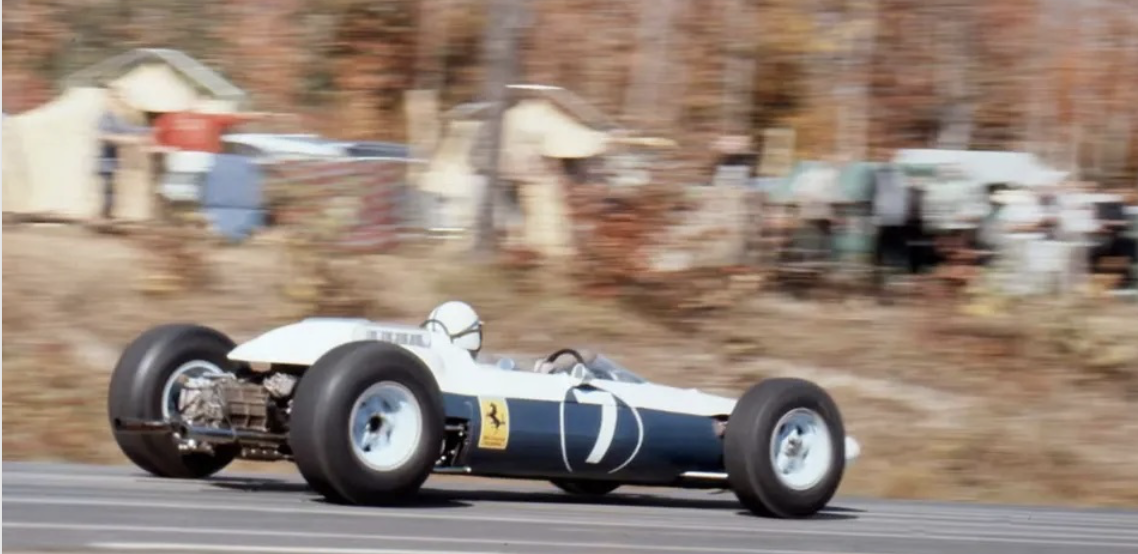
Despite initial concerns, Ferrari demonstrated its dominance on the track by securing both the Constructors' and Drivers' titles. John Surtees, behind the wheel of the blue and white car, achieved outstanding results by finishing second in the last two races in the United States and Mexico, earning him the world championship.
This brief but memorable episode in the history of Formula 1 and Ferrari highlights the determination and distinctive character of the Italian racing team. Although the blue and white colors were replaced by the classic red the following year, the 1964 season remains a reminder of Ferrari's ability to adapt and triumph in the most challenging circumstances.
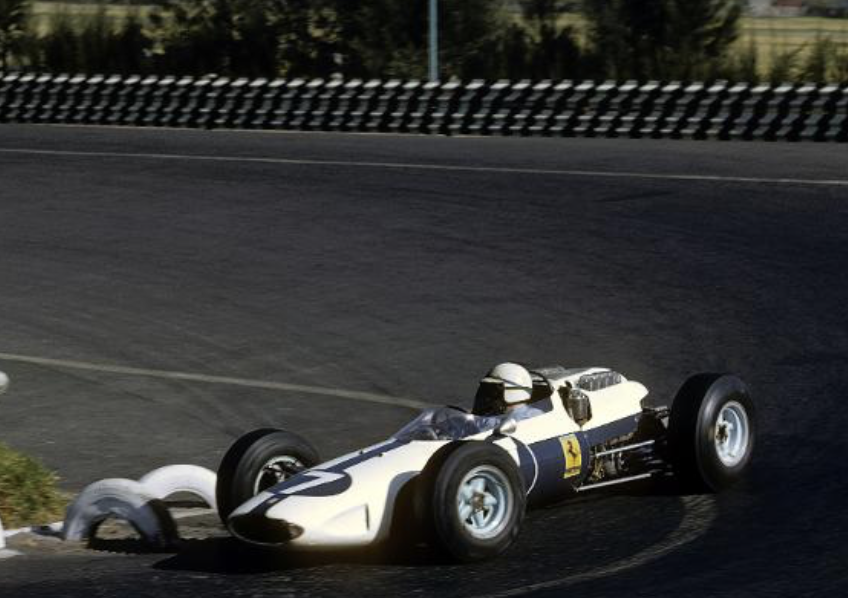
Ferrari, a brand intrinsically associated with the color red in the world of motorsport, surprises the public by announcing its return to light blue at the Miami Grand Prix. This unexpected turn in the color palette of the Italian racing team pays homage to its rich history and provides an opportunity to relive legendary moments.

The history of blue in Ferrari dates back to 1950 when driver Raymond Sommer made history by competing with a blue Ferrari in the Monaco Grand Prix. Since then, blue has left an intermittent but significant mark on the brand's trajectory.
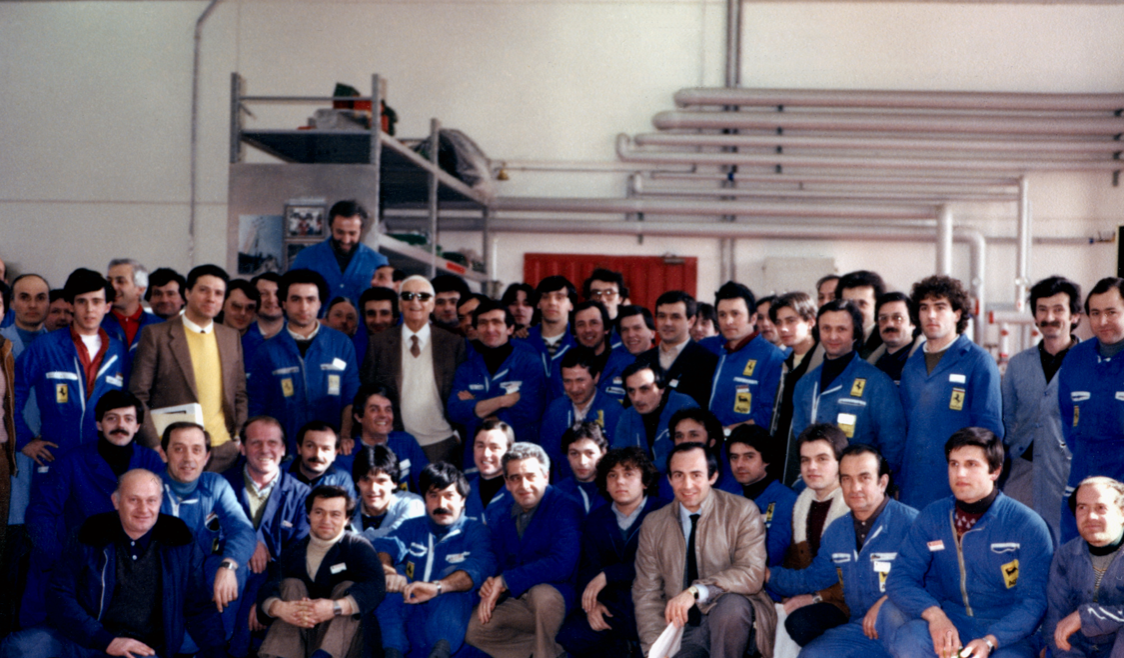
One of the highlights was in 1964 when Enzo Ferrari decided to withdraw his team from the final races of the season as a political act. However, the "North American Racing Team" took the reins, presenting Ferrari cars with distinctive blue and white livery at the United States Grand Prix. This bold move culminated in John Surtees' victory and the consecration of blue in Ferrari's history.

In addition to racing, blue has also been present in the team's attire during the 1950s and 1960s, reflecting the traditional colors of Modena, the hometown of the racing team.
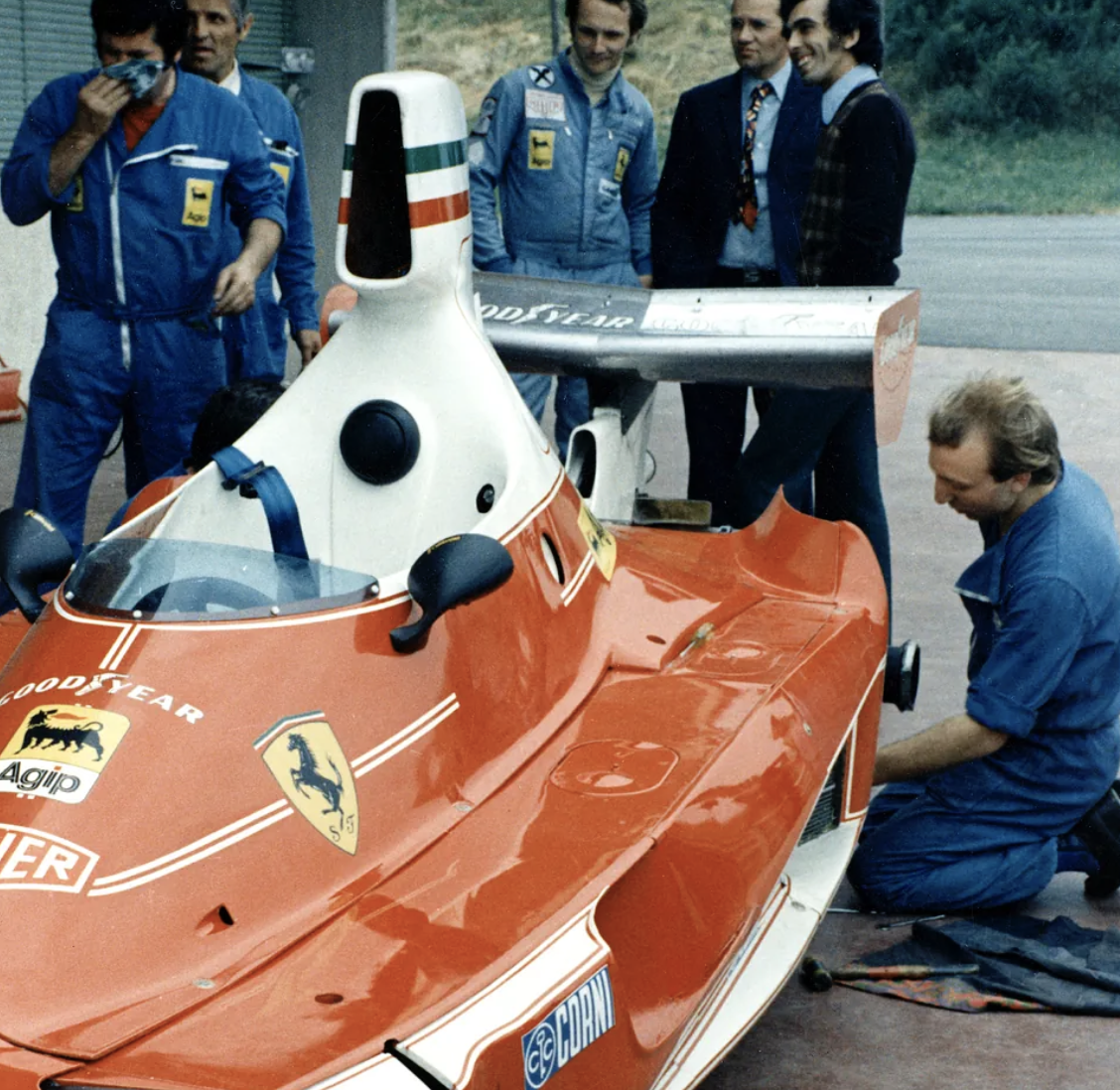
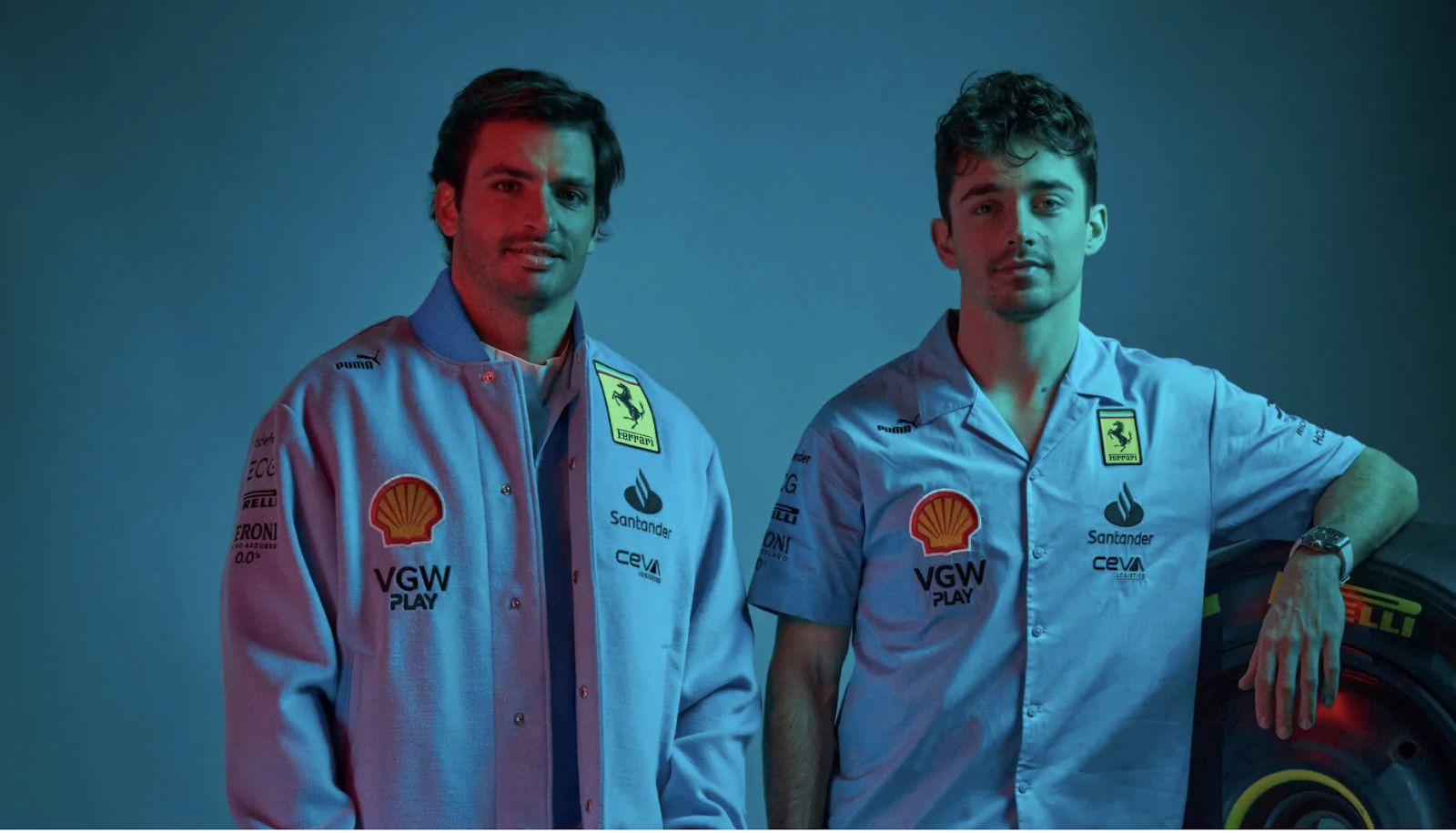
Inspired by this rich heritage, Ferrari joins forces with PUMA to launch a limited edition collection that recalls the team's legendary blue suits. This exclusive collection, which includes varsity jackets, team shirts, and racing boots, will be available for fans who wish to relive the nostalgia of bygone eras.

During the Miami Grand Prix, star drivers Charles Leclerc and Carlos Sainz, along with the entire team, will proudly wear these garments, carrying forward the rich heritage of light blue.

This initiative not only celebrates Ferrari's past but also marks a new chapter in its evolution towards the future.
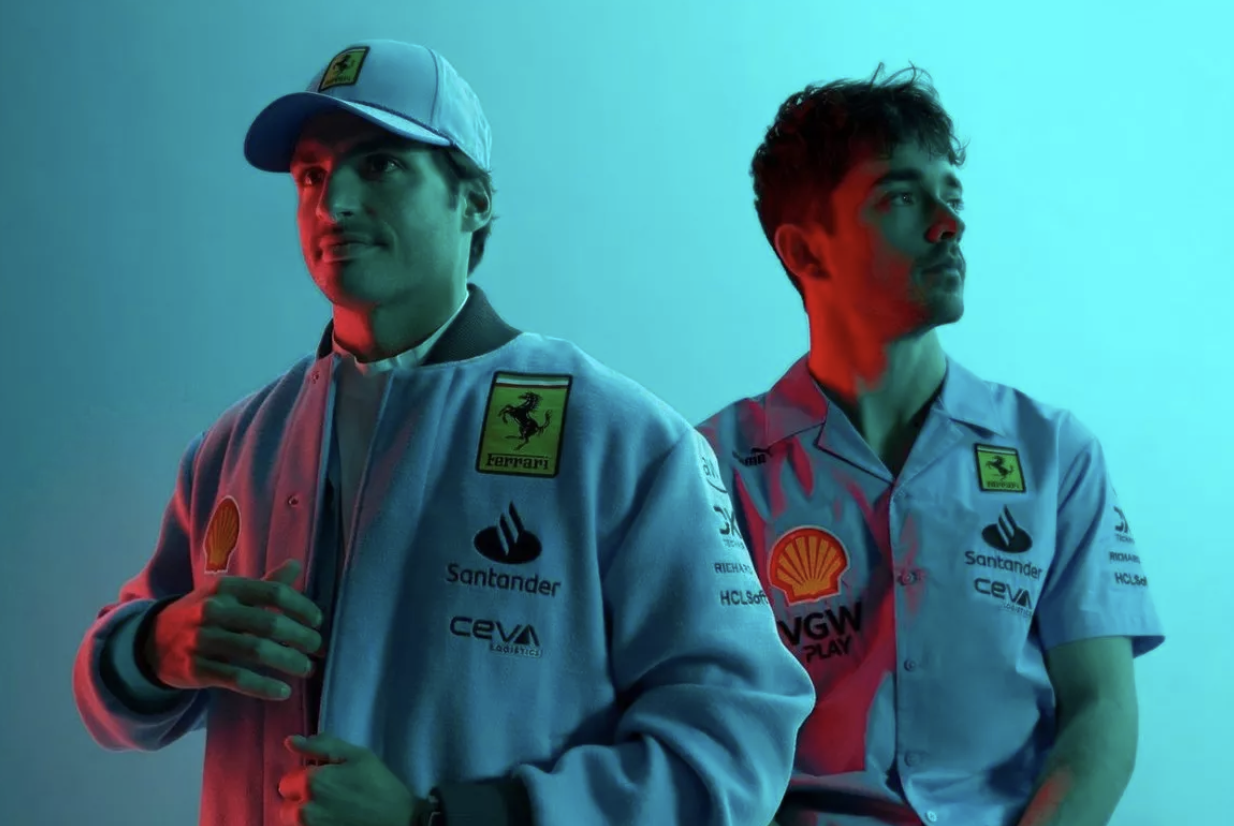
The PUMA x Scuderia Ferrari Miami Limited Edition Collection is now available at select PUMA stores, Scuderia Ferrari outlets, and online. Join the history and be part of this exciting return to light blue with Ferrari at the Miami Grand Prix.

Super Bowl LIX: Bad Bunny cayó en audiencias en TV y no rompió los récords de Usher y Kendrick Lamar, ni MJ (¿por qué medios dijeron lo contrario?)

(Por Maqueda-Maurizio-Taylor) Los datos finales de Nielsen para el Halftime Show del Super Bowl LIX son una cápsula de verdad en un mar de hipérbole digital. 128.2 millones de espectadores. No es un récord. Es, de hecho, una caída de 5.3 millones respecto al pico de 133.5 millones de 2025. 

(Lectura de alto valor estratégico, 4 minutos de lectura, material ideal para compartir)

El "Billionaire Bunker" no es una moda, es una estrategia geopolítica de élite (el manual no escrito al que se suscribe Zuckerberg)

(Por Taylor desde Silicon Beach, edición Maurizio) Cuando Mark Zuckerberg compra una propiedad en Indian Creek Village —esa isla privada de 41 mansiones apodada "Billionaire Bunker"— no está comprando una casa. Está adquiriendo una opción estratégica en el tablero geopolítico del capital global. Y con él, se completa una trinidad sagrada: Bezos (Amazon), Page (Google), Zuckerberg (Meta). Los tres fundadores del ecosistema digital que define el siglo XXI ahora tienen su búnker en el mismo kilómetro cuadrado de Florida.

(Lectura de valor, 4 minutos de lectura, material idea para compartir)

Kylie Jenner y SKIMS: por qué esta campaña no es solo moda (una muestra más de la compleja era de las colaboraciones, phigitalidad y ecosistemas de marca)

(Por Vera- Rotmistrovsky y Maurizio) Esta colaboración, aparentemente sencilla, es en realidad un caso de estudio en estrategia de expansión de categorías, uso inteligente de celebridades y –sobre todo– una lección magistral en cómo conectar lo físico y lo digital en la mente del consumidor.

(Lectura de valor, 4 minutos de lectura, material idea para compartir)

El gran error estratégico que la mayoría de marcas comenten (y que otras como Ferrari, Adidas, Mercedes y LVMH, corrigieron)

(Por Maurizio y Maqueda) Entre 2015 y 2020, una generación de marketineros —sobreestimulados por la fiebre de las métricas digitales— cometió uno de los errores estratégicos más costosos de la historia del mundo de los negocios: declarar muerto el marketing experiencial y físico. 

(Lectura de valor, 4 minutos de lectura, material idea para compartir)

Rhode Snow Club en Big Sky y Ulta Mate Retreat en Upstate New York (ejemplos claros de la supremacía del ecosistema de experiencias de marca)

(Por Maqueda, Otero y Maurizio) Rhode, Rare Beauty y otras firmas de alto perfil están mostrando que el verdadero poder ya no reside en un único canal, sino en un “head of culture” que orquesta un cruce de acciones: activaciones, celebri­ties, retail, contenido nativo, y experiencias inmersivas que viven en redes, buscadores y tiendas.

(Lectura de valor, 4 minutos de lectura, material idea para compartir)

Inter Miami CF se corona como el club más valioso de la MLS (valuación histórica de U$$ 1.450 millones)

(Por ORTEGA) Inter Miami CF no solo hace historia en la cancha. Según Sportico, medio especializado en valuaciones deportivas a nivel global, la franquicia de Florida se consolida como el club más valioso de la Major League Soccer (MLS), con una valoración récord de USD$ 1.450 millones, marcando un crecimiento interanual del 22%, el más alto de la liga.

(Lectura de valor, 3 minutos de lectura, material idea para compartir)

Louis Vuitton en la Fórmula 1 2026: la solidez de un encuentro entre lujo, velocidad y expansión de experiencias (¿qué nos enseña?)

(Por Marcelo Maurizio y Juan Maqueda) La Fórmula 1 (F1) no es solo un deporte; es un fenómeno cultural que ha captado la atención de millones en todo el mundo. Con un número creciente de carreras y una narrativa cautivadora impulsada por la serie de Netflix "Fórmula 1: Drive to Survive", este deporte ha logrado trascender su naturaleza competitiva para convertirse en un espectáculo multidimensional. 

(Lectura de valor, 4 minutos de lectura, material idea para compartir)

Boca Grande: el destino exótico y glamuroso, imperdible del 2026

(Por Vera, edición Maurizio) Con su encanto histórico, playas de arena blanca y una vibrante cultura, Boca Grande no solo atrae a turistas de habla inglesa, sino también a la comunidad anglolatina, que buscan experiencias auténticas y memorables.

(Lectura de 4 minutos de lectura)