
Disney Moves Away from the 'Woke' Agenda: What the Media Isn't Telling You About Its Return to Entertainment Roots

(By Taylor and Maqueda) In a surprising and strategic turn, Disney CEO Bob Iger has announced that the company will shift its focus back to entertainment, distancing itself from the political and social agendas that have polarized its audience. This announcement resonates not just within the entertainment industry but also reflects the complex social and political landscape in the United States. What aren’t the media telling you about this return to Disney's entertainment roots? In an environment where cultural divisions are increasingly pronounced, Disney’s decision to prioritize entertainment over politics may be an attempt to regain the trust of an audience weary of controversy.


Summary and Tips

Bob Iger has revealed that Disney will once again concentrate on entertainment, removing elements from its narrative that have been deemed divisive. This shift aims to win back a broader audience and restore the company's image after years of political tensions.

Iger's recent statement about Disney’s future clearly indicates that the company seeks to re-establish its connection with the public. The decision to abandon a 'woke' agenda in favor of entertainment could be a crucial step toward reclaiming its image and audience trust. "Entertainment should be the priority; politics is bad for business," says corporate governance expert Charles Elson. This approach could not only revitalize Disney but also redefine its role in an ever-evolving media landscape.


A Necessary Strategic Shift

"During a meeting with investors, Iger emphasized that 'our priority must be to entertain, not to promote agendas.'" This declaration marks a significant change in Disney's artistic direction, which has faced criticism for its creative decisions in recent years. The company has been scrutinized for featuring LGBTQ+ characters in productions like "Lightyear" and "Strange World," as well as for altering traditions in its theme parks.

The Controversy and Its Consequences


"Since 2020, Disney has implemented initiatives favoring diversity and inclusion," but these decisions have come at a cost. The clash with Florida Governor Ron DeSantis culminated in the loss of Disney's special tax status in the state, resulting in "a prolonged legal battle that tarnished the company's reputation." This conflict has highlighted how creative decisions can have repercussions in both the political and commercial spheres.
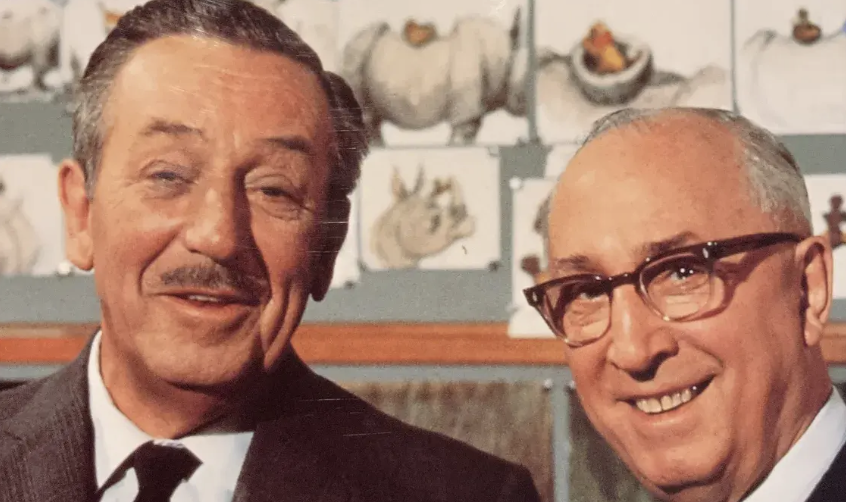


The Need to Reconnect

"The audience is very diverse, and we must be careful not to divide our viewers," Iger stressed. This acknowledgment of audience diversity is crucial for Disney's future. By scrapping a storyline featuring a trans character in the upcoming animated series "Win or Lose," the company aims to avoid alienating certain segments of its audience.

The Value of Inclusion


"Despite this shift in focus, Iger assures that they won’t abandon the values that inspired hits like 'Coco,' 'Black Panther,' and 'Moana.'" Cultural and social representation will remain important, but the company will seek to integrate these elements in a way that avoids division. This balance is essential in a world where public perception can change rapidly.

The Agreement with Trump: A Strategic Move

"Disney settled a defamation lawsuit filed by Donald Trump against ABC News," reflecting the complexities of operating in a volatile political environment. Although the settlement came at a financial cost, it "avoided a prolonged conflict in a complicated political context." Such strategic decisions are vital for the company’s survival in an increasingly competitive market.

And of course, a potential agreement with the Governor of Florida is taking shape.


Frequently Asked Questions (FAQs) 

Why has Disney decided to move away from the 'woke' agenda?
Disney aims to regain favor with a broader audience and avoid divisions that have harmed its image.

What specific changes will be implemented in Disney productions?
Controversial plots are expected to be eliminated, prioritizing entertainment without a political agenda.

How will this affect cultural representation in their films?
Representation will remain important, but an approach that avoids creating multiple divisions within the audience will be sought.



Infonegocios NETWORK: 4.5 million Anglo-Latinos united by a passion for business.


Contact Infonegocios MIAMI:juan.maqueda@onefullagency.com

 or marcelo.maurizio@onefullagency.com

Ole Miss creó el relato perfecto del “Fast Friday” al Fiesta Bowl (por qué Miami es el último capítulo de una revolución)

(Por Ortega) El field goal de 47 yardas de Lucas Carneiro que venció a Georgia no fue un golpe de suerte. Fue la culminación de un proceso diseñado para prosperar en el caos, la validación de una hipótesis arriesgada: que un equipo puede perder a su entrenador estrella un mes antes del playoff, mantener a un staff dividido entre dos programas, y aún así ejecutar bajo presión extrema.

(Tiempo de lectura: 4 minutos para ilusionarse)

Empieza este 2026 haciendo lo que ya los Gurús de las top brands hacen

(Por Otero-Maurizio) "El marketing del futuro no se vende; se vive. Y las marcas que creen espacios para vivir, ganarán." Las tendencias 2026 no son meras predicciones, sino síntomas de una transformación profunda en la psicología del consumidor, la economía de la atención y la arquitectura de valor de las marcas. 

(Contenido de alto valor: 3 minutos)

2026, el primer chisme que hizo estallar las redes: Brady & Earle en St. Barths (¿romance, colaboración de marca o el nuevo power duo del entretenimiento global?)

(Por Vera) En la noche de Año Nuevo, mientras el mundo brindaba por lo nuevo, dos figuras aparentemente distantes —Tom Brady, el atleta meticuloso, y Alix Earle, la influencer de la generación Z— escribían, sin saberlo, un capítulo revelador sobre el futuro del branding, el entretenimiento y la economía de la atención en 2026.

(Nota ágil de 3 minutos, menos de 250 palabras)

El colapso del consumo del alcohol (excepto hiper lujo o meta relevancia) está remodelando todo el marketing de bebidas

(Por Maqueda con Maurizio) Imagine una inversión que pierde casi la mitad de su valor en cinco años. No es una criptomoneda volátil ni una startup fallida. Es la industria global del alcohol, un gigante que durante siglos pareció inmune a las crisis y que hoy enfrenta una tormenta perfecta: una revolución generacional en los hábitos de consumo, guerras comerciales y una transformación farmacológica que está reescribiendo la relación humana con la intoxicación.

(Nota ágil de 3 minutos, menos de 250 palabras)

Rosemary Beach: es como ir a lo mas lindo de Europa y de Miami a la vez (en Florida)

(Por Maurizio) Este pequeño paraíso, ubicado en la pintoresca Costa del Golfo, es un verdadero refugio para aquellos que buscan una escapada idílica, combinando la serenidad de la naturaleza con un estilo de vida moderno y vibrante. En el vasto paisaje de la costa de Florida, se encuentra un rincón de ensueño que no siempre recibe la atención que merece: Rosemary Beach

(Tiempo de lectura estratégica y de alto valor: 4 minutos)

Paradoja Starbucks 2026: reestructura en EEUU y crece en MX (by Alsea) (¿por qué nadie te explica por qué?)

(Por Maqueda y Maurizio) Si quieres entender el futuro del retail, no mires las ganancias. Mira las energías contrastantes. Starbucks no tiene un problema financiero; tiene una crisis ontológica. Mientras en México florece como un ecosistema resiliente, en Estados Unidos se contrae como un organismo que olvidó su propia mitología.

(Tiempo de lectura estratégica y de alto valor: 4 minutos)
