The study, which involved 1,250 respondents in each country, evaluated the level of acceptance of each head of state in their respective territories, revealing insightful results about citizens' perceptions towards their leaders. In this regard, Milei achieved an impressive 55.7% positive image, far surpassing his negative image at 41.9%.
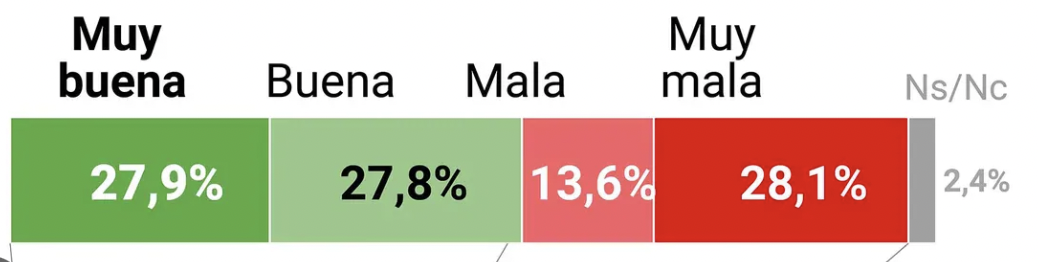
A more detailed analysis of the results highlights the growing positive perception towards Milei, with a 0.9% increase compared to the previous month. This sustained growth has solidified his position as the most accepted leader in the region, being considered "Good" or "Very Good" by half of the respondents.
In contrast, other leaders such as Gabriel Boric of Chile have experienced a notable decline in their positive image, losing a significant 9% in the last 60 days. These fluctuations in public perception underscore the importance of maintaining effective and consistent governance to ensure the trust of the citizenry.
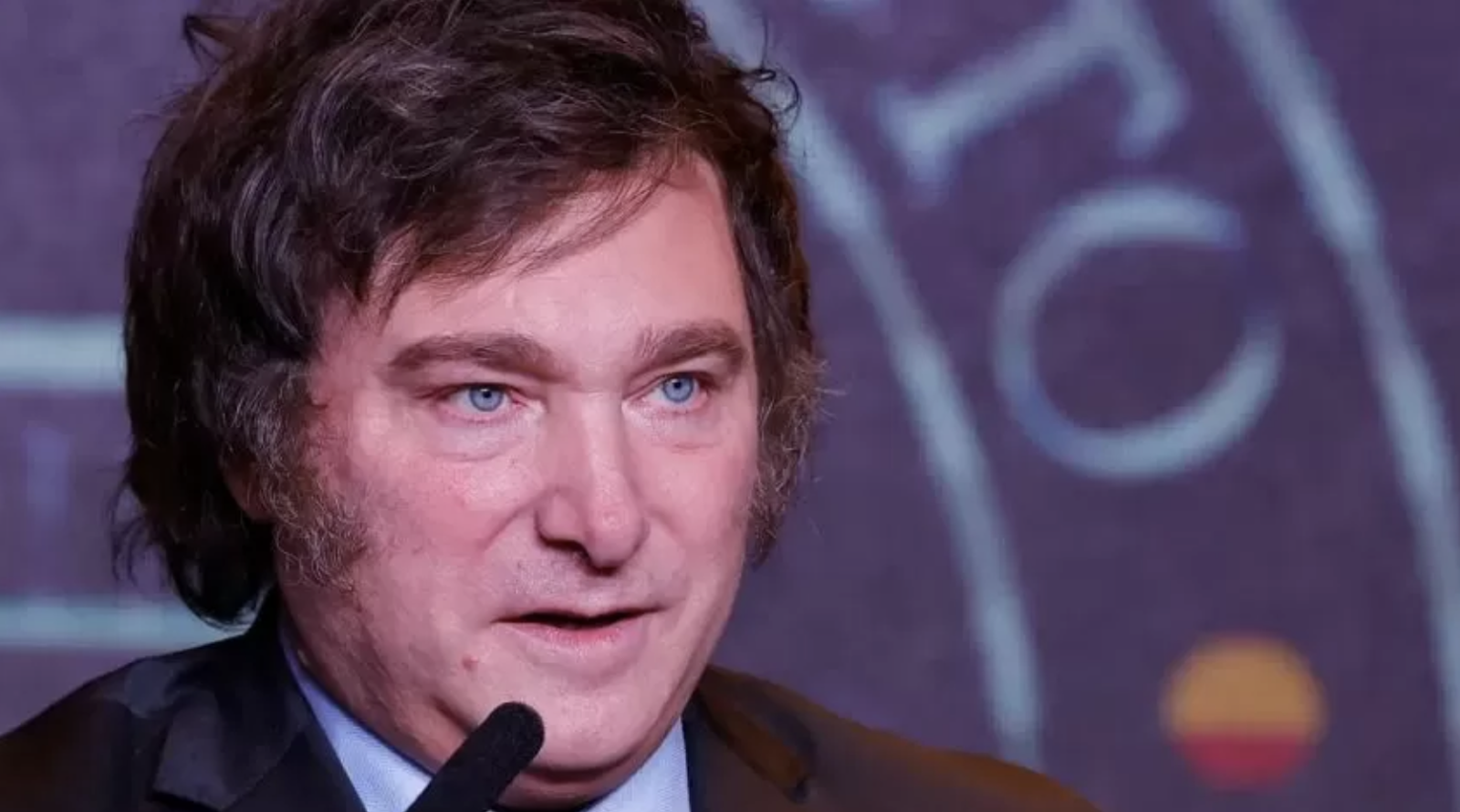
Javier Milei emerges as the President with the best image in South America.
- The CB consulting study reveals significant data on citizens' perceptions towards their leaders.
- Milei attains a 55.7% positive image, surpassing leaders like Daniel Noboa and Lula Da Silva.
- Consistency and effectiveness in political governance are key to maintaining a positive image among the citizenry.
The rise of Javier Milei in the positive image ranking of South American presidents reflects not only the evaluation of his leadership but also the public's perception towards a political approach based on liberal and market principles. This outcome underscores the importance of consistency, transparency, and commitment to the population's needs as fundamental pillars to maintain a positive image in the political realm.
Javier Milei's case as a prominent president in South America illustrates the significant impact that consistent and transparent governance can have on public perception.
His ascent in the positive image ranking is a reflection of the public's support for a political approach based on liberal and market principles.
This result underscores the importance of maintaining effective communication and governance to consolidate the population's trust in their political leaders.
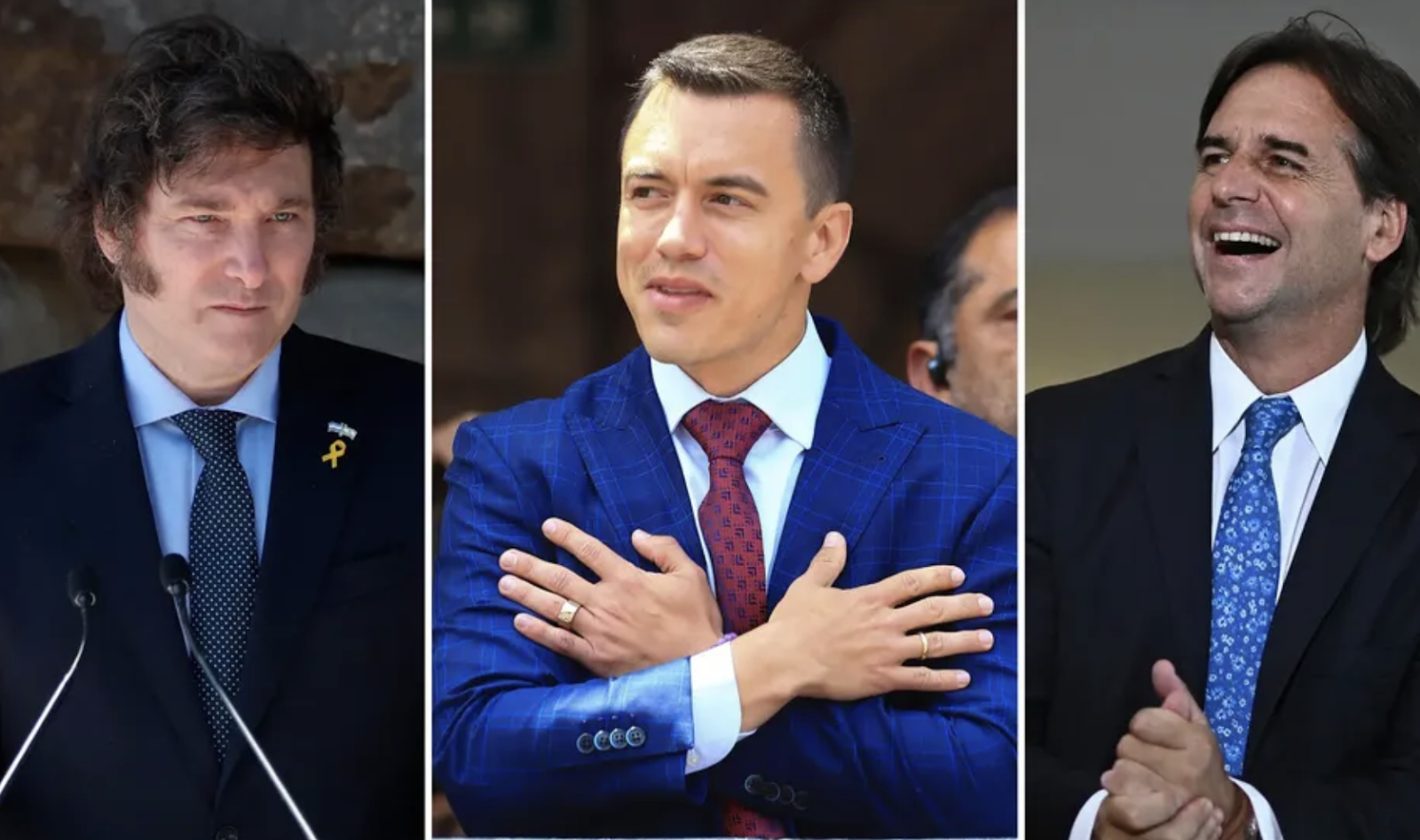
The Top Five in Positive Image in South America
General Ranking of Positive Image of South American Presidents:
- Javier Milei (Argentina): With a solid 55.7% positive image, the Argentine president has positioned himself as the most accepted leader in the region, surpassing his peers in the latest positive image study.
- Daniel Noboa (Ecuador): Despite ranking second, the Ecuadorian president maintains a 54.3% approval, demonstrating a strong support base among his country's citizens.
- Lula Da Silva (Brazil): The former president of Brazil ranks third with a 51.3% approval, showing a recovery in his positive image compared to previous months.
- Luis Lacalle Pou (Uruguay): Despite descending in the ranking, the Uruguayan president retains a 50.8% approval, reflecting a positive perception among his nation's citizens.
- Santiago Peña (Paraguay): The Paraguayan president ranks fifth with a balance between approval and rejection, maintaining a 48.5% approval.
The Top Five with Predominantly Negative Image:
- Luis Arce (Bolivia): With a 43.8% approval, the Bolivian president ranks sixth in the positive image ranking, showing a division in citizens' perception.
- Nicolás Maduro (Venezuela): It's almost unbelievable that despite the political challenges, the Venezuelan president has a 39.3% approval, reflecting a marked polarization in public opinion. Although there has been a noticeable decline in a very totalitarian country where speaking against the regime can lead to persecution, Maduro still manages to sway a certain portion of the population.
- Gustavo Petro (Colombia): The Colombian leader ranks eighth with a 38.9% approval, with a clear majority against.
- Gabriel Boric (Chile): With a concerning 37.5% positive responses, the Chilean president has experienced the most significant decline in his positive image in recent months, highlighting a challenge in managing his popularity.
- Dina Boluarte (Peru): Closing the ranking, the Peruvian leader holds a 26.7% approval, indicating the need to consolidate her leadership and governance to improve her public image.

IG: @infonegociosmiami

-
Registrate sin cargo, ahora, aquí / Sign up for free, now, here:
https://infonegocios.miami/suscribite-al-newsletter
