"For everyone": Messi and a new spot for Mastercard (the importance of value marketing and crossing in the strategies of leading brands)

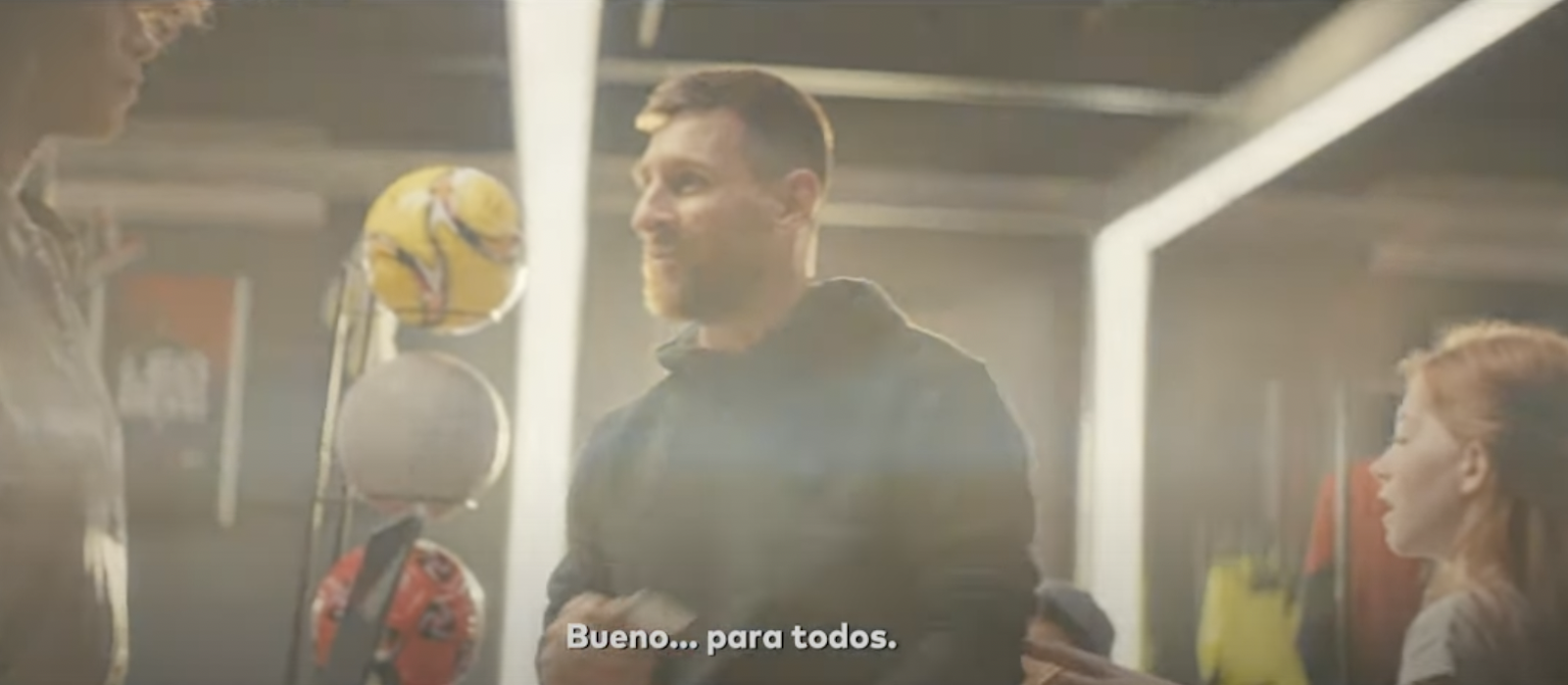
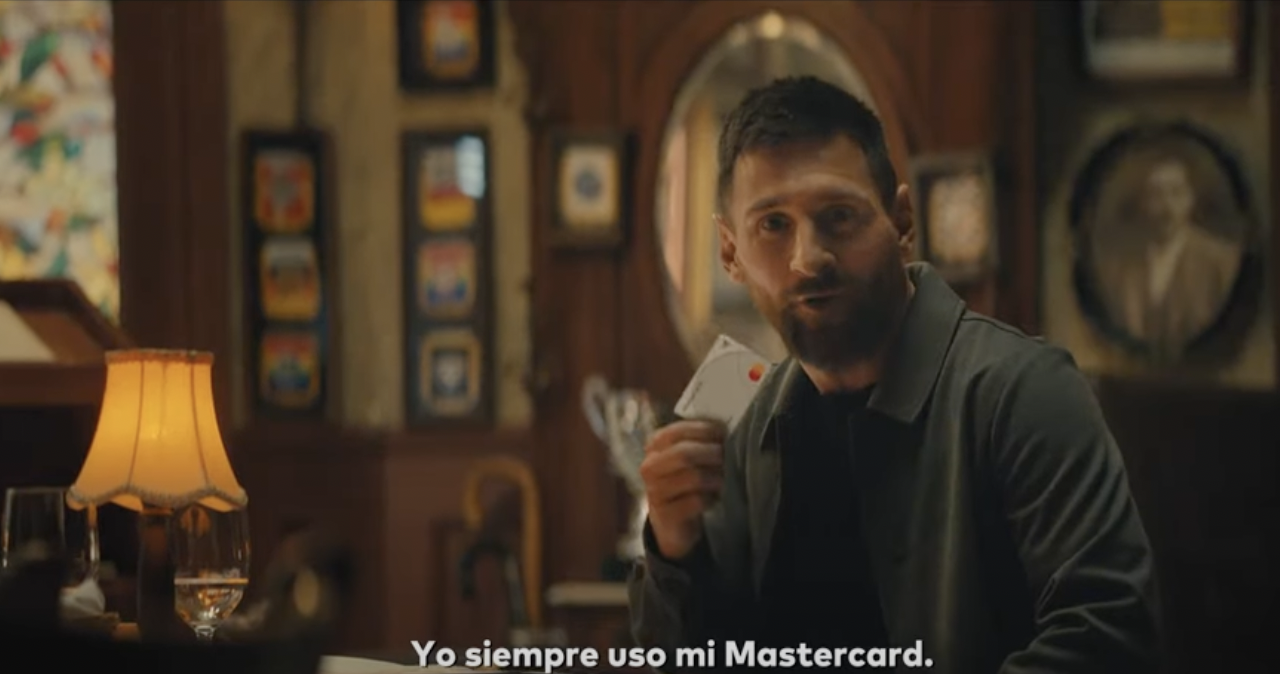
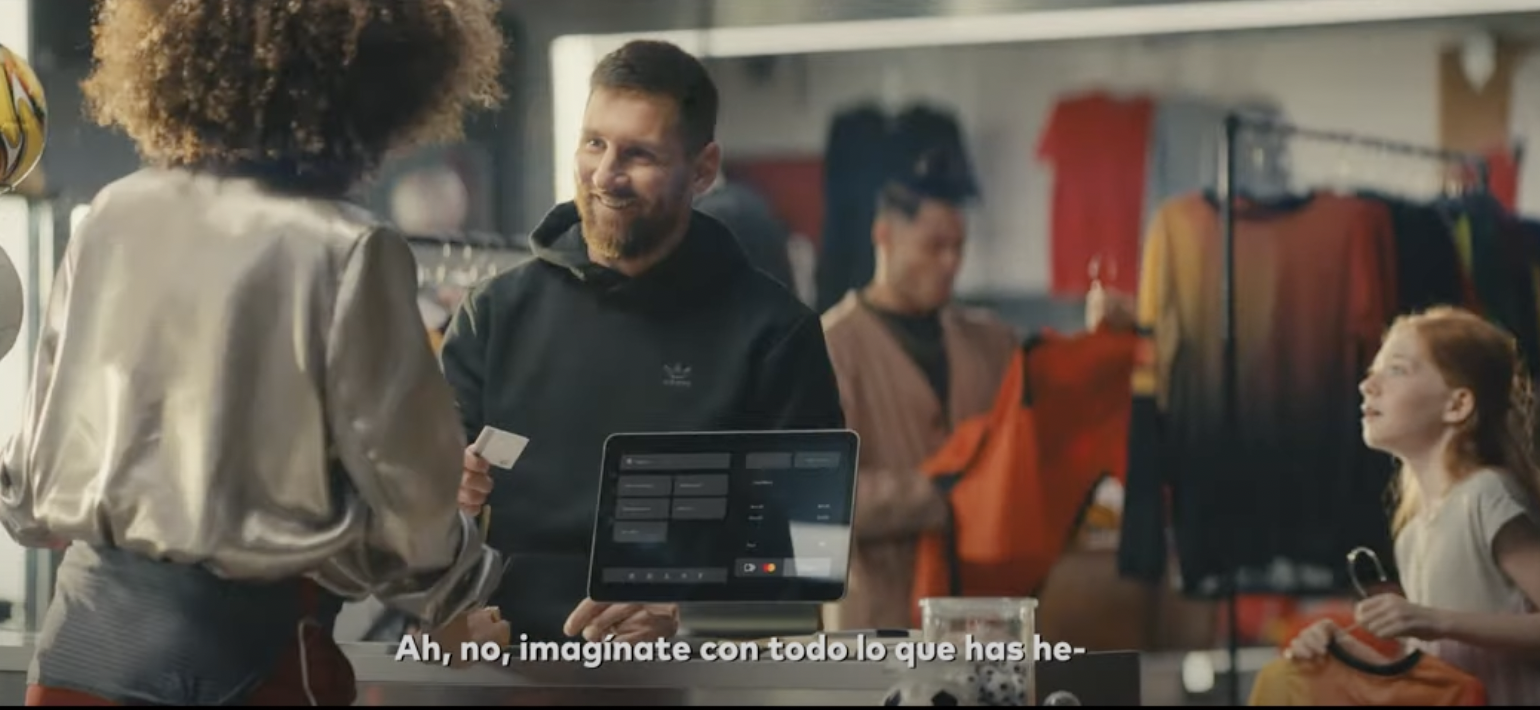
(By Maqueda and Maurizio) In a scenario where the strongest brands in the world continue to invest in advertising spots, sponsoring, activations, and promotions (even if it's called street mkt), even in an increasingly digitalized context, the value difference lies in the so-called "traditional" spots. In reality, this is differential value marketing. The recent Mastercard campaign for the Conmebol Copa America 2024, starring the iconic footballer Lionel Messi, highlights the importance of physical digital marketing, cross, and experiential in companies' strategies.

Lionel Messi said: Mastercard and I share the belief in the importance of bringing people closer to their passions, and connecting them with what brings them joy, because that is priceless — Just like in this campaign, we always look for ways to give back the support we receive.
Big brands, we're talking about McDonald's, Coca-Cola, Pepsi, Meta, Google, Starbucks... have quickly learned post-pandemic:
1. If branding, advertising, spots, storytelling, sponsoring, experiences, marketing are stopped between 3 and 6 months, sales drop drastically. If left for longer, the brand's value loss is drastic.

2. The fact that offline media like TV and radio had to modify their distribution platforms supported by online distribution media does not currently impact the effectiveness of spot campaign actions, product placement, info placement, brand content, or Native Advertising (one of the most valued strategies today in every sense).

3. Although what has changed is the timing, frequency, and flexibility with which the crossing message must be distributed instead of just creating campaign "pieces," the reality is that leading brands noticeably invest their increasingly high budgets in branding, in much more than just online advertising.

The serious mistake is not understanding that the majority of online media investment is because millions of advertisers invest in it, rather than diversifying their media investment.

Enjoy the spot here.

Brands sell emotions, not products. They offer packaged emotions of advancements, solutions, services, or products. That's why real experience, the search for meaning, value, and ultimately emotion, is so important.

Another huge mistake is believing that B2B companies should not do branding, marketing, or experiences. B2B companies always sell to people, not things. These people change jobs, interact, have families, study, interact with other people who are not directly related to the B2B business, but who directly influence them now and perhaps in the future, becoming part of the narrower "network" of interaction in the business world in which they operate. Therefore, the differential value is always present globally, beyond the transactional.

  • Mastercard is once again heavily investing in sports sponsorships, advertising, and content:

  1. We have come to the realization that the old anecdote saying that we didn't know what part of the 50% of what we spend on advertising was wasted was wrong. None of the investments in marketing, branding, or experience is wasted; if there is a crossing plan, whether short, medium, or long term, it always has a return, but having the skills to measure the strategic is another thing. (Excerpt from Seth Godin's conference on value and what you don't know about Marketing).

  2. Under the slogan "Giving Back," Mastercard's spot, which tells a real experience of the Argentine footballer, seeks to emotionally connect with the audience by showing how the brand facilitates positive and smooth experiences, both in sports and in everyday payments. This humanized and approachable focus reflects the importance of building meaningful relationships with consumers, beyond commercial transactions.

  3. Carlos Quintero, Executive Vice President of Marketing and Communication for the Latin America and Caribbean region at Mastercard, highlights the impact of football on communities and how the brand seeks to give back and support its followers. Through innovative technological solutions, such as tap on phone, click to pay, and Mastercard contactless, the company demonstrates its commitment to convenience, speed, and security in payments, adapting to the changing needs of consumers.

"Football has a profound impact on communities around the world, both on and off the field. By showing one of the greatest footballers of all time living fluid payment experiences while giving back to his fans, we hope to show how Mastercard elevates both communities and small businesses, ultimately empowering economies. Our sponsorship of the Conmebol Copa America USA 2024 also provides an opportunity to show how we are bringing to life new technological solutions that make everyday payments easier, faster, and more secure." (Carlos Quintero, Executive Vice President of Marketing and Communication for the Latin America and Caribbean region at Mastercard)

  • Conmebol Copa America USA 2024 not only reinforces its position as a sponsor of renowned sports events but also allows it to showcase its leadership in developing advanced financial solutions that benefit both users and small businesses, thus driving economic growth and financial inclusion.

Mastercard's comprehensive marketing strategy, which combines traditional and digital elements, demonstrates that in an increasingly interconnected world, successful brands are those that manage to balance technological innovation with authenticity, empathy, and commitment to their customers and communities.

IG: @infonegociosmiami



Sign up for free, now, here.


NFL 2026: por qué el fútbol americano (el deporte y sus valores) importa más que nunca (y por qué el show de medio tiempo es lo de menos)

(Por Maqueda, Taylor, Ortega y Maurizio) En 2026, cuando el Super Bowl es también un fenómeno de entretenimiento global, conviene defender una idea simple y casi contracultural: lo más relevante del fútbol americano no es lo que pasa en el escenario del entretiempo, sino lo que pasa en el campo… y lo que ese campo ha enseñado durante más de un siglo sobre la cultura competitiva de Estados Unidos. 

Lectura de alto valor estratégico, 4 minutos de lectura, material idea para compartir)

Adrenalina y estrés: un cóctel peligroso (¿qué tipo de personalidad y qué tipo de organización fomentan este común flagelo?)

(Por la Dra. Sonia Abadi, una cocreación para la prestigiosa comunidad Beyond en colaboración con Infonegocios Miami) Creemos que la adrenalina es energía, excitación, motivación. En realidad, la adrenalina es la hormona de la lucha y, por lo tanto, una respuesta física ante situaciones que producen miedo. 

(Lectura de alto valor estratégico, 4 minutos de lectura, material idea para compartir)

Jurassic Park y el WiFi (Xfinity) "funciona" en el Super Bowl LIX: la nostalgia se convierte en el ecosistema phydigital más ambicioso de 2026

(Por Maqueda-Taylor-Maurizio) Hay un momento en la historia de la publicidad donde un spot deja de ser un spot. Donde un anuncio de 60 segundos se transforma en un organismo vivo que respira en calles, pantallas, algoritmos, conversaciones y emociones colectivas. 

 (Lectura de alto valor estratégico, 4 minutos de lectura, material idea para compartir)

Super Bowl LX: la masterclass de estrategia que todos debemos aprender para el 2026 (y aplicarla en los negocios)

(Taylor-Ortega, colaboración Maurizio) Bajo las luces del Levi's Stadium, no se coronó solo a un campeón de la NFL. Se escribió el manual de una nueva era, donde la estrategia pura, ejecutada con precisión quirúrgica por una defensa joven (Cross de experiencia, muchas capacidades, juventud y mucho trabajo de equipo) derrotó a la tradición, “técnica” y fuerza.

(Lectura de alto valor estratégico, 4 minutos de lectura, material idea para compartir)

Super Bowl LIX: Bad Bunny cayó en audiencias en TV y no rompió los récords de Usher y Kendrick Lamar, ni MJ (¿por qué medios dijeron lo contrario?)

(Por Maqueda-Maurizio-Taylor) Los datos finales de Nielsen para el Halftime Show del Super Bowl LIX son una cápsula de verdad en un mar de hipérbole digital. 128.2 millones de espectadores. No es un récord. Es, de hecho, una caída de 5.3 millones respecto al pico de 133.5 millones de 2025. 

(Lectura de alto valor estratégico, 4 minutos de lectura, material ideal para compartir)

El "Billionaire Bunker" no es una moda, es una estrategia geopolítica de élite (el manual no escrito al que se suscribe Zuckerberg)

(Por Taylor desde Silicon Beach, edición Maurizio) Cuando Mark Zuckerberg compra una propiedad en Indian Creek Village —esa isla privada de 41 mansiones apodada "Billionaire Bunker"— no está comprando una casa. Está adquiriendo una opción estratégica en el tablero geopolítico del capital global. Y con él, se completa una trinidad sagrada: Bezos (Amazon), Page (Google), Zuckerberg (Meta). Los tres fundadores del ecosistema digital que define el siglo XXI ahora tienen su búnker en el mismo kilómetro cuadrado de Florida.

(Lectura de valor, 4 minutos de lectura, material idea para compartir)

Kylie Jenner y SKIMS: por qué esta campaña no es solo moda (una muestra más de la compleja era de las colaboraciones, phigitalidad y ecosistemas de marca)

(Por Vera- Rotmistrovsky y Maurizio) Esta colaboración, aparentemente sencilla, es en realidad un caso de estudio en estrategia de expansión de categorías, uso inteligente de celebridades y –sobre todo– una lección magistral en cómo conectar lo físico y lo digital en la mente del consumidor.

(Lectura de valor, 4 minutos de lectura, material idea para compartir)

Inter Miami CF se corona como el club más valioso de la MLS (valuación histórica de U$$ 1.450 millones)

(Por ORTEGA) Inter Miami CF no solo hace historia en la cancha. Según Sportico, medio especializado en valuaciones deportivas a nivel global, la franquicia de Florida se consolida como el club más valioso de la Major League Soccer (MLS), con una valoración récord de USD$ 1.450 millones, marcando un crecimiento interanual del 22%, el más alto de la liga.

(Lectura de valor, 3 minutos de lectura, material idea para compartir)

El gran error estratégico que la mayoría de marcas comenten (y que otras como Ferrari, Adidas, Mercedes y LVMH, corrigieron)

(Por Maurizio y Maqueda) Entre 2015 y 2020, una generación de marketineros —sobreestimulados por la fiebre de las métricas digitales— cometió uno de los errores estratégicos más costosos de la historia del mundo de los negocios: declarar muerto el marketing experiencial y físico. 

(Lectura de valor, 4 minutos de lectura, material idea para compartir)