Polo Beach: the most exclusive sport in the world arrives in Miami

(By Marcelo Maurizio y Juan Maqueda) Polo Beach is a variant of traditional polo played on the beach instead of on a grass field. The sport originated on the beaches of Argentina and Uruguay in the early 20th century and has become increasingly popular worldwide, especially in luxury tourist destinations. From April 20 to 23, the most important tournament of this eccentric luxury sport, the Beach Polo World Cup, will take place in Miami. The Beach Polo World Cup in Miami is the largest and most notable beach polo event in the world. It features eight international teams and more than 120 horses.

Polo is considered the sport of kings. Its beach version, in Miami, is spectacular both in the pre-event, during the competition, and the post-match events, which are only comparable to the most exclusive of F1 or golf.

The world's most premium brands have a great stake in Miami and throughout the tournament as princes, sheiks, millionaires, top designers, and celebrities are big fans of this sport.

It is a sport that originated in Argentina and Uruguay and for more than 15 years has been a worldwide boom.

One of the most prominent events in the world of beach polo is the Miami Beach Polo Championship, which is held annually in the city of Miami, Florida. The championship has been an annual event since 2005, attracting some of the best beach polo teams and players in the world.

The Miami Beach Polo Championship takes place on South Beach, which is one of the most famous and visited beaches in the world. The location is perfect for this event, as it provides ample space for teams to compete and for spectators to enjoy the sport and the sun.

The championship:

The Miami Beach Polo Championship attracts teams from all over the world, with players from Argentina, Uruguay, Brazil, Mexico, the United States, and other countries. These teams are some of the best in the world at beach polo and compete in a series of matches to determine the tournament champion. La Dolfina team from Argentina has been one of the undisputed protagonists of this tournament.
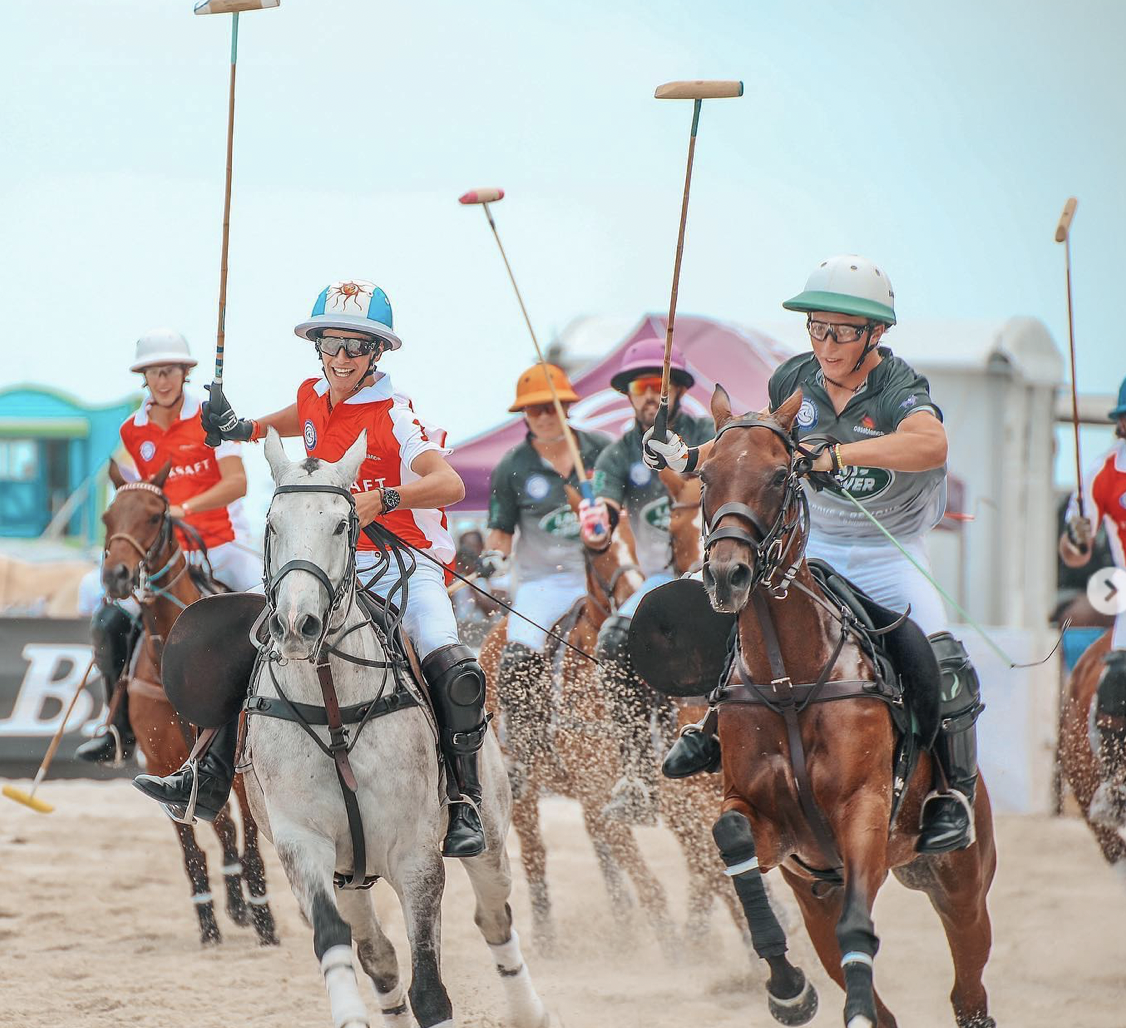
The championship is important because it is one of the few high-level beach polo events held in the United States. Additionally, the location in Miami makes it accessible to a broad audience, including many international tourists visiting the city. The event is also a great opportunity for luxury brands to associate with the sport and reach a high-net-worth audience.

Miami Polo Beach attracts a large number of spectators each year, and numbers have been increasing over the years. The event is a great opportunity for beach polo fans to see some of the best teams and players in the world compete in a spectacular environment. It is also a great opportunity for sports fans in general to enjoy an exciting and unique event.
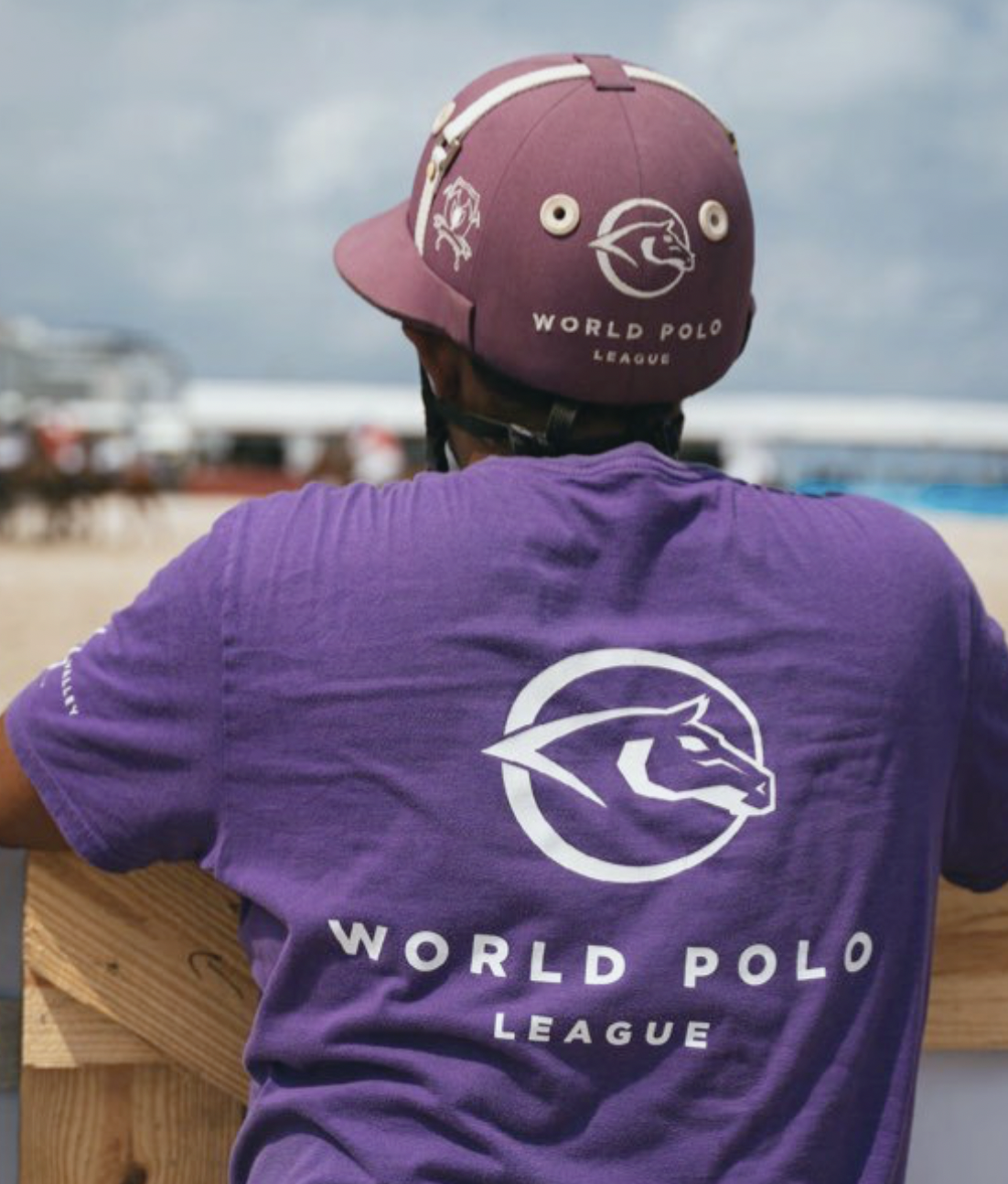
Several luxury brands participate in the event as sponsors, including Rolex, which is one of the main sponsors of the tournament. Rolex has long been a supporter of the sport of polo, and its association with the Miami Beach Polo Championship is just one of the many ways the brand supports the sport worldwide. Other luxury brands participating in the event include Tiffany & Co., Hublot, Cartier, and Piaget.

As for the teams that typically play in the championship, there is a wide variety of teams that compete each year. Some of the most prominent teams include the Argentinean team La Dolfina, which has won multiple beach polo championships worldwide, as well as the Brazilian team São José, which has been one of the strongest teams on the beach polo circuit for several years.

In addition to Latin American teams, there are also several American teams that compete in the championship.
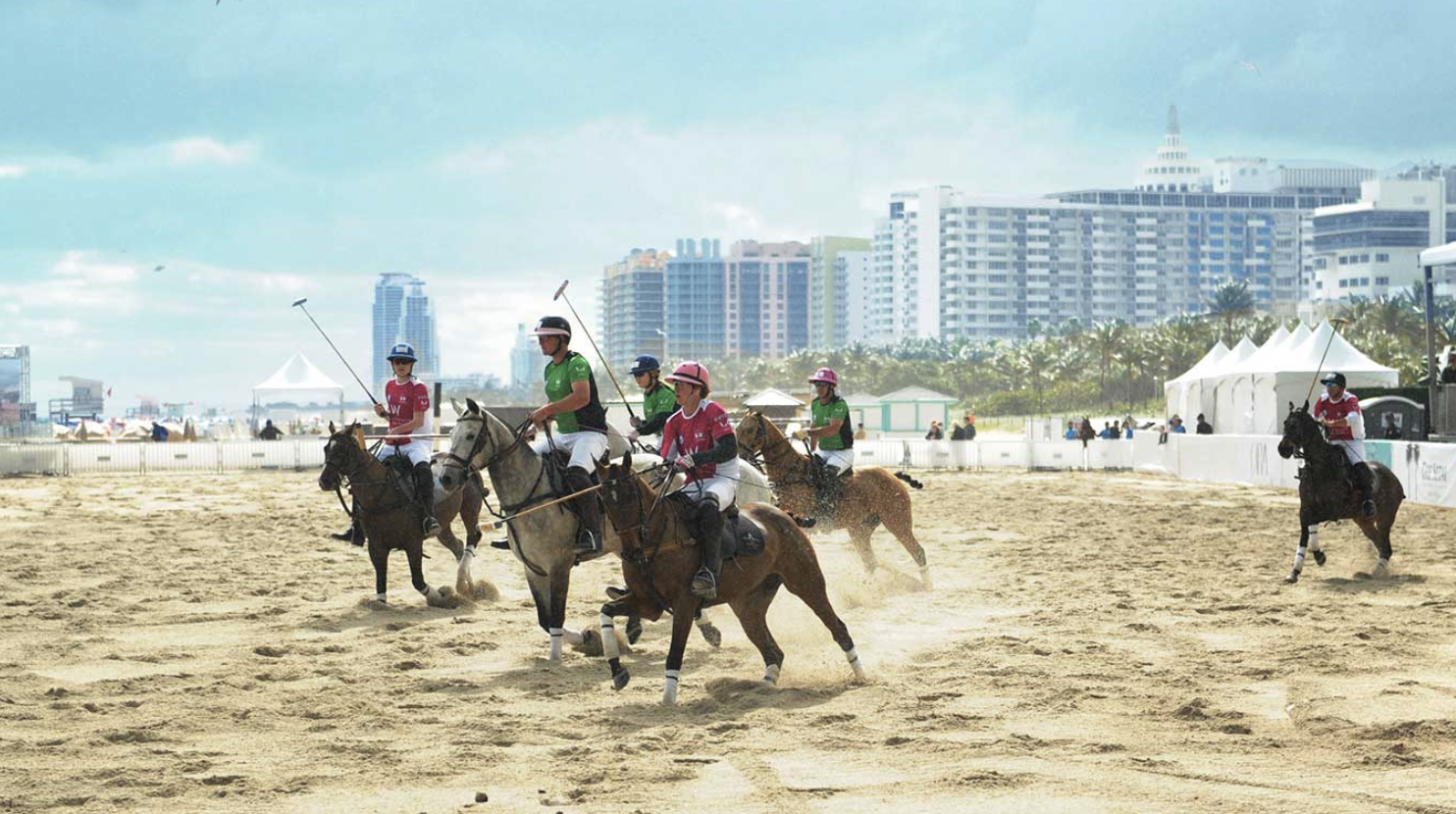
Since its first edition in 2005, the Miami Beach Polo Championship has seen several teams from different countries win the tournament title.

Some of the winning teams in previous editions of the championship include:

2005: Cetacea (United States)

2006: Brazil CT (Brazil)

2007: The Surf Lodge (United States)

2008: Sao Jose (Brazil)

2009: Cetacea (United States)

2010: La Dolfina (Argentina)

2011: La Dolfina (Argentina)

2012: Casa de Campo (Dominican Republic)

2013: La Dolfina (Argentina)

2014: La Dolfina (Argentina)

2015: La Dolfina (Argentina)

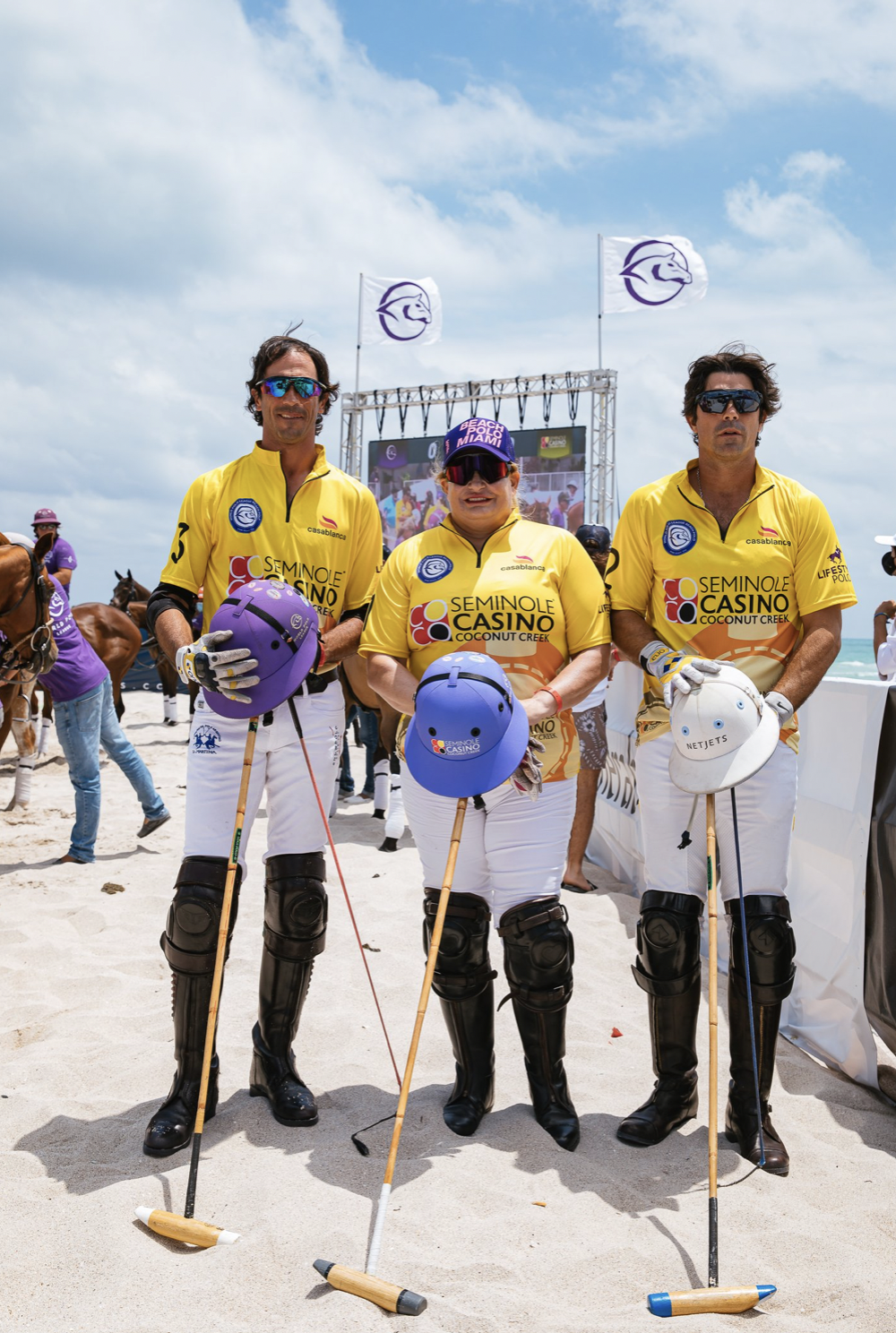
2016: Seminole Casino Coconut Creek (United States)

2017: La Dolfina (Argentina)

2018: Seminole Casino Coconut Creek (United States)

2019: La Dolfina (Argentina)
Rosemary Beach: es como ir a lo mas lindo de Europa y de Miami a la vez (en Florida)

(Por Maurizio) Este pequeño paraíso, ubicado en la pintoresca Costa del Golfo, es un verdadero refugio para aquellos que buscan una escapada idílica, combinando la serenidad de la naturaleza con un estilo de vida moderno y vibrante. En el vasto paisaje de la costa de Florida, se encuentra un rincón de ensueño que no siempre recibe la atención que merece: Rosemary Beach

(Tiempo de lectura estratégica y de alto valor: 4 minutos)

El colapso del consumo del alcohol (excepto hiper lujo o meta relevancia) está remodelando todo el marketing de bebidas

(Por Maqueda con Maurizio) Imagine una inversión que pierde casi la mitad de su valor en cinco años. No es una criptomoneda volátil ni una startup fallida. Es la industria global del alcohol, un gigante que durante siglos pareció inmune a las crisis y que hoy enfrenta una tormenta perfecta: una revolución generacional en los hábitos de consumo, guerras comerciales y una transformación farmacológica que está reescribiendo la relación humana con la intoxicación.

(Nota ágil de 3 minutos, menos de 250 palabras)

Paradoja Starbucks 2026: reestructura en EEUU y crece en MX (by Alsea) (¿por qué nadie te explica por qué?)

(Por Maqueda y Maurizio) Si quieres entender el futuro del retail, no mires las ganancias. Mira las energías contrastantes. Starbucks no tiene un problema financiero; tiene una crisis ontológica. Mientras en México florece como un ecosistema resiliente, en Estados Unidos se contrae como un organismo que olvidó su propia mitología.

(Tiempo de lectura estratégica y de alto valor: 4 minutos)

La revolución del retail temático: ¿por qué tu tienda ya no es una tienda? (Target lo acaba de demostrar en el Soho)

(Por Maurizio y Maqueda) Si crees que el retail  físico está muriendo, no has entendido nada. Lo que murió fue la transacción fría. O solo la venta de producto o servicio. Lo que nace —y Target en SoHo lo grita con cada detalle— es la tienda como universo temático, como escenario narrativo, como espacio ritual. No estamos hablando de “branding”. 

(Tiempo de lectura estratégica y de alto valor: 3 minutos)

Red Bull 2026: la escuela del Crossing Mkt, en la era de expansión de categorías y universos de marca (10 tips ágiles)

(Taylor- Maqueda-Otero-Maurizio)  2026 llega con una certeza estratégica: la expansión de categorías y universos de marca ya no es opcional, es la norma. En este contexto, Red Bull no es solo una bebida energética; es la escuela global de Crossing Marketing, aquella disciplina que cruza, mezcla y eleva marcas para generar valor real en ecosistemas tremendamente complejos.

(Tiempo de lectura estratégica y de alto valor: 4 minutos)

Estrategias de éxito para 2026: ¿sabes cuánto invierte Red Bull en crear universos temáticos y expandir sus categorías? (P-2)

(Taylor- Maqueda-Otero-Maurizio) Red Bull ha convertido lo que parecía ser una simple bebida en un ecosistema de innovación continua. En la era de la expansión de categorías y universos de marca, es la referencia de cómo convertir talento, contenidos, patrocinios y experiencias en un valor de marca sostenido y creciente. 

(Tiempo de lectura estratégica y de alto valor: 4 minutos)

Clearwater, Florida: el lugar preferido por celebridades, influencers y turistas vips

(Por Vera) Mucho más que un simple destino: es un ecosistema de bellezas naturales, playan inmesnas, oportunidades, tendencias, cultura cool y estrategias que están moldeando el futuro del turismo, los negocios y el bienestar en EE.UU., Latam y España, Clearwater proyecta ser en el boom para los turistas provenientes de Sud América

(Tiempo de lectura: 4 minutos)