Why the Global Power Maps Are Rarely Reshaped with Clear Breaks
In recent years, China and Russia have woven an uneasy but functional alliance — not based on a shared vision of the future, but on a common diagnosis of the past: that the liberal international order — led by the U.S. and its allies — is a scaffolding that has stifled their ambitions, thwarted their rise, and, on a deeper emotional level, wounded their national pride.
-
From Moscow and Beijing, the message is clear: the West did not export democracy — it exported inequality and decadence. Their claimed universal values were, in reality, interests disguised as principles. Xi Jinping and Vladimir Putin are not natural allies; they share little beyond an authoritarian vocation and a knack for manipulating history. But in this era of forced multipolarity, that’s enough. China provides scale, technology, and strategic vision; Russia offers challenge, belligerence, and disruptive intent — which Beijing, more cautious with its economic interests, prefers to outsource.
The common narrative that unites them is simple yet effective: Occident oppresses; Eurasia liberates.
The New Silk Road Initiative and BRICS present themselves as alternatives to the “decadent” Bretton Woods model — with its financial institutions and conditions. Both regimes have learned they don’t need to convince the world they’re virtuous; it’s enough to sow doubt about their critics’ virtue. And in that terrain, they’ve found fertile ground: Africa, South Asia, and Latin America are showing increasing ambivalence — or even sympathy — toward anti-Western theses.
Alberto Schuster
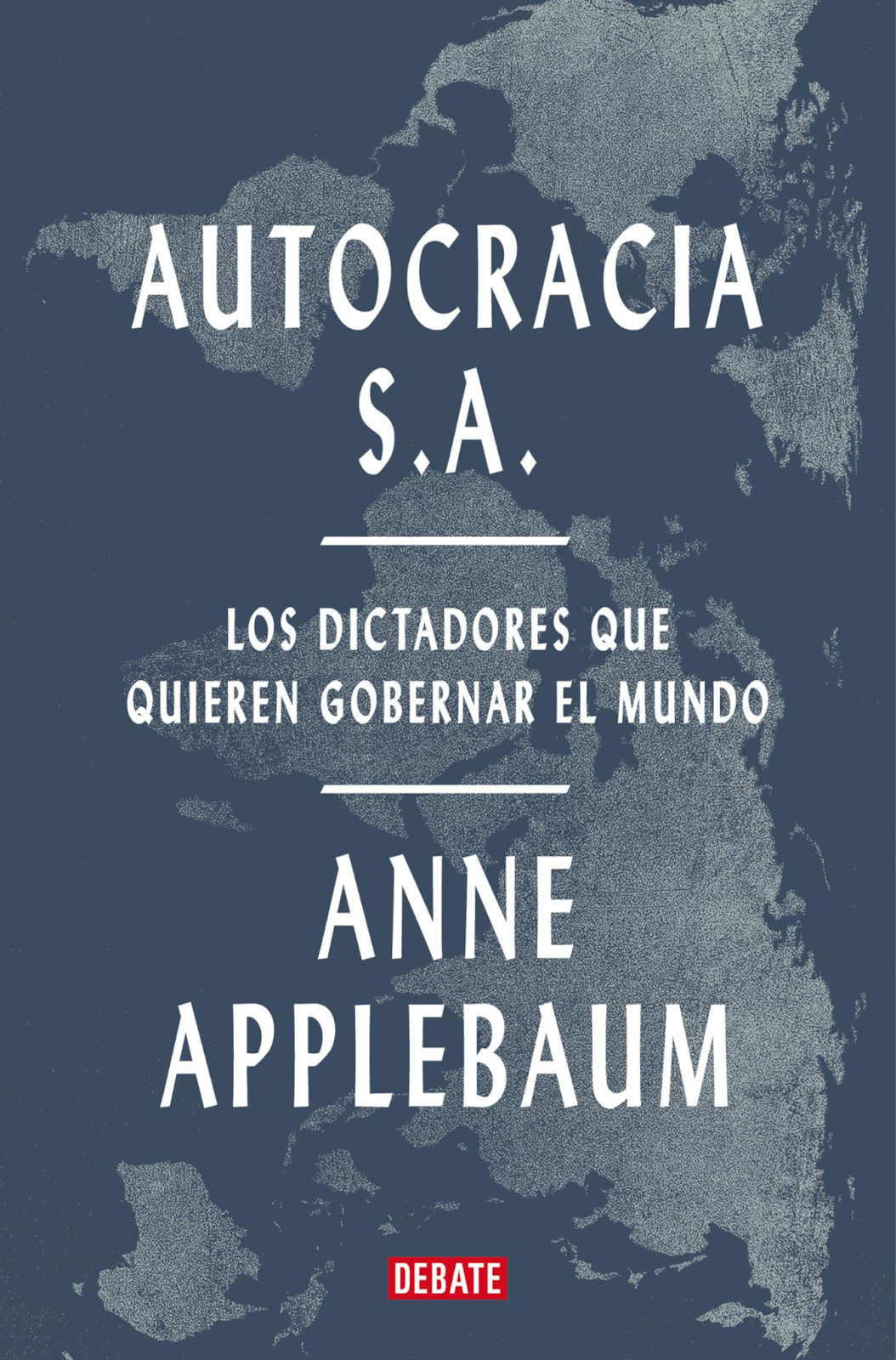
Anne Applebaum, a historian of authoritarian regimes, has warned — and it’s evident in countries as distant as Hungary and Venezuela — that modern autocracies no longer need tanks in the streets. They can hollow out institutions from within, replace pluralism with propaganda, and cloak it all in a veneer of legality. Russia and China are two versions of this model. Moscow operates with brutality and blatant cynicism; Beijing, with millennia of patience and algorithmic surveillance. Both, however, rely on the political use of history: appealing to narratives of external humiliation to justify their current exceptionalism. And both foster an identity-based nationalism that fuels obedience and dismisses dissent.

-
History’s routes are selective. Xi proudly recalls China’s civilizational glories and denounces “foreign aggression” that turned it into a semi-colonial state. Putin speaks of the USSR and the Russian Empire as if they were stops on the same historical train — blaming the West for trying to reduce Russia to a cultural colony. All of this is communicated effectively on international forums, where the narrative of “resisting hegemony” resonates with countries still grappling with colonial legacies. In these spaces, BRICS is no longer a curious club but a political platform, with ambitions to reform the global order and an appealing discourse for those feeling marginalized from the center.

But beneath the surface, tensions are evident. Much of 19th-century Russian expansionism was carried out at China’s expense, through unequal treaties both governments now prefer to forget. Russian elites, even as they accept Chinese financial backing, view their growing technological and commercial dependence with suspicion. Leaked documents in Moscow suggest that Beijing is privately regarded as a “strategic adversary,” even as official photos of handshakes and state banquets multiply.
-
On the other side, Chinese scholars are beginning to speak openly. Feng Yujun of Peking University has declared that Russia’s real goal is to rebuild a Eurasian empire under Moscow’s dominance — driven by an aggressive geopolitical culture, deep insecurity, and a messianic vision rooted in Orthodoxy. This isn’t the kind of partner China would choose if it didn’t need to project power without direct involvement.
Peter Frankopan
The Ukraine war, however, has proved useful for Beijing. It has allowed China to observe — and learn from — Western weapons systems, new tech warfare tactics, and NATO’s logistical vulnerabilities. Meanwhile, bilateral trade has grown, with Russia selling resources at bargain prices and China carefully avoiding crossing red lines that would trigger sanctions. The benefits are clear; the costs, for now, are controlled.


Follow us on Instagram: @infonegociosmiami / Siga-nos no Instagram: @infonegociosmiami
Will this alliance last? Like many others throughout history, it depends on the context. For now, both sides find it useful to maintain the illusion of an ideological brotherhood. The language of the past — humiliated empires, ancient civilizations, common enemies — helps order the present. But neither Xi nor Putin forgets that marriages of convenience rarely survive the calculus that created them. Today, what unites them isn’t love for a multipolar world, but fear of being isolated in a system that still, albeit less and less, responds to rules they didn’t write.
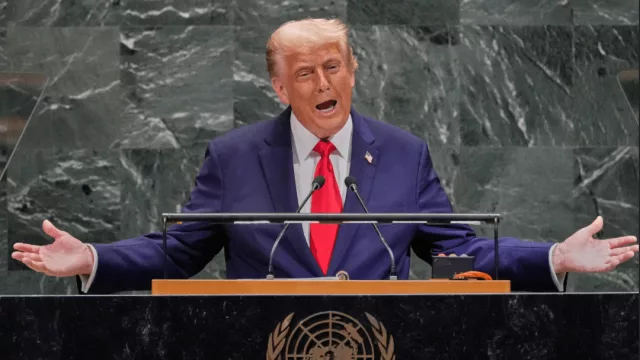
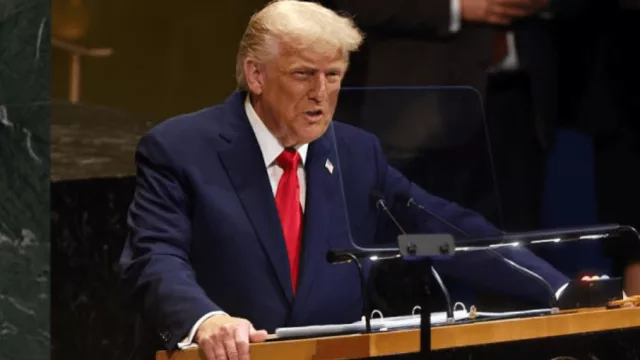
Finally, many see the current U.S. government veering toward autocracy. If that materializes, we might witness — in practice — three autocratic powers vying for influence, each seeking allies to play in a new global reset.
Read Smart, Be Smarter!

Suscribete:
-
Subscribe for free to receive the most strategic, agile, and valuable insights at: https://infonegocios.miami/suscribite-al-newsletter
Infonegocios NETWORK: 4.5 million Anglo-Latinos united by a passion for business.
Contact Infonegocios MIAMI:
marcelo.maurizio@gmail.com









Tu opinión enriquece este artículo: