-
It wasn’t a surprise; it was a statement of principles. While MLS and the globalized “soccer-entertainment” economy push for marquee signings, South American football, in its raw essence, reminded us that the heart of the game beats in identity, cohesion, and collective narrative.
-
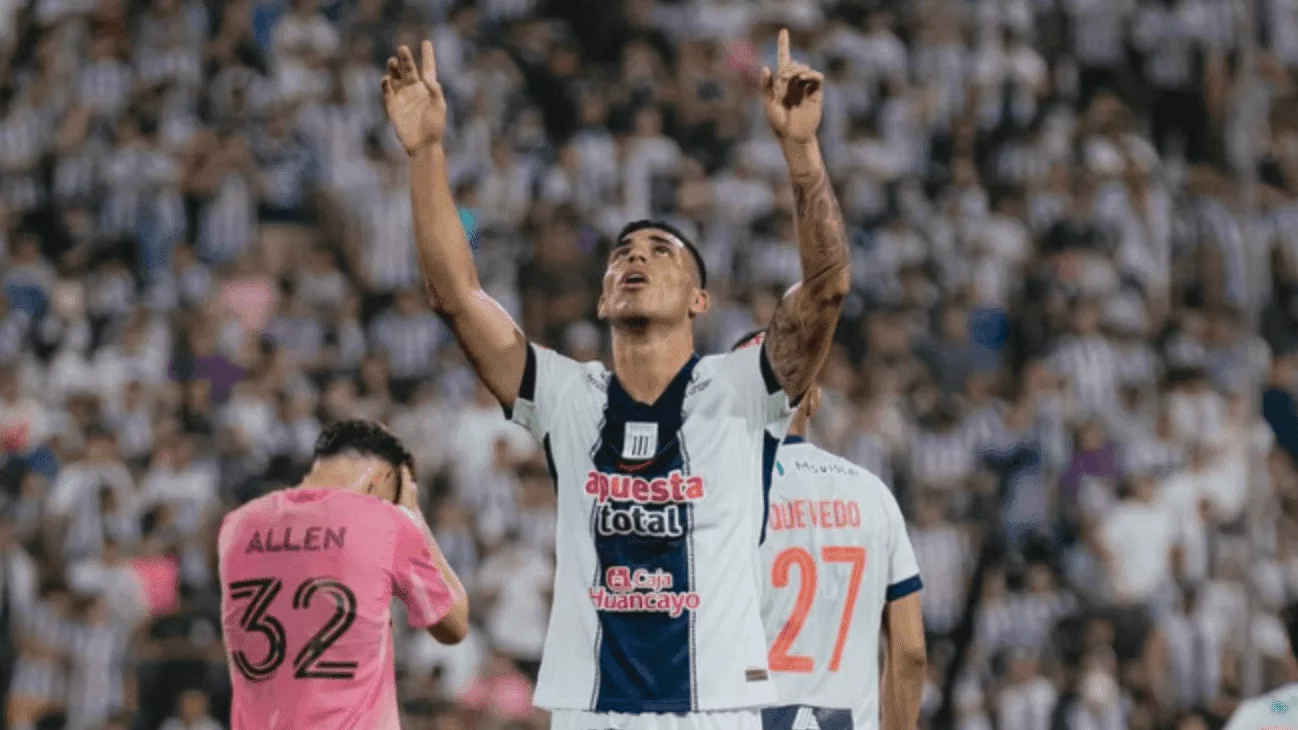
The 2026 “Noche Blanquiazul” was not just a match. It was a live sociological experiment. On one side, Inter Miami, the planet’s most media-intensive project, with Messi, Suárez, De Paul, and six debuts in a luxury casting. On the other, Alianza, a club that is a vital organ of the city, with Paolo Guerrero — at 42 years old — as the archetype of resilience and legacy. The 3-0 (Guerrero with a brace, Luis Ramos with a goal) is just the number; the story is how we got there.

The Soulful Tactics: Cohesion vs. Collectivism
-
Inter Miami began with ball dominance, but sterile possession. Messi sought, Suárez sniffed, De Paul circulated. Yet they faced something money can’t buy: a compact defense defending a story. Angelo Viscarra in goal wasn’t just a keeper; he was a guardian of local dignity. As sports sociologist Eduardo Galévez notes in “The Field and the Simulacrum: Football in the Global Era,” these clashes expose the struggle between football as community and football as product.
-
Alianza, led by Pablo Guede, applied a lesson in emotional pragmatism. They withstood the first 20 minutes and then attacked with surgical precision. Guerrero’s header at 28’ for the first goal was a symbol: experience and rootedness beating glamour. The second, a classic “Predator” finish, sent a message to the mirror: viability has no expiration date. The narrative wasn’t written by Messi; it was authored by a national icon reclaiming his temple.
The Debut That Didn’t Matter: The Disconnection of the Supersquad
-
Inter Miami started with six debutants: Ayala, Mura, St. Clair, Reguilón, Pinter, and Shaw. A showroom of signings. Yet, as performance-management expert Dr. Robert Hernández notes in “The Culture Code for Sports,” integrating talent is a process, not an event. Florida’s squad showed the typical disconnect of a group in blending, where movements aren’t intuitive but calculated. David Ruiz, returning from injury, flashed in a mechanism still not fully engaged.
-
Meanwhile, Alianza moved pieces with home-field familiarity. Substitutions (Girotti, Cantero, Quevedo, Ramos) injected energy, not rupture. Ramos’ 73rd-minute strike was the crown of a collective symphony: a play built through the collaboration of those who share a language beyond words. When Messi, Suárez, and De Paul left minutes later, they weren’t just leaving the field; they were stepping away from a narrative they couldn’t control.

15 High-Performance Tips (Inspired by Alianza Lima’s Victory) for Leaders and Entrepreneurs in 2026
-
Identity is Your Absolute Advantage: Alianza played at Matute, defending its colors. Your “stadium” is your corporate culture. Defend it with passion.
-
The Veteran as the Backbone: A Paolo Guerrero (experience, legacy) on your team brings calm and decisive action in critical moments. Value historical know-how.
-
Hold the First Assault: The best rivals (or markets) attack first. Hold the first 20 minutes with discipline. Rhythm then imposes itself.
-
Efficiency, Not Possession: Inter Miami had more ball; Alianza had more goals. Measure success by tangible results, not hollow activity metrics.
-
Cohesion > Collectivism: Six debutants of luxury didn’t beat a team with shared DNA. Prioritize cultural integration over talent accumulation.
-
The Goal as Narrative: Each Alianza goal told a story (resilience, staying power, collective). Ensure every milestone of your project tells a powerful story.
-
The goalkeeper as Principal Leader: Viscarra was security. Your first line of defense (customer care, quality) must inspire absolute trust.
-
Substitutions That Add, Not Detract: Alianza’s substitutes brought energy and even a goal. Build a bench that reinforces, not merely replaces.
-
Defeat Expectation with Simplicity: Everyone expected Messi spectacle. Alianza delivered work, order, and efficiency. Surprise by delivering, not by tricks.
-
The Rival as Mirror: Inter Miami reflected the challenges of integrating stars. Use each challenge as a mirror to diagnose your own weaknesses.
-
The Tour Is Not a Vacation: For Inter Miami, this was preseason. For Alianza, it was a historic event. Treat every market interaction as definitive.
-
The Final Score Is What Persists: The 3-0 will be in the records. Focus on building results that endure in your industry’s memory.
-
Celebrate Collectivity: The third goal was Ramos’s, but it was built by several. Celebrate and highlight collaborative processes, not just the scorers.
-
Preseason Reveals: This match showed Inter Miami’s lack of synchronization. Use trial phases to expose and correct flaws before the league starts.
-
Legacy Inspires the Present: Guerrero, an icon, charted the way. Connect your organization’s glorious past with its present mission to create authentic motivation.
The Final Truth
Alianza Lima 3-0 Inter Miami is the perfect metaphor for the 2026 business and sports world. A world obsessed with superstars, sensational marketing, and lightning signings (Inter Miami) was defeated by an organization with soul, history, and a clear, conviction-driven game plan (Alianza).
As outlets from Miami to Buenos Aires cover the event, the lesson for Infonegocios is brutally clear: in the era of hyperconnectivity and spectacle, the most valuable and unbeaten asset is operational authenticity. In Matute, shirts sweat. Messi’s project, with all its power, collided with the rock of an institution that knows who it is.

This result does not minimize Inter Miami, which has time to adjust. But it elevates Alianza Lima as a case study: how a club with limited resources but unlimited identity can stand toe-to-toe with the most market-driven machine in global football.
Preseason 2026 ends with its first masterful lesson: football, like business, is still won with heart, brain, and a better-executed plan. Everything else is noise
Read Smart, Be Smarter!
https://infonegocios.miami/subscribe-to-newsletter
Contact: [email protected]
Infonegocios NETWORK: 4.5 million Anglo-Latinos united by a passion for business.
Join us and stay informed.
© 2025 Infonegocios Miami.

Infonegocios Miami—Economic, Cultural, and Business Intelligence with a Global Lens











Tu opinión enriquece este artículo: