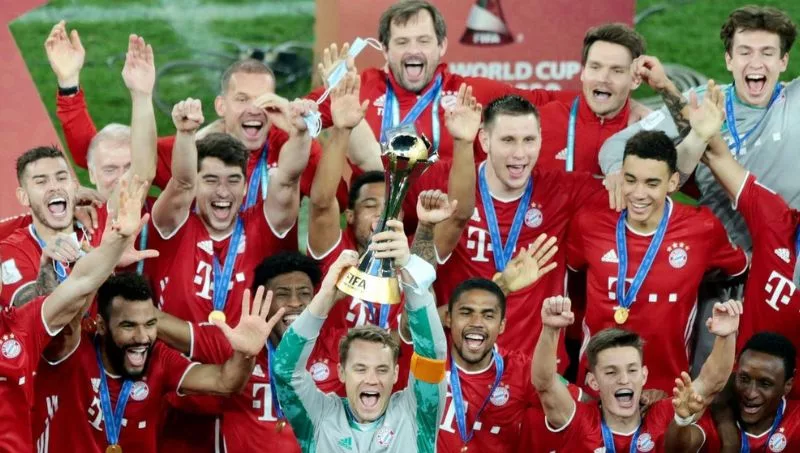
When Business, Strategy & Sport Converge: What These Champions Teach About Leadership, Innovation & Global Markets
In a world where business and sport collide, understanding who the true kings of global football are goes beyond the pitch. Did you know that the clubs with the most titles are Real Madrid, Barcelona, and several Brazilian giants?
What can these champions teach us about leadership, strategy, and adaptability in international markets? The answer lies in their history, numbers, and the sports culture they’ve built — reflecting success patterns applicable in business and corporate leadership.
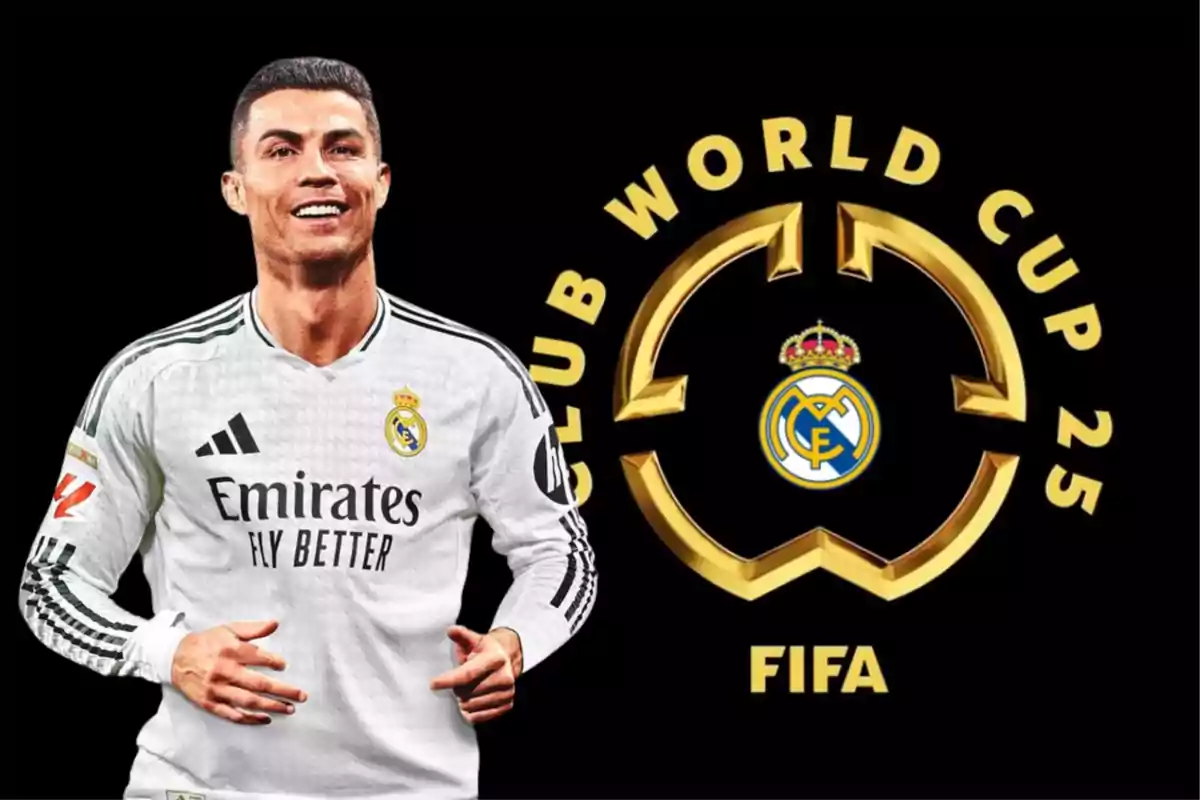
Quick Tips: IN Miami Micro-Insights for a Winning Strategy
-
International Diversification: The most successful clubs, like Real Madrid and Bayern, diversify talent and markets — similar to companies expanding globally.
-
Innovation & Adaptability: The evolution of the tournament, now with 32 teams, underscores the importance of continuous innovation to stay on top.
-
Brand & Leadership: Clubs with the most titles, such as Real Madrid, have built powerful brands that transcend sports, offering vital lessons in branding and leadership.
-
Resilience & Change Management: The champions of the Intercontinental Cup and FIFA World Cup show that resilience and adaptability are key to maintaining dominance in competitive markets.
-
Culture of Excellence: Their success stories reflect a high-performance culture — a mindset that can be applied to any business or social project.
The Football Story in Numbers: An In-Depth Analysis
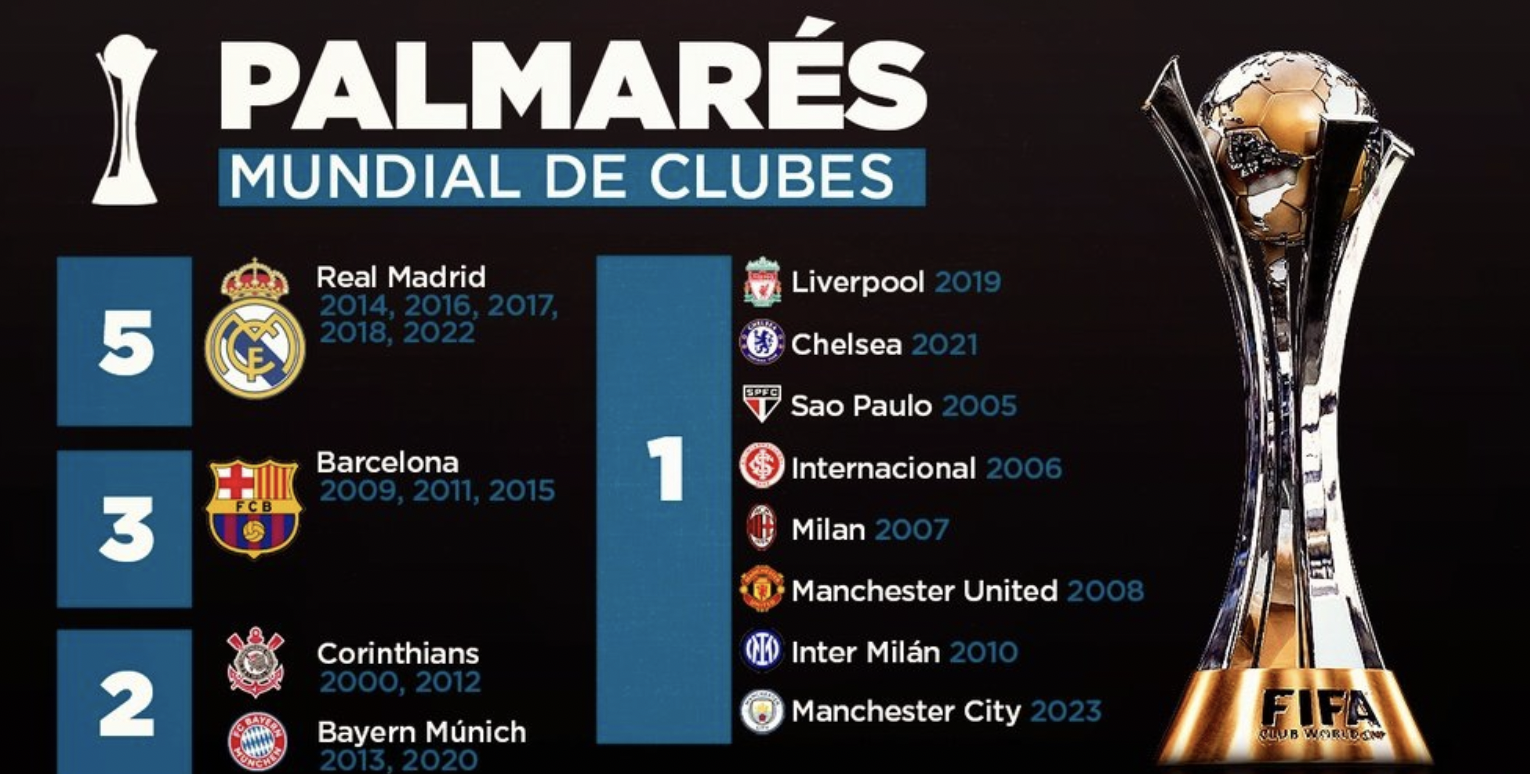
Since 2000, only 12 clubs have claimed the Club World Cup title, with Real Madrid dominating with five trophies, followed by Barcelona with three. South American clubs — especially Brazilians — have won 13 titles overall, reinforcing their leadership in the international arena.
Meanwhile, the Intercontinental Cup, held from 1960 to 2004, recognized 26 champions, mainly Italian, Argentine, and Uruguayan clubs. In 2017, FIFA officially recognized several South American clubs as “world champions,” further cementing their legacy in football history.
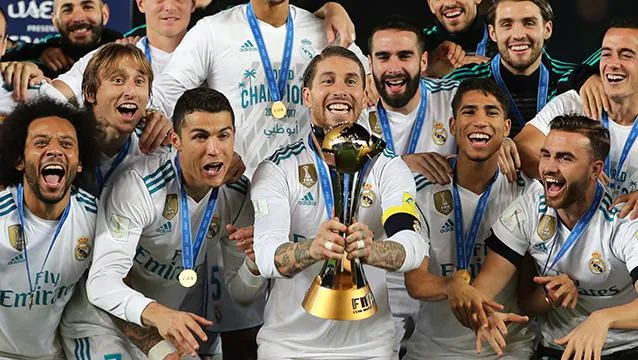

Follow us on Instagram: @infonegociosmiami / Siga-nos no Instagram: @infonegociosmiami


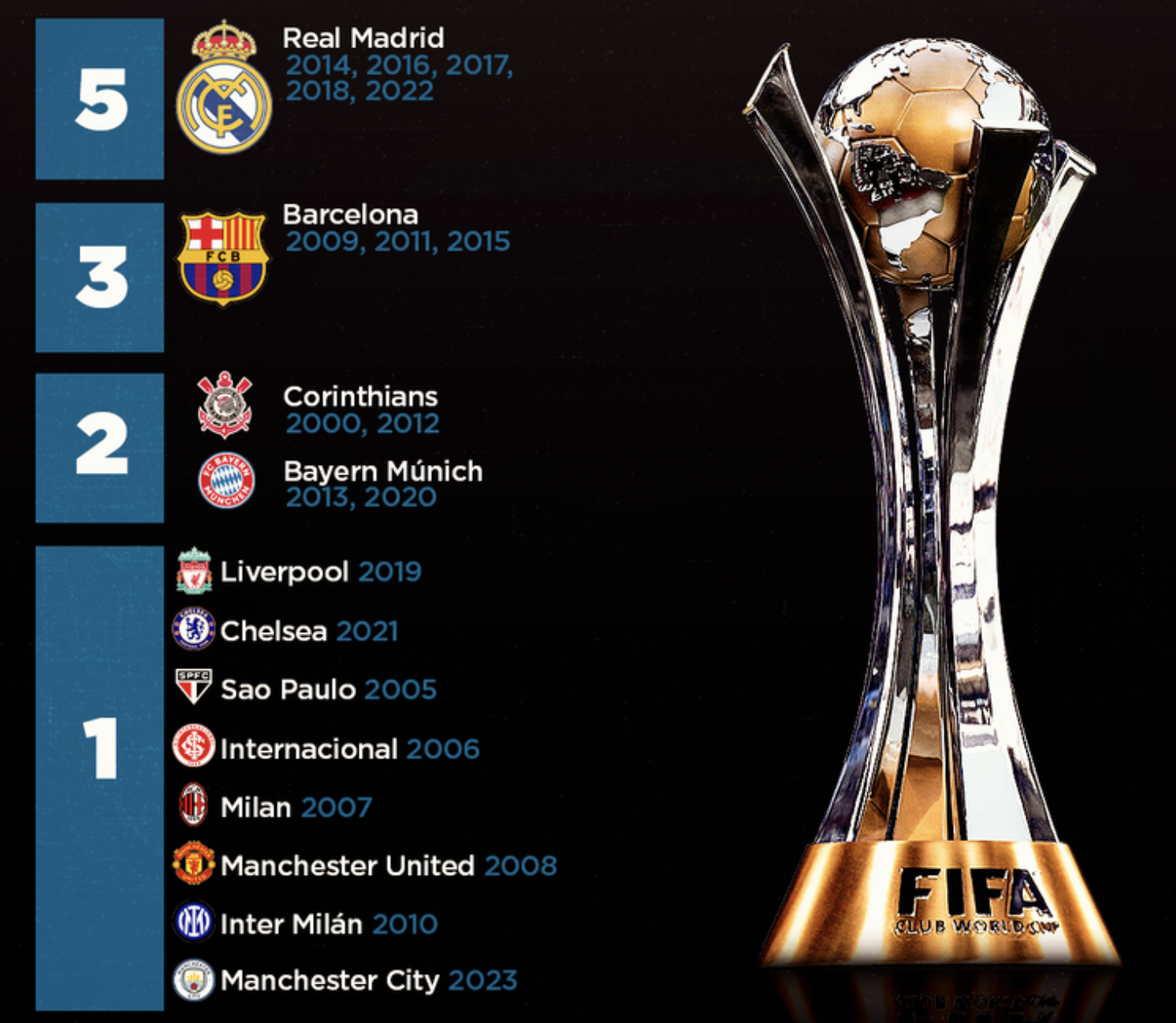
Key stats:
-
Real Madrid: 5 titles
-
Barcelona: 3 titles
-
Brazilian clubs: 8 champions (Corinthians, São Paulo, Internacional, Gremio, Flamengo, Santos)
-
European clubs: 9 champions, including Bayern, Milan, Manchester United, and Chelsea
These numbers highlight that adaptability, innovation in sports management, investment, and a culture of success are essential for staying at the top.
Success Case: Real Madrid — The Giant With Five Titles
Real Madrid is undoubtedly the club with the most Club World Cup trophies. Their winning formula combines talent investment, marketing innovation, and a culture of excellence. The team has shown resilience after every setback, demonstrating leadership and strategic reinvention — qualities every organization should emulate.
Example: Their focus on developing young talent and brand management has turned Madrid into one of the world’s most valuable sports brands — estimated at over $3 billion (Forbes, 2023).
What Business Leaders Can Learn From the World’s Top Football Clubs
The stories of the Club World Cup and Intercontinental champions reveal that innovation, resilience, leadership, and a culture of excellence are fundamental ingredients for sustained success. These clubs haven’t just dominated on the field — they’ve built global brands, managing change and challenges with strategic vision.
In a world where business and sports compete for attention and leadership, studying these examples can inspire entrepreneurs and executives to craft winning strategies, adapt to trends, and strengthen their position in global markets.
Club World Cup Winners (2000–2023): List of Champions
-
2000: Corinthians (Brazil)
-
2005: São Paulo (Brazil)
-
2006: Internacional de Porto Alegre (Brazil)
-
2007: AC Milan (Italy)
-
2008: Manchester United (England)
-
2009: Barcelona (Spain)
-
2010: Inter Milan (Italy)
-
2011: Barcelona (Spain)
-
2012: Corinthians (Brazil)
-
2013: Bayern Munich (Germany)
-
2014: Real Madrid (Spain)
-
2015: Barcelona (Spain)
-
2016: Real Madrid (Spain)
-
2017: Real Madrid (Spain)
-
2018: Real Madrid (Spain)
-
2019: Liverpool (England)
-
2020: Bayern Munich (Germany)
-
2021: Chelsea (England)
-
2022: Real Madrid (Spain)
-
2023: Manchester City (England)
FAQs
Why is Real Madrid considered the most successful club in the Club World Cup?
Because they’ve won five titles, adapted to tournament changes, and invested in talent and brand, maintaining global leadership.
What lessons can businesses learn from these champion clubs?
The importance of innovation, resilience, brand management, and adaptability to market shifts.
What was the historical impact of the Intercontinental Cup on world football?
It laid the groundwork for the Club World Cup, elevating international competition levels and recognizing South American and European clubs as true global champions.
What does the evolution of the tournament tell us about sports and business globalization?
That integration, diversification, and innovation are key to staying competitive in a constantly changing global market.
Suscribete:
-
Subscribe for free to receive the most strategic, agile, and valuable insights at: https://infonegocios.miami/suscribite-al-newsletter
Infonegocios NETWORK: 4.5 million Anglo-Latinos united by a passion for business.
Contact Infonegocios MIAMI:
marcelo.maurizio@gmail.com
Read Smart, Be Smarter!









Tu opinión enriquece este artículo: