Brazil and its country brand present a renewed return to its 2005 design

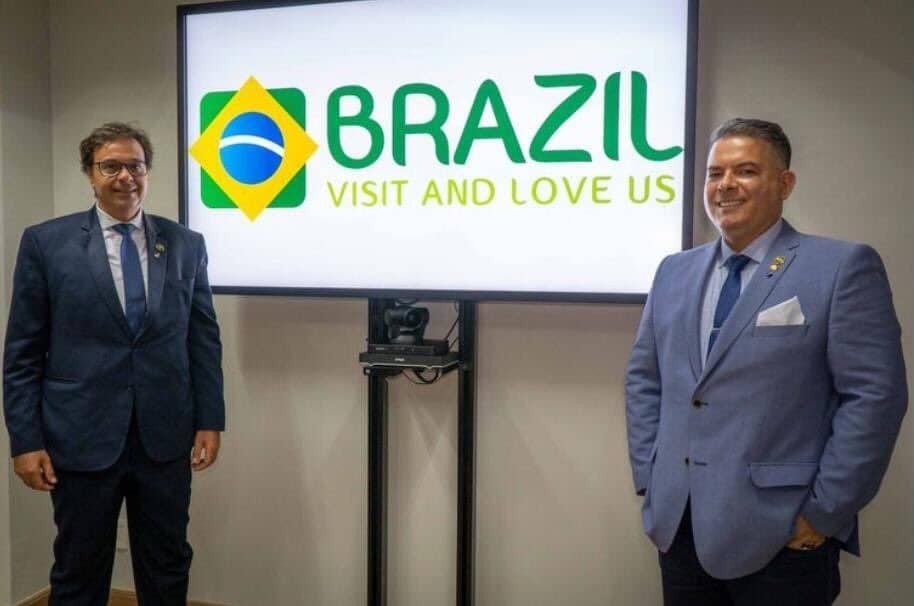
(By Juan Maqueda and Marcelo Maurizio) The country brand is fundamental and strategic for nations, requiring solidity and coherence over time and a lot of marketing dynamics. For many years, Peru's success was a clear example, but now it is looking for repositioning. It was also a distinctive hallmark of Colombia, and NW recently underwent an identity change. On February 20, 2023, Brazil presented its Brazil brand, returning to its iconic 2005 design after being reviewed and adapted to new times. The brand relaunch includes a repositioning campaign and a declaration of intentions in the changing political cycle.

The objective of this renewal is to showcase Brazil as a pluralistic, multicultural country with a diversity of forms, ecosystems, rhythms, and colors. It is a country with a clear international outlook that wants to reaffirm its commitment to sustainability. In this sense, the return of Lula Da Silva as the President of Brazil has been crucial in the brand's evolution, allowing a departure from the identity nationalism that marked the last four years under the mandate of Jair Bolsonaro.
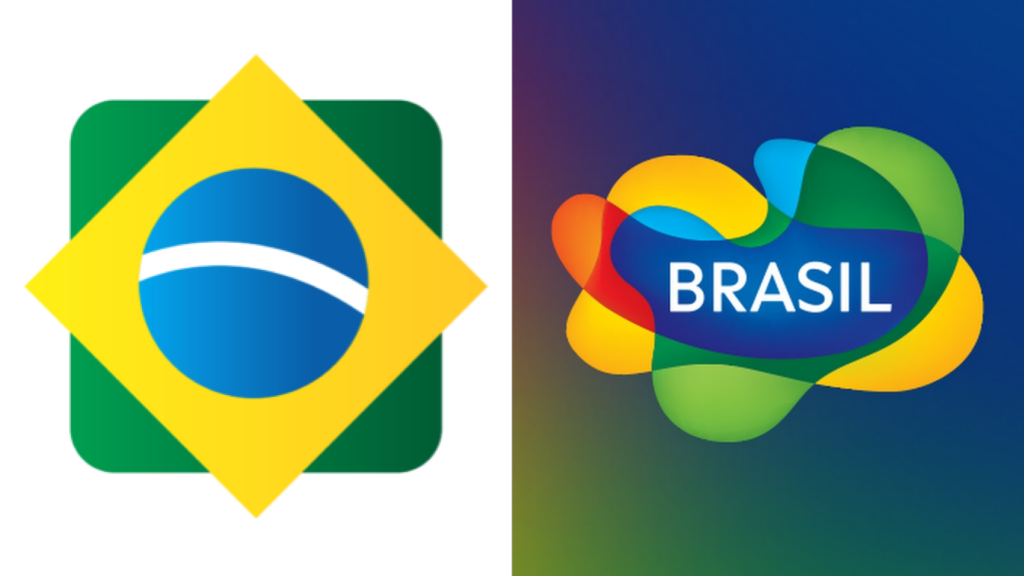
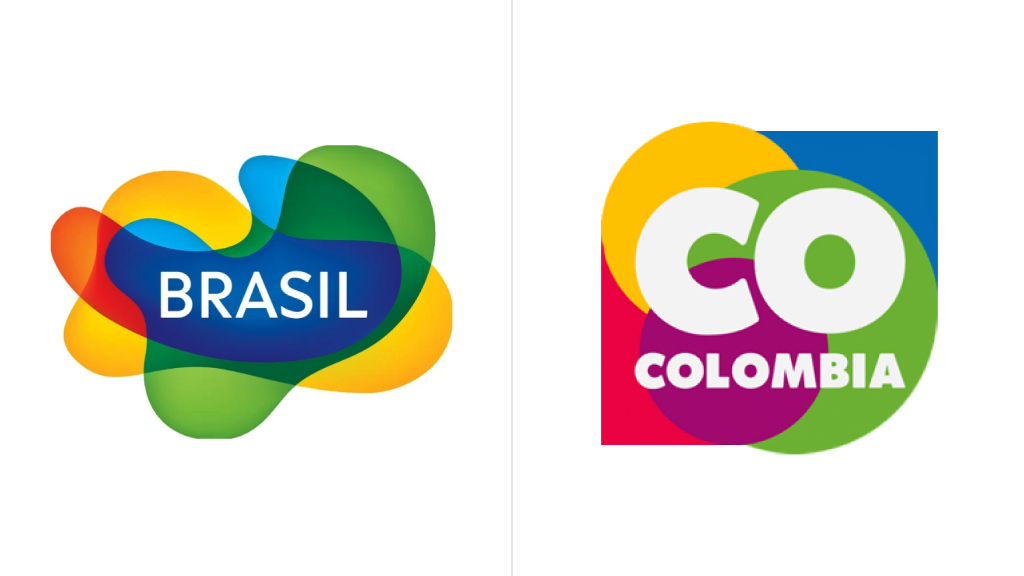
Beyond personal preferences, the current (new-old) logo has reminiscences of Colombia and is much more diverse, broad, and responds to Lula's guidelines, being less "Brazil for export." The country brand is a powerful tool that must have total coherence and a great crossing in all aspects of a country's life, as a summary of its culture and strategy for presenting itself to the world. A brand needs to feed on constant congruent actions.
In terms of branding, Da Silva's return as President has significant meaning because it implies a strategic change in the country's positioning in the world. Under the new mandate, the tourism and export departments merge, and the Brazil Brand returns as a country brand representing the country in the trade of products, services, and tourism. The brand will once again be used on Brazilian industrial products for export, in partnership with APEX Brasil.
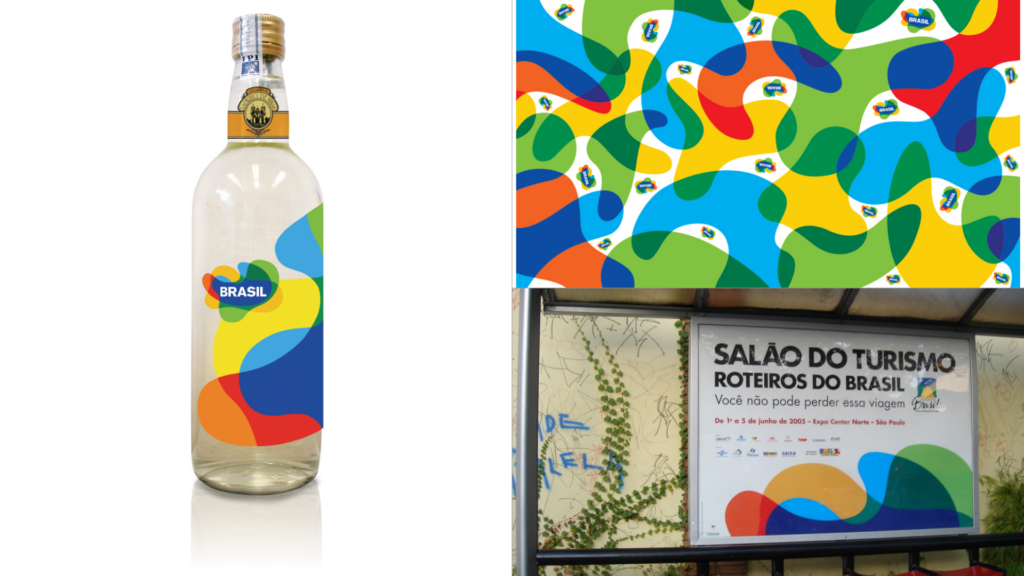
In the tourism sector, the brand will be resumed in sector publications and all tourism-related businesses, such as airlines, tour operators and travel agencies, hotels, and inns, in addition to various events in Brazil and around the world.

Regarding the logo and name, Brazil is spelled with "S" in Portuguese and not with "Z" in English. The Brazil brand's logo is one of the longest-lasting in the Latin American region, originally designed in 2005 and revised in 2013. It has set a trend in other country brand logos in the region, such as Colombia.
The Brazil brand logo consists of a sum of color layers to identify the essence, culture, and Brazilian lifestyle. The undulation offers that sense of movement typical of Brazilians. Brazil is a country that conveys color, joy, movement, modernity, and diversity. These elements are united in both people and biodiversity and the richness of its natural environment.


The Brazil Brand emerged from the Aquarela Plan presented in 2004 and developed by the Ministry of Tourism. An ambitious plan that was born from extensive research with interviews with over six thousand people in 18 countries. The study's result highlighted five values for the Brazil brand's positioning: Nature, Modernity, Diversity, Identity, and Energy.
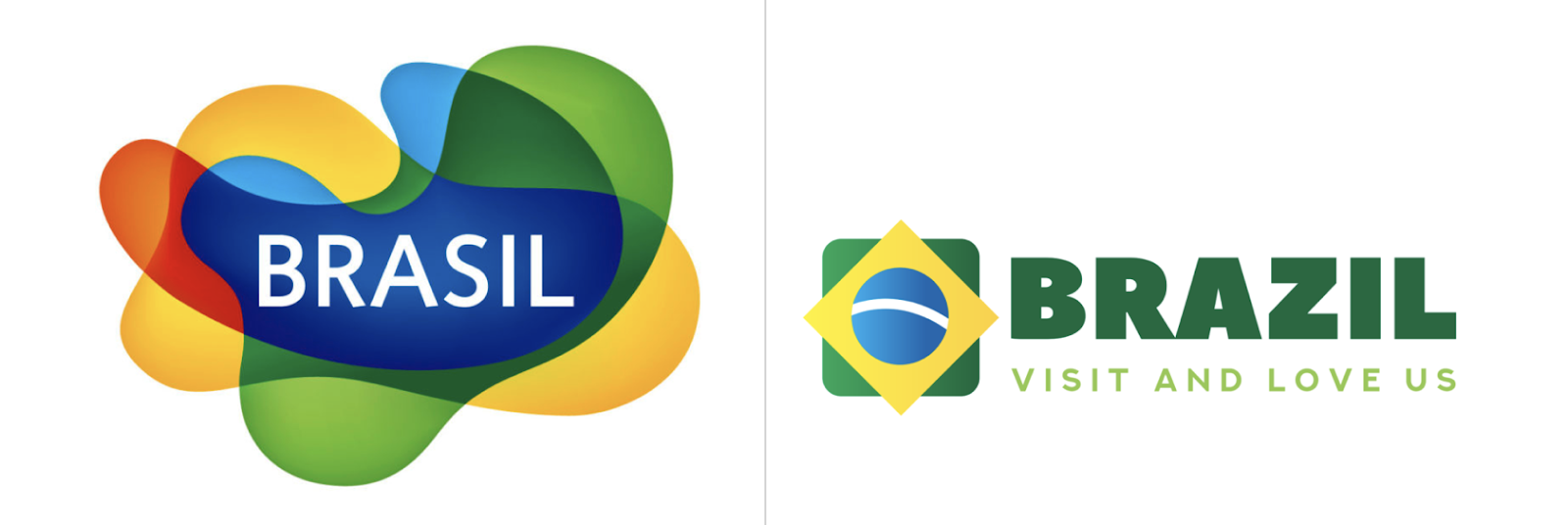
Currently, the Brazil brand is a recognized symbol internationally. It represents a vibrant country that combines natural beauty and modernity in a perfect fusion. The brand's new design aims to showcase Brazil's cultural, social, and natural wealth, highlighting its multiculturalism and commitment to sustainability.

Tu opinión enriquece este artículo:

El trofeo invisible pero invaluable que ganó Norris (lo que nadie te cuenta sobre ser campeón en la F1, hoy)

(Por Juan Maqueda en equipo con Mauricio, Martinez Bueno, Destefano y la comunidad Ristretter) Cuando Lando Norris levantó aquel trofeo de 5,5 kilogramos en Abu Dhabi, el mundo vio el clímax de una historia deportiva. Pero lo que realmente ocurrió ese día representa una lección magistral en branding personal, economía del entretenimiento y construcción de legado que Miami – epicentro del show business latinoamericano – debería estudiar con lupa microscópica.

(Tiempo de lectura de valor: 4 minutos)

Norris campeón mundial: ¿cómo queda el mapa global actualizado de pilotos y naciones que forjaron los 35 campeones de la F1?

(Por Juan Maqueda en equipo con Mauricio, Martinez Bueno, Destefano y la comunidad Ristretter) Detrás de cada campeón de Fórmula 1 hay dos banderas: la de su nacimiento y la de su equipo. Hoy, tras la consagración de Lando Norris, presentamos el análisis definitivo de las fuerzas geopolíticas y empresariales que dominan el deporte motor mundial.

(Tiempo de lectura de valor: 4 minutos)

Adidas despliega su arma secreta en Londres: el "Hybrid Hotel" (una muestra más de la era del ecosistema-crossing de expansión de categorías)

(Por Maurizio y Rodriguez Otero) Qué más necesitas ver para entender que todo lo que sabías de marketing y del “retorno” quedó absolutamente caduco. "Hybrid Hotel" No es un hotel. Es un manifiesto físico del regreso de la expansión de las experiencias y de categorías a niveles de universos de marca. 

(Tiempo de lectura de valor: 4 minutos)

Messi campeón con Inter Miami: “Estoy muy feliz" (la ciudad, todos los negocios, los medios, las marcas y anglolatina, también)

(Por Ortega desde el Chelsea Stadium, con Maqueda y Maurizio) Luego de la consagración de Inter Miami tras ganar 3-1 la final ante Vancouver Whitecaps en la MLS 2025, Lionel Messi habló con Apple TV y dejó una serie de declaraciones en las que repasó el camino del equipo, valoró el esfuerzo de la temporada y se emocionó al referirse al retiro de sus amigos Jordi Alba y Sergio Busquets.

(Tiempo de lectura de valor: 4 minutos)

La jugada maestra: cómo Louis Vuitton y Ana de Armas reescribieron las reglas del marketing deportivo global en Abu Dhabi

(Por Juan Maqueda en equipo con Maurizio, Martinez Bueno, Destefano y la comunidad Ristretter) No fue una casualidad. Fue un algoritmo de influencia ejecutado con precisión de cirugía nanométrica. Cuando Ana de Armas, con la elegancia de un felino y el magnetismo de una supernova, agitó la bandera a cuadros en el Gran Premio de Abu Dabi, no solo estaba marcando el final de una carrera.

(Tiempo de lectura de valor: 4 minutos)

¿El éxito total de la F1? ¿Qué nos enseña a todas las empresas y marcas hoy? (manual ágil aquí)

(Por M. Rodriguez Otero, Maqueda junto a M. Maurizio, Martinez Bueno, Destefano y la comunidad Ristretter) ¿Te preguntaste por qué algunas marcas están desarrollando mega acciones cruzadas de marketing y sólo ellas están logrando atrapar la mente y el corazón de sus consumidores? La respuesta está en algo que, en 2025, ya no es una opción: el crossing marketing, el head of cultura y las mega activaciones multisensoriales.

(Lectura ágil de alto valor estratégico: 4 minutos)