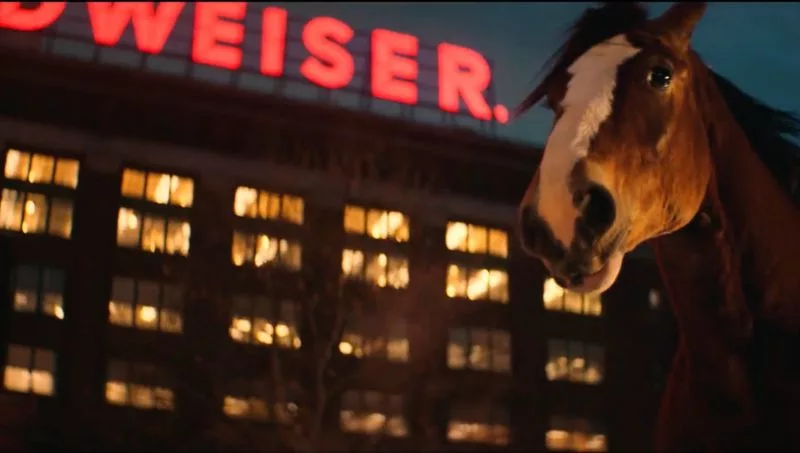
Although the campaign caused a 50% drop in sales when it first came out, and despite Bud Light's quick response with a new counter-campaign featuring traditional and typical American-style spots, the massive response from consumers, both in Florida and across the USA, was: "We don't believe you, it's too late."
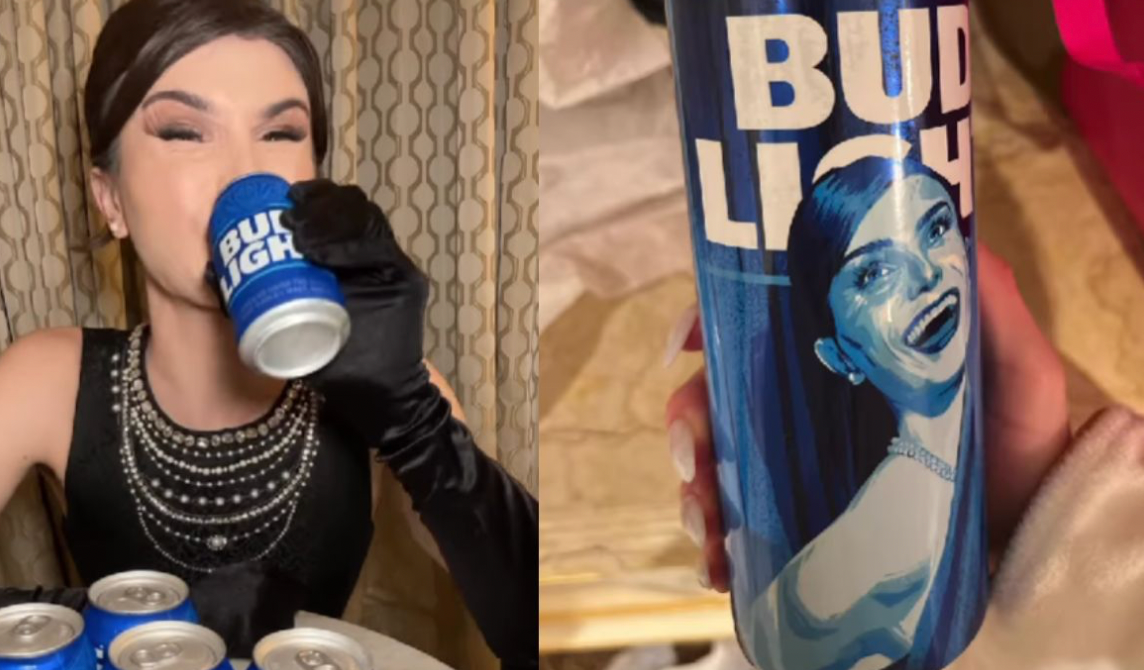
The brand intended to change its target audience and appeal to young partygoers, but the decision has been a complete disaster for the company and has sparked a furious reaction among its customers. While many companies are currently taking an ideological position, some market observers believe that insulting customers with "woke" messages in advertising promotions is not an effective strategy. Instead, companies risk facing negative campaigns, harassment, and protests if they take a stand against ideological pressure groups. Despite this, ideological independence is no longer an option that comes for free. Bud Light's advertising campaign has been considered by many to be a complete disaster for the company and has generated a boycott against the brand.
The advertising campaign sought to change Bud Light's target audience, which is typically consumed predominantly by young people looking for a quick drunkenness without great pretensions in terms of taste and with a low budget. However, the ad featuring Dylan Mulvaney, a transgender activist pretending to be a teenager, has been met with outrage by many consumers. The brand has been accused of insulting its users in its advertising promotions, and many customers have decided to boycott the brand.
What happened?
Singer Kid Rock uploaded a video to social media in which he is seen shooting at stacked boxes of Bud Light with an MP5 before turning to the camera and saying "fuck Bud Light." The video has been viewed more than 51 million times on Twitter alone. This shows that the advertising campaign has had a negative effect on the brand and its reputation.
But what few are saying is that there were thousands of videos imitating KID ROCK. In addition, there were thousands and thousands of responses against the campaign, both with the influencer and with the new campaign (which we will show you next week), where the public thinks it's a mockery to change from one extreme to another.
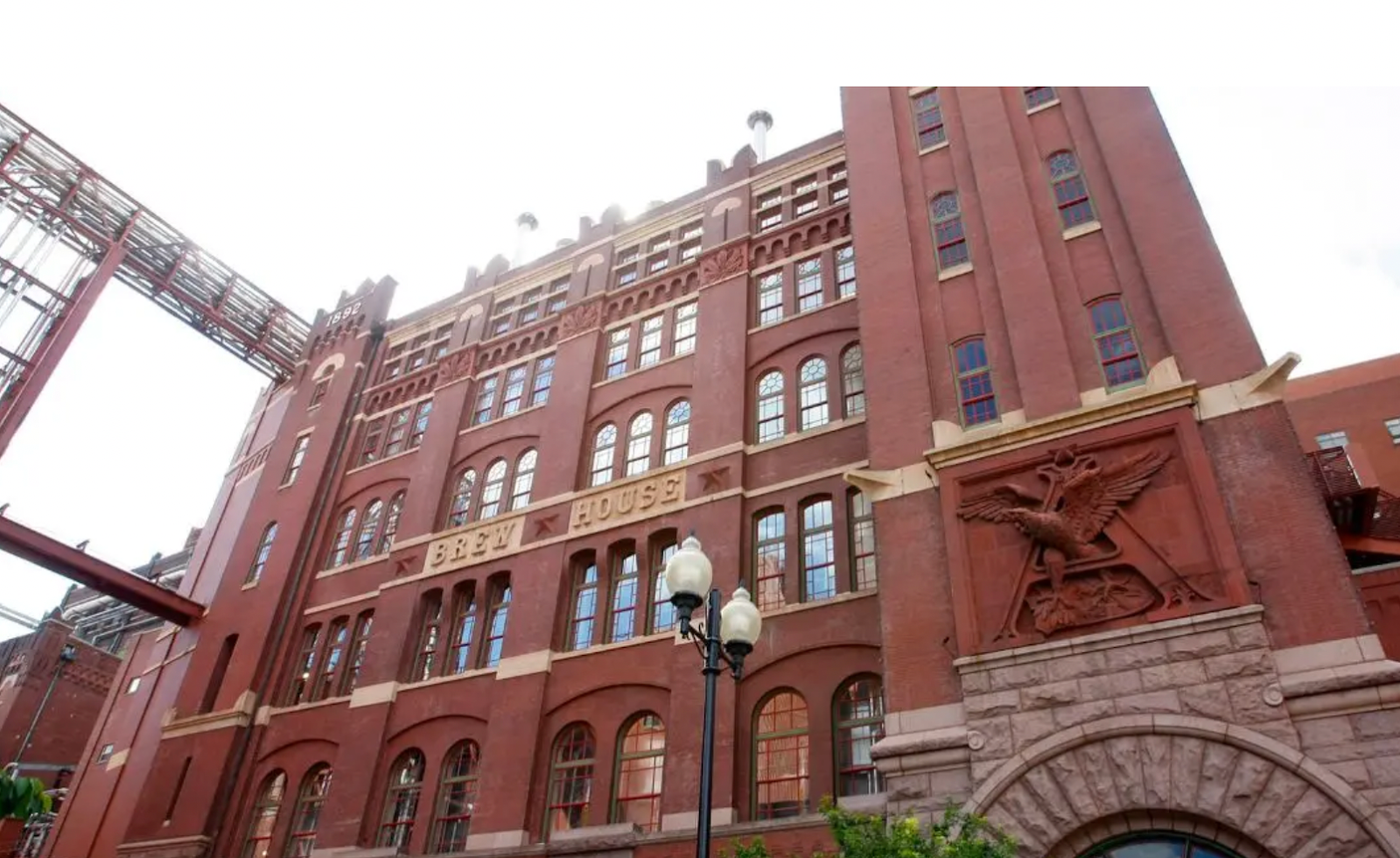
What is BUD saying now?
The brand's new vice president, Alissa Heinerscheid, has publicly commented on the decision to include Mulvaney in the latest advertising campaign, attacking the brand's reputation and core customers for being "frat boys" and allowing customers to drink while enjoying "offensive humor." These types of comments have only fueled the flame of outrage and increased the boycott of the brand.
It is important to note that many companies are currently being pressured by ideological pressure groups to take aggressive stances on progressive issues, in a strict application of "either you're with us or against us." However, this does not mean that brands should sacrifice their customer base and risk a drop in market capitalization.
The big lesson:
It is important for brands to be authentic and connect with their target audience in a positive and respectful way. Advertising campaigns must be carefully planned and executed to avoid costly mistakes like the one Bud Light made.
But above all, the big lesson is that the hyper-speed of certain actions is usually only a sign of the lack of solidity in solid







Tu opinión enriquece este artículo: