
The Origins of Sponsorship in the Beautiful Game
The history of sponsorship in football reveals not only the roots of a strategy now generating billions but also how a simple idea radically changed the way the sport connects with global marketing.
From a groundbreaking deal in Germany in the '70s to the rise of a multi-billion industry, discover how football sponsorship started to carve its place in history.
The First-Ever Sponsorship in World Football: A Paradigm Breaker
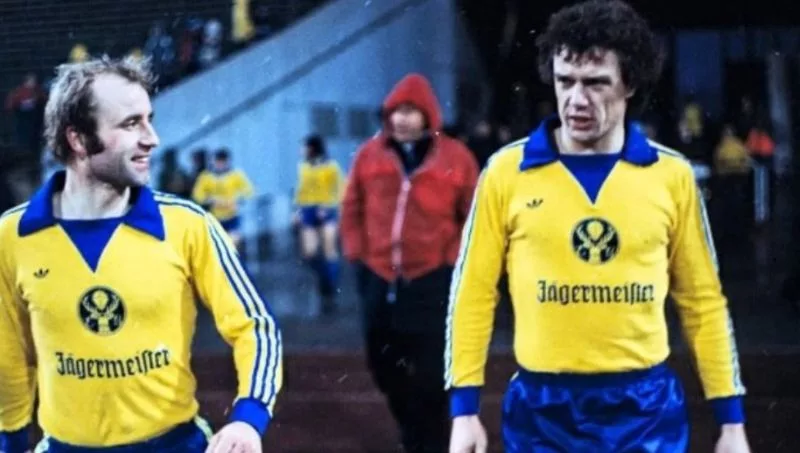
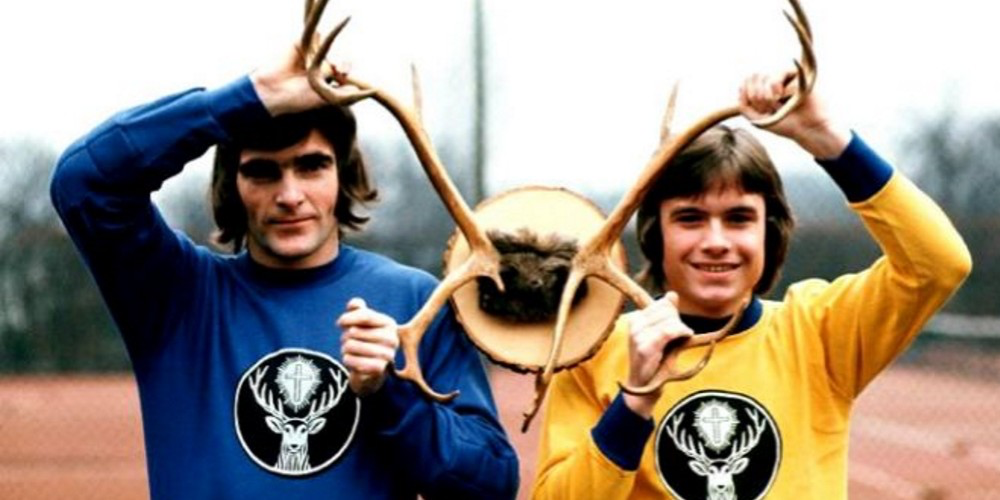
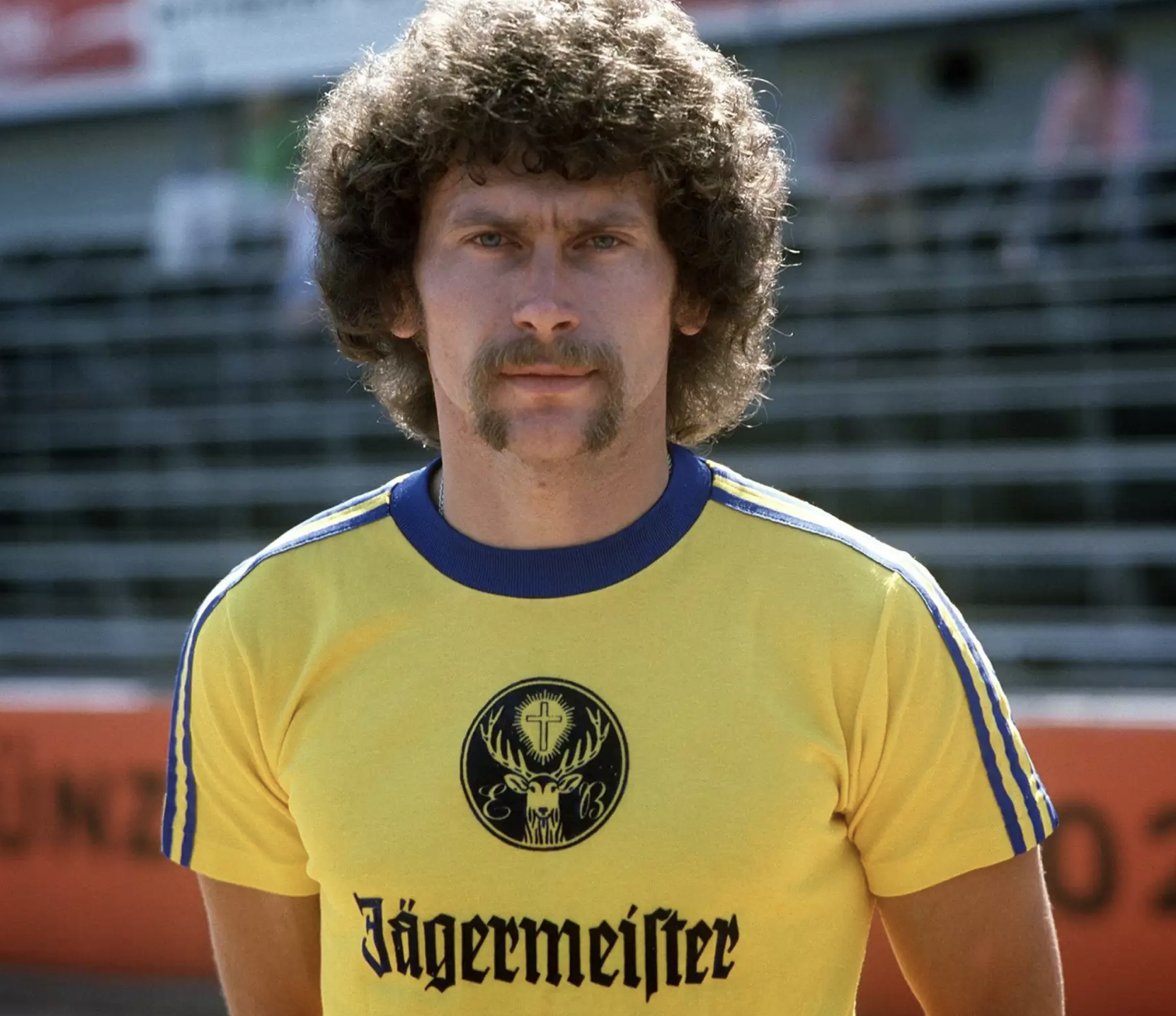
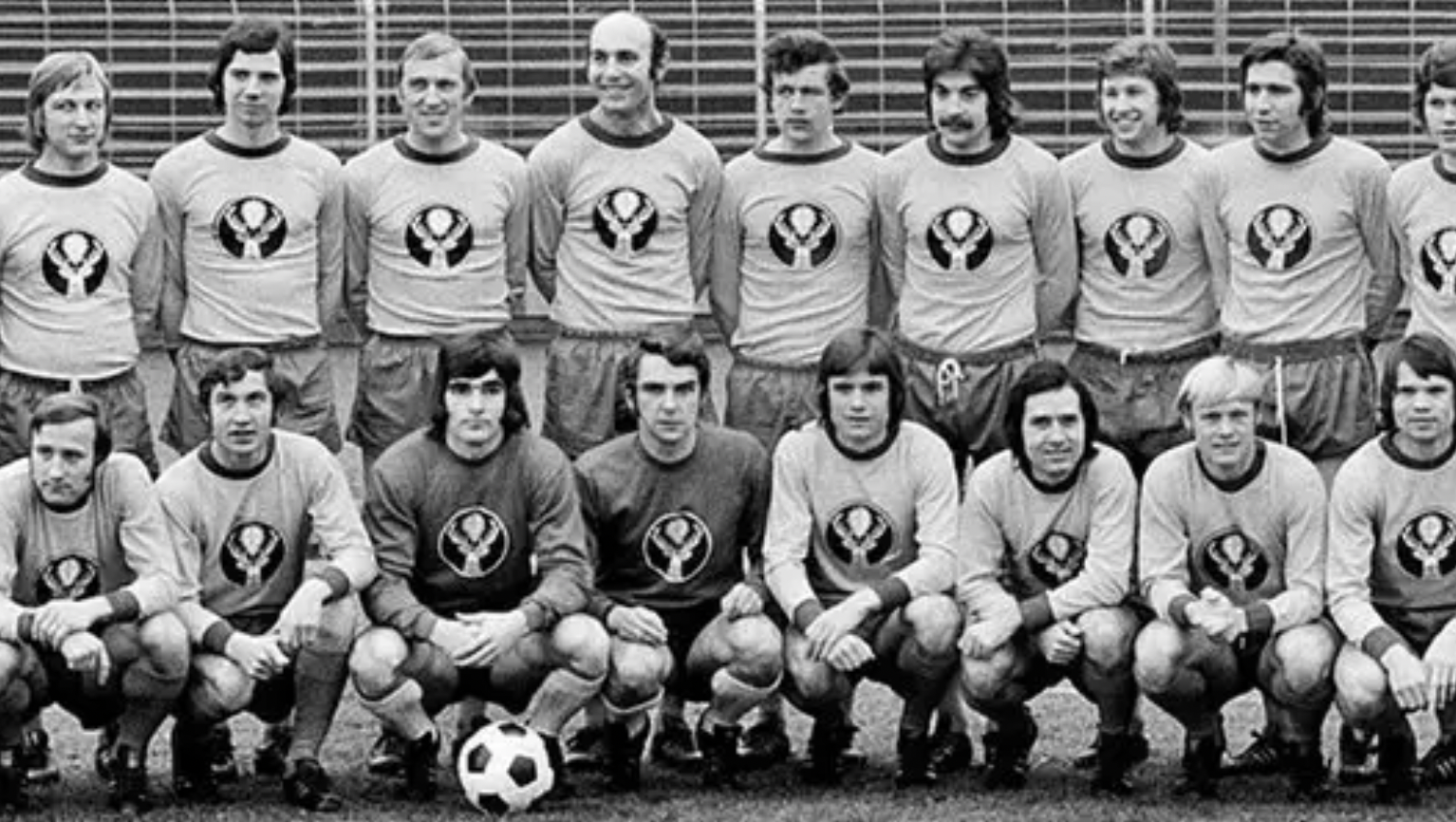
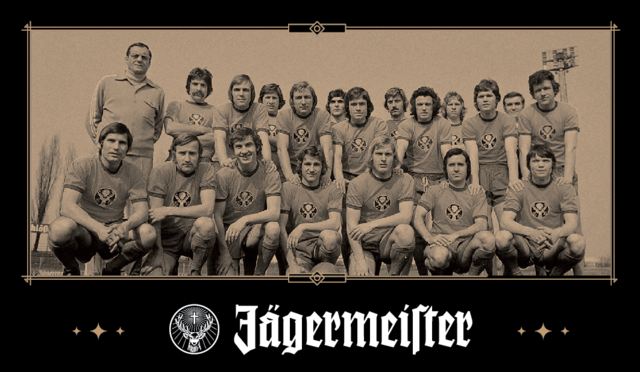
The very first sponsorship deal in football history took place in Germany, in 1973, and it forever transformed both the sport and marketing. It all began with Eintracht Braunschweig, a modest club from Lower Saxony. Facing financial struggles, the club looked for innovative ways to stay afloat and, in a bold move, signed a deal with Jägermeister, the famous German herbal liqueur. Back then, the deal was worth 100,000 German marks — a hefty sum for that era, and a true milestone in professional football history.
Why was this so important?
Because it was the first time a football team wore a commercial logo on their shirt — breaking traditional rules and sparking controversy. The German Football Federation initially opposed, but the club’s members saw it as a vital revenue opportunity, and the decision was made.
From Rejection to Widespread Acceptance: A Turning Point
That deal with Jägermeister was more than just an anomaly; it opened the floodgates for other German clubs to follow suit. In the 1973/74 season, teams like Hamburg, Frankfurt, Dusseldorf, and Duisburg also sported sponsors like Campari, Remington, and Allkauf on their shirts. The trend quickly caught fire, and by 1979, Liverpool FC in England signed a £100,000 deal with Hitachi for two years — marking the beginning of sponsorship in English football.
And then what?
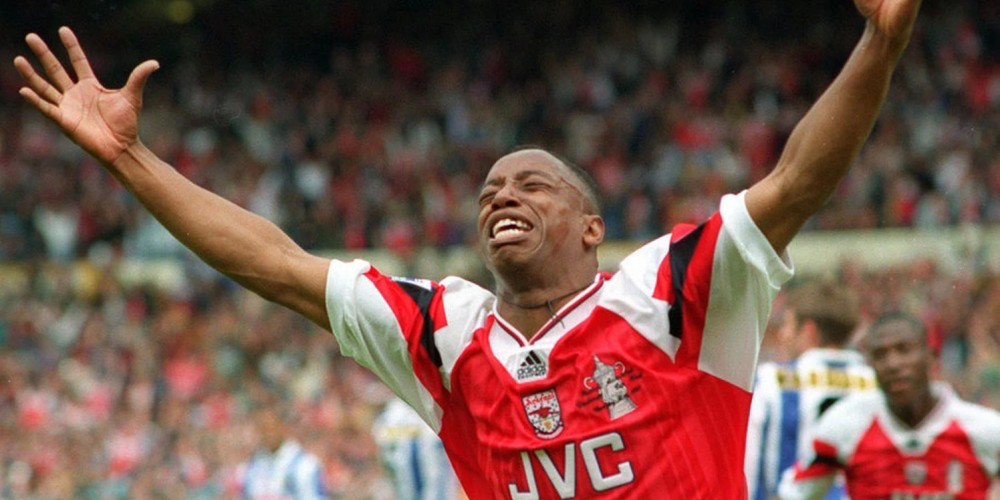
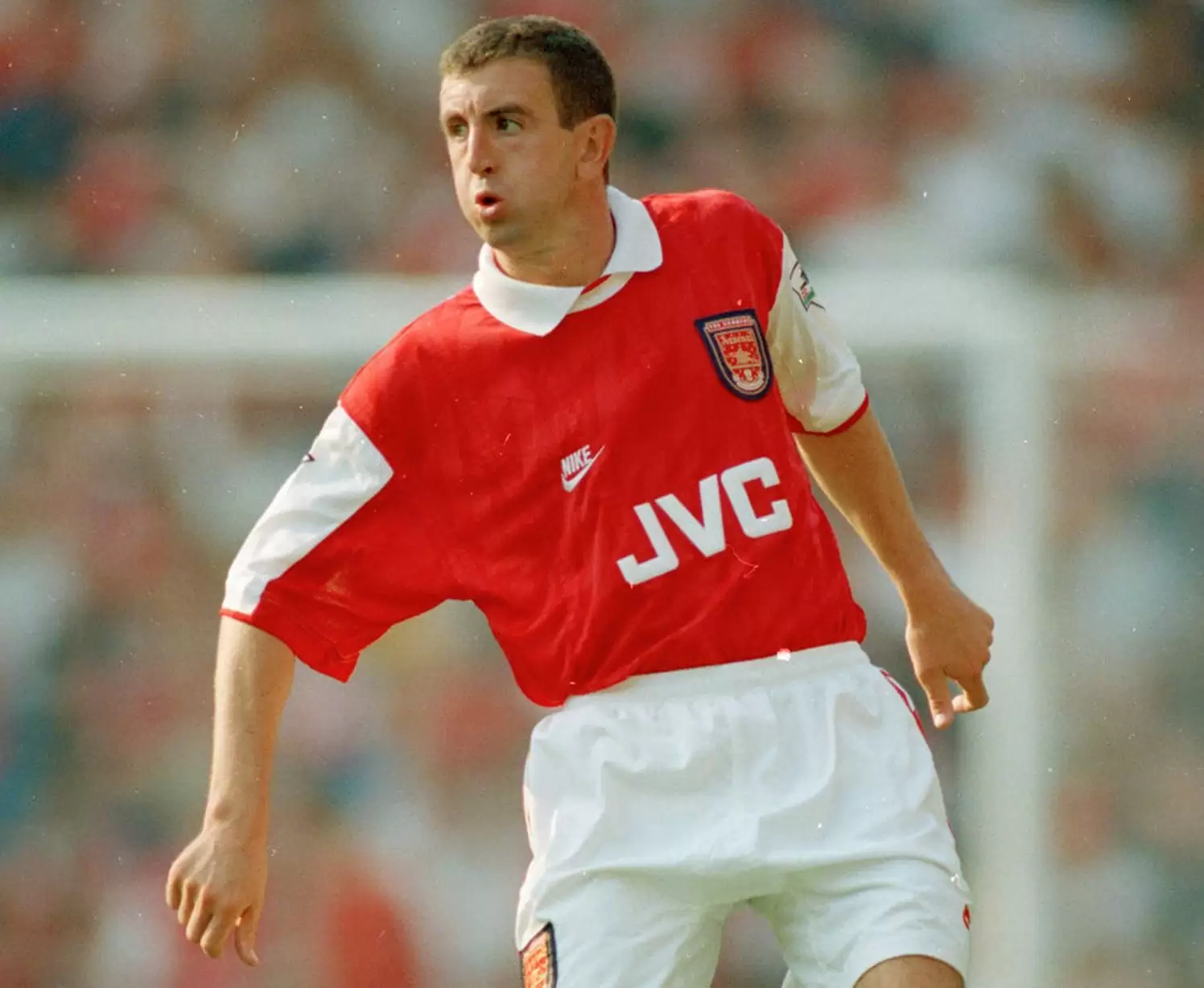
The strategy exploded worldwide. In 1981, Arsenal signed with JVC, multiplying their previous deal fivefold. The partnership between brands and clubs became a powerful industry, now generating over $50 billion annually and serving as one of the key pillars of professional sports.
From Humble Beginnings to Global Power: A Radical Shift
Until the ’70s, football jerseys were just plain sports uniforms — no logos, no branding. But in 1973, Eintracht Braunschweig changed the game forever, revolutionizing the sport’s business and public perception. Initially met with resistance due to its association with an alcoholic beverage, the Jägermeister sponsorship became a symbol of innovation — despite controversy.
Why was this a game-changer?
Because it laid the groundwork for sponsorship to become a standard part of global football. Clubs, leagues, and federations realized that brands could be essential partners for financial sustainability, forever altering the landscape.
Milestones That Shaped Football Marketing
-
1973: First official sponsorship in German football (Jägermeister with Eintracht Braunschweig).
-
1979: Liverpool signs with Hitachi, opening the European and international markets.
-
1980s: Expansion across the Bundesliga with brands like Campari, Remington, and Adidas.
-
2000s: Massive, multimillion-dollar contracts with international brands across Europe, America, and Asia.
-
Today: Sponsorship in jerseys, stadiums, and digital platforms is vital — with global figures reaching over $100 billion in 2023 (Deloitte). Projections for 2024-2025 estimate a 6% growth.
Why Sponsorship in Football Goes Beyond the Sport
The first-ever sponsorship wasn’t just a business move; it was a phenomenon that reshaped the relationship between sport and commerce. International exposure, fan loyalty, and sustainable revenue streams turned brands into major players and clubs into global empires.
What can we learn from this history?
That boldness and innovation open doors to extraordinary opportunities. The story of football sponsorship teaches us that with a strategic vision, any business can leverage sport to boost its brand, reach worldwide audiences, and build a lasting legacy.
The Legacy of Innovation and Growth
From the modest deal of Jägermeister in 1973 to today’s sponsorship giants, the connection between football and marketing has evolved into a story of innovation, controversy, and exponential growth. The first sponsorship was a disruptive idea that revolutionized a sector and created a global business. Are you ready to bring this vision into your own strategy? Football, as a mirror of innovation, invites you to take the leap and harness its power to elevate your brand internationally.
A Look at Latin America: Boca Juniors’ First Sponsorship in 1967
-
In Argentina, like in many countries, early attempts were made to put logos on team shirts.
-
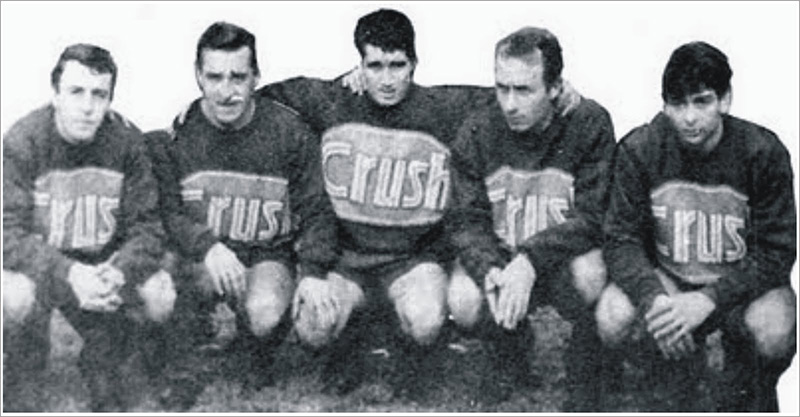
In early 1967, Boca Juniors considered its first advertising move: a contract with Crush soda, which included exclusive rights at Boca’s Ciudad Deportiva stadium. Although the deal was never fully realized, Boca’s team once wore a navy blue tracksuit with a large “Crush” logo on the chest and back — used only for team entrance and lineup photos. During matches, players wore traditional kits without logos.
FAQs
Why was the first sponsorship in football so controversial?
Because in the 1970s, placing commercial logos on sports jerseys faced rejection from federations, fans, and media, who saw it as a loss of sport’s purity. But history proved it was an effective, necessary strategy.
What impact has sponsorship had on football’s economy?
It has enabled clubs and leagues to generate billions, professionalize operations, and expand globally. Today, sponsorship accounts for over 60% of elite clubs’ revenue.
What does the future hold for football sponsorship?
Emerging tech like augmented reality, digital sponsorships, and immersive experiences will continue transforming the industry, creating new opportunities for brands and clubs in an ever-expanding market.
We know you’re eager to learn more. Stay tuned — another deep dive coming tomorrow!
Want to stay ahead of trends in sports, business, and marketing? Subscribe to Infonegocios Miami and keep your edge sharp.

Suscribete:
-
Subscribe for free to receive the most strategic, agile, and valuable insights at: https://infonegocios.miami/suscribite-al-newsletter
Infonegocios NETWORK: 4.5 million Anglo-Latinos united by a passion for business.
Contact Infonegocios MIAMI:
marcelo.maurizio@gmail.com
Read Smart, Be Smarter!

-
Uruguay: https://infonegocios.biz
-
Argentina: https://infonegocios.info
-
Paraguay: https://infonegocios.com.py
-
Madrid: https://infonegocios.madrid
-
Barcelona: https://infonegocios.barcelona





Tu opinión enriquece este artículo: