
-
MICRO NOTE IN MIAMI: Key Takeaways & Insider Tips
The essentials in 90 seconds:
This isn’t just about Huawei—it’s a seismic shift in digital sovereignty, where control over tech infrastructure is the ultimate currency. Can HarmonyOS really dethrone Microsoft and Apple’s duopoly? What does this mean for Miami’s tech hubs and Latin America’s rising markets?
Fast Facts:
-
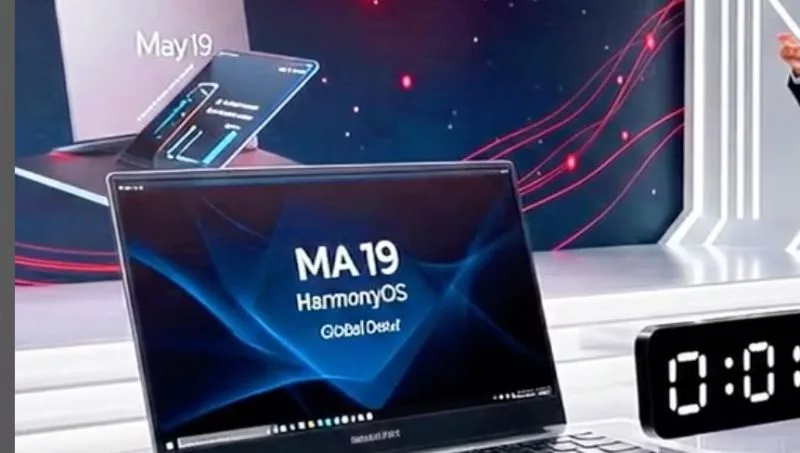
Huawei’s HarmonyOS-powered laptop drops May 19—no Android or Windows code in sight.
-
Five years in the making: China’s first mass-market OS, born from U.S. sanctions and a hunger for tech independence.
-
Already dominates smartphones, tablets, TVs, wearables, and cars—now targeting the final frontier: your desktop.
-
Features military-grade hardware security, end-to-end encryption, and seamless cross-device integration.
-
A direct shot at Windows and macOS, rewriting the rules of the global tech cold war.

Watch T50’s breakdown here:
https://www.youtube.com/watch?v=7pOmNRujZd0
B) EXPANDED ANALYSIS IN MIAMI: The Tech Earthquake Explained
HarmonyOS: From Sanction Survival to Digital Sovereignty
Huawei started coding HarmonyOS (aka HongmengOS) in 2019 after U.S. sanctions cut off access to Android and Windows. What began as a workaround is now a full-blown manifesto for tech independence.
By the Numbers:
-
Open-source OS—scales from smartphones to PCs, cars, and IoT devices.
-
1,000+ external devices already integrated, with 150+ native PC apps and 300+ ecosystem-compatible tools.
-
Built-in encryption chips and airtight data security—perfect for Miami’s booming fintech and enterprise sectors.

Why Windows and macOS Should Sweat
For the first time in decades, Microsoft and Apple face a rival with state-backed scale and a borderless ecosystem. Huawei already rules smartphone sales in China and Asia—now it’s coming for your desk.
Key Angles:
-
Vertical Integration, Apple-Style: Huawei controls the chips, OS, and hardware—but with multiplatform ambitions.
-
Digital Sovereignty Play: China’s bid to bulletproof its tech stack against sanctions and Silicon Valley’s whims.
-
Local First, Global Next: Launching in China, but global expansion is inevitable if adoption spikes.

The Hurdle: Winning Over the West
Analysts agree: App ecosystems and user habits are Huawei’s Everest. But the company bets big on its mobile success and hyper-integrated UX. Imagine toggling files, screens, and calls between your Huawei PC, phone, and tablet—all with one keyboard. That’s the dream.
Need-to-Know Stats:
-
9.7%: Huawei’s 2023 laptop market share in China (Canalys).
-
700M+ devices already run HarmonyOS.

Bigger Picture: Forced Innovation & the New Digital Order
Huawei’s move isn’t just corporate—it’s China’s national tech doctrine. HarmonyOS is the poster child for a world where Silicon Valley’s dominance isn’t a given.
Miami-LatAm Strategic Outlook:
-
Market Reboot: Supply chains, regulations, and partnerships will pivot as tech goes multipolar.
-
Interoperability Wins: Companies blending Western and Eastern ecosystems will thrive.
IS THE FUTURE NO LONGER WESTERN?
HarmonyOS on PCs marks the start of a tech world order where Western giants aren’t untouchable. For Miami’s innovators and Latin America’s disruptors, the takeaway is clear: diversify, adapt, or get left behind.
ACTIONABLE TIPS FOR MIAMI’S TECH ELITE
-
China Isn’t Optional: Reshape your supply chain and digital strategy for a Sino-centric tech wave.
-
HarmonyOS ≠ Hype: Study its ecosystem—integration could birth Miami’s next unicorn.
-
Regulatory Radar: Expect tighter data laws as digital sovereignty trends go global.
-
Multipolar Mindset: Ditch "Silicon Valley or bust"—build for a fragmented, hybrid future.
-
Interoperability = ROI: Tools that bridge OS divides will dominate Miami’s cross-border markets.
C) FAQs: WHAT YOU NEED TO KNOW
Q: What’s HarmonyOS, and why should Miami care?
A: China’s first mass-market OS, built to erase reliance on Western tech. For Miami’s global businesses, it’s a new competitor—and a new partner.
Q: How does it beat Windows/macOS?
A: Hyper-integration across devices, ironclad security, and state-backed R&D. Think Apple’s ecosystem, but with geopolitical muscle.
Q: Will it hit LatAm and Miami?
A: China first, but Huawei moves fast. If it works there, español and English versions will follow.
Q: What’s the real impact?
A: A fragmented tech landscape—new rules, new risks, and new alliances.
Q: Can Huawei actually beat Microsoft/Apple?
A: Short term: app gaps are a problem. Long term? Never bet against a trillion-dollar state agenda.
Subscribe for free to receive all strategic information and be part of the largest business and culture community across the Anglophone-Latino world!:
Contact Infonegocios MIAMI:
Read Smart, Be Smarter!












Tu opinión enriquece este artículo: