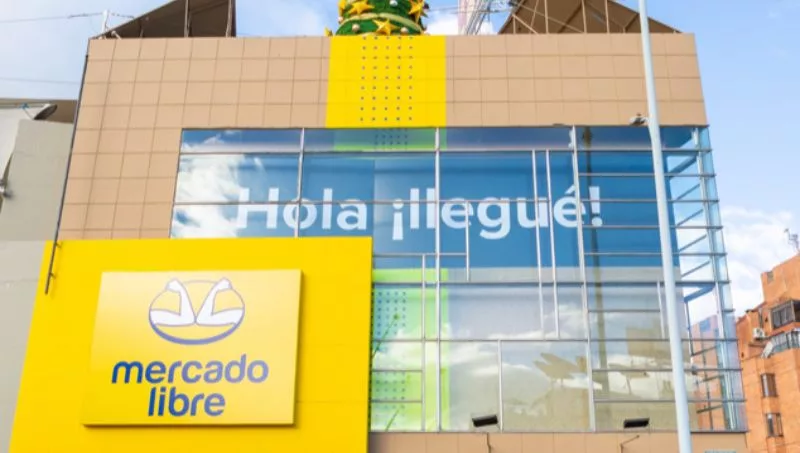
Mercado Libre: a great example of Anglo-Latino success. What is Digital Physics?

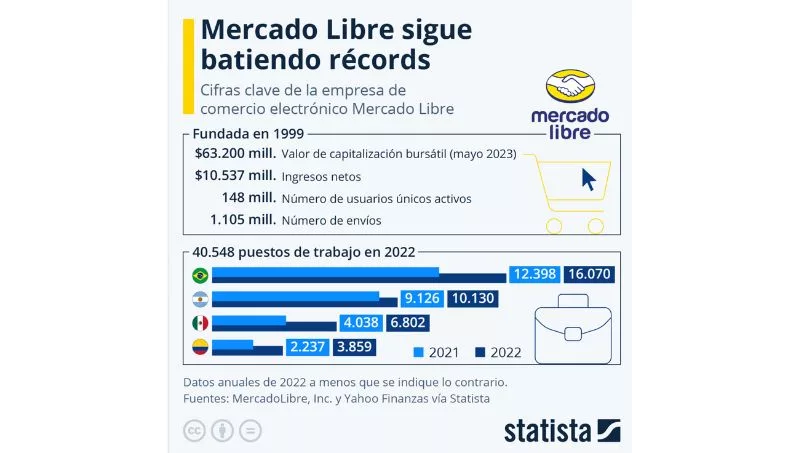
(By Juan Maqueda and Marcelo Maurizio, from Miami) What is Digital Physics or the crossing or the on-off convergence? The success of Mercado Libre in Latin American e-commerce and its penetration into the "Anglo-Latino" world has become a legendary story. At a time when many companies are struggling to survive, the platform has experienced unprecedented growth, surpassing revenue and earnings expectations in 2022 and so far in 2023. The company, founded in Argentina in 1999 by entrepreneur Marcos Galperin, has evolved to become one of the giants of e-commerce in Latin America and one of the region's most valuable companies.

In 2022, Mercado Libre recorded a net income of nearly $10.537 billion, representing a 68.7% increase compared to the previous year. Additionally, the platform has an impressive user base, with 148 million users who made online purchases through the platform in 2022. This success is due in part to the company's expansion strategy throughout Latin America.

What is Digital Physics also described as Fisicalidigitalidad?

This word that is starting to sound more and more, speaks of the great online companies that have their outstanding success when they become humanized and become physical, real, tangible, and corporeal.

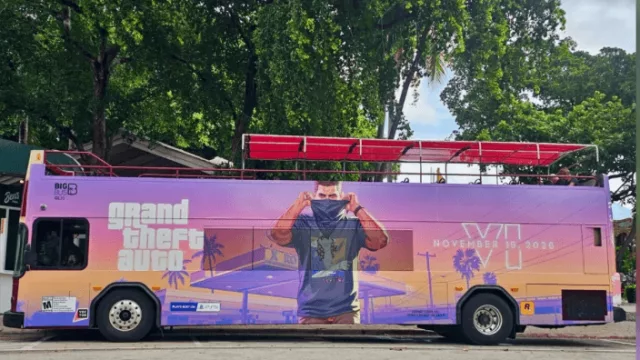
One of the great paradoxes is that digital companies increasingly begin to carry out physical experiences to retain customers, both B2B and end consumers, investing in OOH, setting up stands, improving their delivery packages, deliveries, etc.

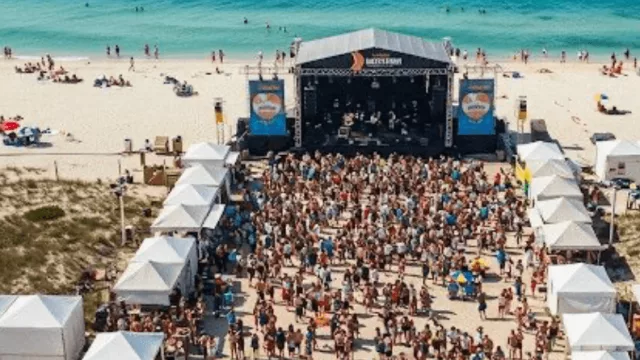
This is the case of Mercado Libre, a company that, like many digital companies today, has a logic of human coherence and is present in offline media, events, fairs, sports, and culture. In other words, they are "tangible, have people who attend." They invest heavily in being a "real," empathetic, present company for real people and physical experiences. A great paradox is that while Meta, Google, and other eminently digital companies claim that everything should be communicated and done digitally to be efficient, precisely the digital category is one of the ones that invests the most in TV, product placement in videos, series, films, Out of Home and now also in events, sponsoring, to be experienced and experienced as real by consumers.

In addition to its online presence, Mercado Libre has taken innovative measures to promote its brand offline. The company has implemented a strategy of Digital Physics, a combination of physical and digital elements that have allowed the company to create a consistent brand experience throughout the continent. The company has its own stands, posters, depots, planes, and trucks that have helped create a recognized brand throughout the region.

In addition to its success in e-commerce, Mercado Libre has made a great impact in the region through its innovative advertising campaigns. The company has used offline out-of-home advertising (OOH) and sponsored events throughout the continent. The strategy has been so effective that the company has been recognized for its creative advertising and has received several awards for its advertising campaigns.

However, Mercado Libre's success has not been without challenges. In 2022, Galperin, the company's founder, announced that he would move to Uruguay due to political and economic concerns in Argentina. Additionally, the company has faced regulatory challenges in several Latin American countries, including Brazil and Mexico. The company has worked hard to overcome these obstacles and has managed to maintain its position as a leader in e-commerce in the region.

In summary: Mercado Libre has experienced phenomenal growth in e-commerce in Latin America, thanks to its innovative strategy, aggressive expansion, and effective offline advertising campaigns. Its Physical Digitality strategy has allowed the company to create a consistent brand experience throughout the region, and its expansion across Latin America has helped to increase its user base and revenues. Although it faces regulatory and political challenges, the company has managed to maintain its position as a leader in e-commerce in Latin America and remains a success story in the region.
Tu opinión enriquece este artículo:

El Head de Cultura, el rol absolutamente clave hoy en las empresas tops de USA (que aún en Latinoamérica no se ha implementado)

(Por Juan Maqueda, Marcelo Maurizio y Estely Rotmistrovsky, desde Miami) En la actualidad, el Head de Cultura (también conocido como Chief Culture Officer o Director de Cultura o el Co-Ceo) es un puesto cada vez más relevante en las empresas, tanto en línea como fuera de línea. En esta nota te contamos sobre casos concretos de éxito de este rol en USA, Europa y América Latina.

(Tiempo de lectura estratégica y de alto valor: 4 minutos)

Ole Miss creó el relato perfecto del “Fast Friday” al Fiesta Bowl (por qué Miami es el último capítulo de una revolución)

(Por Ortega) El field goal de 47 yardas de Lucas Carneiro que venció a Georgia no fue un golpe de suerte. Fue la culminación de un proceso diseñado para prosperar en el caos, la validación de una hipótesis arriesgada: que un equipo puede perder a su entrenador estrella un mes antes del playoff, mantener a un staff dividido entre dos programas, y aún así ejecutar bajo presión extrema.

(Tiempo de lectura: 4 minutos para ilusionarse)

Empieza este 2026 haciendo lo que ya los Gurús de las top brands hacen

(Por Otero-Maurizio) "El marketing del futuro no se vende; se vive. Y las marcas que creen espacios para vivir, ganarán." Las tendencias 2026 no son meras predicciones, sino síntomas de una transformación profunda en la psicología del consumidor, la economía de la atención y la arquitectura de valor de las marcas. 

(Contenido de alto valor: 3 minutos)

2026, el primer chisme que hizo estallar las redes: Brady & Earle en St. Barths (¿romance, colaboración de marca o el nuevo power duo del entretenimiento global?)

(Por Vera) En la noche de Año Nuevo, mientras el mundo brindaba por lo nuevo, dos figuras aparentemente distantes —Tom Brady, el atleta meticuloso, y Alix Earle, la influencer de la generación Z— escribían, sin saberlo, un capítulo revelador sobre el futuro del branding, el entretenimiento y la economía de la atención en 2026.

(Nota ágil de 3 minutos, menos de 250 palabras)

El colapso del consumo del alcohol (excepto hiper lujo o meta relevancia) está remodelando todo el marketing de bebidas

(Por Maqueda con Maurizio) Imagine una inversión que pierde casi la mitad de su valor en cinco años. No es una criptomoneda volátil ni una startup fallida. Es la industria global del alcohol, un gigante que durante siglos pareció inmune a las crisis y que hoy enfrenta una tormenta perfecta: una revolución generacional en los hábitos de consumo, guerras comerciales y una transformación farmacológica que está reescribiendo la relación humana con la intoxicación.

(Nota ágil de 3 minutos, menos de 250 palabras)

Revolución Bebidas 2026: lo que Starbucks traerá (restructuración para crear experiencias de marca, nuevas líneas, categorías, y salir del no-lugar)

(Por Ortero, Maqueda, con la colaboración de Maurizio) En el vertiginoso mundo del marketing y la cultura de marca, y la expansión de categorías, experiencias de marcas y crossing marketing,  observar cómo grandes empresas como Starbucks se reinventan constantemente es crucial. 

(Tiempo de lectura estratégica y de alto valor: 4 minutos)