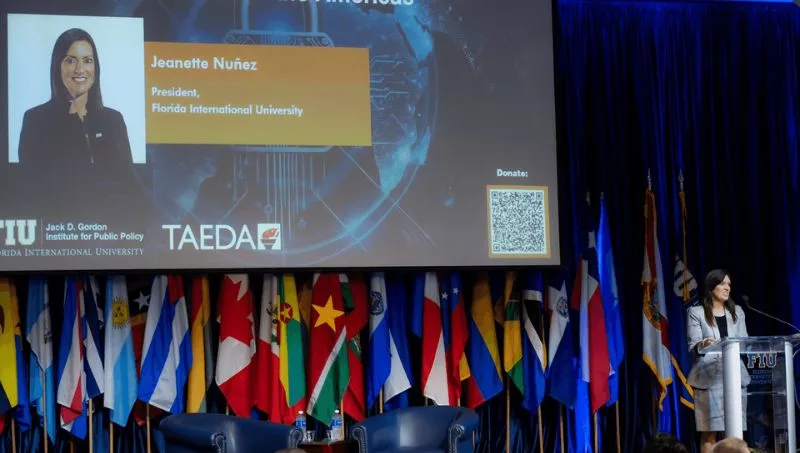

Miami is no longer competing only as a financial, technology, and real estate hub for the Americas. It is also strengthening its position as a city where the major issues shaping the region’s political, economic, and strategic stability are discussed. In that landscape, the 2026 Hemispheric Security Conference, organized by the Jack D. Gordon Institute for Public Policy at Florida International University (FIU), is emerging as one of the most relevant platforms for understanding where the hemisphere is headed.
-
The conference will take place in Miami from Tuesday, May 5 through Thursday, May 7, 2026, as part of its 11th annual edition. FIU presents it as one of the leading security forums in the Western Hemisphere and as its flagship event in this field, designed to drive high-level dialogue, collaboration, and actionable solutions at the intersection of security, governance, and economic development.
That point is especially valuable for a business audience. Security is no longer an issue reserved for governments, armed forces, or specialized agencies. Today, it directly affects supply chains, critical infrastructure, institutional trust, market competitiveness, foreign investment, and corporate resilience. In other words, what was once viewed solely as public policy is now also a boardroom issue.
-
For that reason, the 2026 edition will go well beyond traditional defense debates. According to FIU’s announced agenda, the conference will address highly sensitive issues with growing business implications, including migration dynamics involving Russia and China, cybersecurity and financial crime, emerging technologies and artificial intelligence, the private sector’s role in hemispheric security, illegal mining, the economics of organized and transnational crime, and critical infrastructure and procurement.
This agenda reflects a reality in which hybrid risks are no longer on the periphery of business strategy, but at the center of decision-making. A cyberattack, a money-laundering network, a disruption in critical infrastructure, or instability across logistics corridors can now carry greater economic consequences than a failed commercial campaign. And in a city like Miami - the natural bridge between the United States, Latin America, and the Caribbean - that conversation carries particular weight.
-
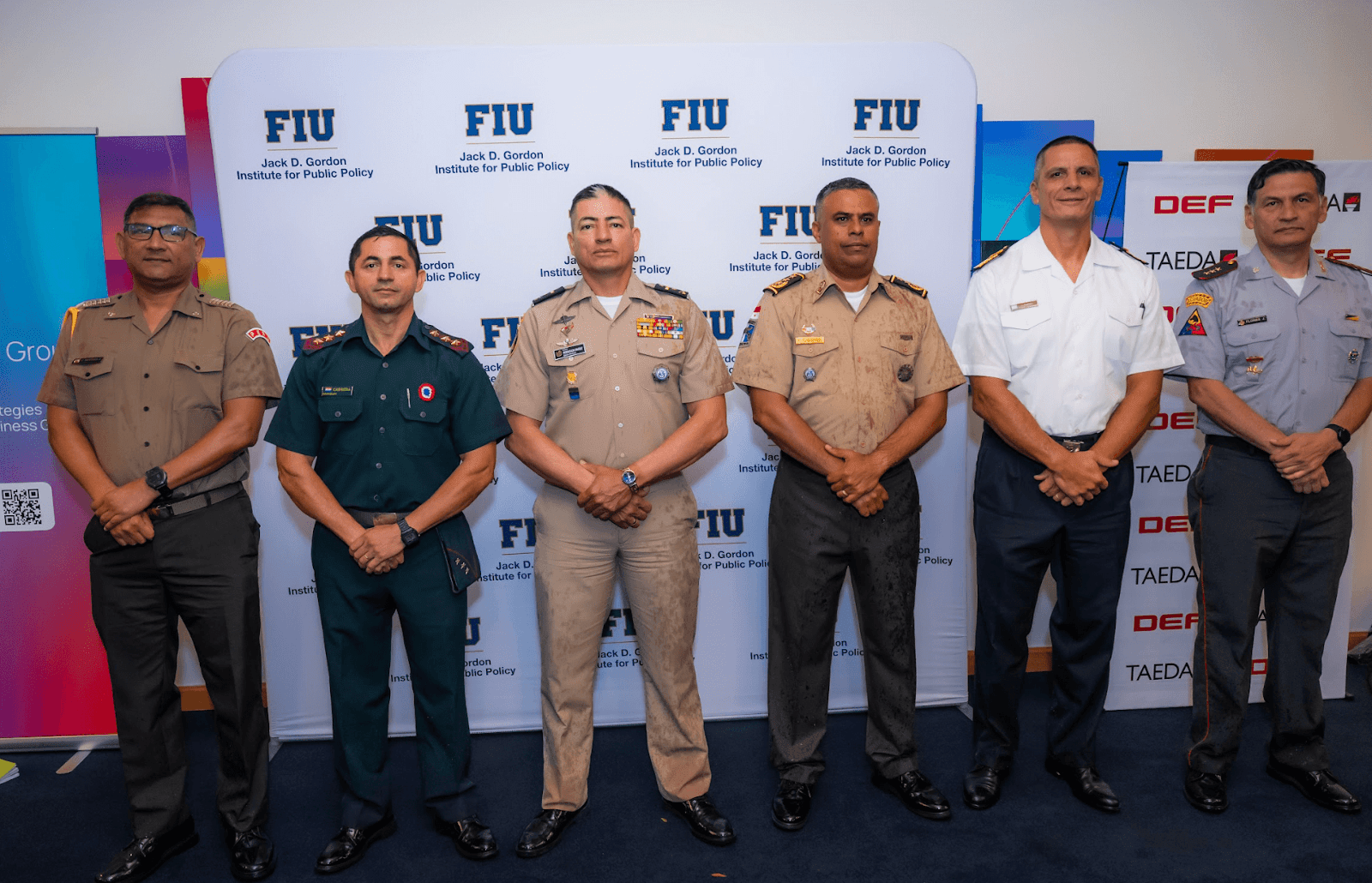
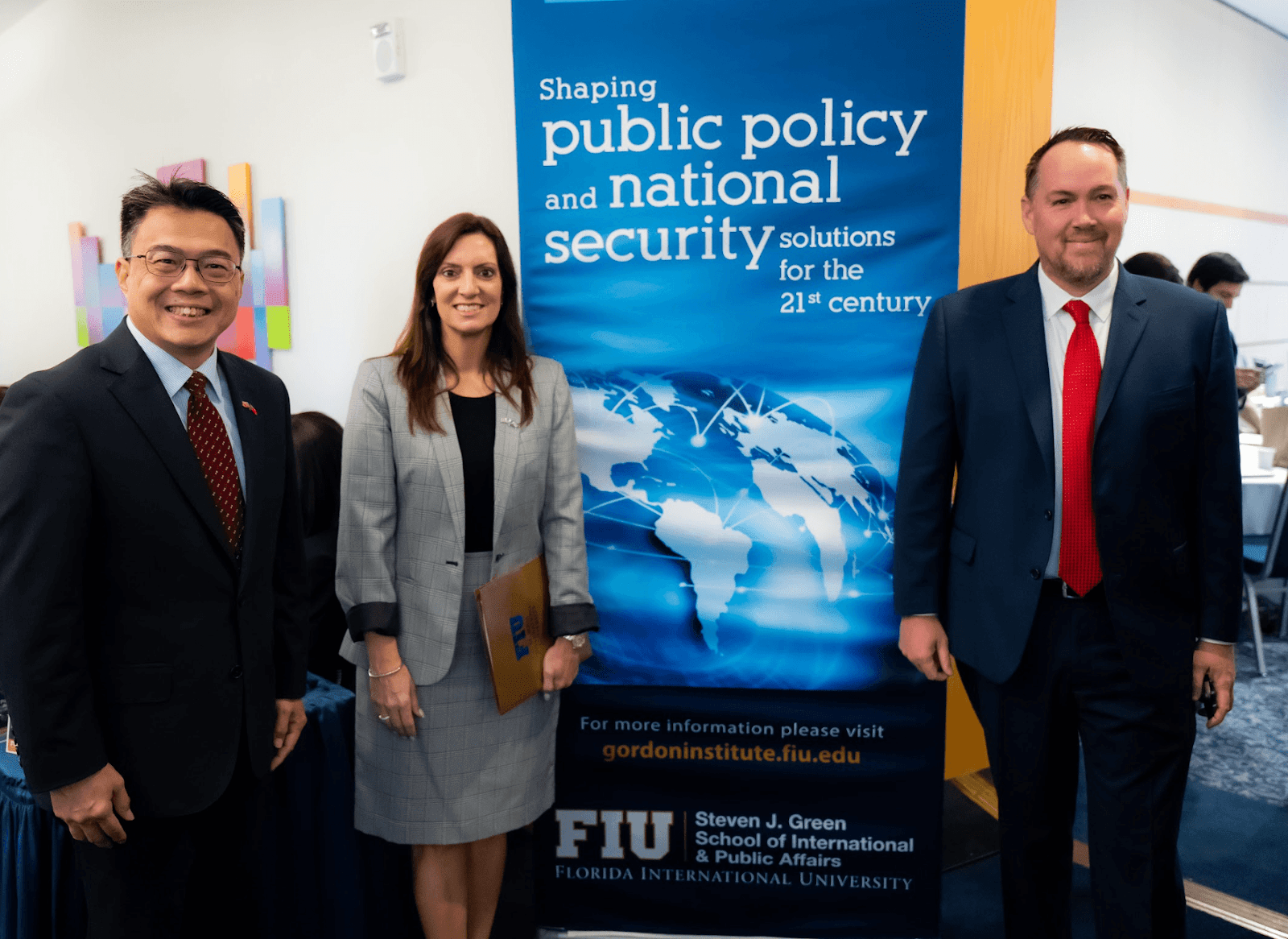
Another factor that reinforces the event’s significance is the profile of those it convenes. The three-day conference will bring together presidents, defense ministers, senior government officials, military leaders, CEOs, policymakers, scholars, and private-sector experts from across the region. The promise is not simply to gather prominent names, but to generate strategic exchange, fresh insights, and alliances aimed at strengthening regional cooperation and resilience.
For Miami, this also carries a geopolitical and economic reading. The city is consolidating an asset that goes far beyond its tax attractiveness or real estate dynamism: its capacity to host hemispheric conversations where public power, private-sector leadership, expert knowledge, and regional interests converge. In an international environment marked by technological competition, transnational crime, geoeconomic tensions, and new influence disputes, hosting gatherings of this kind does not only generate visibility; it also builds reputation, centrality, and convening power.
-
From a business perspective, taking part in a forum like this means more than institutional presence. It means understanding in advance which issues begin as weak signals and later shape entire markets. In 2026, security can no longer be read separately from economics. That is why an FIU conference of this caliber has the potential to attract not only governments and think tanks, but also companies, chambers, funds, universities, and organizations seeking to position themselves in the right conversation, before the right audience.
At a time when the boundary between security, business, and regional strategy is increasingly blurred, FIU’s 11th Hemispheric Security Conference is not simply taking shape as an academic or institutional event. It is positioning itself as a key gathering for those who want to read the new hemispheric landscape before tensions become costs - or opportunities become someone else’s advantage.
KEY DETAILS
|
Date |
May 5-7, 2026 |
|
Location |
Miami, Florida |
|
Registration |
https://gordoninstitute.fiu.edu/news-events/hsc/index.html |
|
Sponsorship |
Manah Group - [email protected] |
Read Smart, Be Smarter!
https://infonegocios.miami/subscribe-to-newsletter
Contact: [email protected]
Infonegocios NETWORK: 4.5 million Anglo-Latinos united by a passion for business.
Join us and stay informed.
© 2025 Infonegocios Miami.
Infonegocios Miami—Economic, Cultural, and Business Intelligence with a Global Lens







Tu opinión enriquece este artículo: