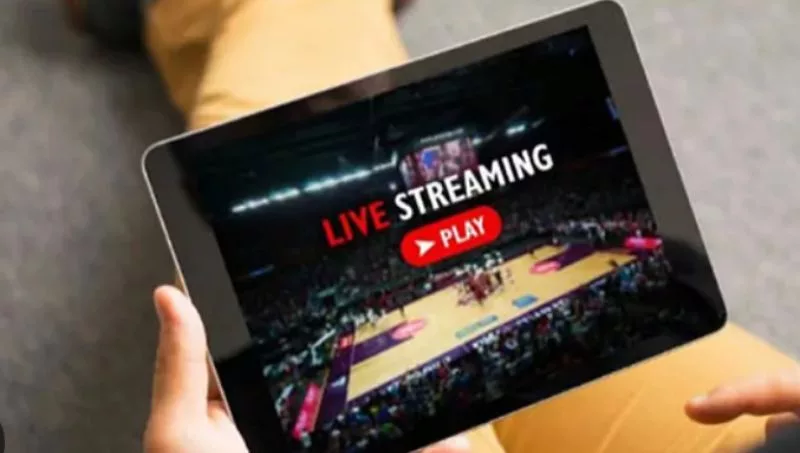

The Growth of Sports Streaming
The rise of sports streaming is driven by the demand for more authentic and accessible experiences. Formula 1, Inter Miami, and esports are prime examples of how live content can engage and retain audiences in ways that traditional television often cannot match. Interactivity, flexibility, and diverse formats are key to the future of sports entertainment.

Sports: A Universal Language
The Kantar report titled "Entertainment on Demand" reveals that sports have become a universal language, capable of connecting people from diverse cultures and backgrounds. In countries like Spain, soccer, tennis, and motorsports are the primary drivers of new subscriptions. LaLiga and the Champions League, for example, are competitions that are exclusively broadcast on pay platforms, highlighting their potential to attract new subscribers. The presence of figures like Rafael Nadal, Carlos Alcaraz, Fernando Alonso, and Carlos Sainz has turned these sports into magnets for fans, who see streaming as an opportunity to not miss any event.

The Evolution of Sports Consumption in Streaming
The surge in streaming has transformed how fans consume sports. In the United States, American football leads the list of sports most influential in the decision to subscribe to streaming services, although fans also show interest in basketball, tennis, and rugby. This behavior reveals a trend towards content diversity; consumers seek not only live broadcasts but also documentaries and dramas that enrich their experience. A clear example is the success of Netflix's documentary "Drive to Survive" about Formula 1, which has attracted millions of new viewers and revitalized interest in the sport.
The Importance of User Experience
However, content quality is not the only determining factor for retaining subscribers. The report emphasizes that if the user experience is unsatisfactory, subscribers will lose interest, potentially leading to subscription cancellations. Therefore, providing an exceptional user experience and fostering engagement are essential for long-term loyalty.



IG: @infonegociosmiami
Growth Opportunities in Europe
Unlike the United States, Europe presents a significant growth margin in the number of subscribers to streaming services. Of the 22 million households identified as sports fans in the old continent, six million still do not have a VoD service. This market fragmentation leads fans to spend considerably to access sports content, with an average monthly bill of 88 euros. This data reveals that consumers are willing to invest in quality sports content, making them a potentially high-value audience.

An Expanding Market
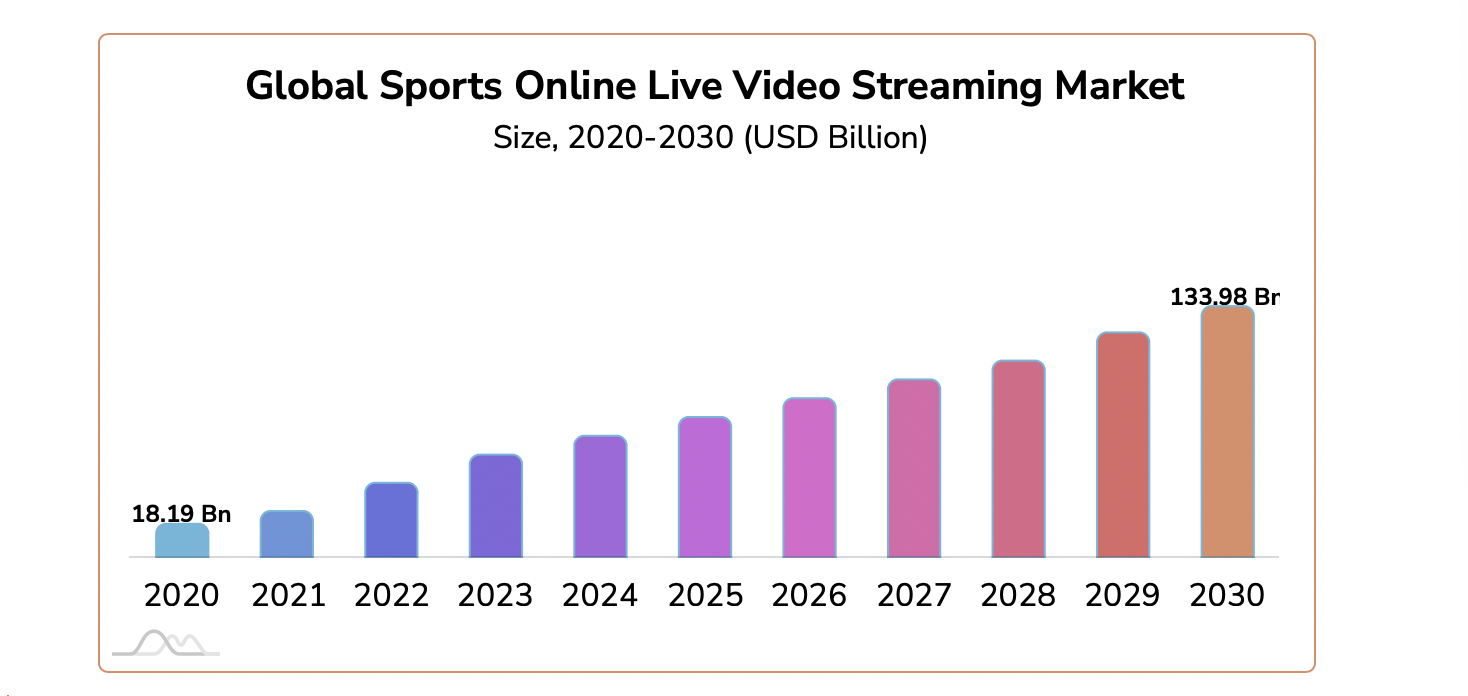
The online live sports streaming market was valued at $26.93 billion in 2022 and is projected to reach $133.98 billion by 2030, growing at a compound annual growth rate of 22.66%. This growth is driven by an expanding global user base and technological advancements that allow fans to access live sports events from any device.
Key Players in the Online Live Sports Streaming Market
Stream2watch
An aggregator of links allowing users to watch live sports events from various sources. While popular, its legality may be questionable due to a lack of official agreements.
ESPN Enterprises, Inc.
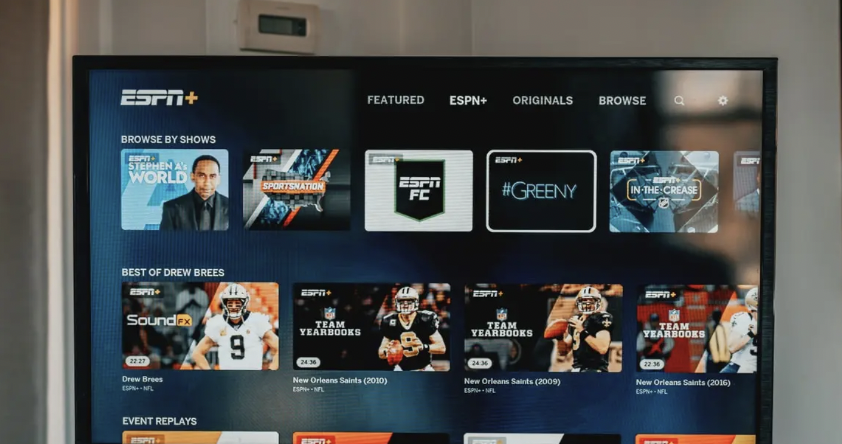
One of the leading sports networks globally, ESPN offers a streaming platform called ESPN+, providing access to a wide range of live sports, analysis, and exclusive content.
Filo, Inc.
Less known, Filo is a platform offering both on-demand and live video content, including sports, although its focus may vary by region.
DAZN Global
A dedicated sports streaming service, DAZN has rapidly expanded, offering a variety of live sports and original content. It is known for its ad-free subscription model.
Honda TV
A less conventional platform, Honda TV focuses on motorsport-related content, though its reach and popularity are limited compared to major market players.
Fubo
FuboTV specializes in live sports streaming, offering a wide variety of sports channels and live events. It is popular among fans looking for an alternative to cable TV.
FloSports, Inc.
FloSports offers a variety of sports, including less popular events, through a subscription model. Its focus is on emerging sports and live competitions.
DIRECTV, LLC.
With a strong presence in the satellite TV market, DIRECTV also offers streaming of sports events through its online platform, including access to premium channels.
YuppTV USA Inc.
This platform focuses on streaming television content and sports from India, providing access to popular leagues and events among the Indian diaspora in the United States.
Cajacast
A platform focusing on the streaming of sports and live events in the Latin American market, though its presence is more regional.
In conclusion, as the digital landscape continues to evolve, sports remain a powerful force driving subscription growth in streaming services across Europe and the US. By understanding the dynamics of viewer engagement, the importance of user experience, and the potential for diverse content offerings, stakeholders in the sports and entertainment sectors can capitalize on this momentum to foster deeper connections with audiences and drive sustainable growth in the streaming market.
Challenges and Solutions in Live Streaming
One of the greatest challenges in broadcasting live sports events is coordinating schedules to accommodate viewers in different time zones. Companies are utilizing data analytics to identify peak viewing times and offer on-demand content. This not only enhances the user experience but also maximizes engagement.
Transformation of the Sports Industry
The sports media industry is undergoing a significant transformation. Traditional television is losing ground to streaming services like YouTube TV and Hulu TV, where sports programming accounts for over 40% of all television viewing. This shift has led major sports federations to partner with streaming platforms, highlighting the need to adapt to a constantly evolving environment.
Impact of Formula 1
Formula 1 has experienced a resurgence thanks to several factors, including the success of Netflix's "Drive to Survive" series. This documentary has attracted new fans to the sport, showcasing not only the races but also the personal stories of drivers and teams. This has resulted in an increase in viewership and demand for related content, both on streaming platforms and traditional channels.
Inter Miami and Messi
Lionel Messi's arrival at Inter Miami has had a significant impact on interest in soccer in the United States. This event has not only boosted ticket and merchandise sales but has also driven subscriptions to platforms that broadcast MLS matches. Messi attracts not only soccer fans but also those who want to see one of the sport's legends in action, leading to a surge in demand for live streaming.
Esports
Esports have grown exponentially in recent years, becoming a global phenomenon. Platforms like Twitch and YouTube Gaming have enabled gamers to stream their gameplay live, creating strong and loyal communities. The interactivity of esports, where viewers can participate and comment in real time, adds a level of excitement that is often lacking in traditional sports broadcasting.
Live vs. Television
The live streaming experience has become more appealing compared to traditional television production for several reasons:
Interactivity: Live streaming allows viewers to interact with commentators and other fans in real time, creating a sense of community.
Access to Exclusive Content: Many streaming platforms offer exclusive content, such as behind-the-scenes footage, interviews, and analyses that are not available on television.
Flexibility: Users can watch events anywhere and anytime, better accommodating modern routines.
Diverse Formats: Streaming allows for a variety of formats, from long events to short highlights, making it attractive to different types of audiences.
Differences in Revenue, Format, and Production
Revenue: In terms of income, streaming platforms generally rely on subscriptions and advertising, while television often has broadcasting rights contracts that can be much more lucrative. However, streaming is rapidly gaining ground.
Format: Streaming content tends to be more diverse and tailored to the audience, while television often follows a more rigid format.
Production: The production of live events for streaming can be more agile and less costly, allowing for greater experimentation and adaptation to audience preferences.

-
Infonegocios NETWORK: 4.5 million Anglophones and Latinos united by a passion for business.
-
Subscribe for free to receive the most strategic, agile, and valuable insights at: https://infonegocios.miami/suscribite-al-newsletter
-
Contact Infonegocios MIAMI:
[email protected] or [email protected]











Tu opinión enriquece este artículo: